September 19, 2026 Ixmore Art
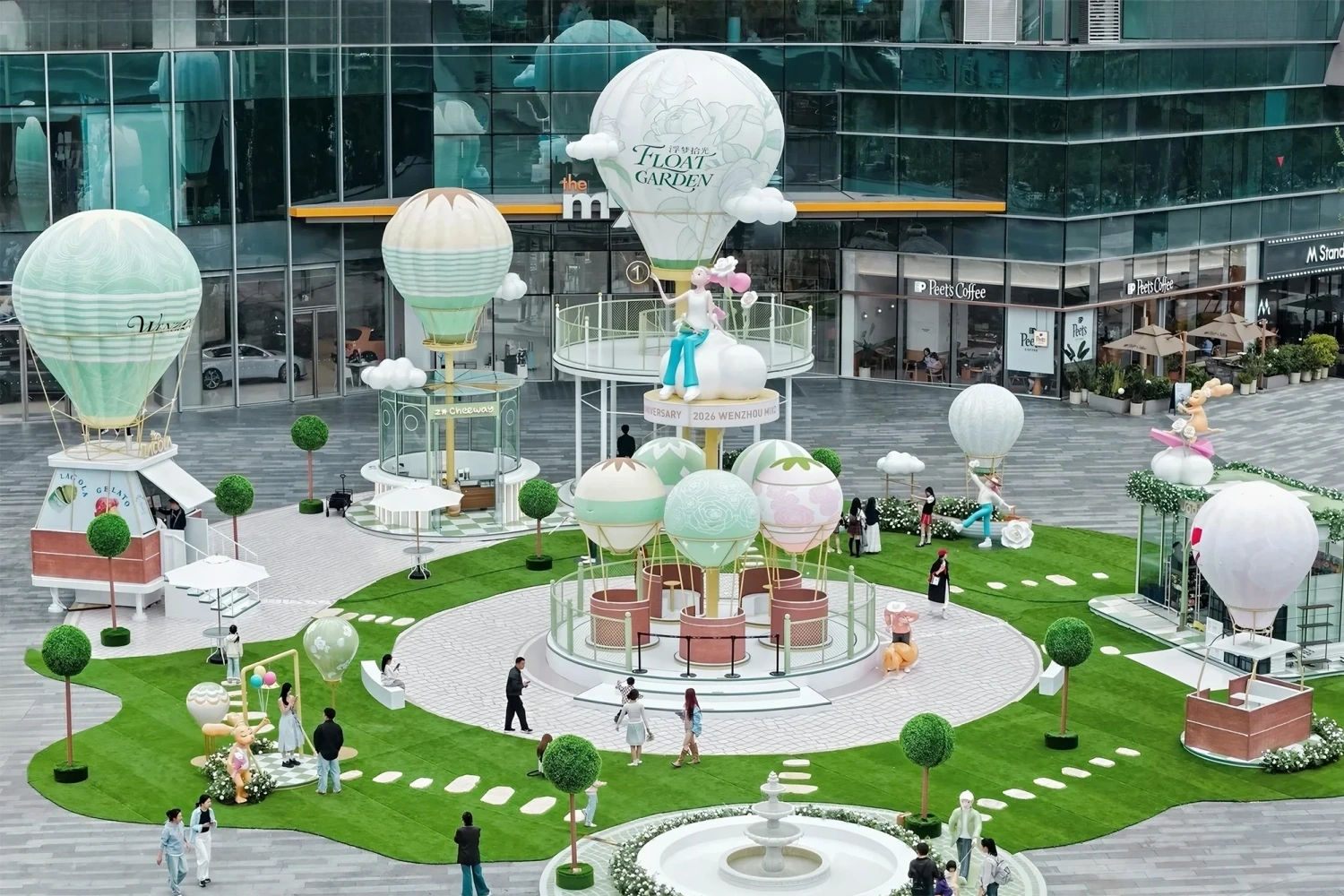
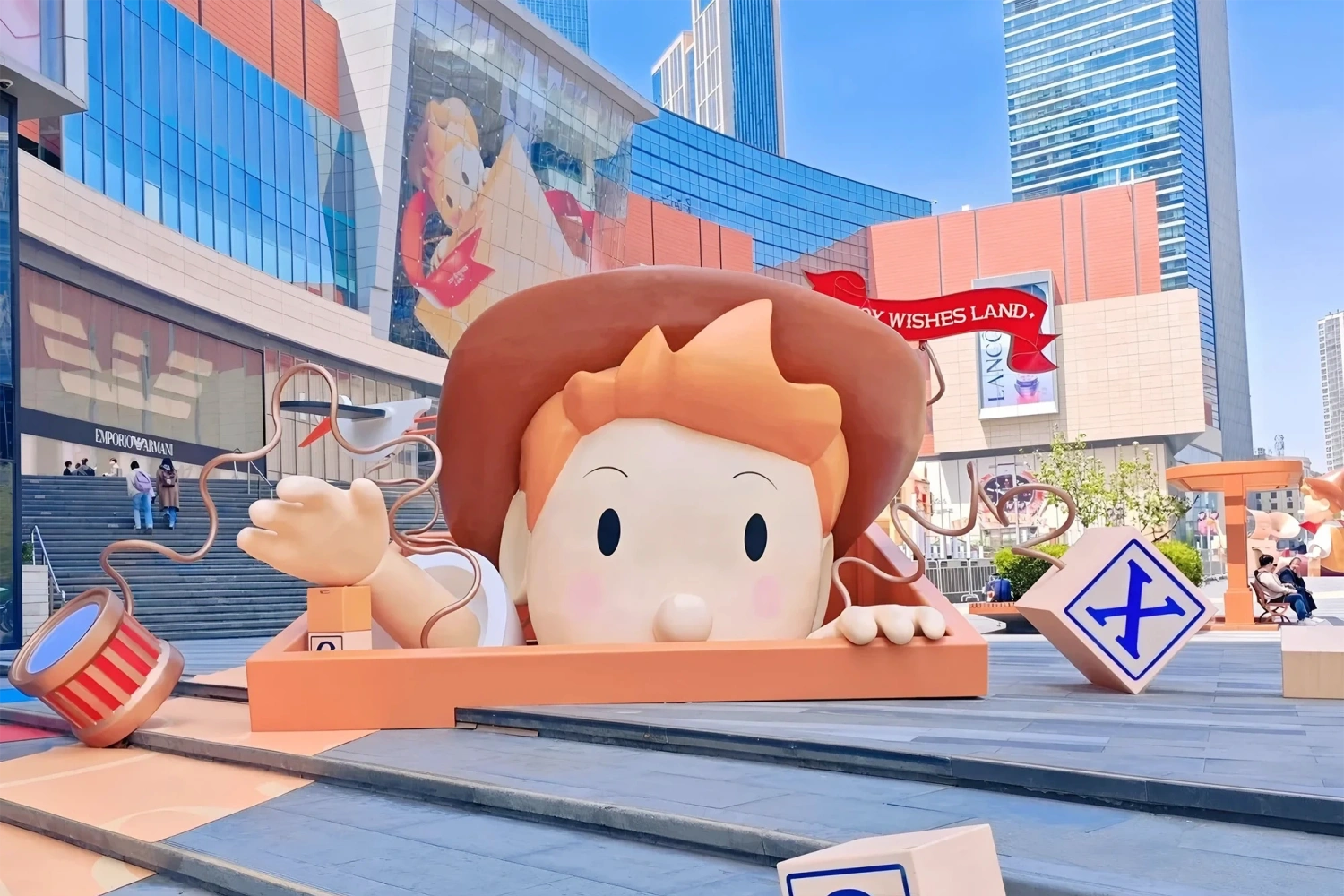
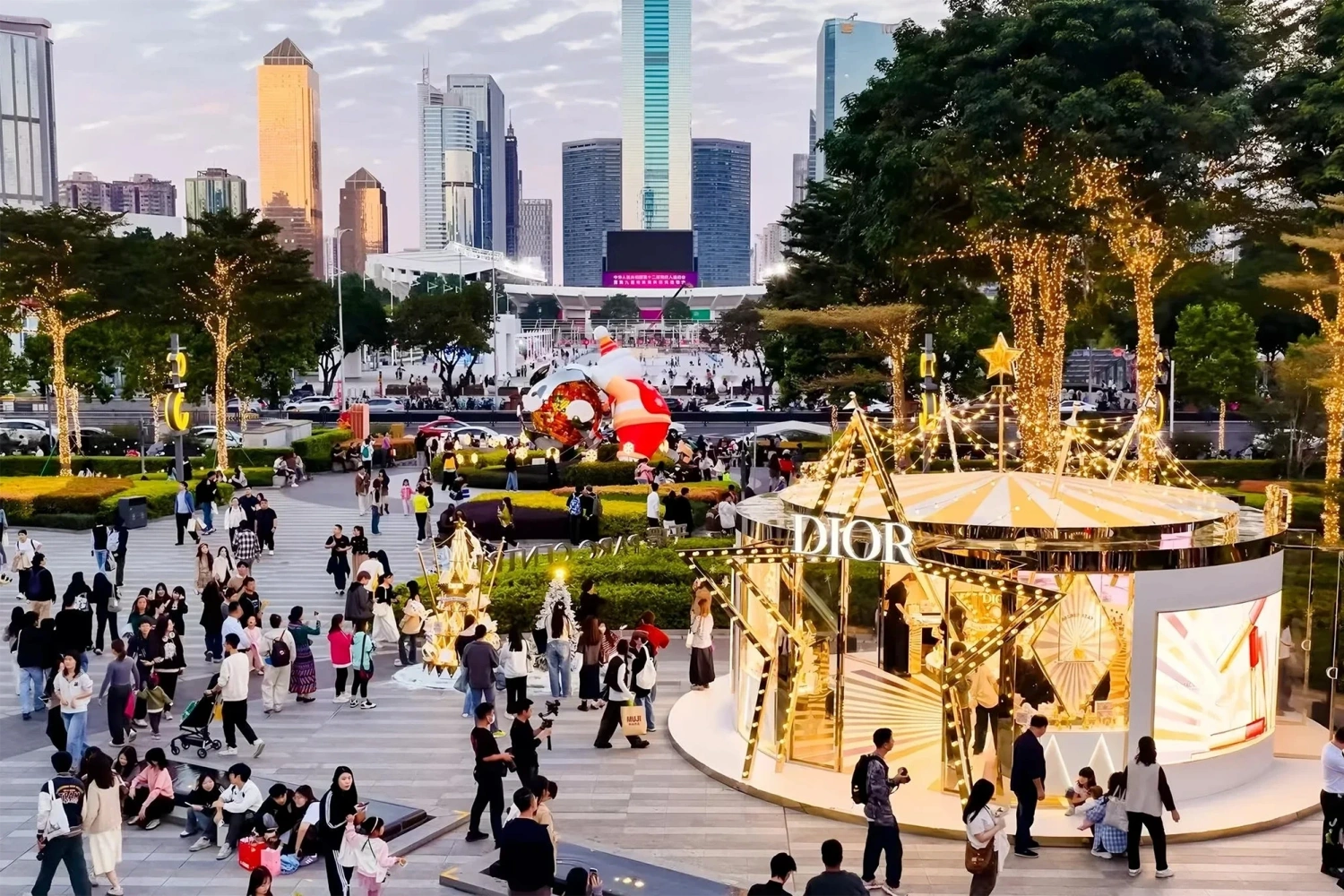
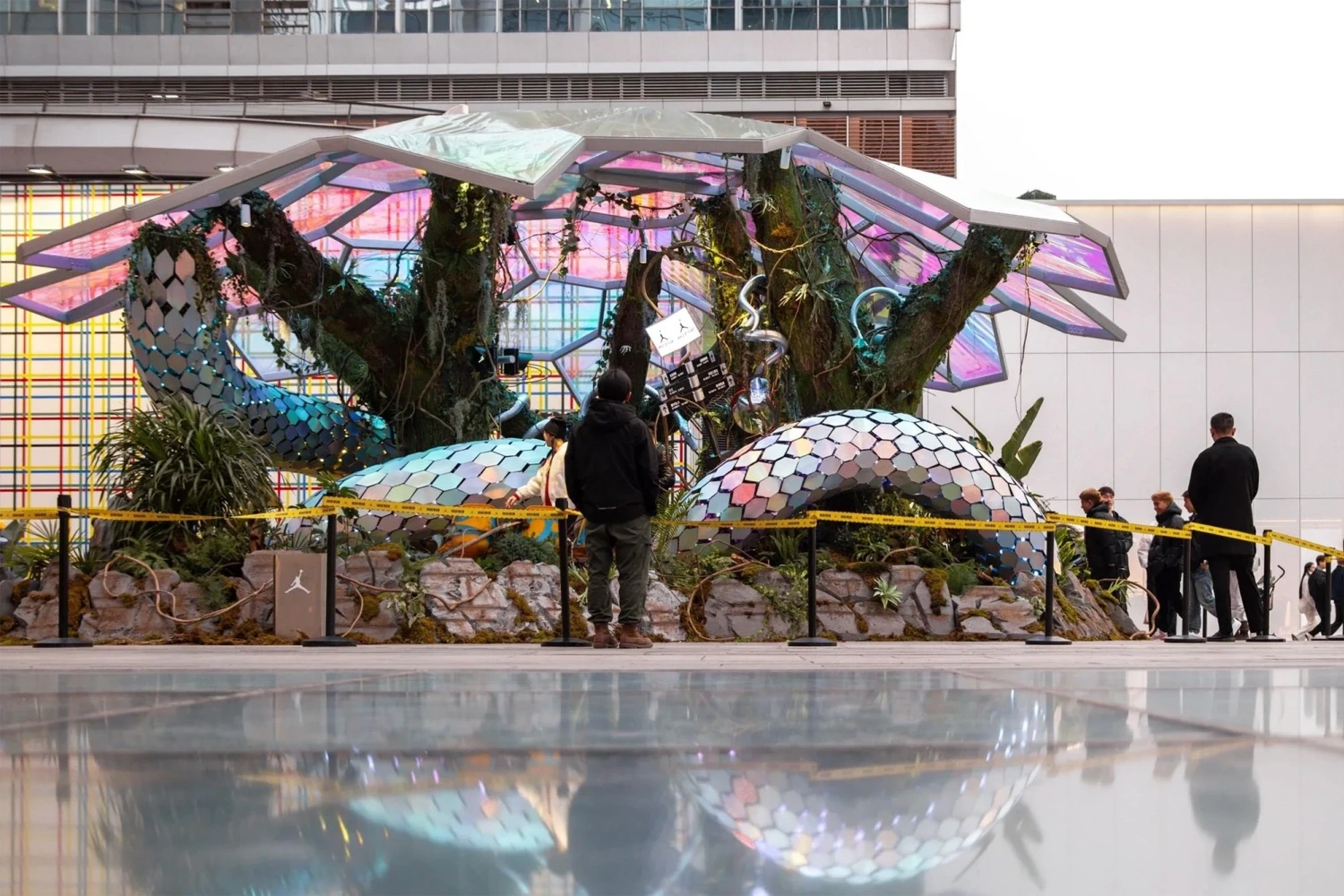
For shopping mall operators, brand retailers, event planning agencies, and spatial design firms, finding a truly reliable custom manufacturing facility for commercial props can determine whether a large-scale commercial space project is executed successfully, delivered on schedule, and completed safely and in compliance with applicable regulations. From large-scale art installations in mall atriums and immersive Christmas displays to short-term experiential installations for pop-up stores, these projects involve a complex range of processes, including structural engineering, material testing, cross-border logistics, and on-site installation. With a focus on production capabilities, this article outlines 10 key indicators for evaluating whether a supplier has the capacity to custom-manufacture props and installations for large-scale commercial spaces, helping buyers make more informed and professional decisions when selecting a manufacturer.
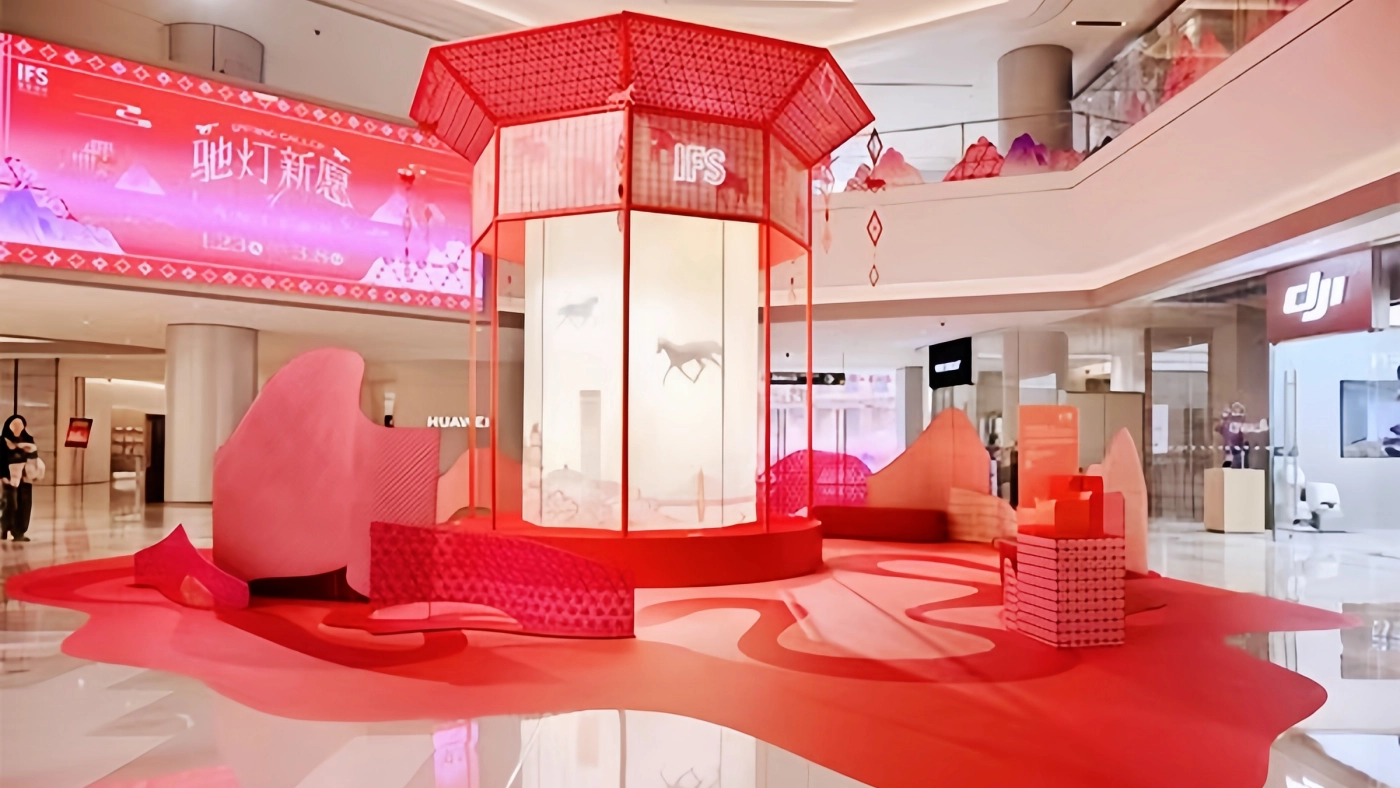
Large-scale commercial space projects are typically defined by tight deadlines, complex designs, stringent safety requirements, and the need for international delivery. An inexperienced supplier may encounter issues such as structural deformation, substandard materials, or inadequate fire resistance as early as the prototyping stage, potentially resulting in project delays or even safety hazards. By contrast, a large-scale custom commercial prop manufacturing facility with a mature production system can establish a closed-loop process—from translating design drawings and performing structural stress calculations to material selection, surface treatment, packaging, transportation, and on-site installation—helping minimize project risks at every stage. Whether the project involves shopping mall installations, holiday event props, public art installations, or pop-up store experiential displays, supplier selection should ultimately focus on comprehensive production capabilities rather than price alone.
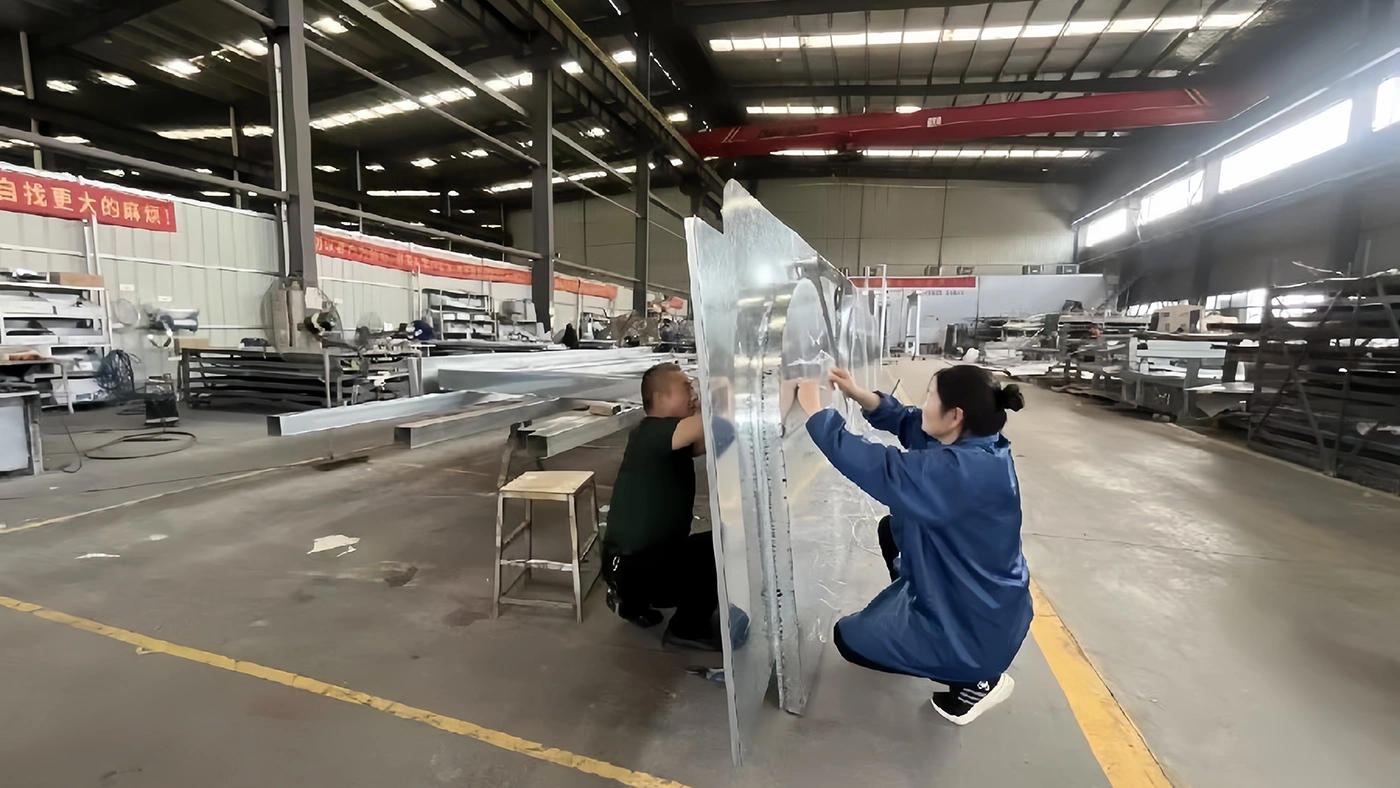
The following 10 dimensions represent the core capabilities buyers should prioritize when evaluating a custom commercial prop manufacturing facility, covering virtually the entire project lifecycle from design through implementation.
Common material and construction systems for large-scale installations include fiberglass-reinforced plastic (FRP) mold casting, welded metal frameworks, wood structures, acrylic vacuum forming, UV-printed panels, and integrated LED lighting. A professional custom commercial installation manufacturer should have the structural engineering and calculation capabilities required for different material systems—especially for installations exceeding 3 meters in height, where wind loads, load-bearing capacity, and seismic considerations may need to be addressed. Structural safety is directly tied to the safety of people in public areas of shopping malls.
To determine whether a factory truly has the capacity to custom-manufacture large-scale commercial installations, buyers can assess the scale of its production facilities, CNC machining equipment, large-scale spray-painting and baking booths, metal fabrication and welding workshops, and mold inventory. Production capacity determines whether the factory can handle projects for multiple shopping malls or across multiple cities simultaneously, as well as whether it can maintain on-time delivery during peak seasons, such as the months leading up to Christmas.
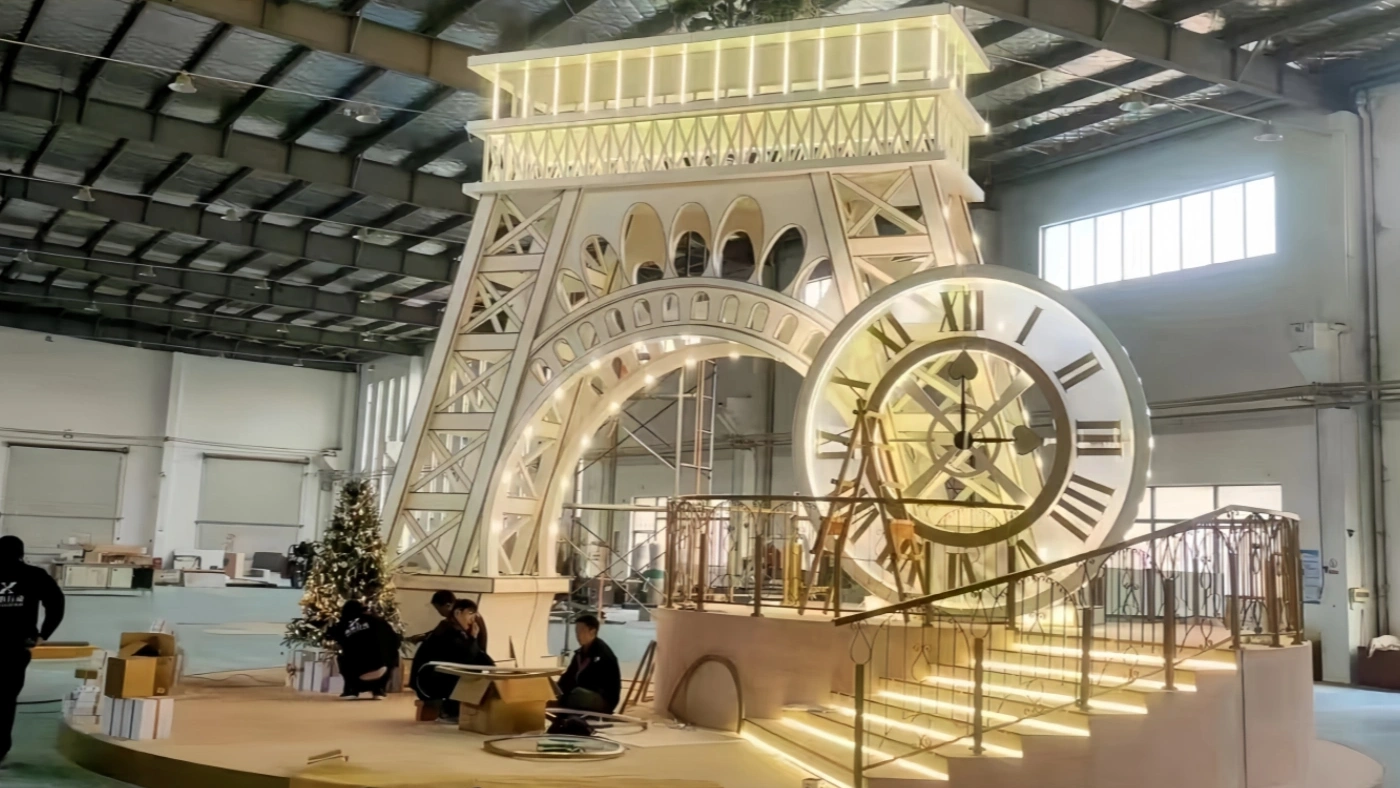
Large-scale commercial prop projects typically involve more than a dozen stages, including design approval, structural review, material procurement, production, quality inspection, packaging and shipping, and on-site installation. Mature suppliers use Gantt charts or dedicated project management systems to track each milestone and provide proactive progress updates at key stages, preventing delays in any single phase from cascading into the overall delivery schedule.
This is one of the most important—yet most frequently overlooked—indicators of a custom commercial prop manufacturing facility’s professionalism. Fabrics and decorative materials suspended or displayed in shopping malls and other public spaces generally need to comply with local fire safety regulations. In the North American market, for example, the National Fire Protection Association’s (NFPA) 701 standard is widely used to evaluate the flame propagation characteristics of hanging fabrics and film-based materials and is required for acceptance by many mall property owners. Materials intended for long-term indoor displays should also be evaluated for volatile organic compound (VOC) emissions. UL GREENGUARD Gold certification is widely recognized as a stringent standard for indoor air quality, helping verify that products and materials meet strict limits for chemical emissions in indoor environments. Whether a supplier proactively provides relevant third-party test reports is a strong indicator of its commitment to compliance.
Translating design drawings into physical installations requires faithful reproduction of numerous details, including color, proportions, material texture, and lighting effects. A capable manufacturer will typically provide 1:1 partial prototypes or scaled models, supported by 3D modeling for advance validation, helping reduce the risk of costly rework during on-site installation. This stage also provides one of the clearest demonstrations of a manufacturer’s actual craftsmanship in custom commercial prop production, rather than relying solely on renderings.
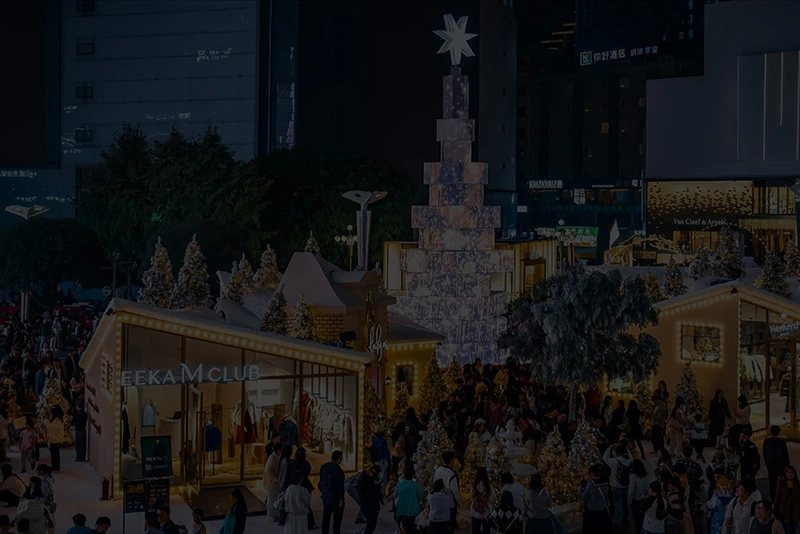
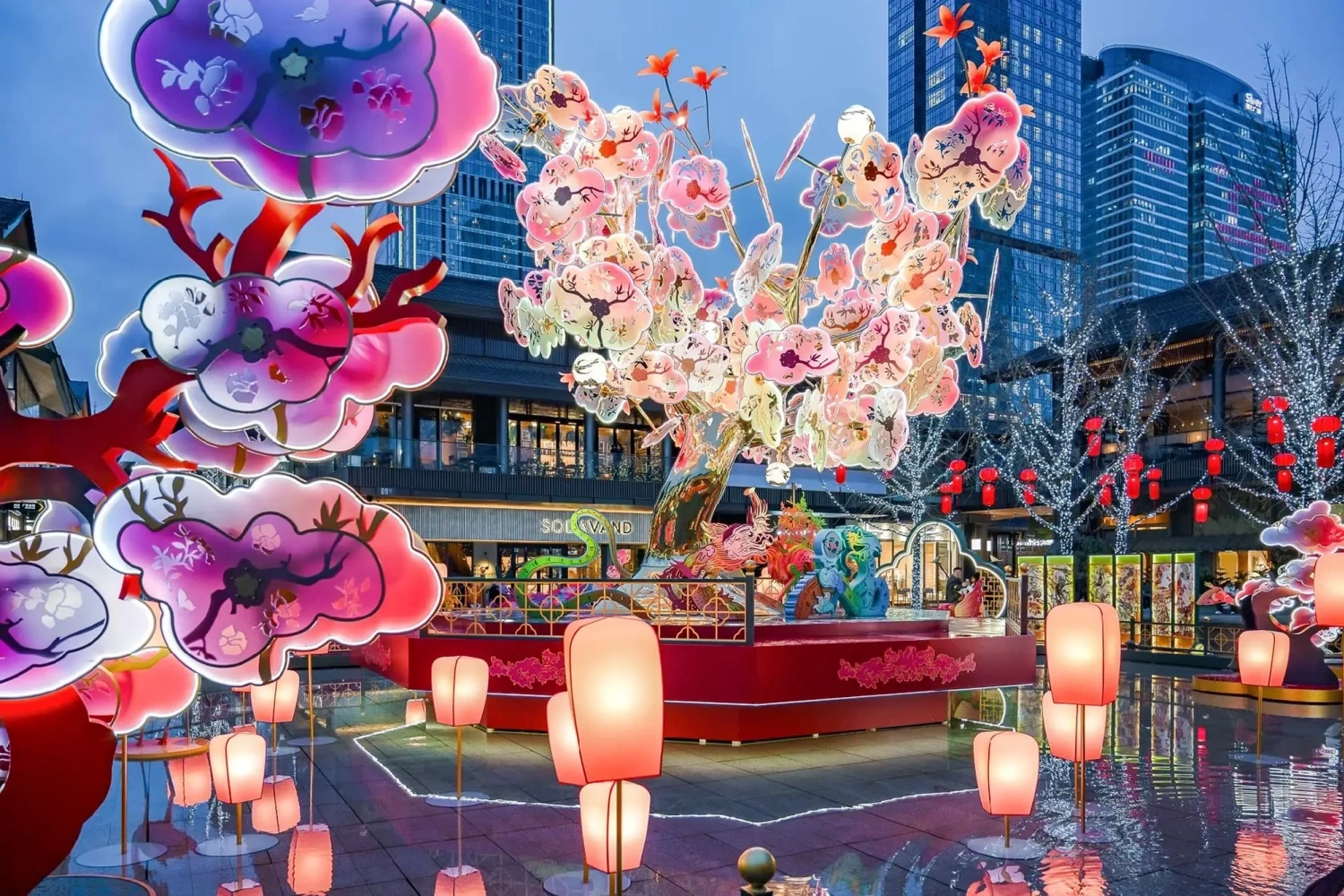
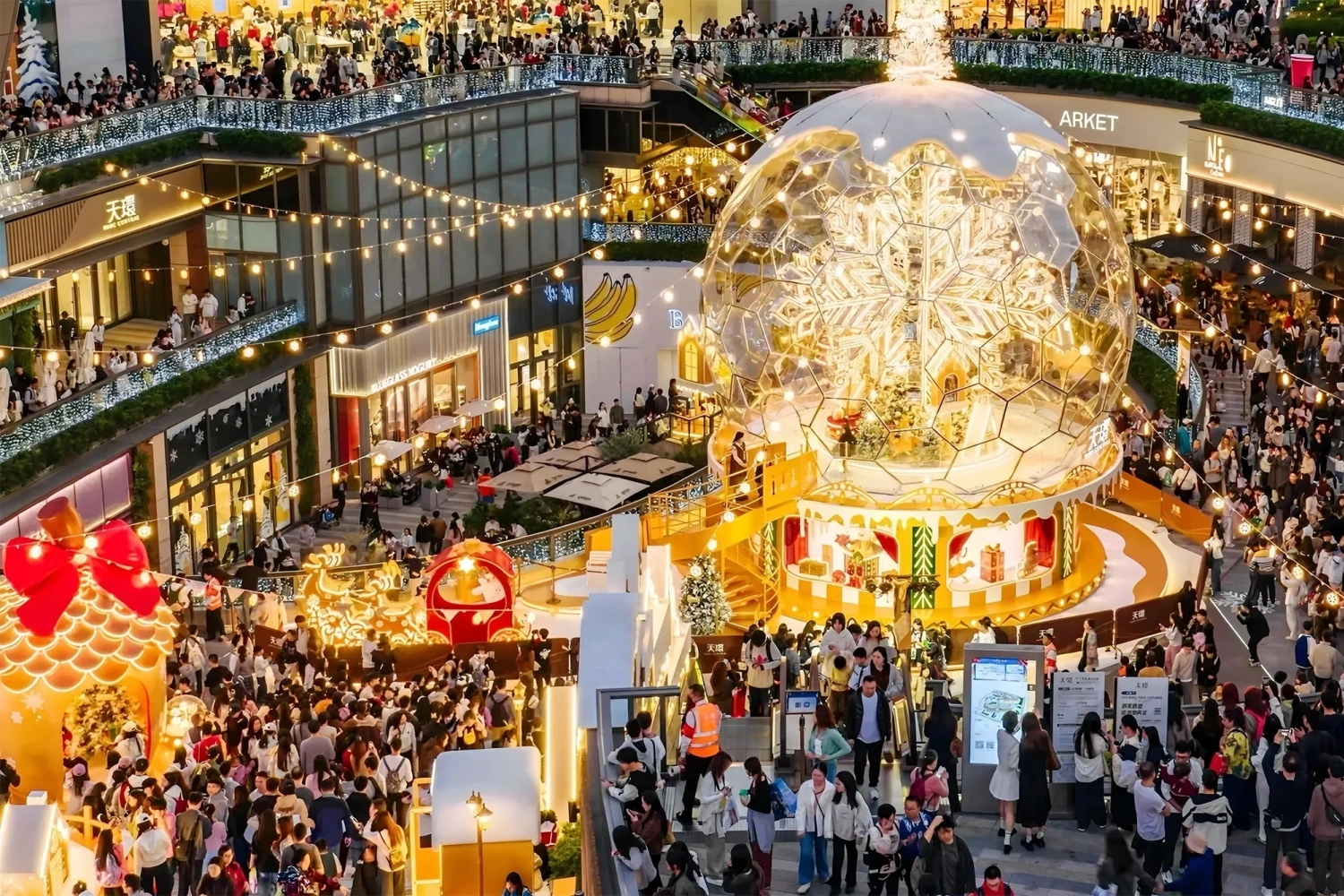
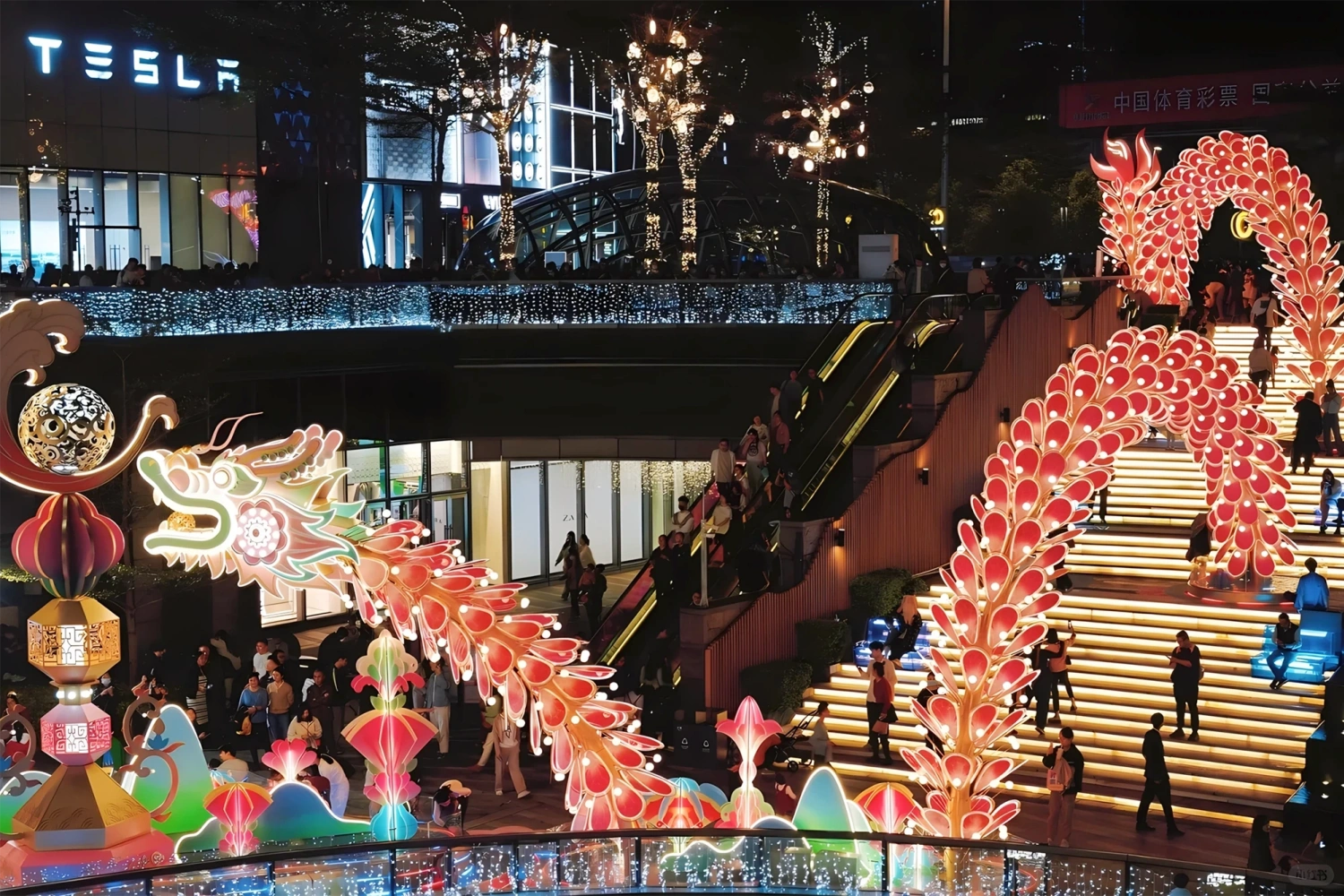
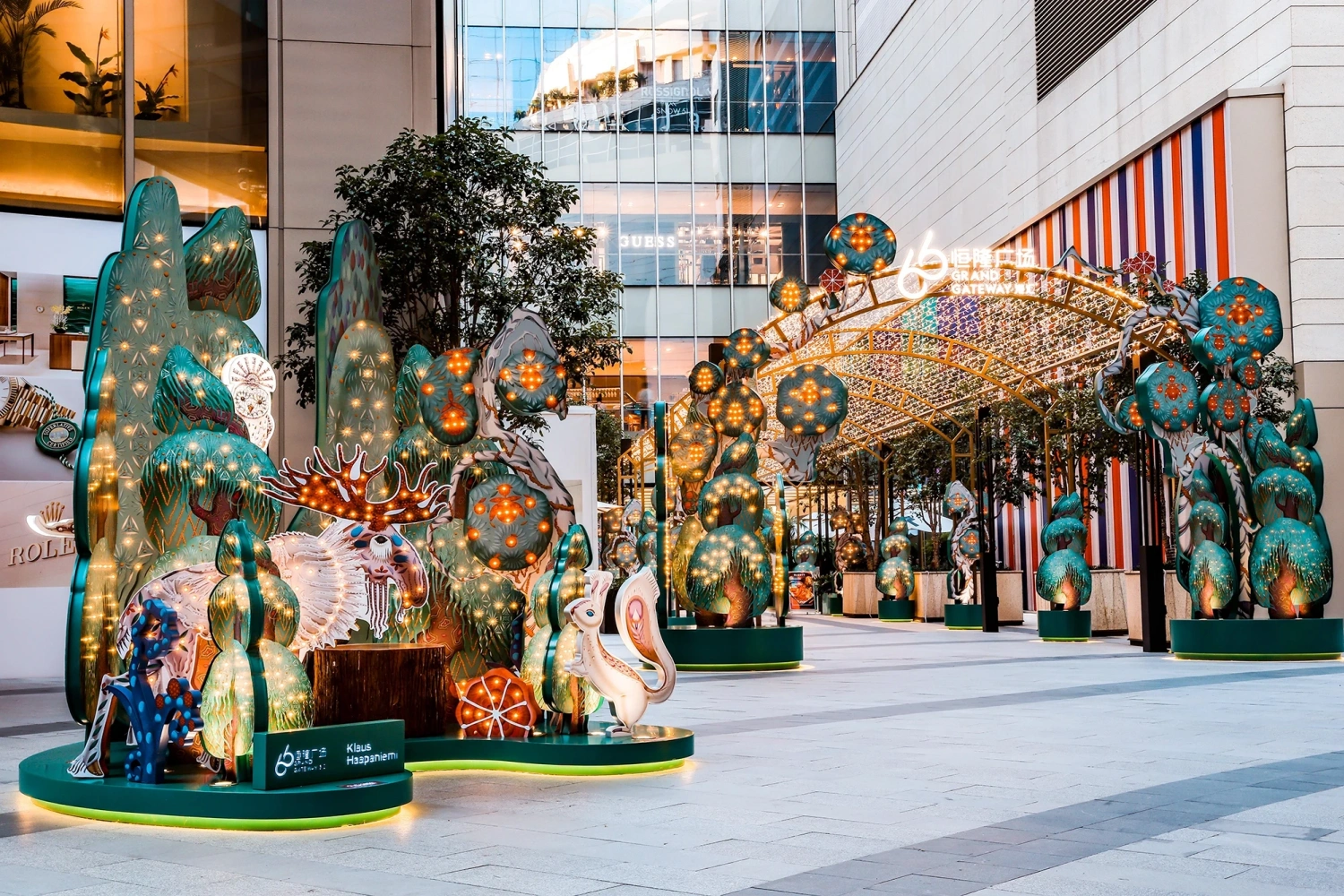
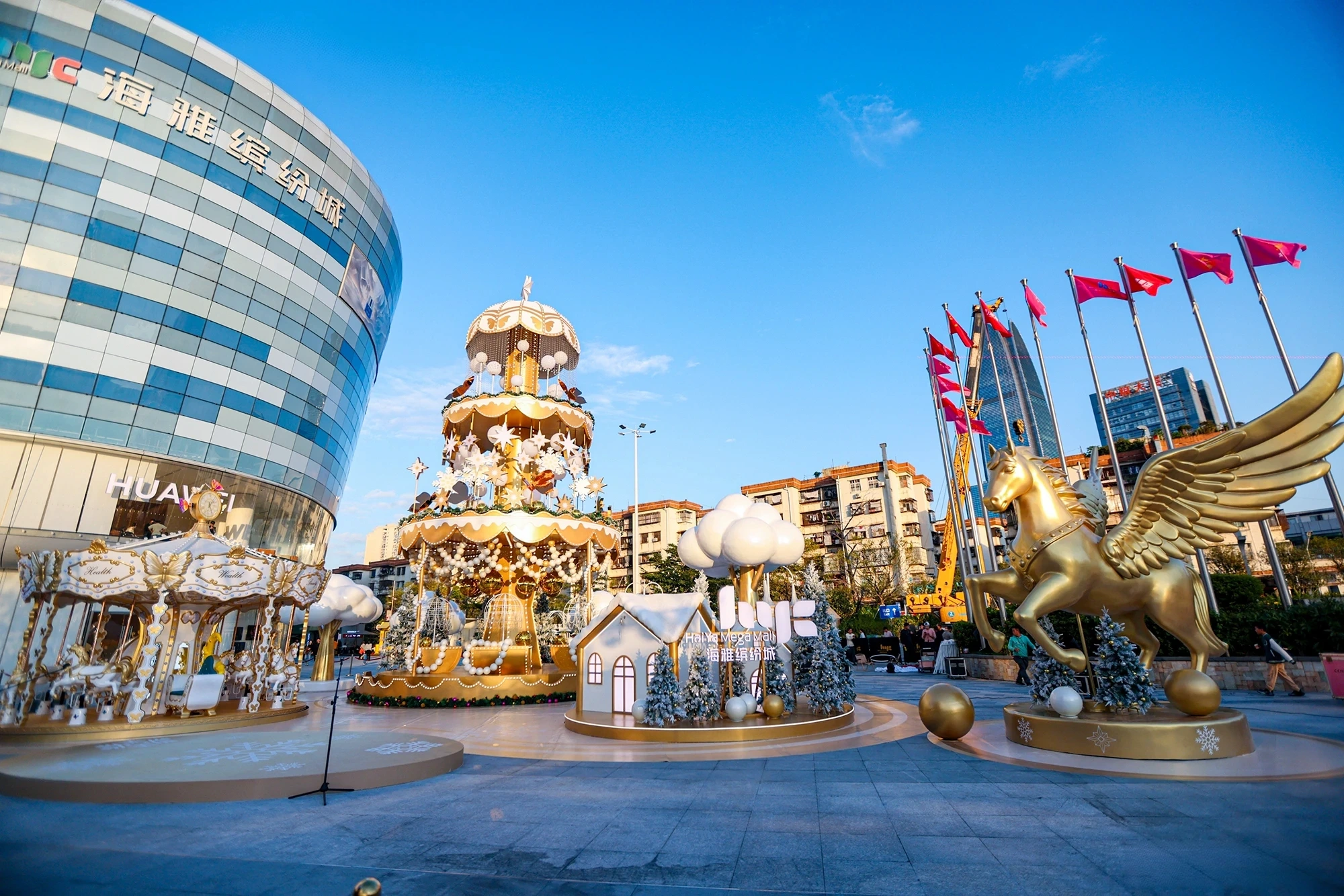
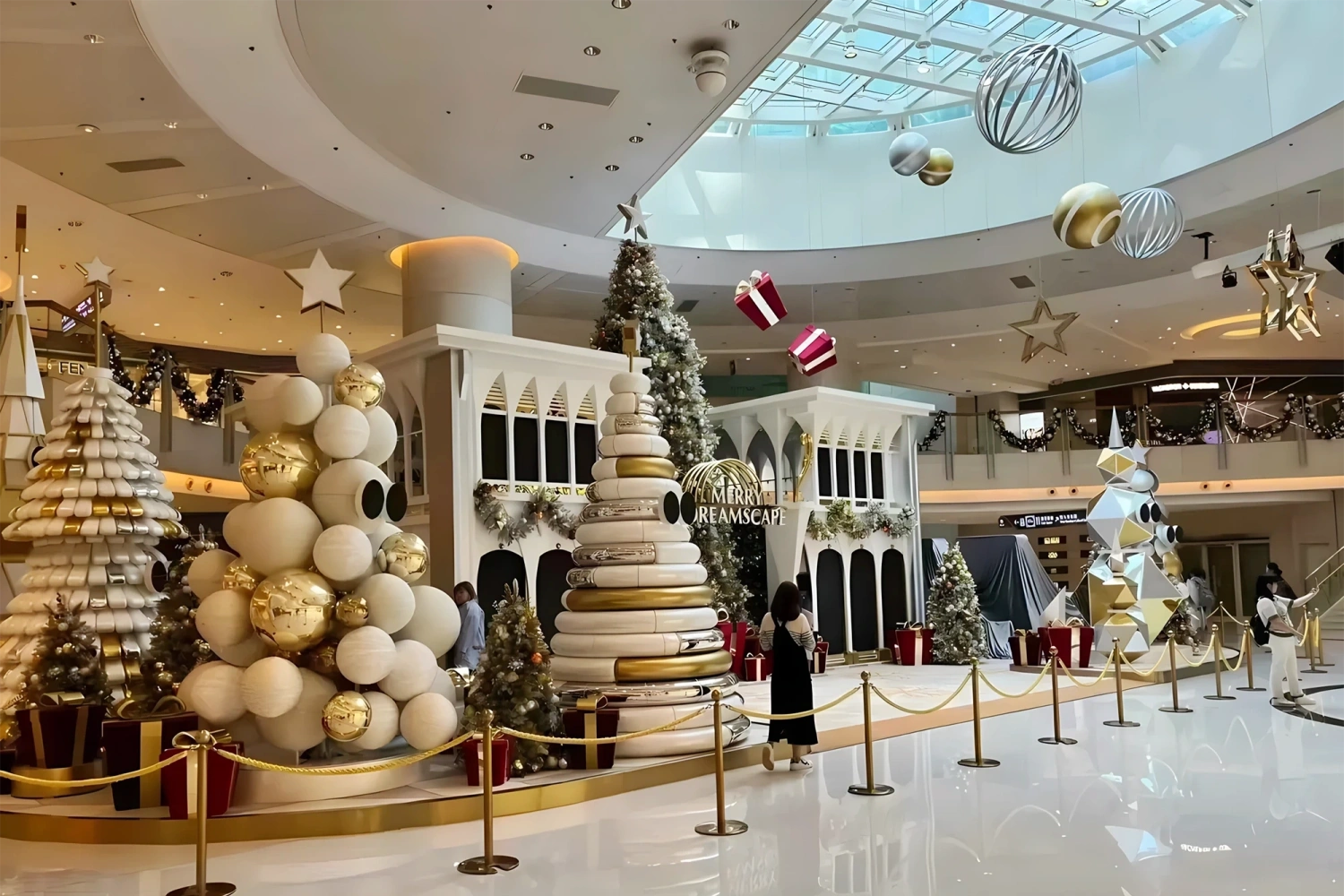
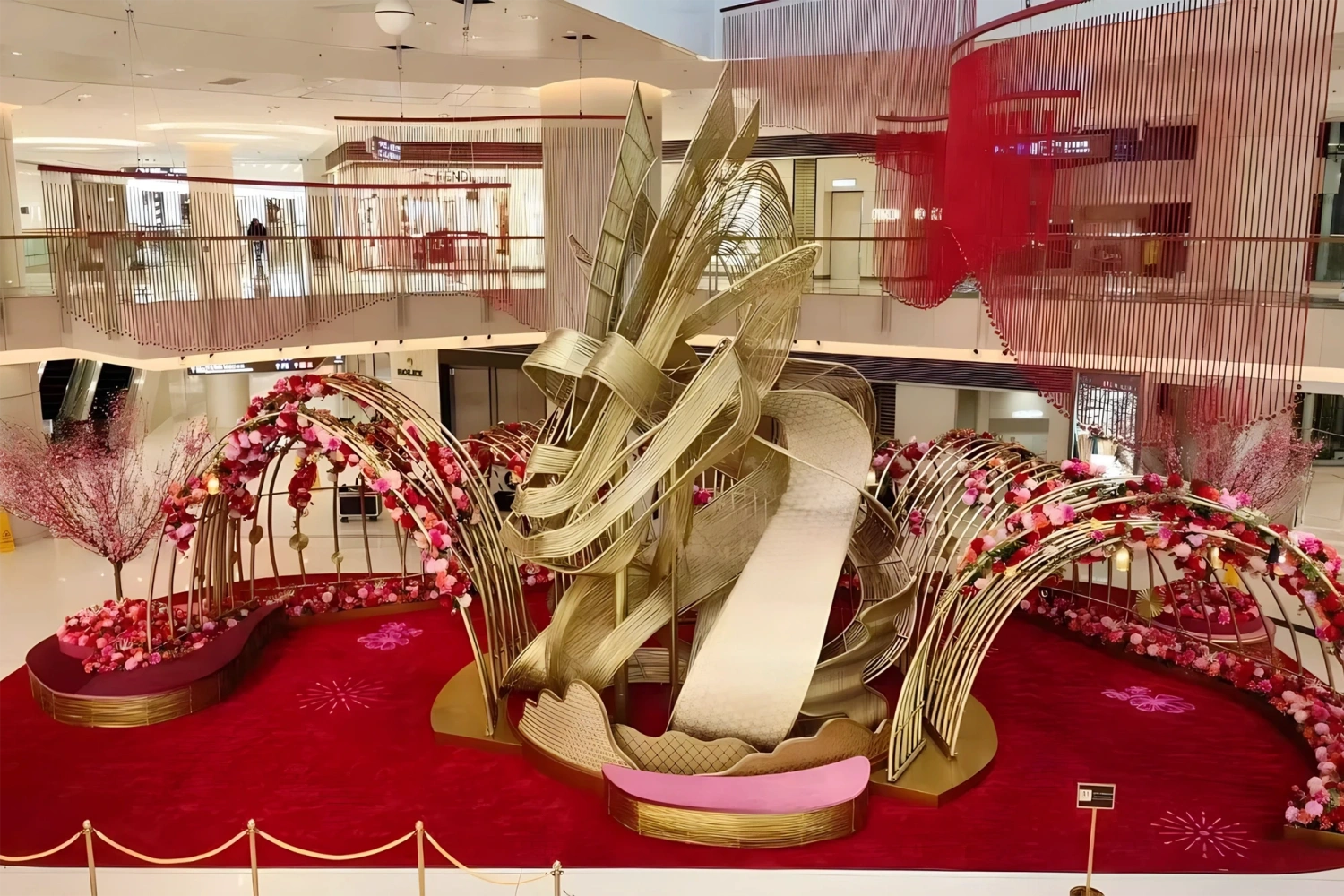
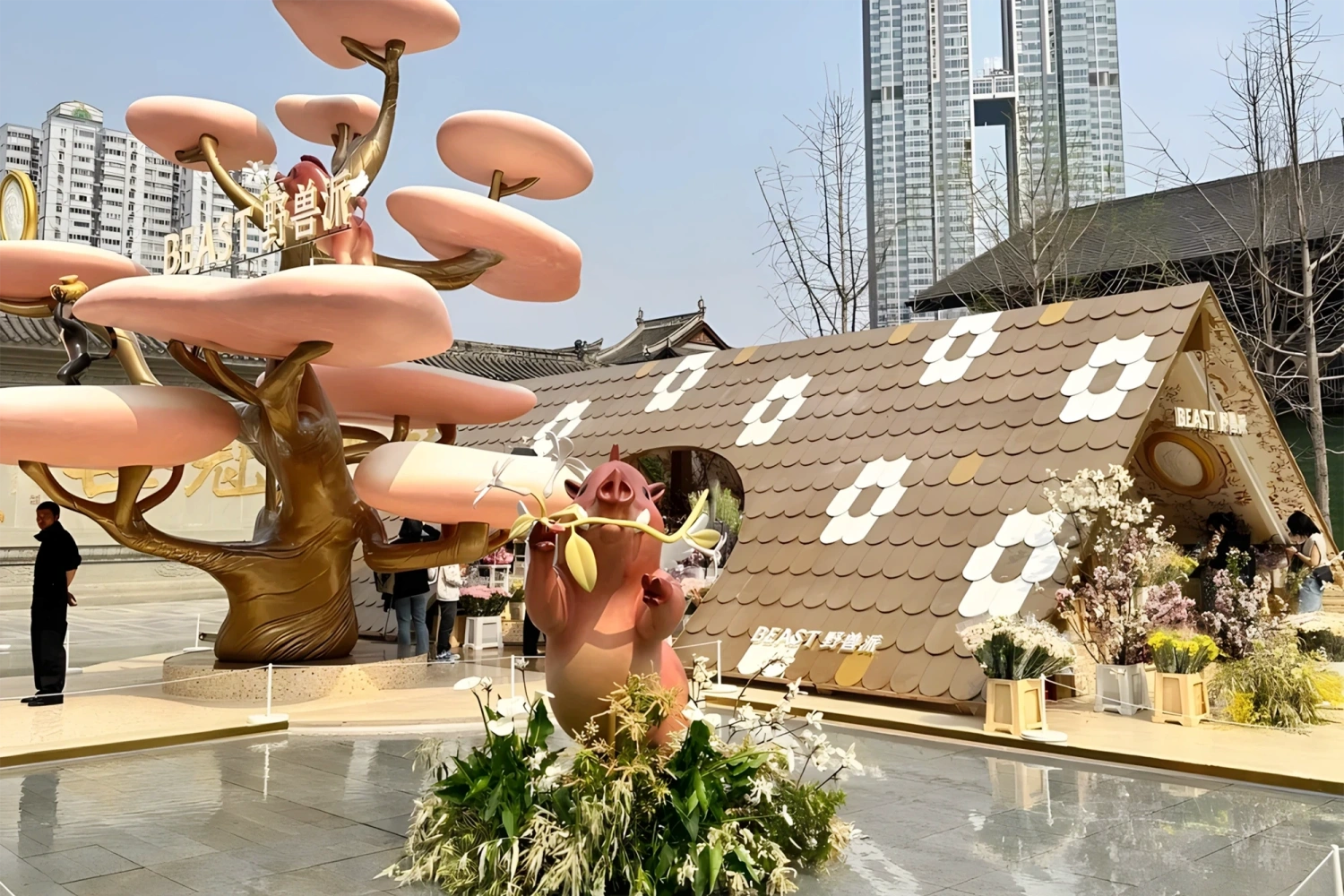
Case studies are among the most direct ways to validate a supplier’s credibility and experience. Buyers should review the supplier’s track record across four major project categories: custom commercial displays for shopping malls, Christmas and holiday-themed installations, public art installations, and pop-up store experiential installations. Pay particular attention to whether the supplier has experience working with major shopping centers or well-known brands. Industry associations such as the International Council of Shopping Centers (ICSC), which has long tracked trends in shopping center experiential design and foot traffic conversion, can also provide useful context for understanding developments in the shopping mall display industry.
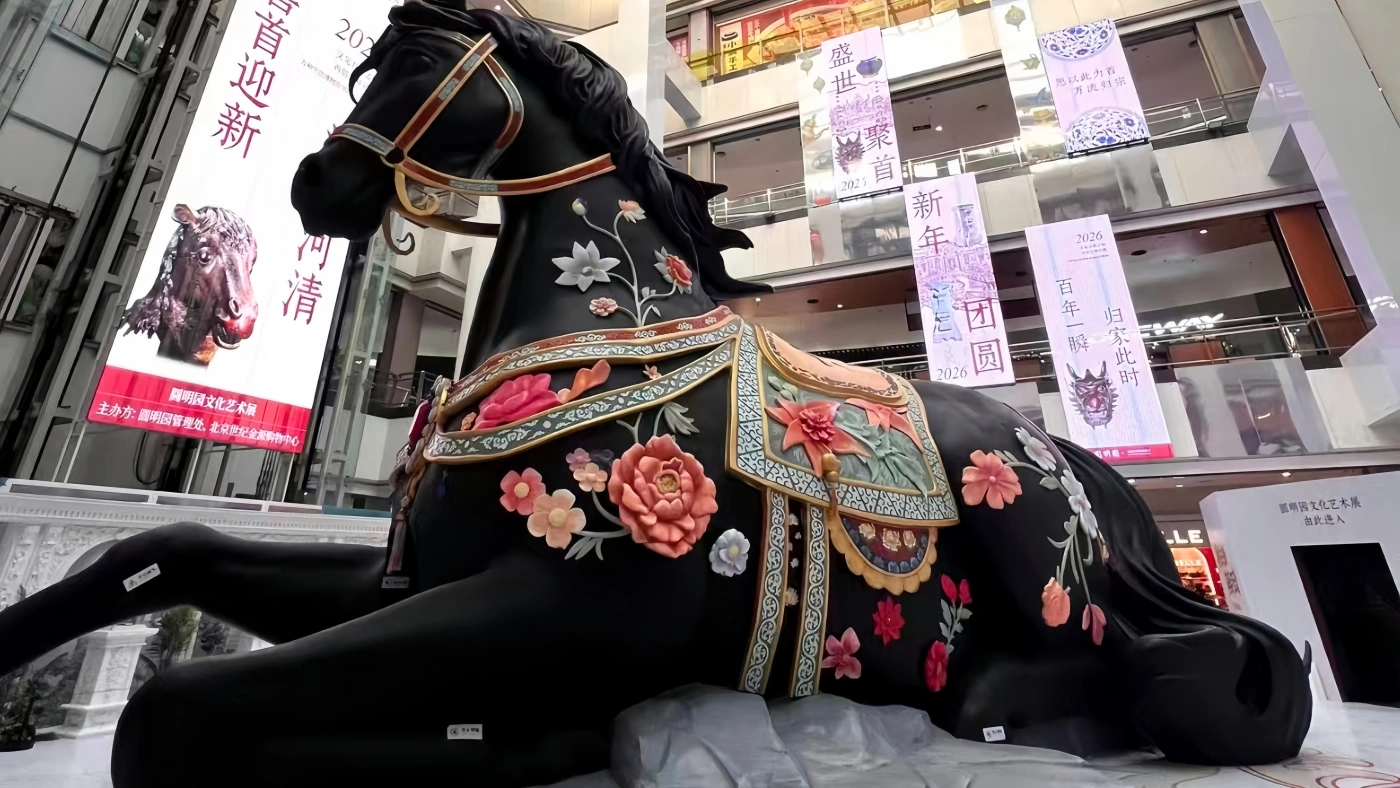
For brands and shopping centers serving overseas markets, it is crucial that suppliers have proven cross-border logistics experience, including customized shipping and packaging solutions, preparation of customs clearance documentation, and coordination of on-site installation teams at the destination. A mature large-scale custom commercial prop manufacturing facility will typically clarify the shipping method, estimated transit time, and whether installation engineers will be dispatched to the destination during the quotation stage.
Commercial space projects rarely involve off-the-shelf products; instead, they often require non-standard solutions such as irregular structures, asymmetrical forms, and removable modular designs. A supplier’s ability to accurately interpret creative concepts and translate them into practical production plans is a key indicator of the professionalism of its R&D and prototyping teams.
In addition to the quality of the finished products themselves, a factory’s overall quality management system is equally important. ISO 9001 is an internationally recognized quality management framework covering the entire production process—from raw material procurement and process control to final inspection before shipment. Custom commercial prop manufacturing facilities certified to this standard generally provide greater assurance of process consistency, standardized operations, and stable product quality.
Effective communication across time zones and languages directly affects project momentum and execution. A custom commercial prop manufacturing facility with extensive industry experience will typically assign dedicated project coordinators who maintain a clear communication cadence and keep stakeholders informed about design changes, production progress, and logistics status. This helps minimize misunderstandings and costly delays caused by information gaps.
During the actual supplier screening process, buyers should translate the 10 criteria above into specific verification steps: request third-party testing reports, review quality management system certificates, ask for comprehensive photos and videos of similar completed projects, and discuss the feasibility of structural designs directly with the factory’s technical team. A factory that genuinely has the capability to custom-manufacture large-scale commercial props will generally be willing to provide transparent access to its production facilities, material testing processes, and past project details, rather than relying solely on renderings and verbal assurances.
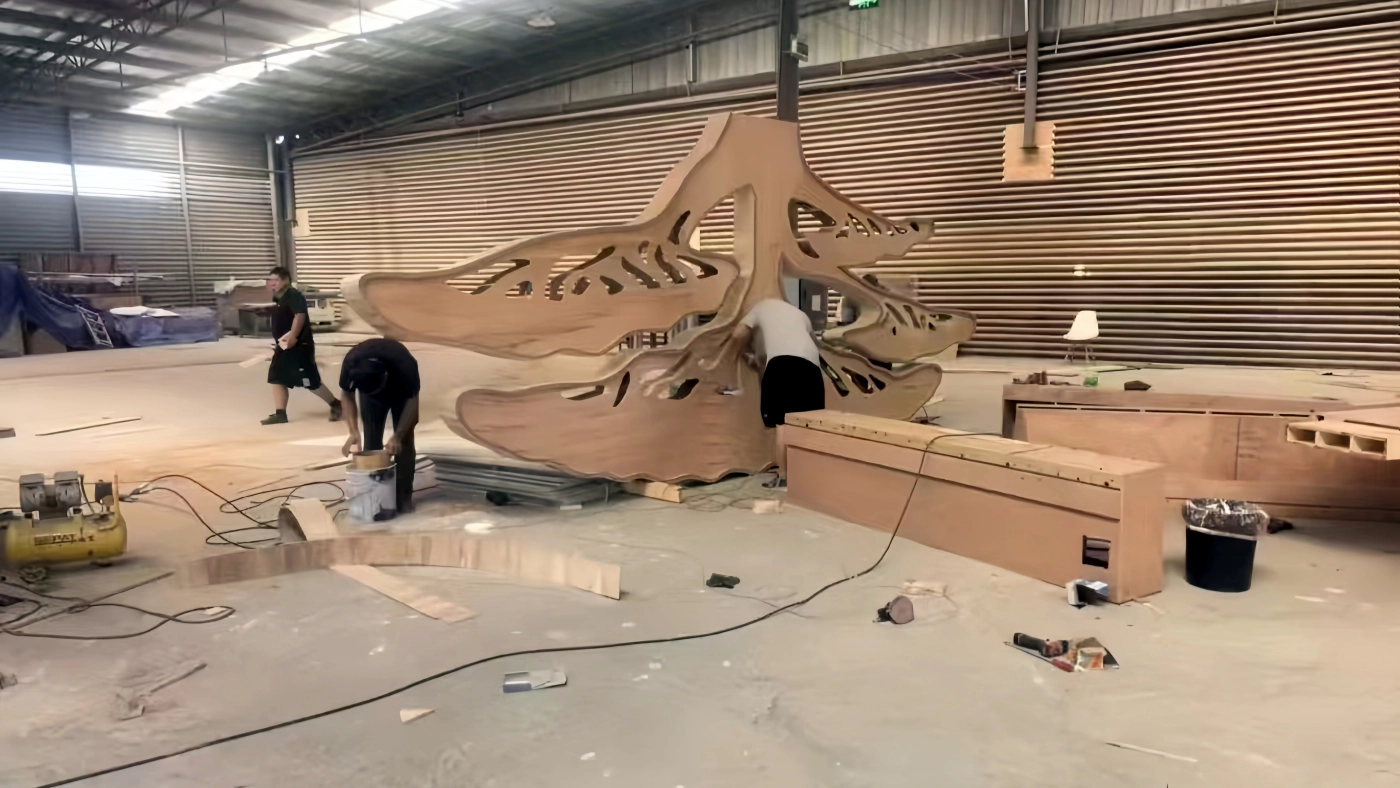
A comprehensive custom commercial prop manufacturing process typically includes concept design and structural review; material selection and prototype approval; CNC machining and mold fabrication; surface treatment and spray painting; fire-retardant and environmentally friendly material testing; final inspection and packaging; cross-border shipping and customs clearance; and on-site installation, acceptance, and handover. Each stage should be supported by standardized operating procedures. This is a key distinction between a mature manufacturing facility and a small, workshop-style supplier. Whether the project involves large-scale mall atrium installations, outdoor public art, or frequently refreshed holiday-themed displays, the greater the level of process standardization, the more predictable the project execution will be.
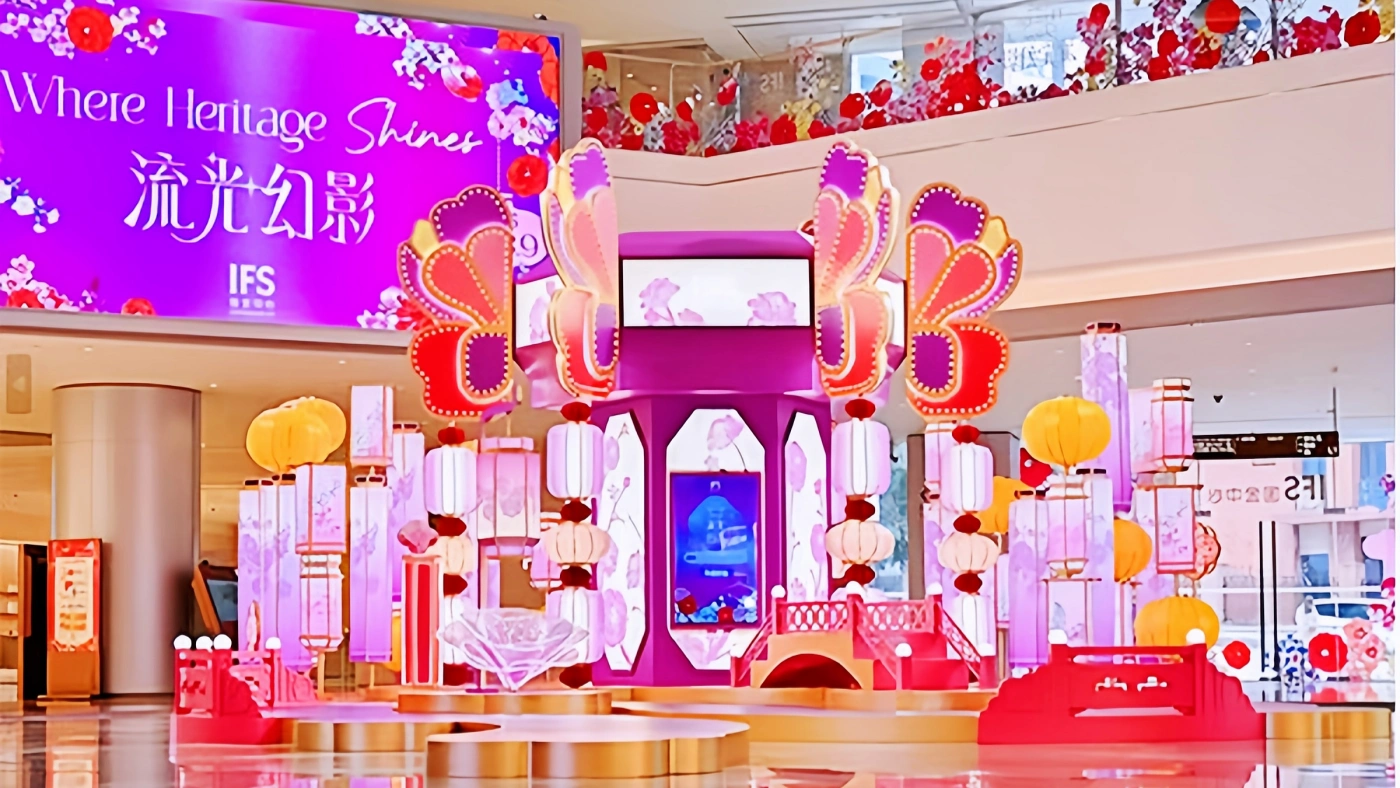
Depending on the installation’s size, structural complexity, materials, and production processes, the typical production lead time ranges from 4 to 12 weeks. Large shopping mall atrium installations and public art projects involving structural engineering reviews and multiple rounds of prototyping may require more time. It is recommended to begin project discussions 2 to 3 months in advance.
Suspended fabric and film materials generally need to meet local fire safety requirements for flame-retardant performance; some markets reference testing standards such as NFPA 701. Buyers should request relevant third-party material test reports early in the project to help avoid compliance issues during the acceptance phase.
Verify whether the supplier has a track record of working with overseas malls or brands, established export packaging solutions, and the ability to dispatch on-site installation engineers to coordinate with local construction teams.
Custom projects typically involve additional costs for structural design, prototype validation, and non-standard mold development. As a result, they are generally more expensive than standardized products, but they can more accurately realize the design concept and reinforce brand identity.
Pop-up store installations typically have a short service life and prioritize visual impact and fast assembly and disassembly, so lightweight materials are often preferred. Long-term mall installations, by contrast, place greater emphasis on structural durability, resistance to material aging, and long-term safety and compliance.
Request partial prototypes or scale models from the supplier and compare them with images of past projects and, where possible, actual delivered results. Pay close attention to consistency in color, material texture, proportions, and craftsmanship details.
Selecting the right custom commercial prop manufacturing facility is ultimately about maintaining control over a project’s final outcome, delivery schedule, and safety and compliance risks. By evaluating suppliers across multiple dimensions—including materials and craftsmanship, production scale, safety certifications, project experience, and cross-border service capabilities—buyers can more confidently determine whether a supplier has the genuine capacity to execute large-scale commercial space projects. This provides a solid foundation for the successful delivery of brand activations, holiday displays, and public-space experiences.
July 27, 2026
July 27, 2026
July 27, 2026
July 27, 2026
July 27, 2026
July 27, 2026
July 27, 2026
July 26, 2026
July 26, 2026
July 26, 2026
July 26, 2026
July 26, 2026
July 26, 2026
July 26, 2026
July 26, 2026

July 26, 2026

July 26, 2026
July 25, 2026

July 25, 2026
July 25, 2026