September 28, 2026 Ixmore Art
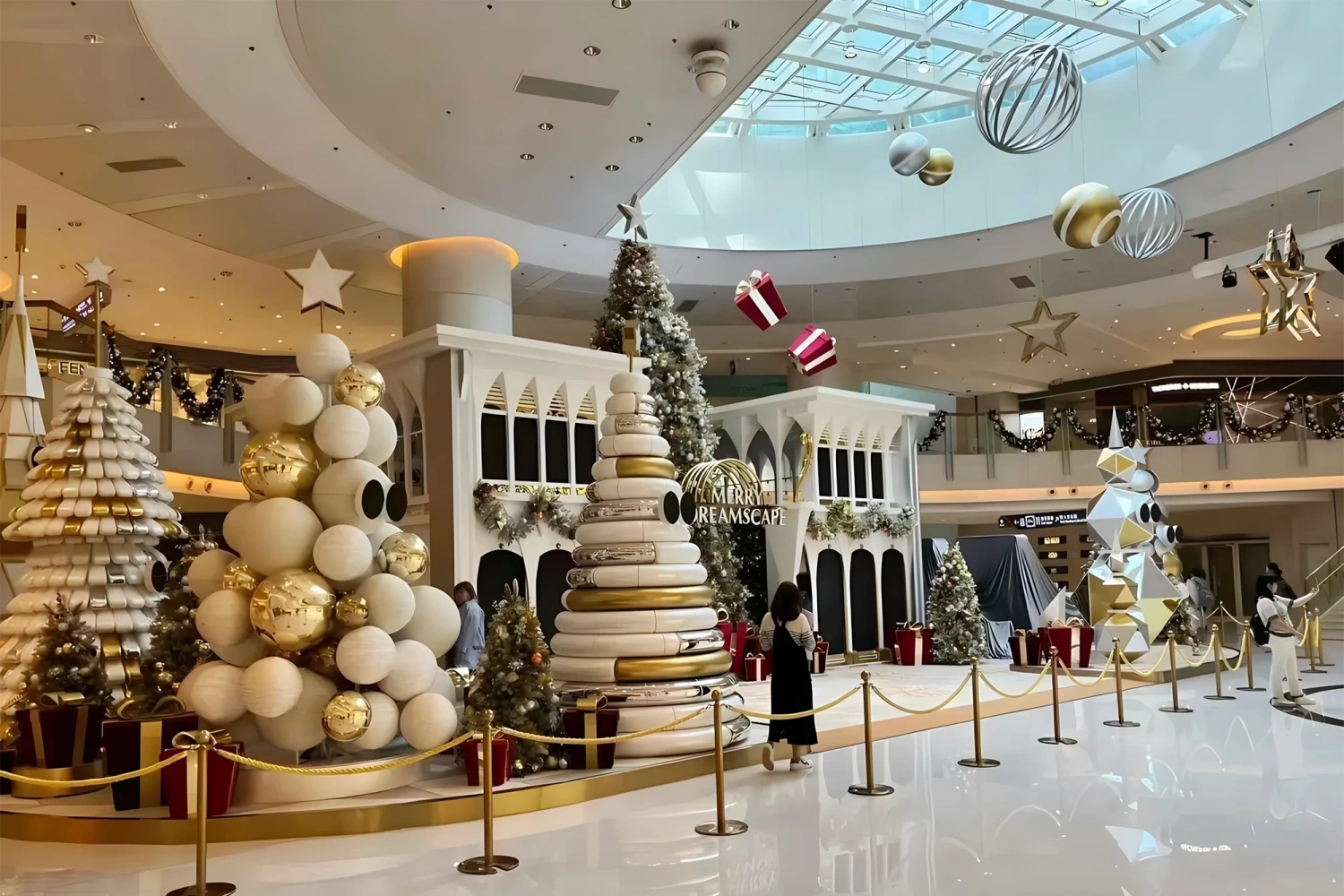
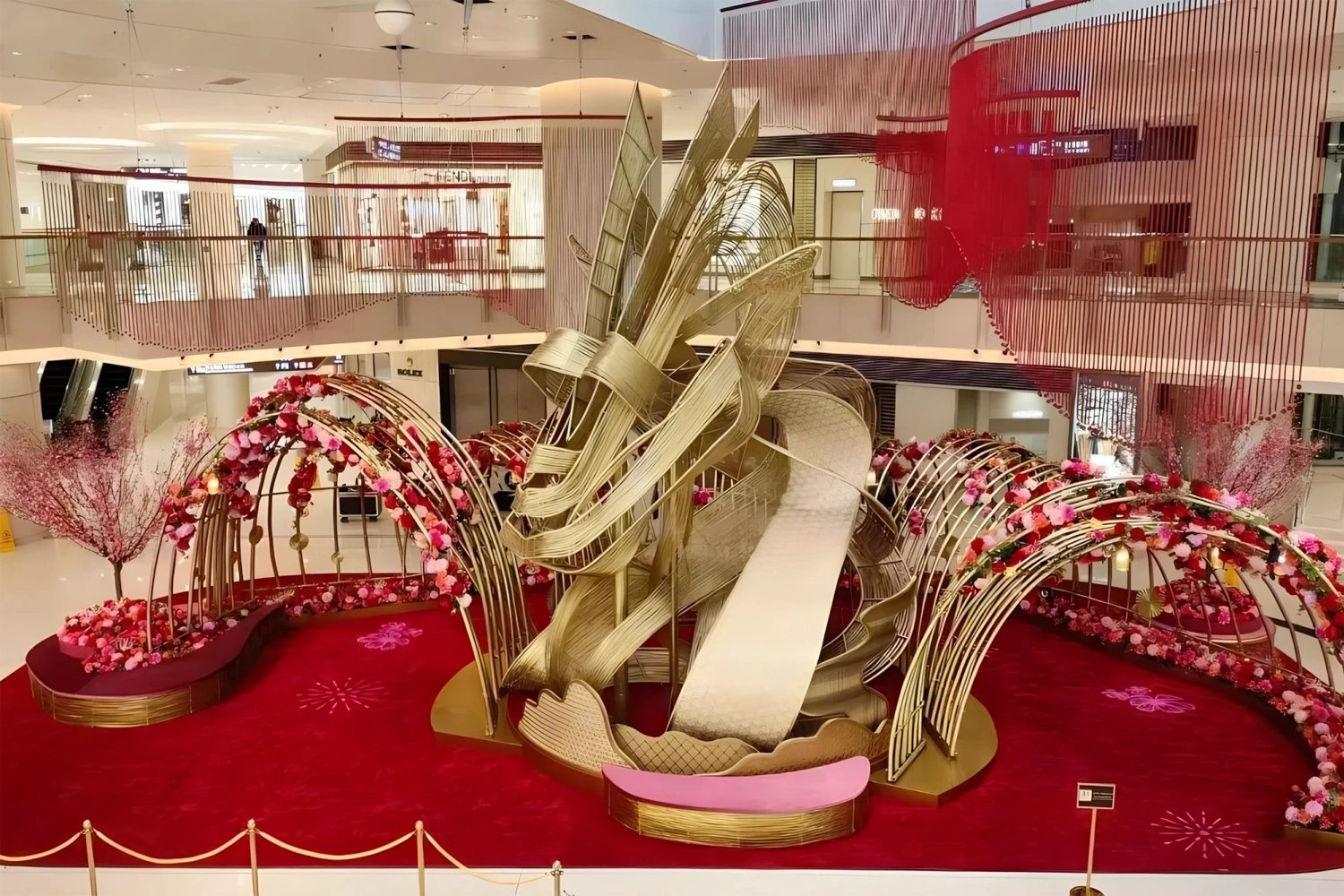
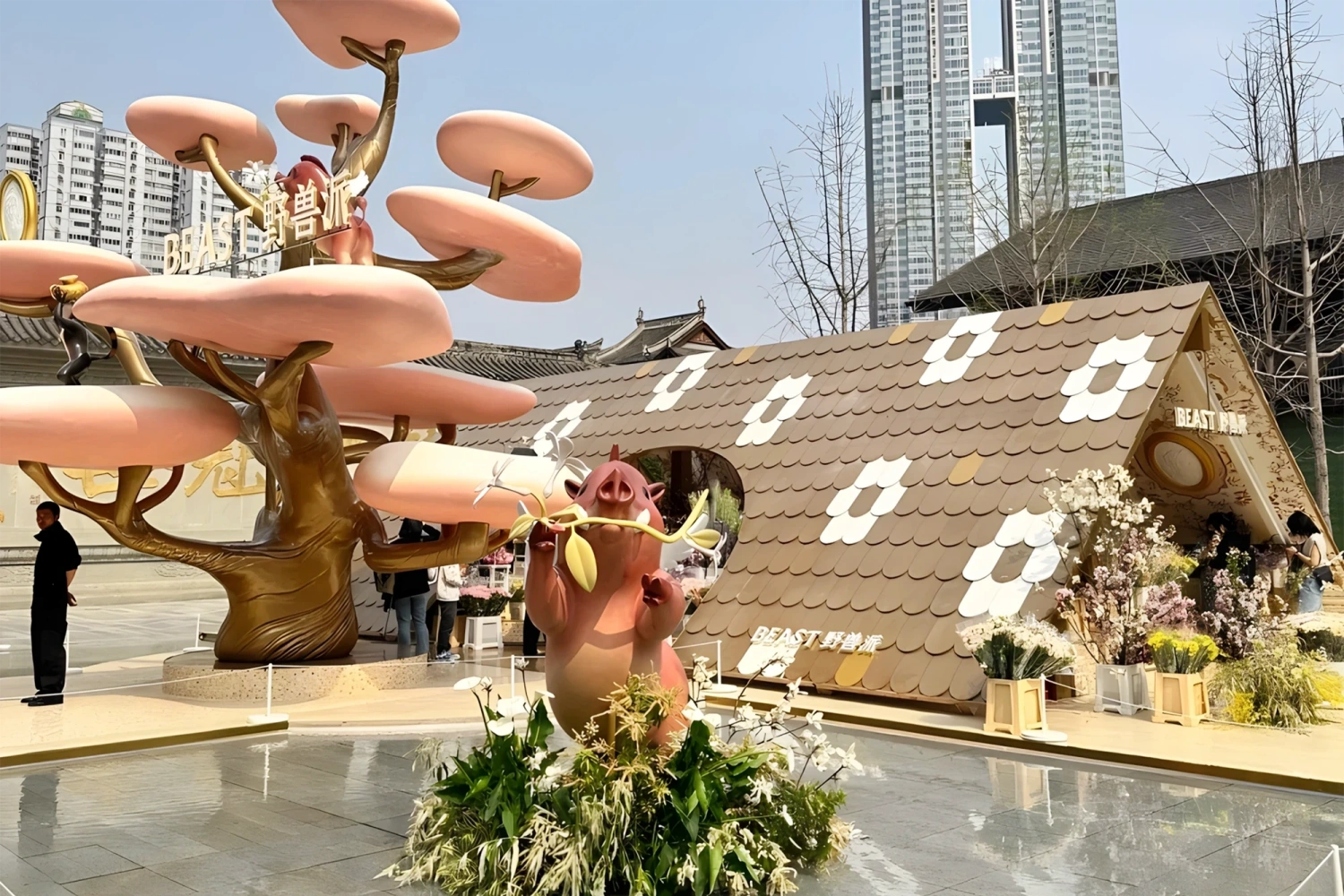
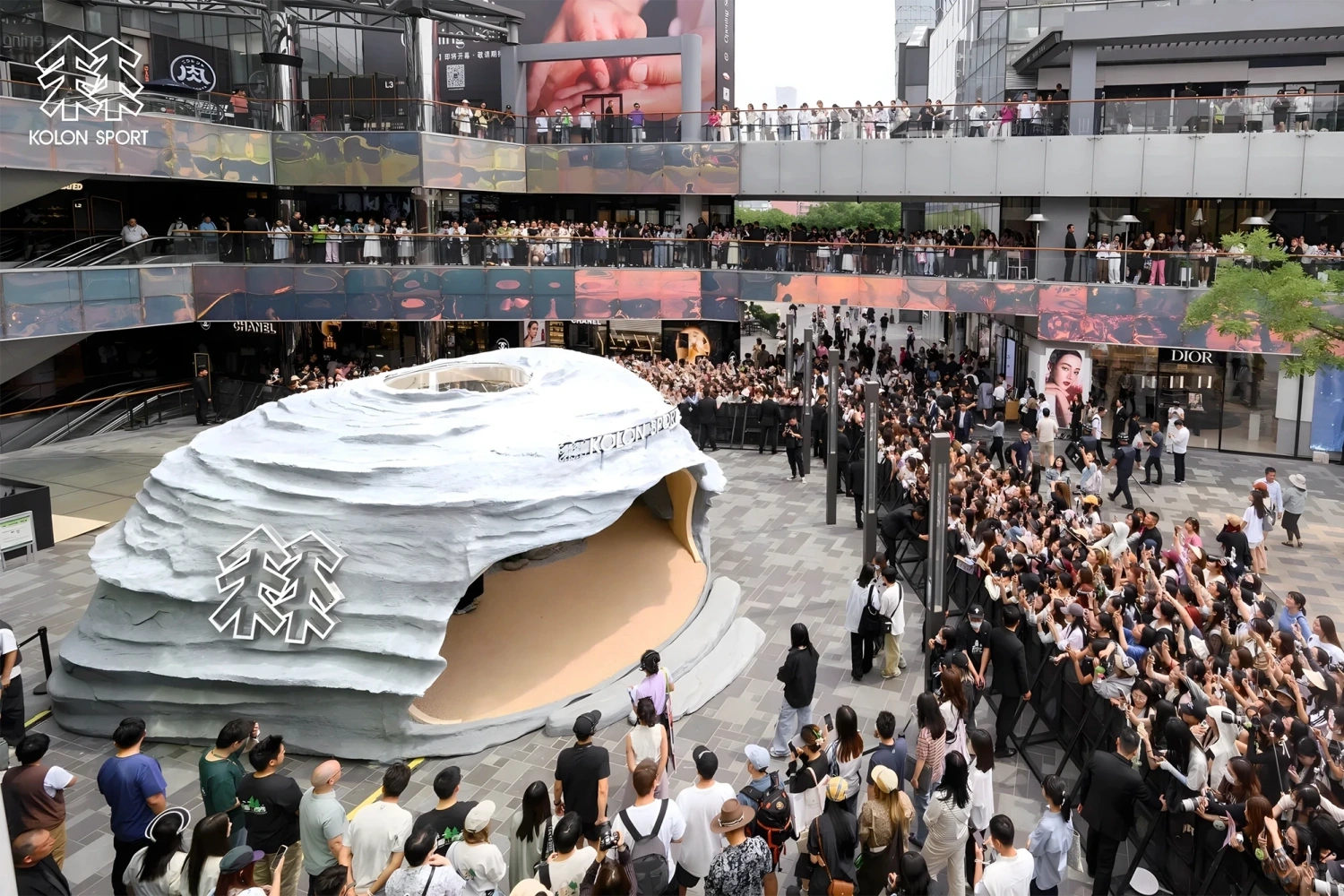
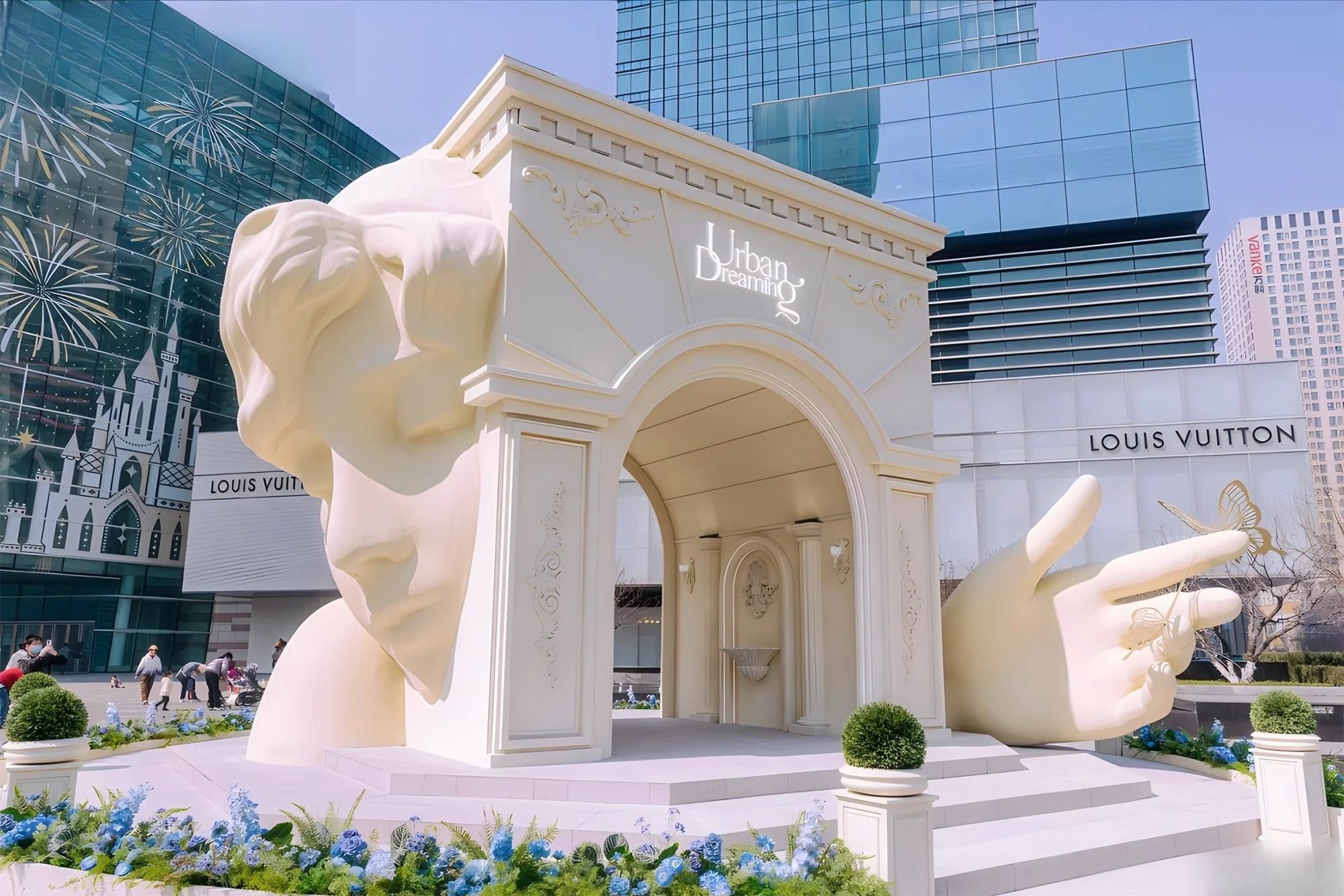
How can an 8-meter-tall installation designed for a shopping mall atrium be transported to the site and erected safely? In many cases, the answer lies not simply in transportation, but in how the installation is designed for disassembly. Professional installation manufacturers rarely produce oversized installations as one solid, monolithic structure. Instead, the project is completed through a coordinated process involving structural breakdown, segmented mold fabrication, sectional forming, and precise on-site assembly—in other words, breaking the whole into manageable parts and then reassembling them into a complete installation. This approach is essential for ensuring that shopping mall atrium installations, holiday displays, and public art installations are delivered on schedule while remaining stable, safe, and functional over the long term.
This article provides a comprehensive overview of the manufacturing logic behind oversized installations, covering everything from design segmentation and mold fabrication to sectional molding and on-site assembly. It is intended to help buyers, designers, and event planning teams understand how installations measuring several meters—or even tens of meters—in height can be manufactured, transported, and assembled by a custom fabrication facility.
The first challenge in producing an oversized installation is often not the design itself, but the physical limitations of transportation and the installation site. Shipping containers, truck cargo compartments, mall loading docks, elevator shafts, and escalator passages are frequently smaller than the final dimensions of the installation. Without a suitable disassembly strategy, transporting an installation more than 6 meters high to the site in one piece is often impractical, if not impossible.
For this reason, projects of this scale are generally not suitable for ordinary woodworking shops or temporary construction teams. They require a dedicated installation fabrication facility with structural engineering expertise, mold-making capabilities, and sufficient production capacity to manage the process from start to finish. Based on our experience providing fabrication services for shopping malls, real estate developers, festival organizers, and public art projects, nearly every installation exceeding 3 meters in height requires the design team to consider sectional breakdown, material load-bearing capacity, and on-site connection points from the outset. These are not issues to be resolved after production begins; they are engineering decisions that must be addressed at the drawing and design stage.
Disassembly is not a matter of cutting an installation into arbitrary pieces. It must be guided by three fundamental considerations: structural integrity, transportation limitations, and ease of on-site assembly. In most cases, the engineering team establishes segmentation lines along natural structural transitions, such as the connection between the base and the main body or the boundary between concave and convex sections. Each individual section must retain adequate structural strength, while the overall load-bearing path must remain intact after segmentation.
For oversized installations, the total number of sections may range from four to several dozen, depending on the complexity of the design, transportation requirements, and the lifting equipment available at the installation site.
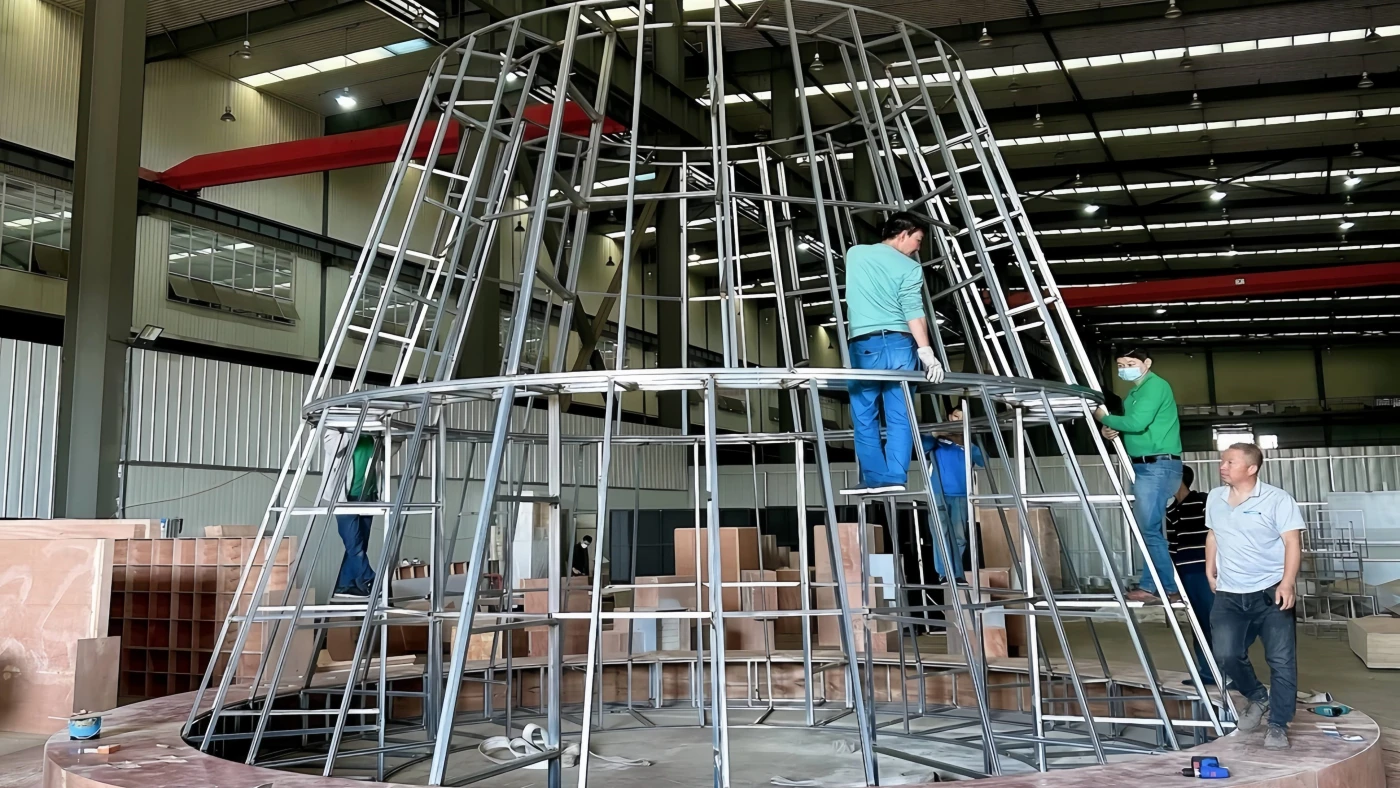
When finalizing the disassembly plan, factory engineers also evaluate the suitability of the proposed materials and manufacturing processes. Lightweight indoor installations may be produced using CNC-carved EPS foam with a fiberglass-reinforced plastic (FRP) skin. Installations intended for long-term outdoor use and exposed to wind loads, on the other hand, commonly require a steel structural framework combined with FRP or GRC components.
This stage is critical, although it is often overlooked. Material selection and process planning directly influence the installation’s structural performance, service life, maintenance requirements, and overall safety.
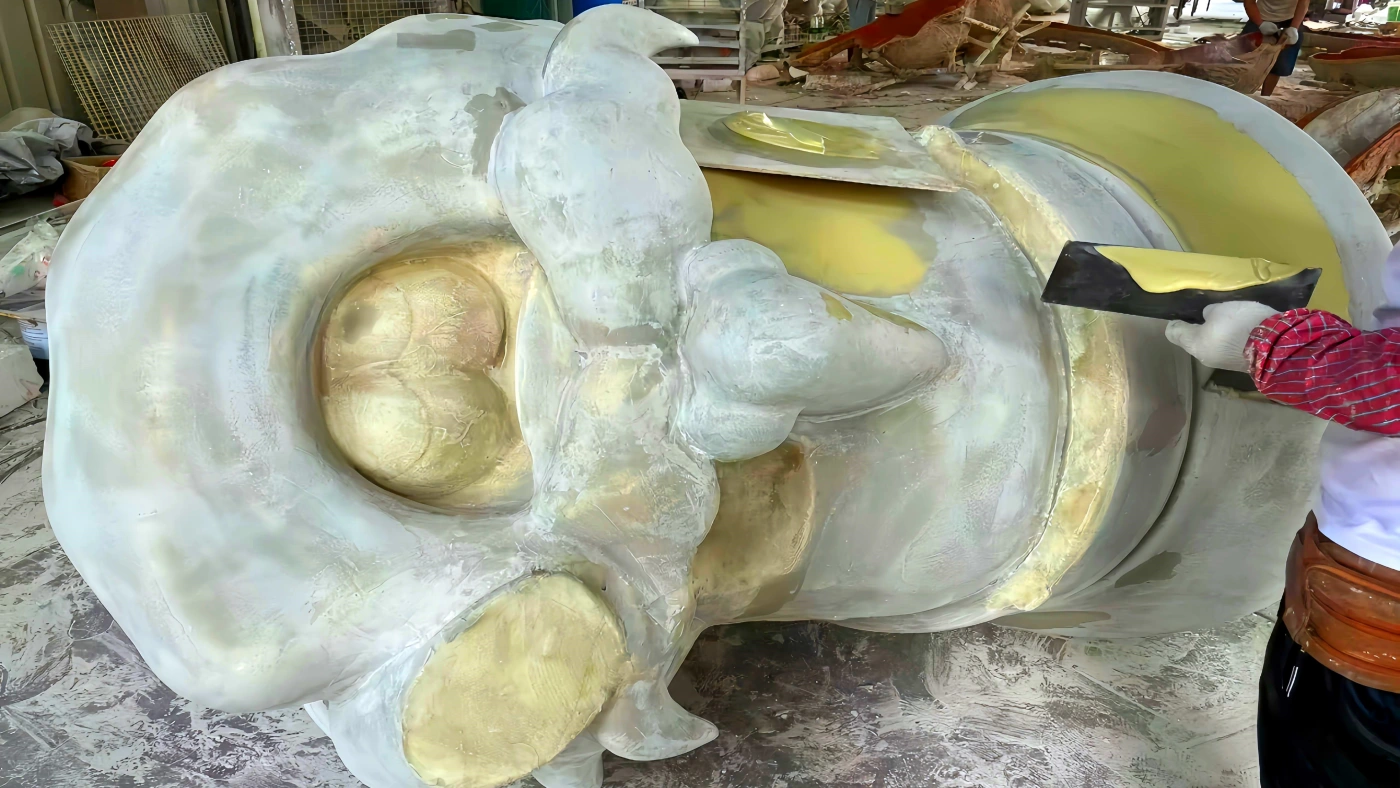
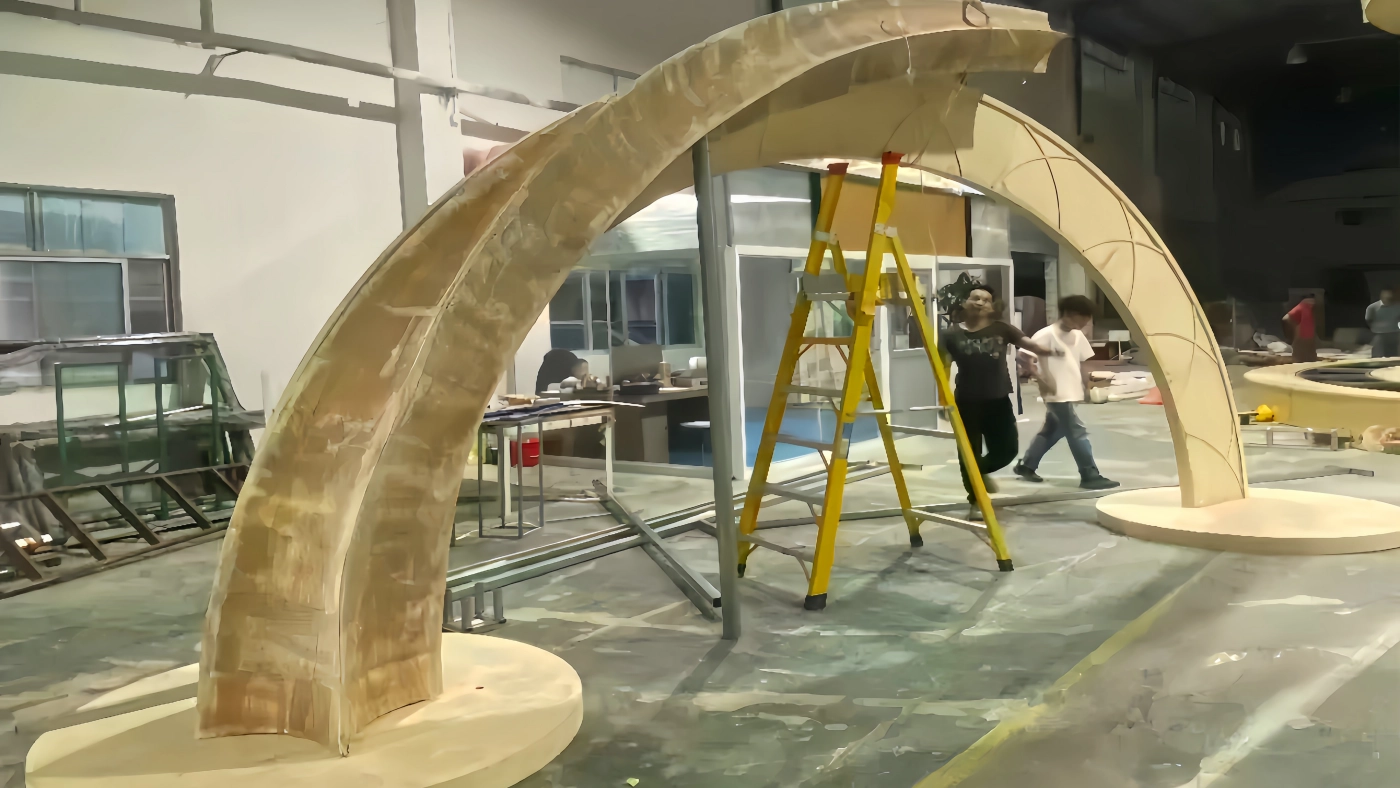
For designs that require repeated production or a high level of surface accuracy, the factory generally begins by creating a prototype, also known as a plug, through CNC carving or manual sculpting. This prototype is then used as the basis for producing the master mold.
Common master mold materials include plaster, modeling clay, and wooden structures. The most suitable option depends on the complexity of the design, the required surface finish, and the expected number of subsequent mold uses.
Silicone molds are widely used for installations featuring intricate surface details, including stone-like finishes, sculptural textures, and other complex patterns. Because silicone is flexible, it can reproduce fine details with a high degree of accuracy while allowing the finished component to be removed from the mold more easily.
Depending on the mold design, material quality, and production conditions, a single silicone mold may support more than ten or even twenty casting cycles. The use of layered lamination and controlled curing helps manage internal stress and minimize shrinkage or deformation. These techniques have an established technical basis in industrial mold production and highlight the importance of consistent process control throughout the mold-making stage.
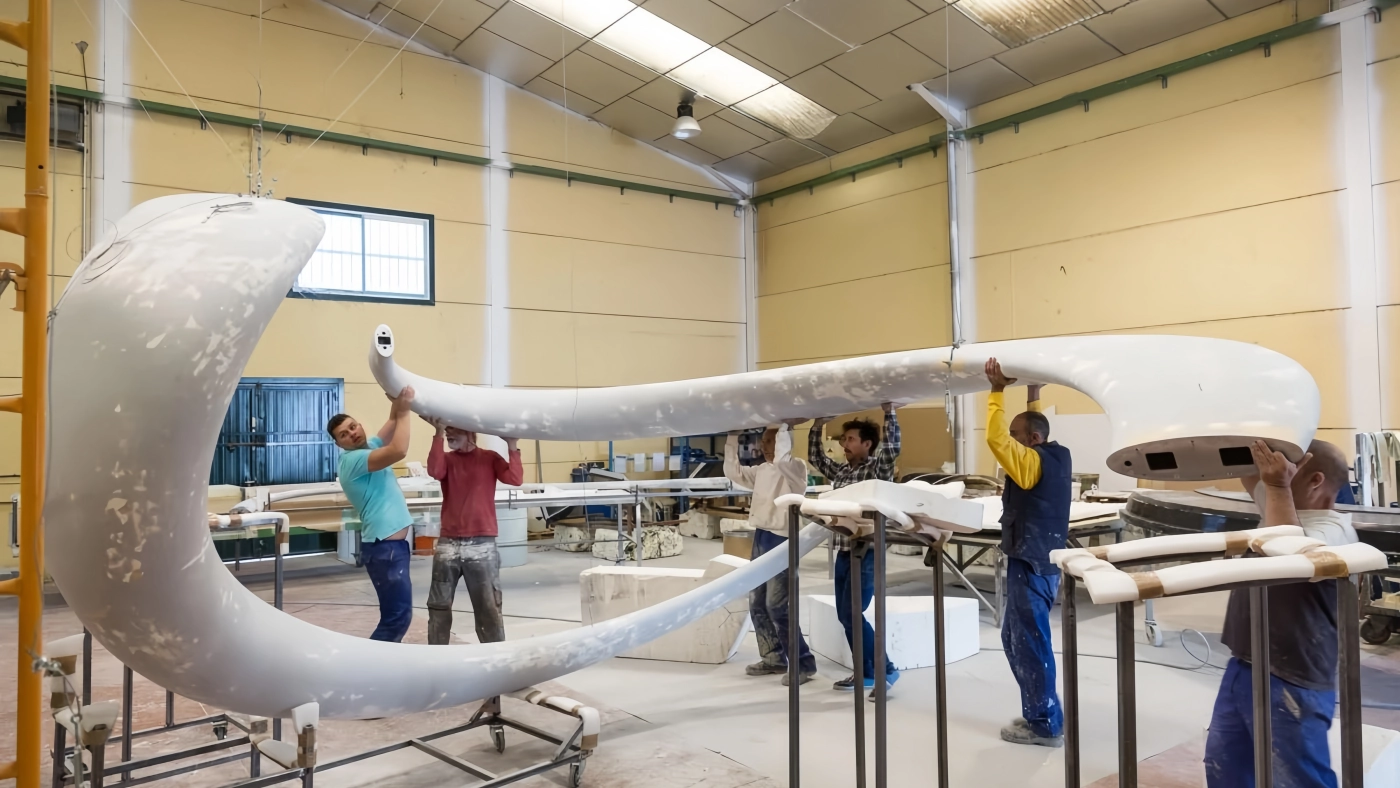
FRP, or fiber-reinforced plastic, is one of the most widely used materials for large-scale installations. It is produced by layering resin and glass fiber and then allowing the composite to cure. The resulting material is lightweight, weather-resistant, and highly adaptable to complex curved surfaces, making it particularly suitable for installation shells and sculptural forms.
Each section is molded separately inside its designated mold. Once the material has fully cured, the section is removed from the mold and proceeds to trimming, edge preparation, reinforcement, and assembly preparation.
For components that are large in volume but do not require a high level of surface strength—such as internal fillers, lightweight structural forms, or early-stage prototypes—the combination of EPS or XPS foam and CNC carving can provide an efficient manufacturing solution.
After carving, foam components commonly require fire-retardant treatment and surface hardening to satisfy the fire-safety and durability requirements of commercial environments. The specific treatment should be selected according to the installation’s location, intended service life, and applicable project requirements.
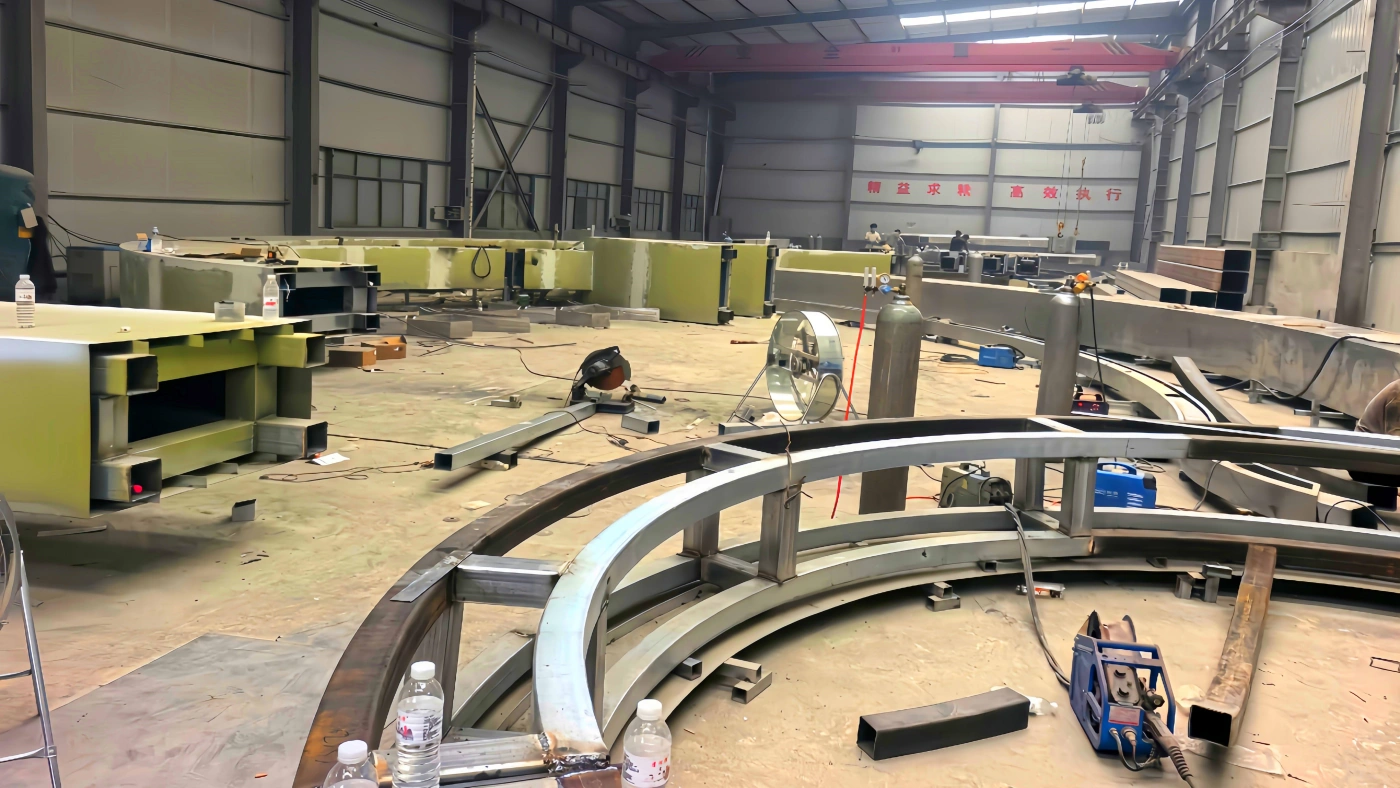
Regardless of the material used for the outer shell, the interior of most large-scale installations relies on a steel frame as the primary load-bearing system. At the factory, the frame is welded in sections, while flanges, bolt holes, or other connection systems are integrated at predetermined locations.
This preparation allows the installation to be assembled efficiently and accurately after it reaches the site. It also reduces the need for on-site drilling, cutting, or corrective welding, helping to improve both installation efficiency and structural consistency.
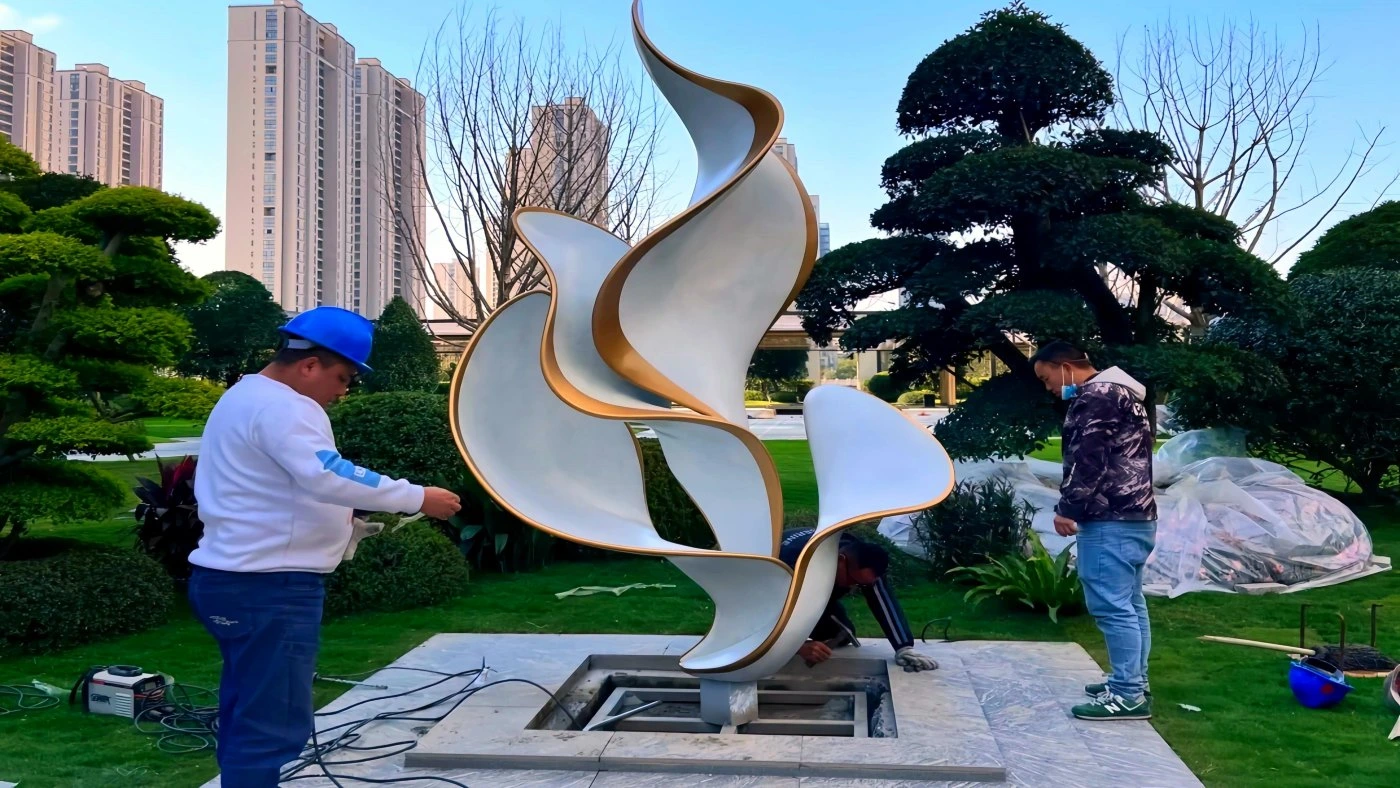
Once sectional fabrication is complete, each component undergoes a surface preparation and finishing process that may include sanding, puttying, priming, and topcoating. For commercial installations and public art pieces intended for long-term outdoor use, the coating system has a direct impact on service life and appearance.
For steel structures in particular, the required level of corrosion protection should be determined according to local environmental conditions, including humidity, salt exposure, and ultraviolet radiation. ISO 12944 is an internationally referenced standard for corrosion protection through protective paint systems. It provides a framework based on environmental corrosion categories and coating-system durability, covering exposure conditions such as atmospheric environments as well as submerged and buried applications. This framework can serve as a technical reference when developing coating specifications for outdoor installations.
Before leaving the factory, every section is numbered according to the planned assembly sequence and packaged individually using customized protective materials, such as wooden crates, foam liners, and corner protectors. This helps reduce the risk of impact damage, deformation, and surface abrasion during transportation.
The factory also provides installation drawings that identify each section’s number, orientation, and connection points. Clear documentation helps the installation team position each component correctly and reduces the risk of alignment errors during assembly.
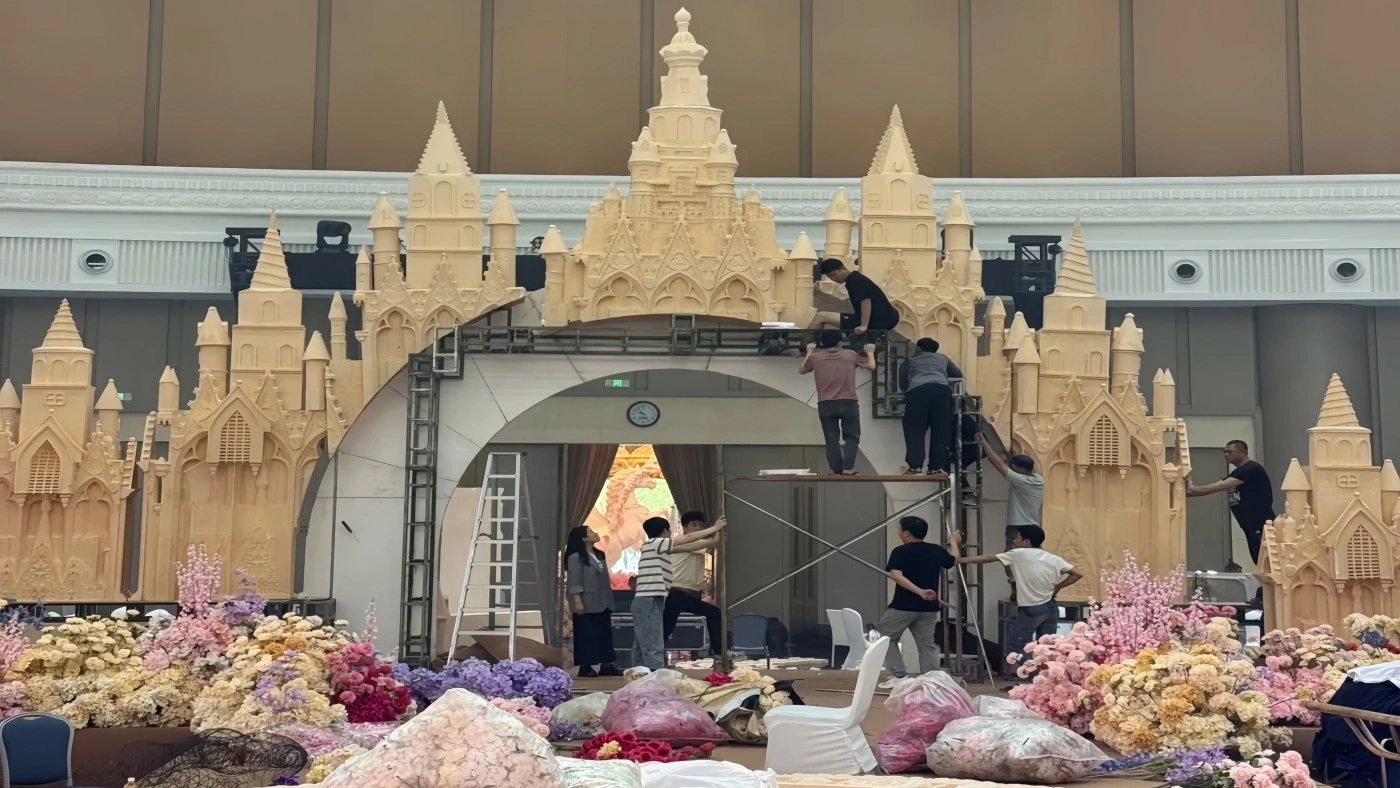
During on-site assembly, the sections are connected using pre-installed bolts, flanges, or other mechanical joint systems, including mortise-and-tenon connections where appropriate. Once the structural assembly is complete, the joint areas are finished and color-matched using materials compatible with the main body of the installation.
The goal is to ensure that the finished installation presents a cohesive appearance without obvious section boundaries. Joint quality is also an important indicator of a custom manufacturer’s technical capabilities. The visibility of the joints reflects not only the quality of the finishing work, but also the accuracy of the molds and the effectiveness of the original segmentation plan.
Large-scale installations that are suspended, elevated, or designed for public interaction generally require load-bearing tests and structural stability inspections after on-site installation. ANSI/ESTA standards relating to temporary structures and lifting safety provide technical references for the design and installation of event structures, temporary systems, and lifting operations.
Such standards are intended to support structural reliability and safe operation in temporary event environments. They may also serve as useful references when establishing installation and acceptance procedures for large-scale commercial displays. In high-traffic public spaces, structural safety must remain the primary consideration throughout design, fabrication, assembly, and acceptance.
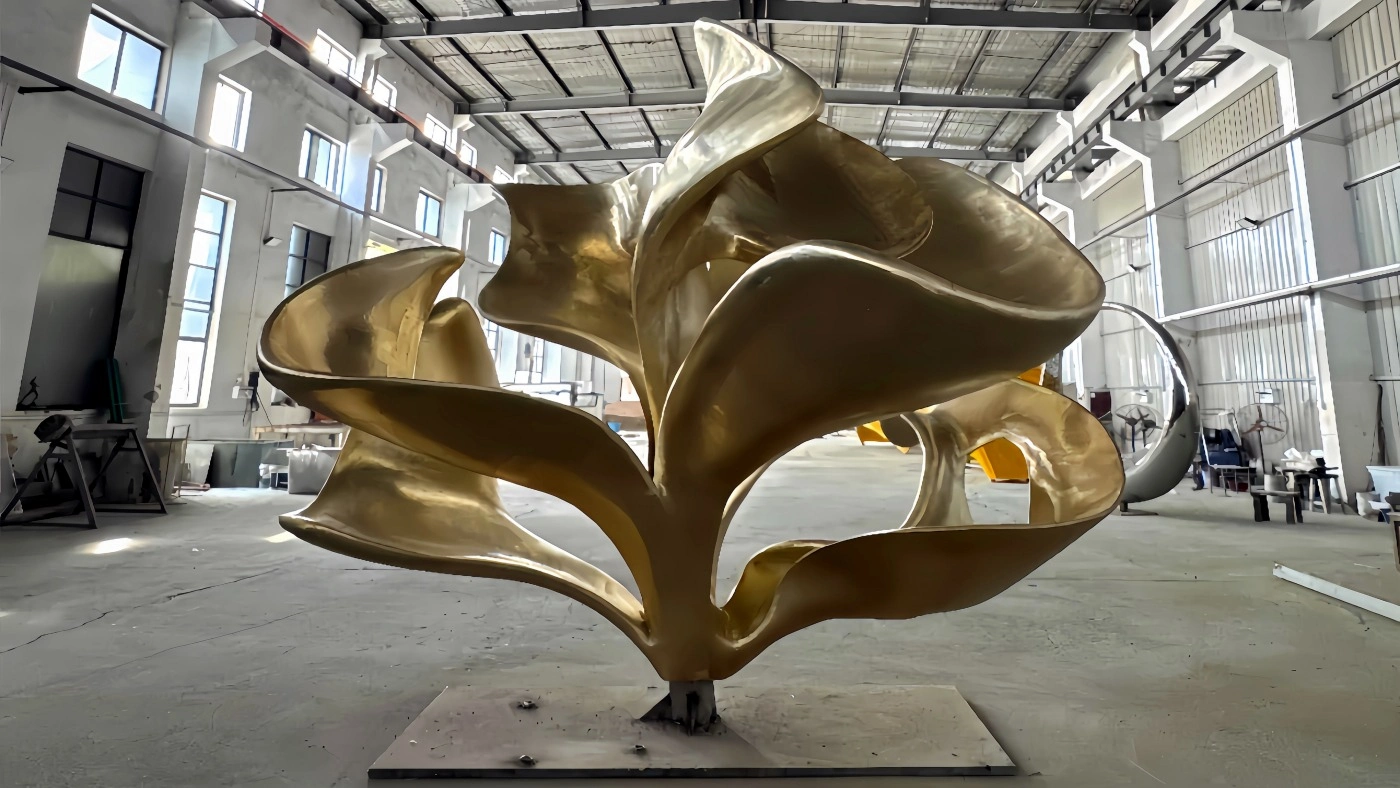
As the process above demonstrates, manufacturing oversized installations is a coordinated, multi-stage undertaking that involves structural engineering, mold development, material processing, coating systems, transportation planning, and on-site installation.
When selecting a manufacturing partner, buyers should consider whether the company has substantial experience in producing custom commercial props and installations for shopping malls; whether it operates its own factory and maintains in-house mold development capabilities rather than relying primarily on subcontractors; whether it can provide structural calculations and installation acceptance plans; and whether its previous work includes projects of comparable scale, complexity, and material composition.
A manufacturer’s capabilities and breadth of experience can also be evaluated by reviewing project case studies across different applications, including custom Christmas props and installations, public art projects, commercial displays, and pop-up store environments.
Depending on the installation’s size, design complexity, material selection, and number of sections, the production cycle generally ranges from 4 to 10 weeks. Mold development and sectional molding often account for a significant portion of the schedule. For this reason, sufficient time should be allocated for design confirmation and technical approval to reduce the risk of delays during on-site installation.
The number of sections is primarily determined by transportation restrictions, structural load distribution, and on-site installation conditions. More sections are not automatically better. Excessive segmentation can increase the number of joints, complicate finishing work, and raise on-site labor requirements. The engineering team should identify a practical balance between transportability, structural performance, manufacturing efficiency, and installation convenience during the design stage.
The two materials are often used together rather than treated as mutually exclusive options. FRP is generally suitable for outer shells that require higher surface strength, durability, and weather resistance, particularly in long-term applications. Foam carving is often more appropriate for large, complex-shaped fillers, lightweight forms, prototypes, or short-term exhibition projects where structural strength requirements are comparatively limited.
The installation period depends on the number of sections, the complexity of the structure, the availability of lifting equipment, and the conditions at the site. In general, a small shopping mall installation may be completed within one to two days, while a large public art installation or multi-level structure may require three to five days or longer.
The installation is divided into manageable sections during the preliminary structural design stage so that each component can fit within the relevant truck trailer or shipping container limitations. Combined with a customized packaging strategy, this approach allows the sections to pass through loading docks, elevators, corridors, and other access routes before reaching the final installation location.
Long-term weather resistance depends on the coating system, surface preparation, and application methods. Key considerations include the corrosion-protection performance of the primer, the ultraviolet resistance of the topcoat, and the sealing treatment applied to sectional joints.
For outdoor installations designed for extended service, the coating specification should be developed with reference to recognized corrosion-protection standards and the actual environmental conditions at the project site.
Moving an oversized installation from the drawing board to the completed site installation is never dependent on a single manufacturing step. It requires close coordination across the entire process, including disassembly planning, mold fabrication, sectional forming, surface finishing, transportation, and on-site assembly.
This is why the experience and process-control capabilities of an installation manufacturing facility are often more important than simply choosing a team that promises a lower price or a shorter production schedule. Careful planning and consistent execution at every stage ultimately determine the installation’s structural stability, visual quality, and long-term performance once it is installed in its final environment.
July 27, 2026
July 27, 2026
July 27, 2026
July 27, 2026
July 27, 2026

July 27, 2026
July 27, 2026
July 26, 2026
July 26, 2026
July 26, 2026
July 26, 2026
July 26, 2026
July 26, 2026
July 26, 2026
July 26, 2026

July 26, 2026

July 26, 2026
July 25, 2026

July 25, 2026

July 25, 2026