November 4, 2026 Ixmore Art
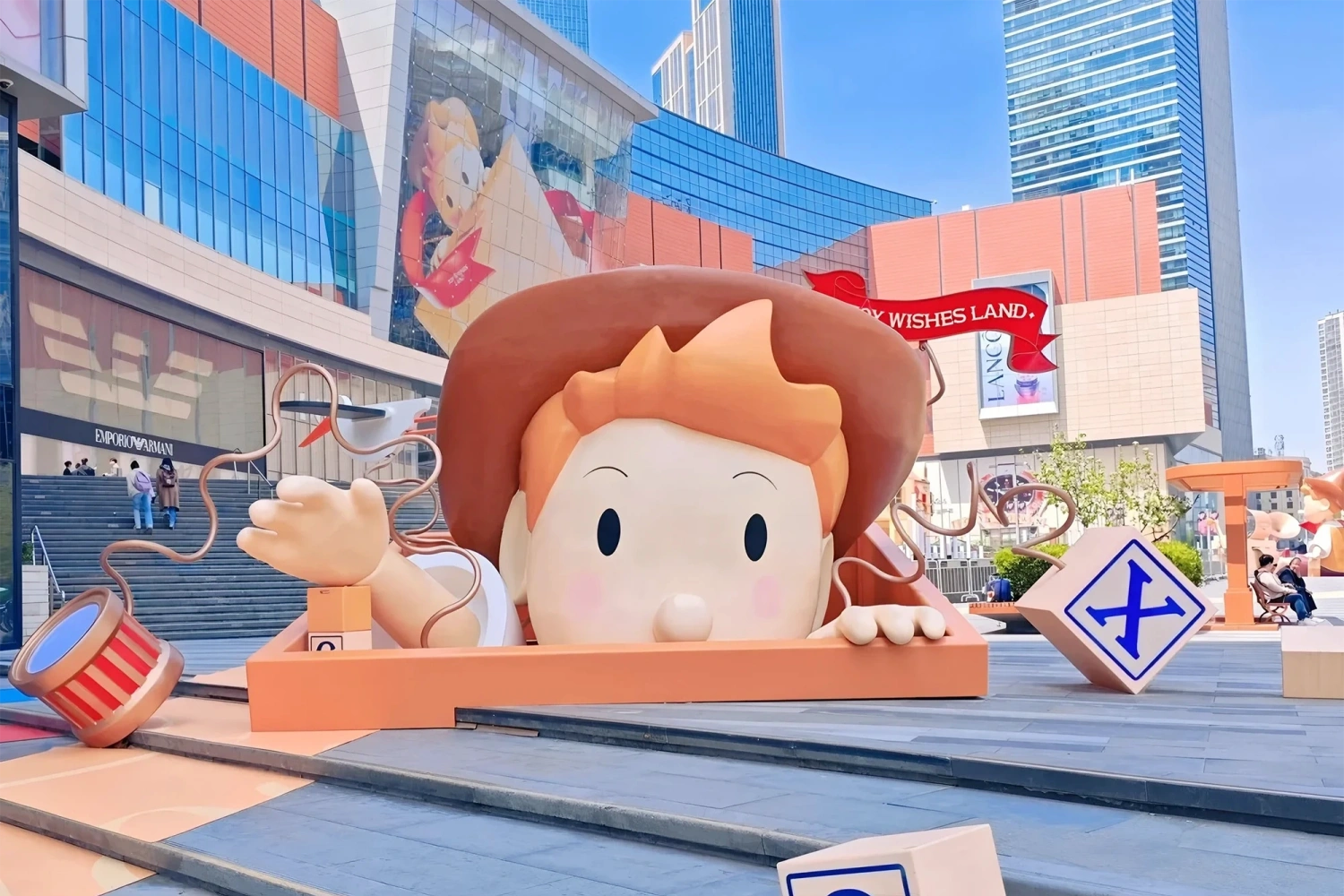
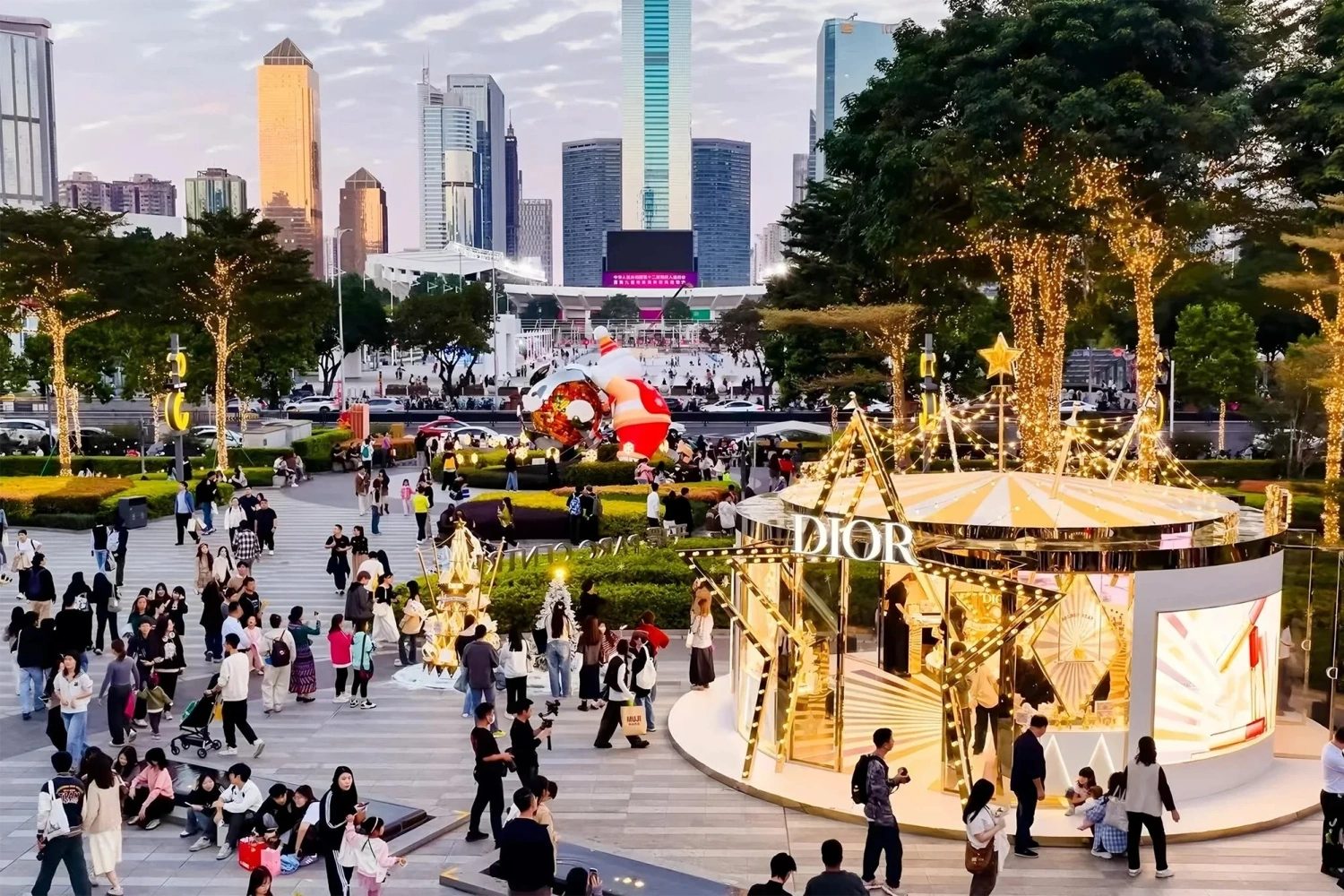
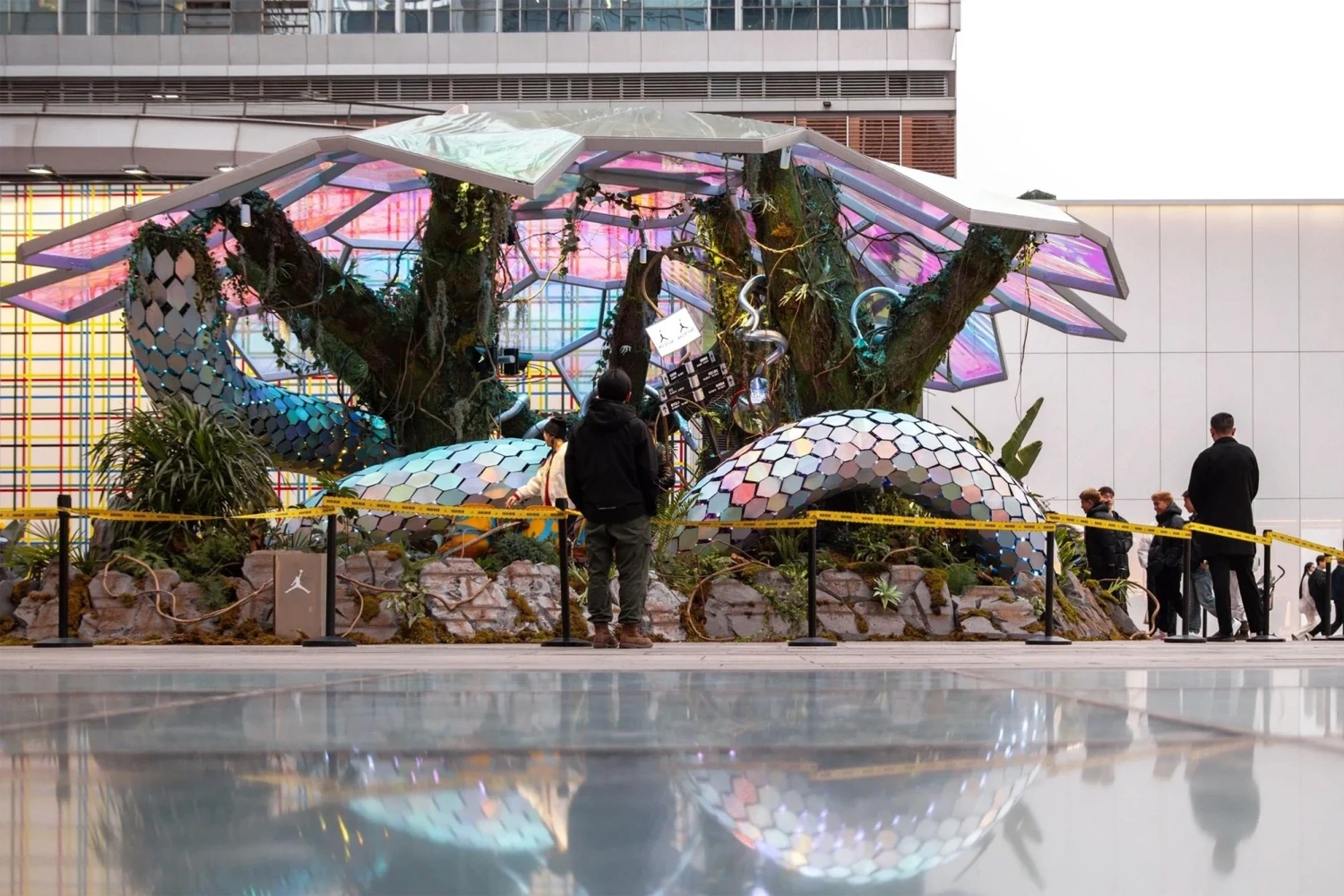
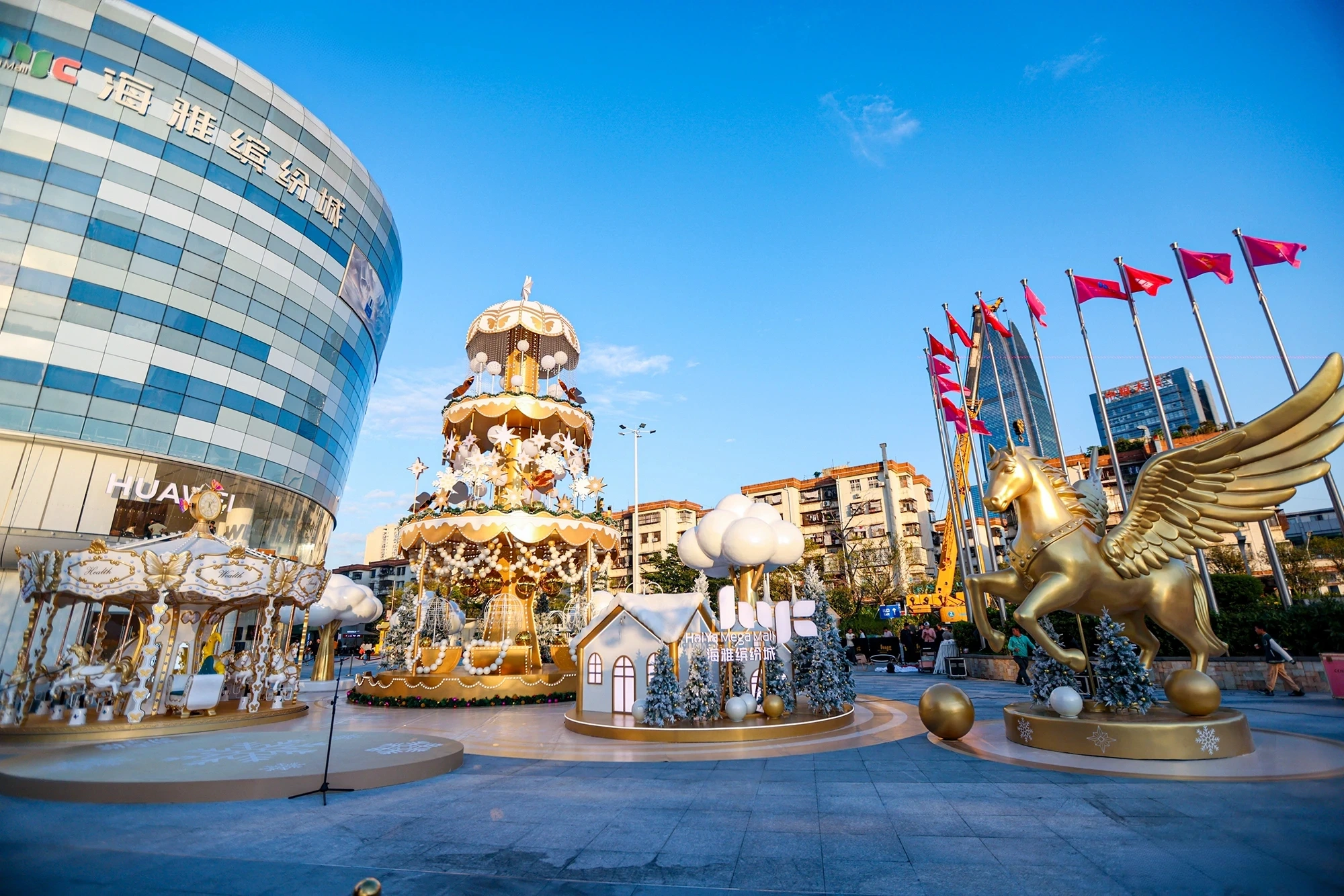
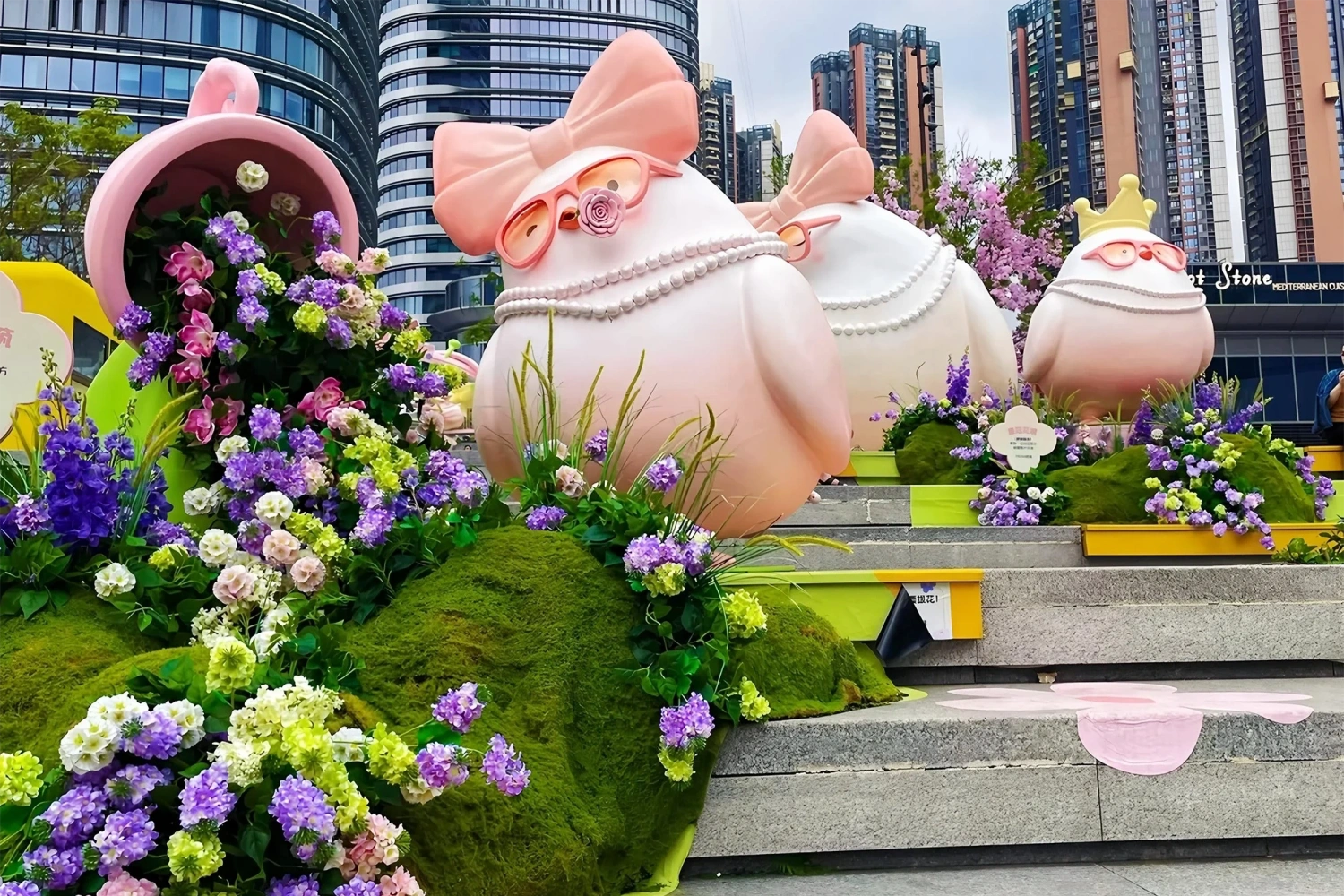
In an increasingly crowded marketplace where consumers have shorter attention spans, how can brands capture people’s attention, encourage them to take out their phones, and inspire them to share their experiences organically? One effective approach is to create a well-designed physical installation. Whether it is in a shopping mall atrium, a brand pop-up store, or a holiday-themed exhibition space, Custom prop making are becoming an increasingly important tool for creating memorable offline brand experiences. The goal is not simply to make a product appear larger. It is to bring the brand story to life through a tangible, visually engaging, and shareable three-dimensional experience. This article explores the end-to-end approach to creating giant product models and branded photo installations, covering design principles, materials and fabrication techniques, site-specific considerations, and performance measurement.
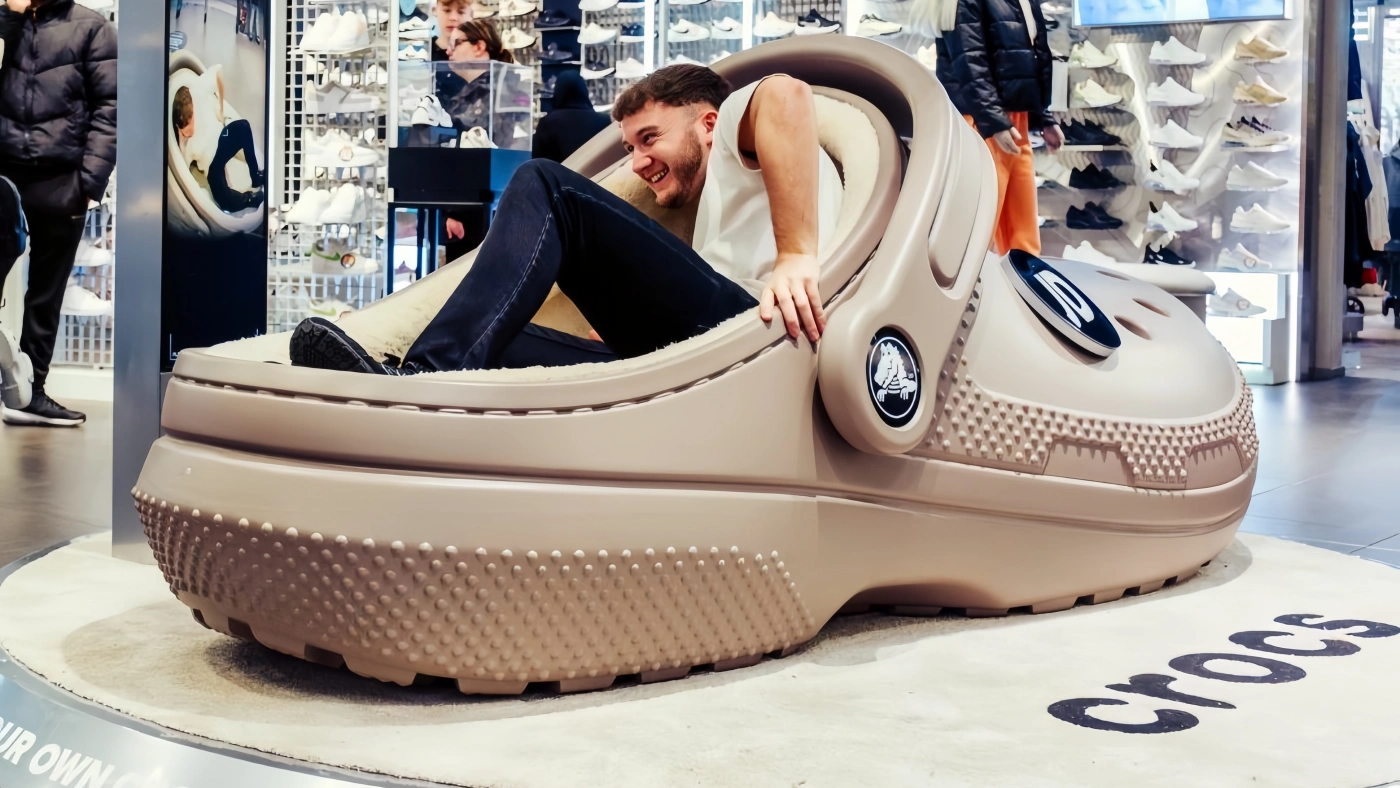
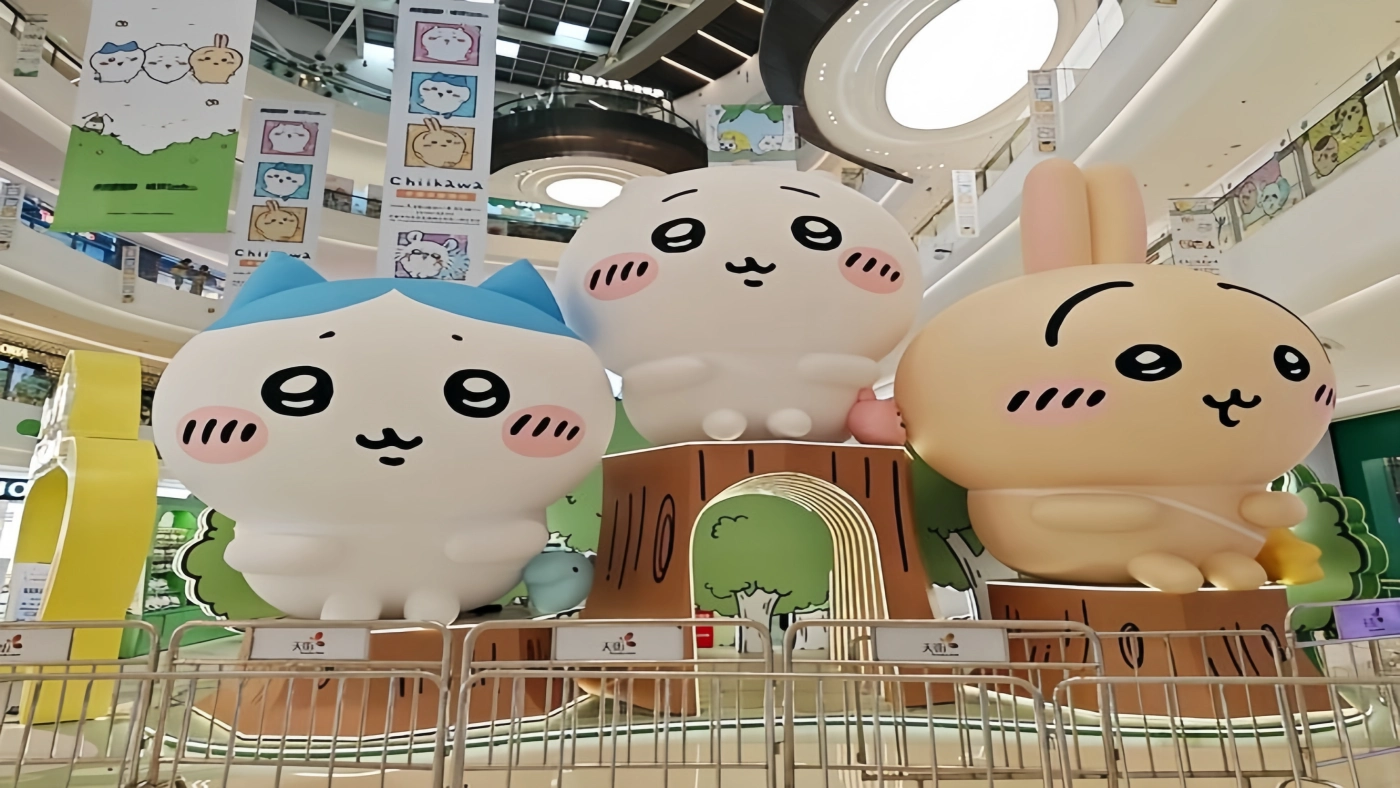
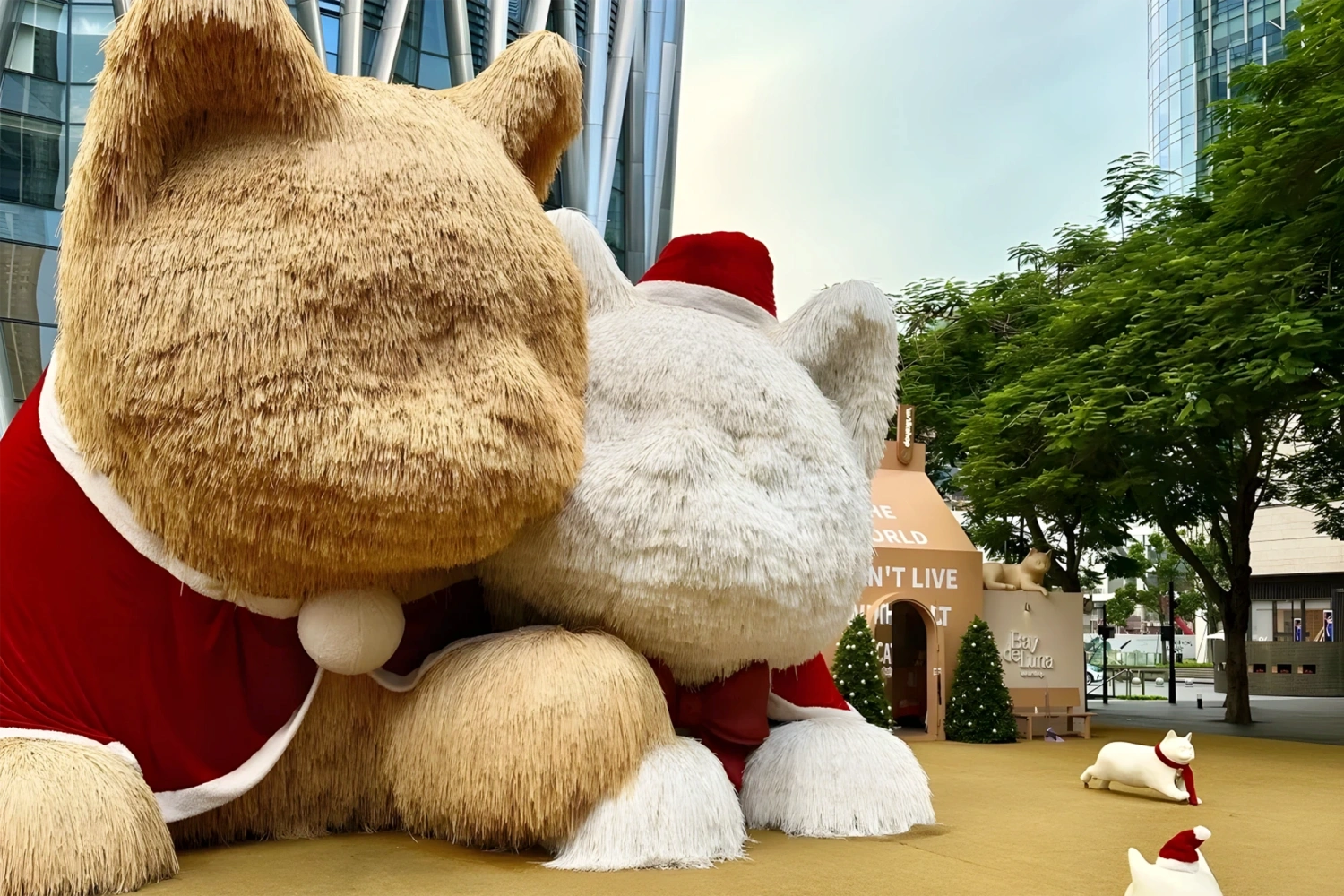
People naturally tend to perceive larger-than-life objects as more significant. When an everyday product that normally fits in the palm of a hand is transformed into a model standing 3 or even 8 meters tall, it takes on a new role in the consumer’s mind: it becomes more than a product; it becomes a recognizable brand symbol. This sense of scale creates a visual impact that is difficult to achieve through print advertising or digital screens alone.From a cognitive psychology perspective, oversized objects can trigger a sense of awe. When people encounter something far larger than what they would normally expect,they are more likely to pause, explore, and take photos to capture the unusual sight. This is the psychology behind effective photo-op installations: rather than explicitly asking people to take pictures,the installation itself creates a natural impulse to share the experience.
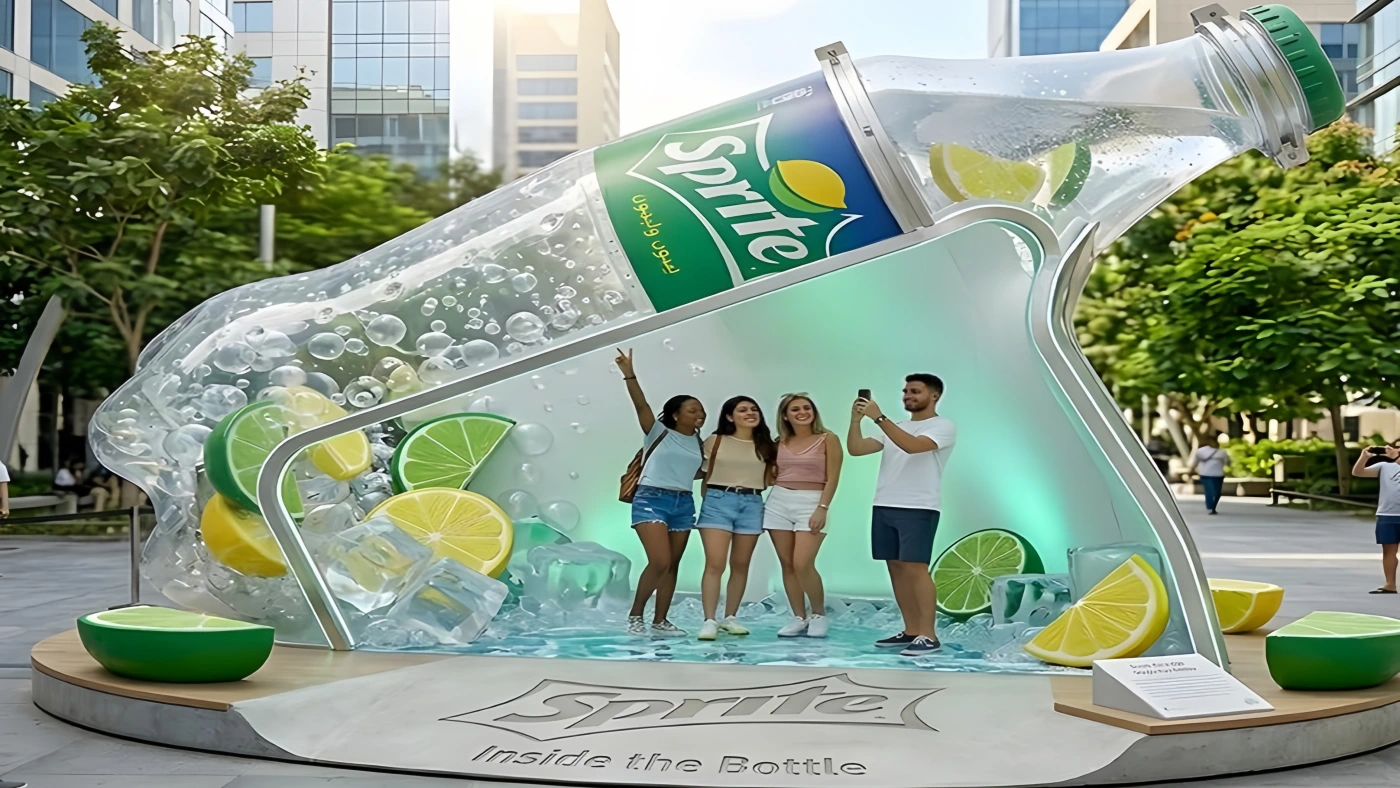
A successful branded photo installation needs to deliver value on at least three levels simultaneously. Whether it achieves all three depends largely on whether these objectives are built into the design requirements from the outset of the custom prop production process.
Within just a few seconds, passersby should be able to identify the brand and understand what it sells. To achieve this, the proportions,color palette, and logo placement of giant product models must align closely with the brand’s visual identity guidelines. Creative expression should enhance brand recognition, never compromise it.
The installation should invite people to participate. It should be approachable, accessible, and designed for leaning, touching, and taking photos where appropriate. Simple photo backdrops are no longer enough;consumers increasingly expect immersive environments with a clear visual theme and an engaging narrative. Research into pop-up retail environments suggests that distinctive store concepts and shopping atmospheres can significantly encourage word-of-mouth sharing, with the overall brand experience playing an important mediating role.
The installation should be designed with the vertical framing of smartphone cameras in mind. Freeman’s EventTrack study reports that 98% of consumers actively create and share digital or social content at events. In practical terms, an installation that is difficult to photograph can miss out on valuable organic exposure. Emplifi data also indicates that pages featuring user-generated content (UGC) can achieve
conversion rates up to 6.73 times higher than pages without it.
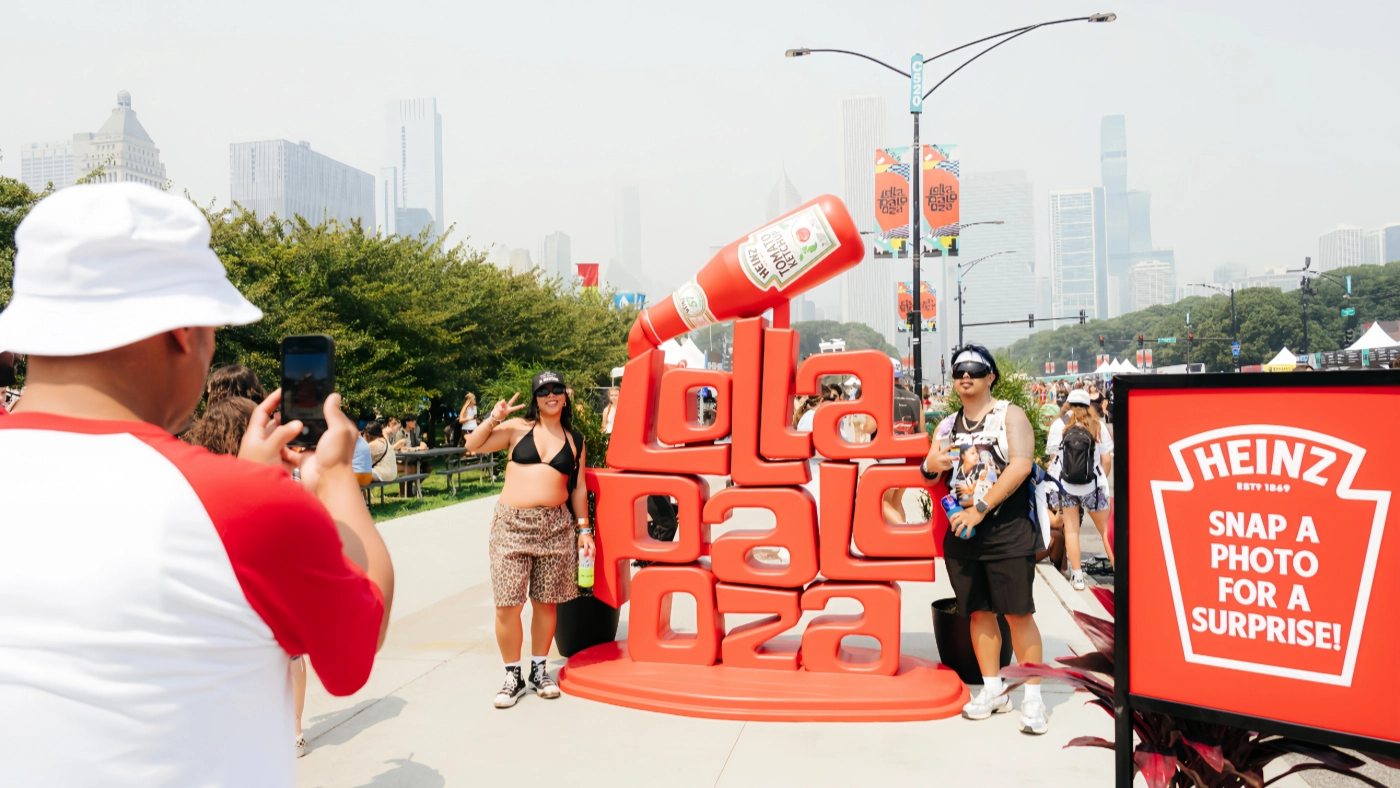
Drawing on years of practical experience working with shopping malls,brands, and event companies, we have identified four essential principles for custom prop design. These considerations are sometimes overlooked during project planning, yet they can have a significant impact on the final result.
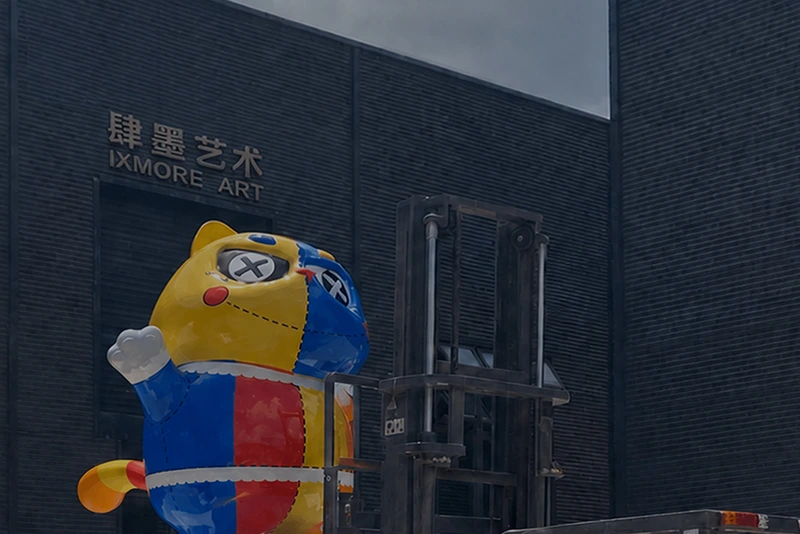
A giant model should be more than a straightforward enlargement of the original product. Professional custom prop production often calls for carefully controlled exaggeration of key visual features—for example, thickening the product’s outline, enlarging the label area, or making its primary selling points more prominent.At the same time, the overall proportions must remain convincing. If the shape is distorted too heavily, the model may look awkward and weaken the product’s credibility. This is why experienced fabrication teams refine side profiles and viewing angles during the prototyping stage,checking that the finished proportions look balanced from the audience’s eye level.
A well-planned photo-op installation should have clearly defined ideal shooting positions from the blueprint stage onward. These viewpoints should make it possible to capture the entire installation, provide a clean background, ensure balanced lighting, and maintain a visually pleasing sense of scale between visitors and the display.Many installations fall short not because the design itself is unattractive, but because the team has not considered how visitors will actually frame the scene when taking photos with their phones.
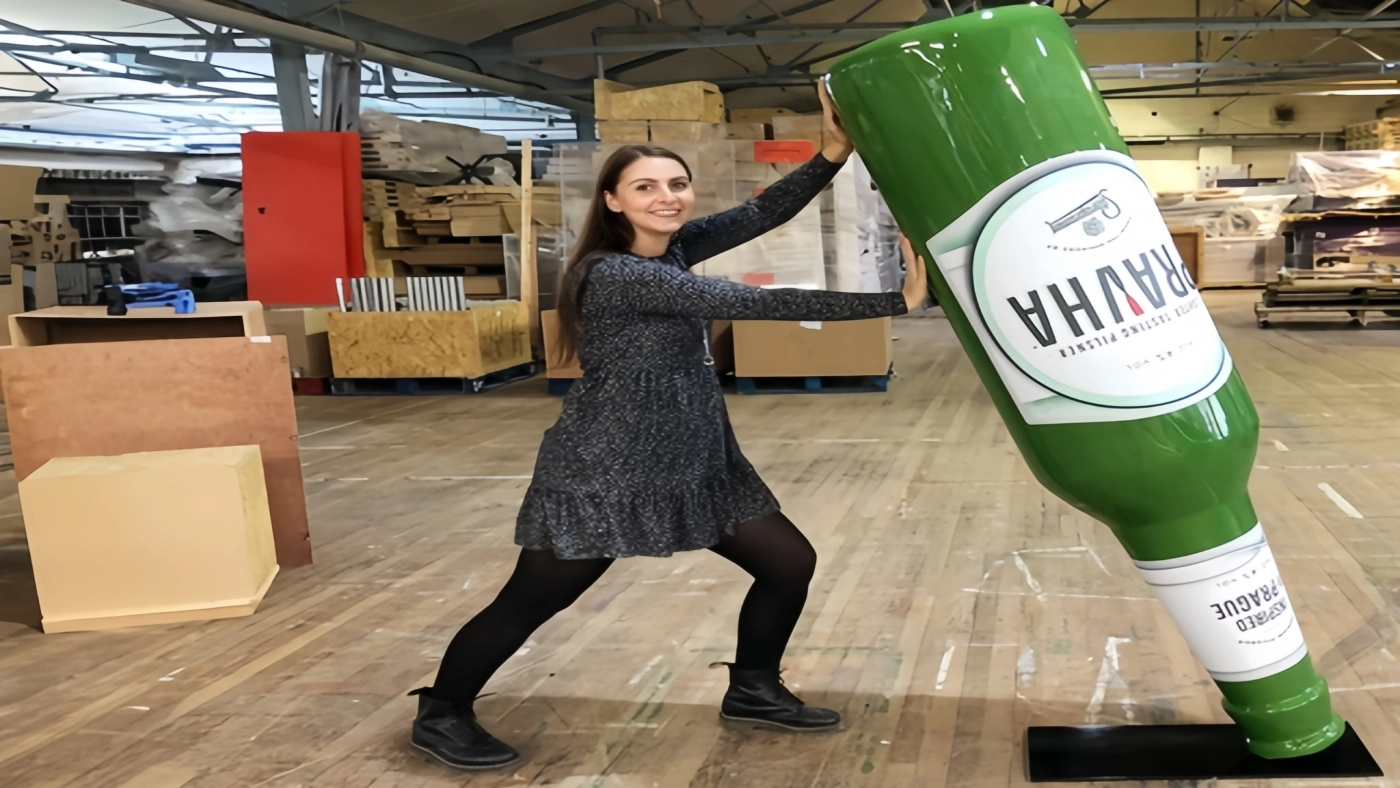
Indoor shopping mall displays and outdoor festival installations have very different technical requirements, so their materials and finishes should be selected accordingly. Indoor installations often place greater emphasis on surface texture and fine detail, while outdoor projects require materials and finishes that can withstand UV exposure, rain, and wind.Color matching also needs to account for the actual lighting conditions at the installation site. Colors can look very different under spotlights and natural daylight. For this reason, professional manufacturers assess color appearance under representative lighting conditions during the prototyping stage.
How can a 5-meter-tall installation be moved through a freight elevator only 2.4 meters wide? How can it be assembled within a shopping mall’s four-hour overnight construction window? These practical engineering questions need to be addressed early in the design process. Experienced teams plan module divisions, connection methods,transportation requirements, and installation sequences from the outset.
This helps prevent a situation in which a design looks impressive on paper but proves impractical on site. This is one of the key differences between professional custom prop production and conventional advertising fabrication: installation feasibility is treated as a fundamental design requirement, not as a problem to solve after production.
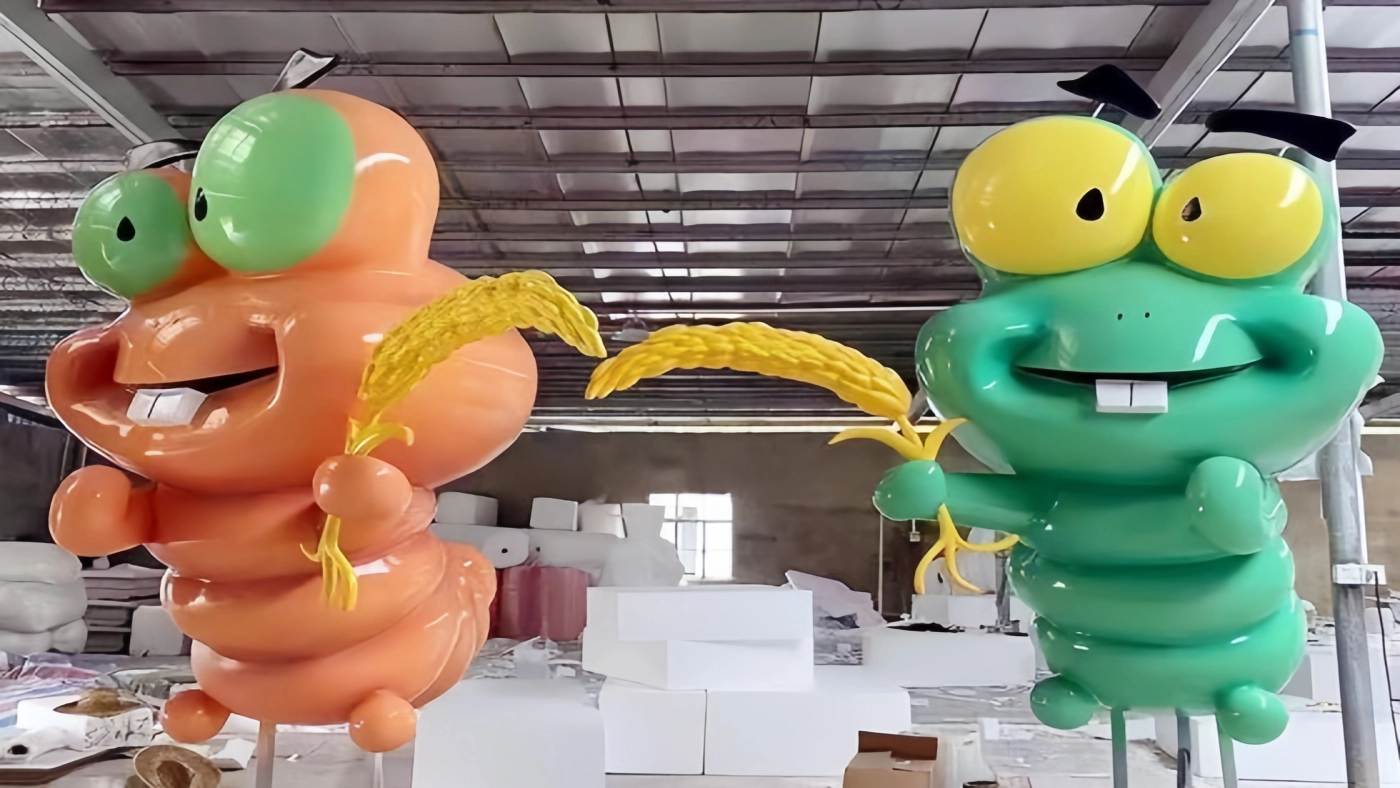
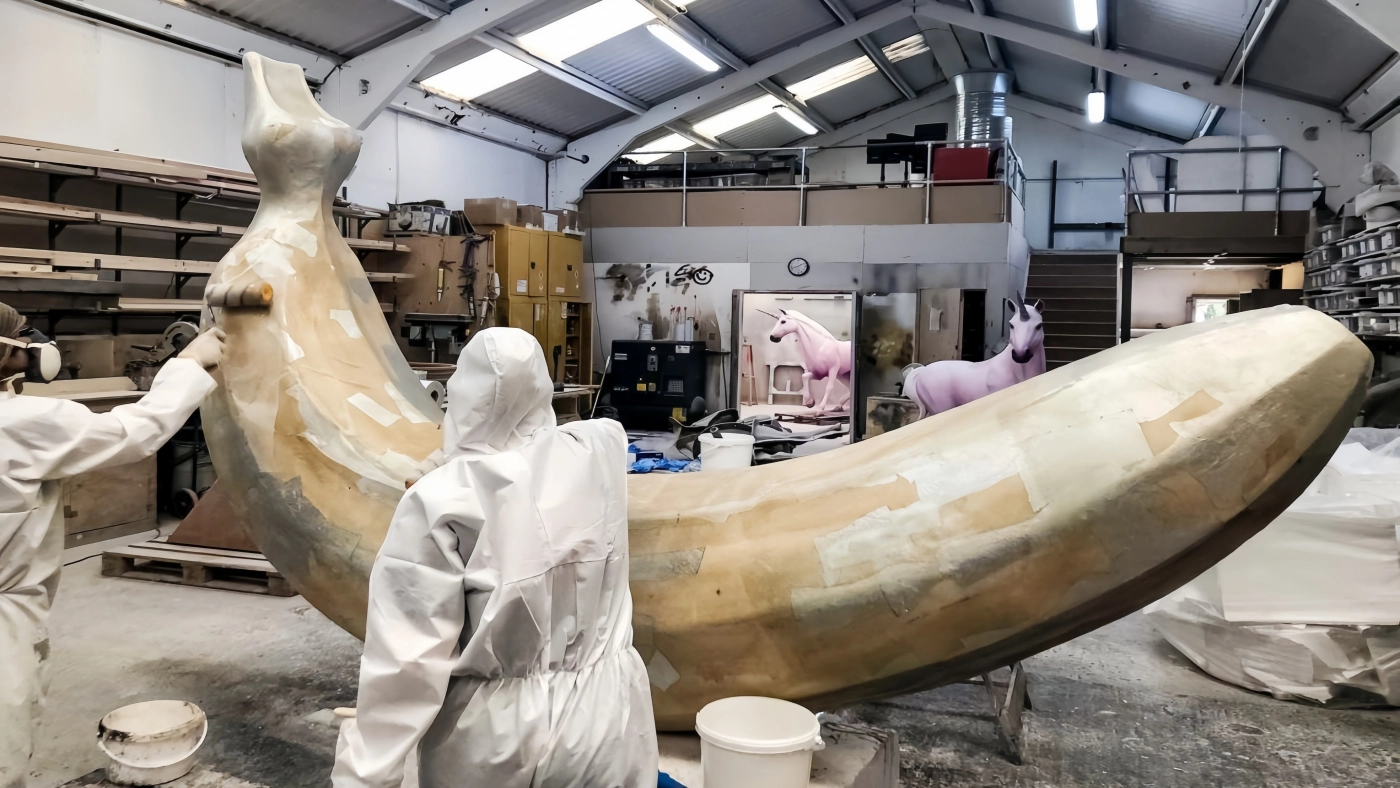
Custom prop production often involves combining several materials and fabrication techniques to meet a project’s visual and structural requirements. Common options include: Fiberglass (FRP): Well suited to curved surfaces and complex, irregular shapes. It is relatively lightweight, can achieve a smooth finish, and is compatible with automotive-grade paint systems. Wood and MDF: Suitable for large flat displays, feature walls, and pop-up store structures. These materials are cost-effective and easy to shape and fabricate.Steel structures: Commonly used as load-bearing frames and primary supports for outdoor installations, providing the structural strength needed for safety and durability.Acrylic with integrated lighting: Used for illuminated lettering,translucent props, and internal lighting effects, helping installations stand out after dark.Foam sculptures: Suitable for large temporary forms and holiday-themed displays when combined with appropriate surface treatments. Foam is relatively inexpensive and can be shaped quickly.
A well-established manufacturer should be able to manage the entire process, from 3D modeling and structural calculations to sample validation, production, and on-site installation. This is one reason brands increasingly prefer one-stop commercial installation suppliers rather than dividing design, fabrication, and installation among multiple vendors. Fragmented project management can create additional communication costs and coordination risks that outweigh any potential savings. Across our client projects, those that entrusted the full custom prop production process to a single factory experienced an average 20% shorter implementation timeline, along with significantly fewer on-site modifications.
Each type of commercial environment brings its own requirements for photo-op installations. Our experience with shopping mall decoration and installation projects has highlighted several important differences:
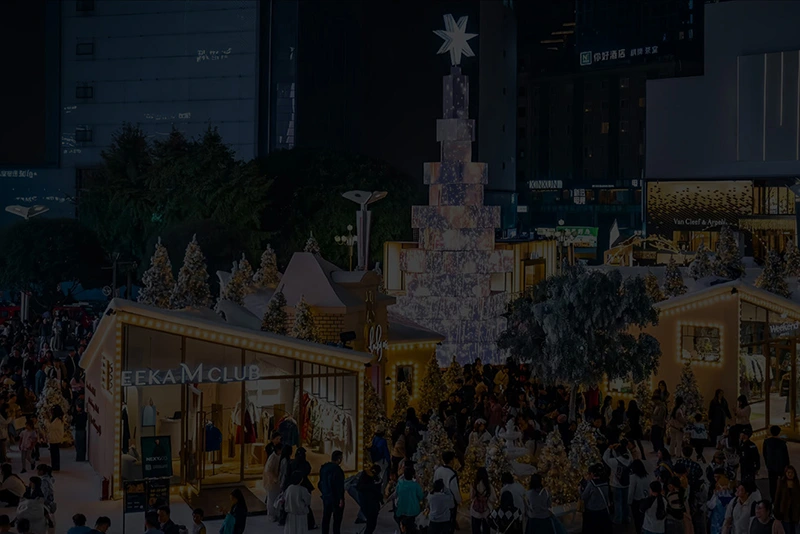
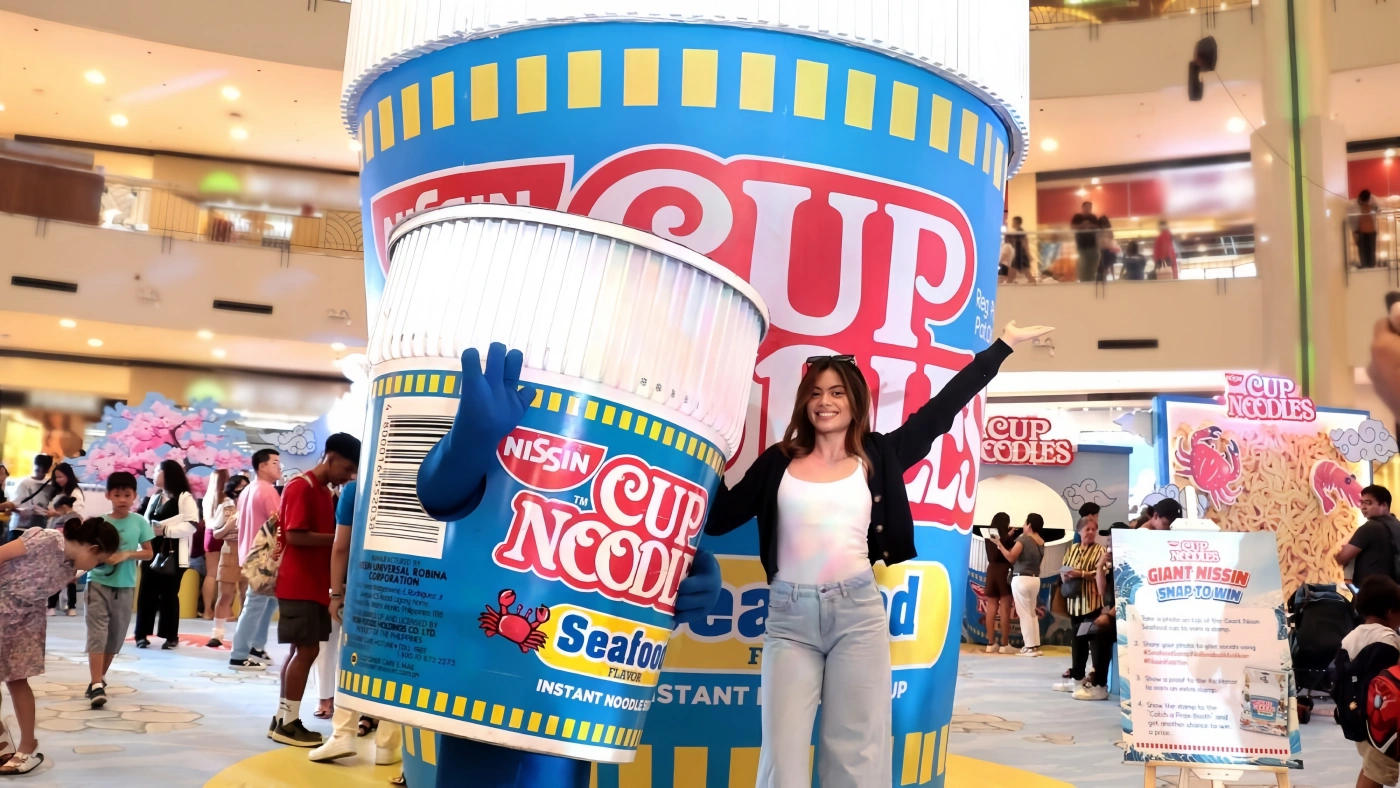
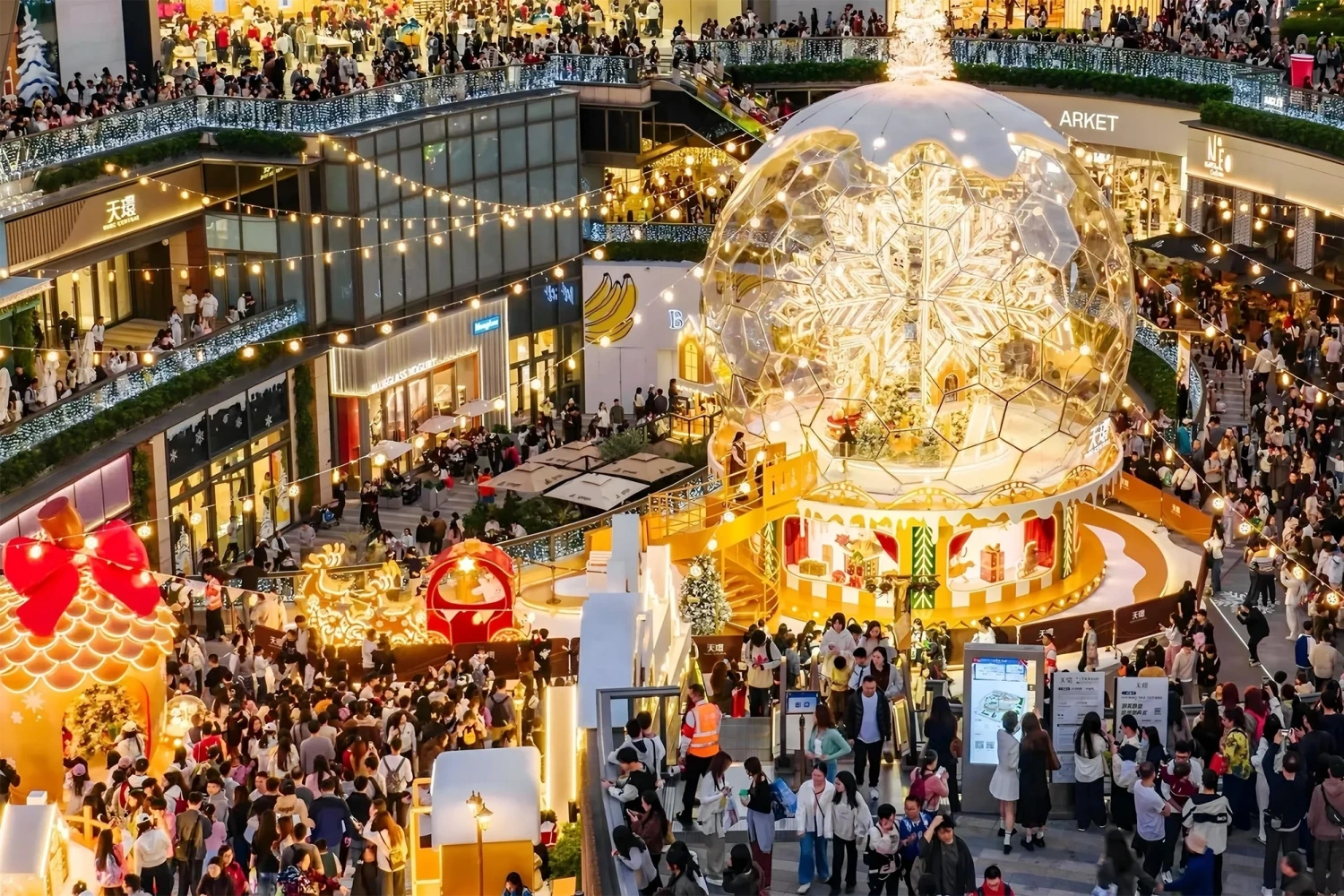
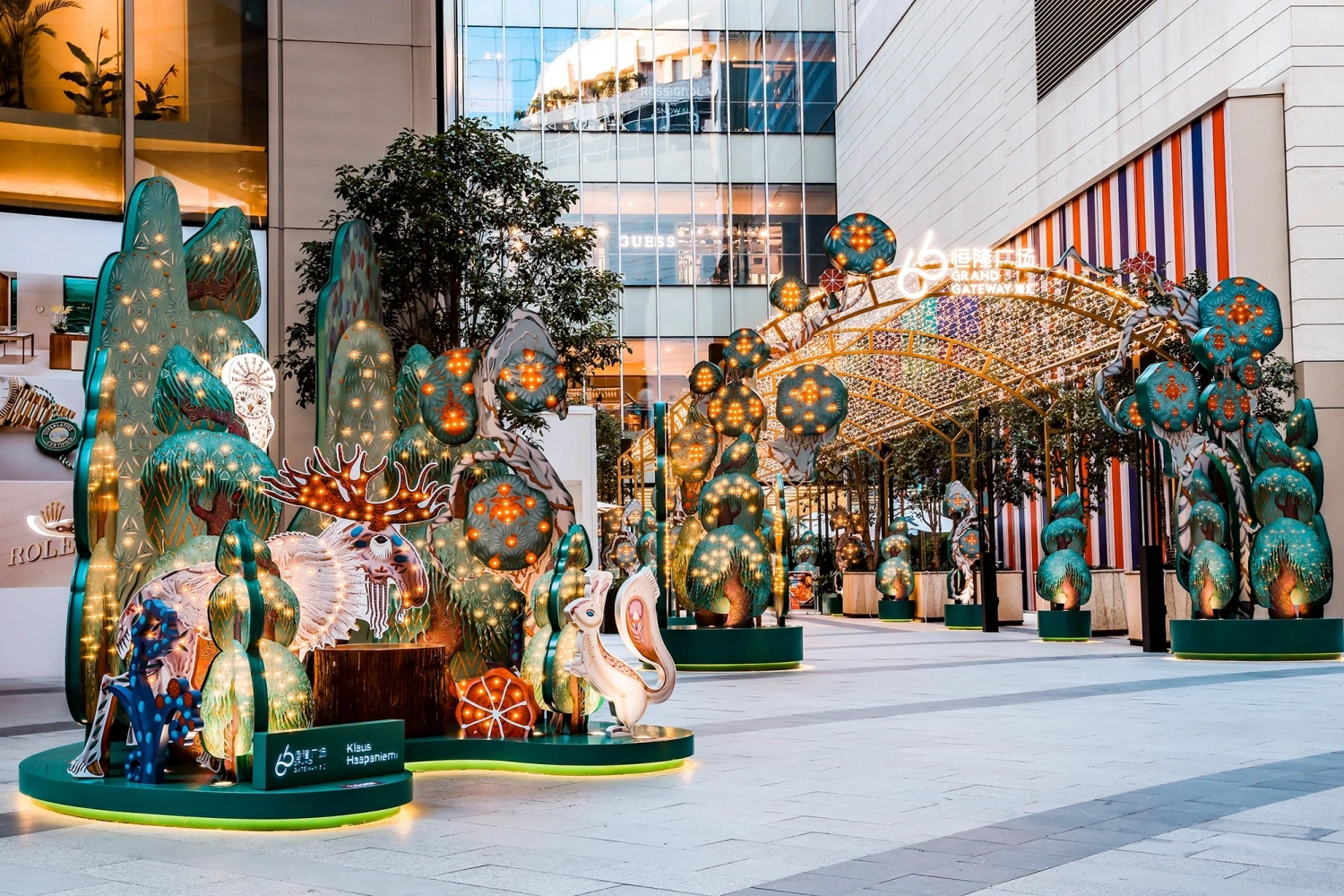
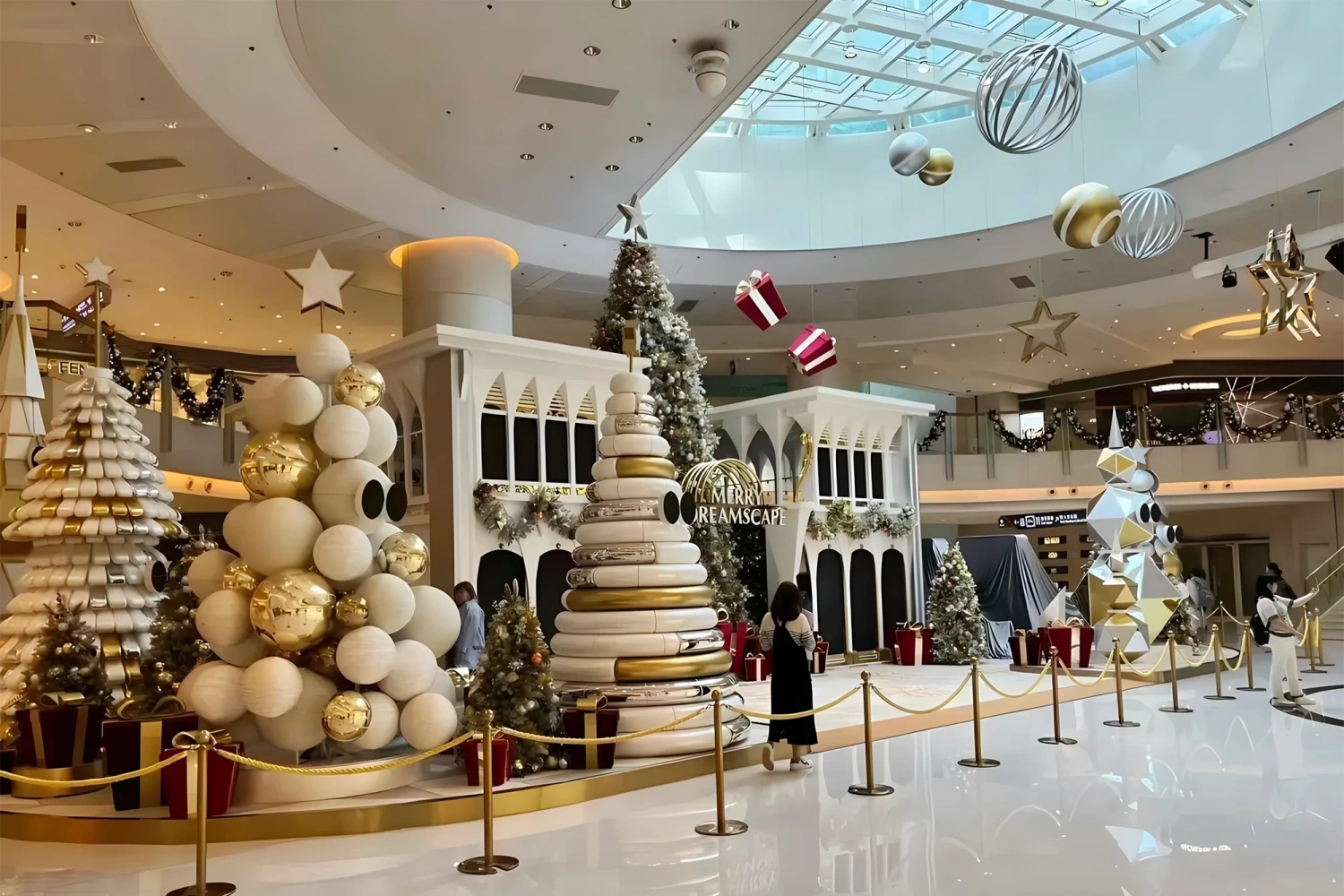
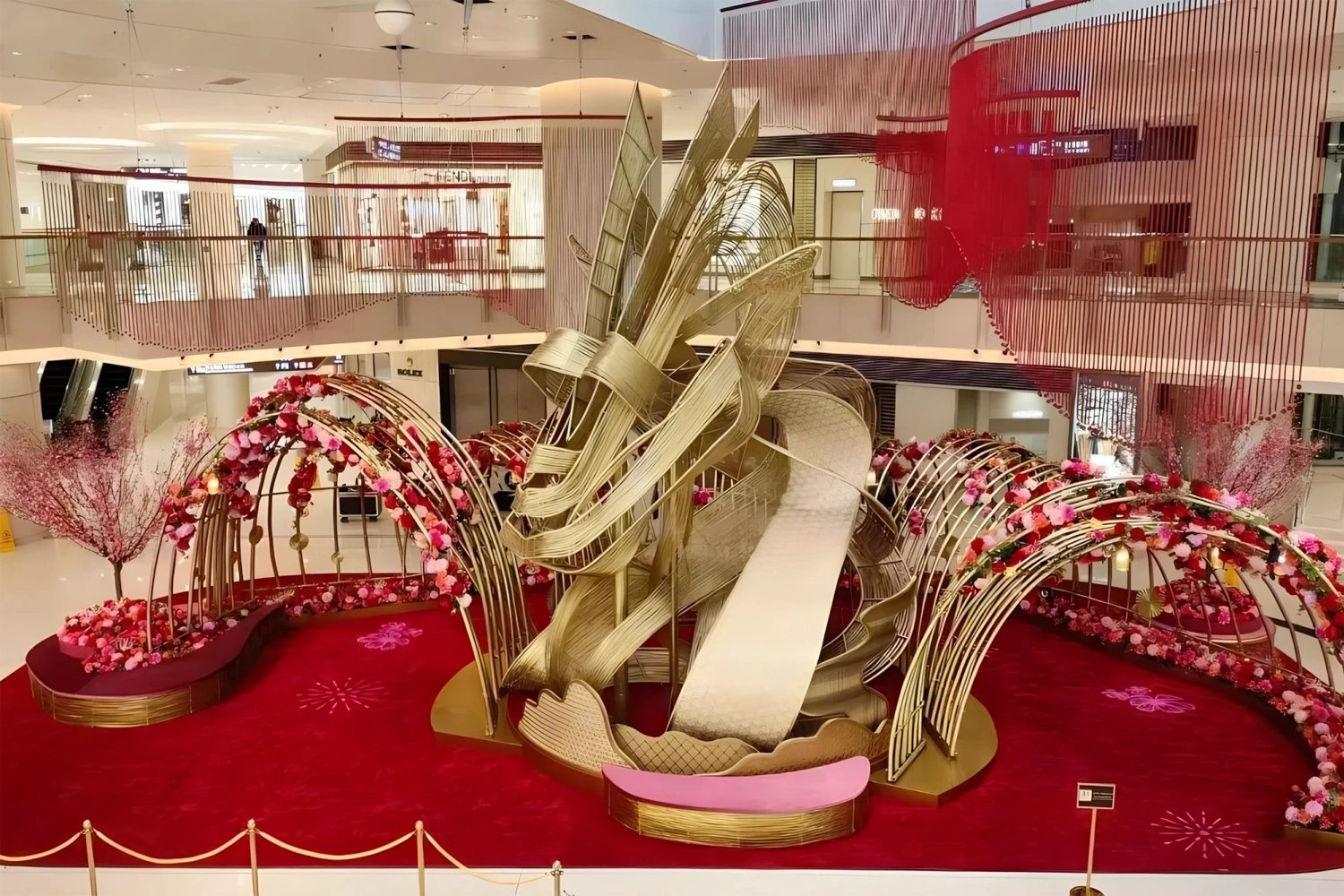
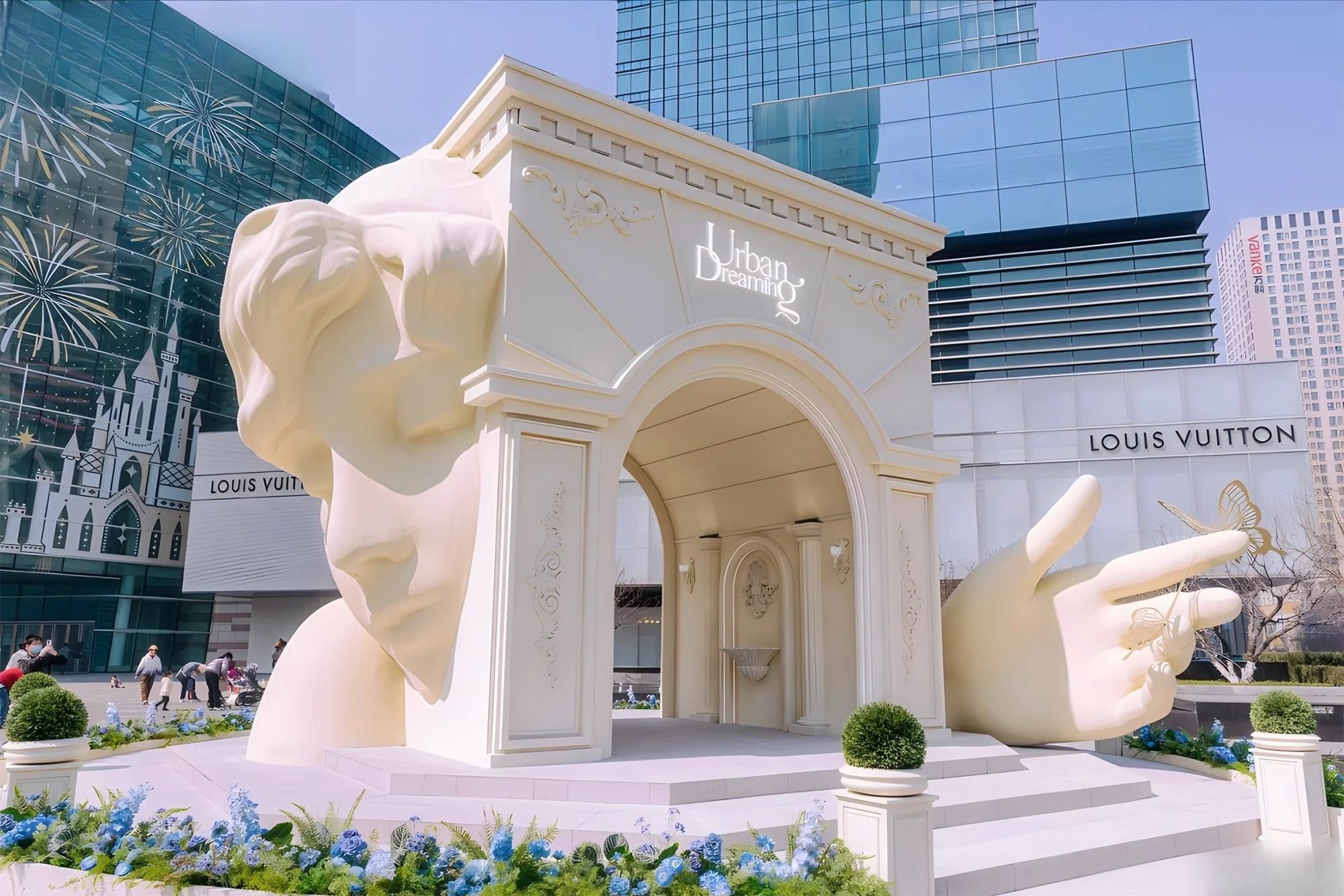
Shopping Mall Atriums: These spaces typically have high foot traffic,short visitor dwell times, and restricted construction windows.Installations need strong long-distance visibility to attract attention from as far as 50 meters away. They must also comply with mall requirements for fire safety, structural loading, and overnight construction.
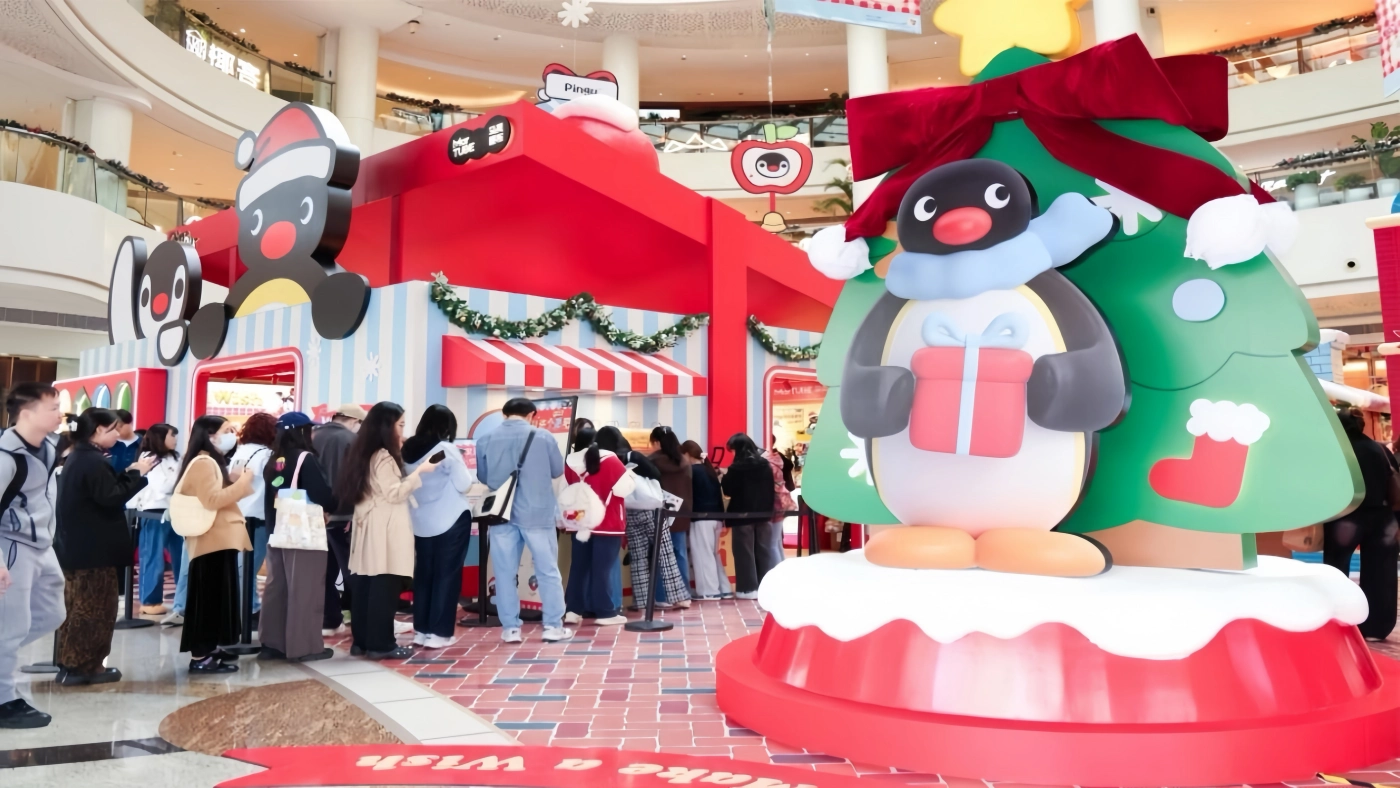
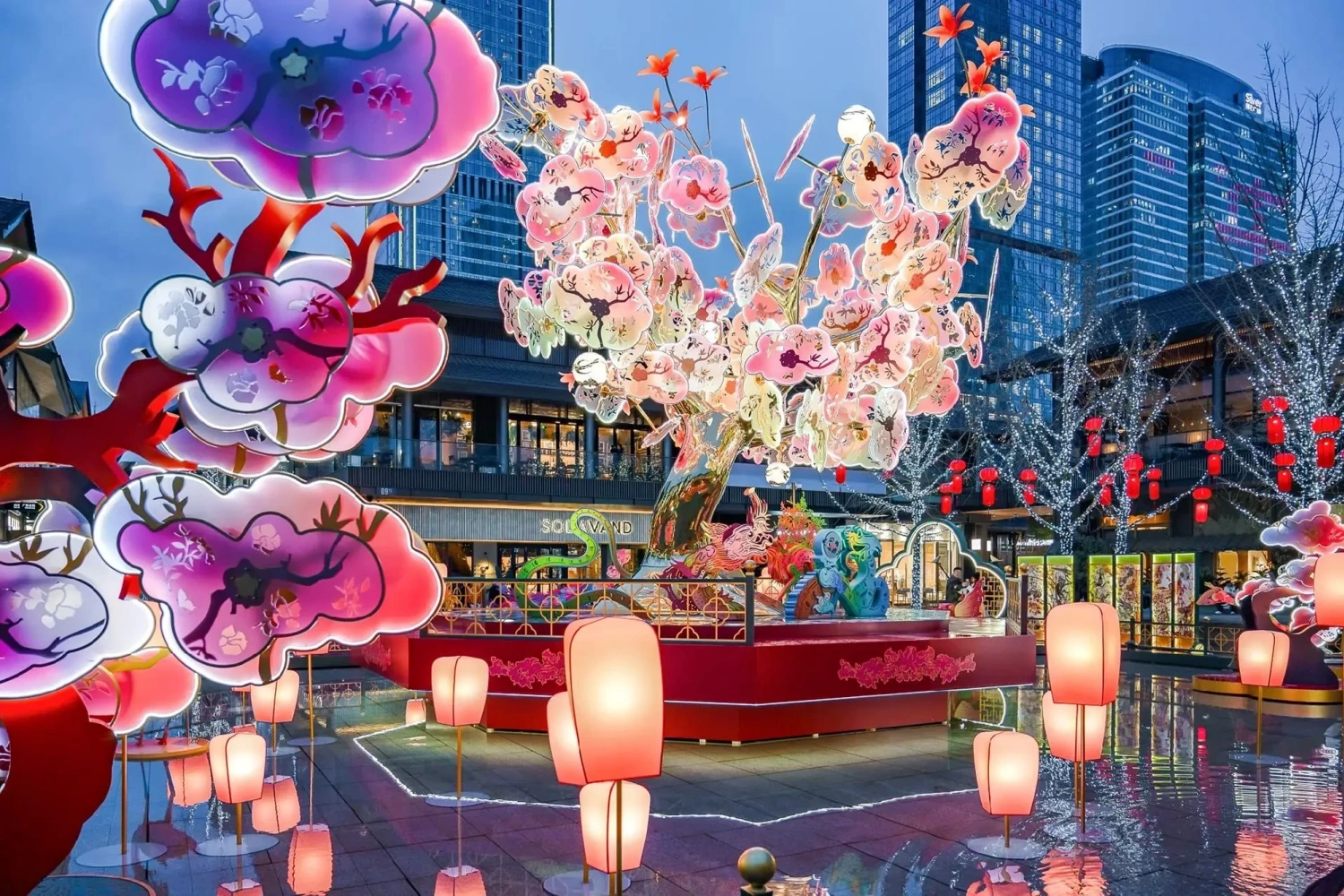
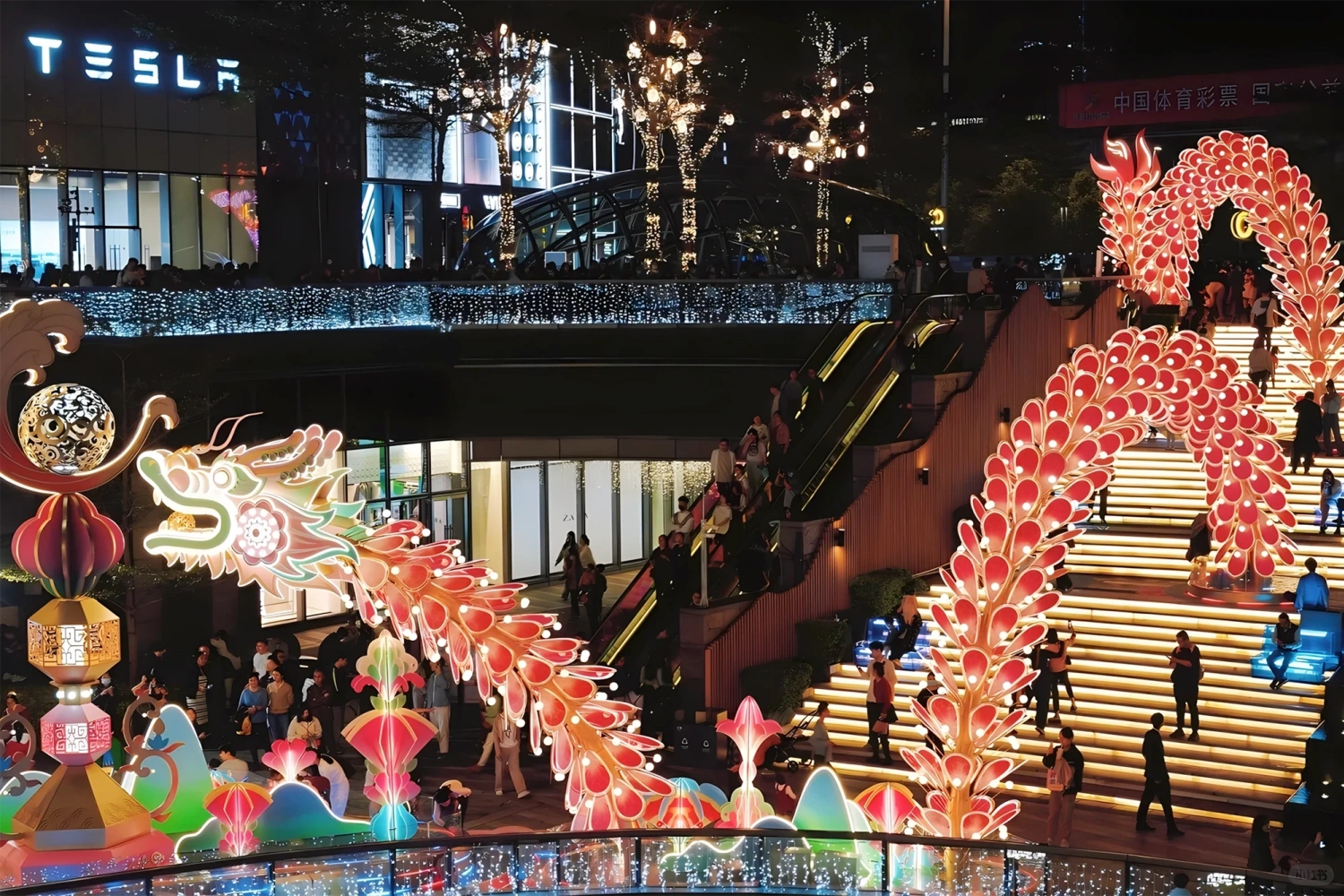
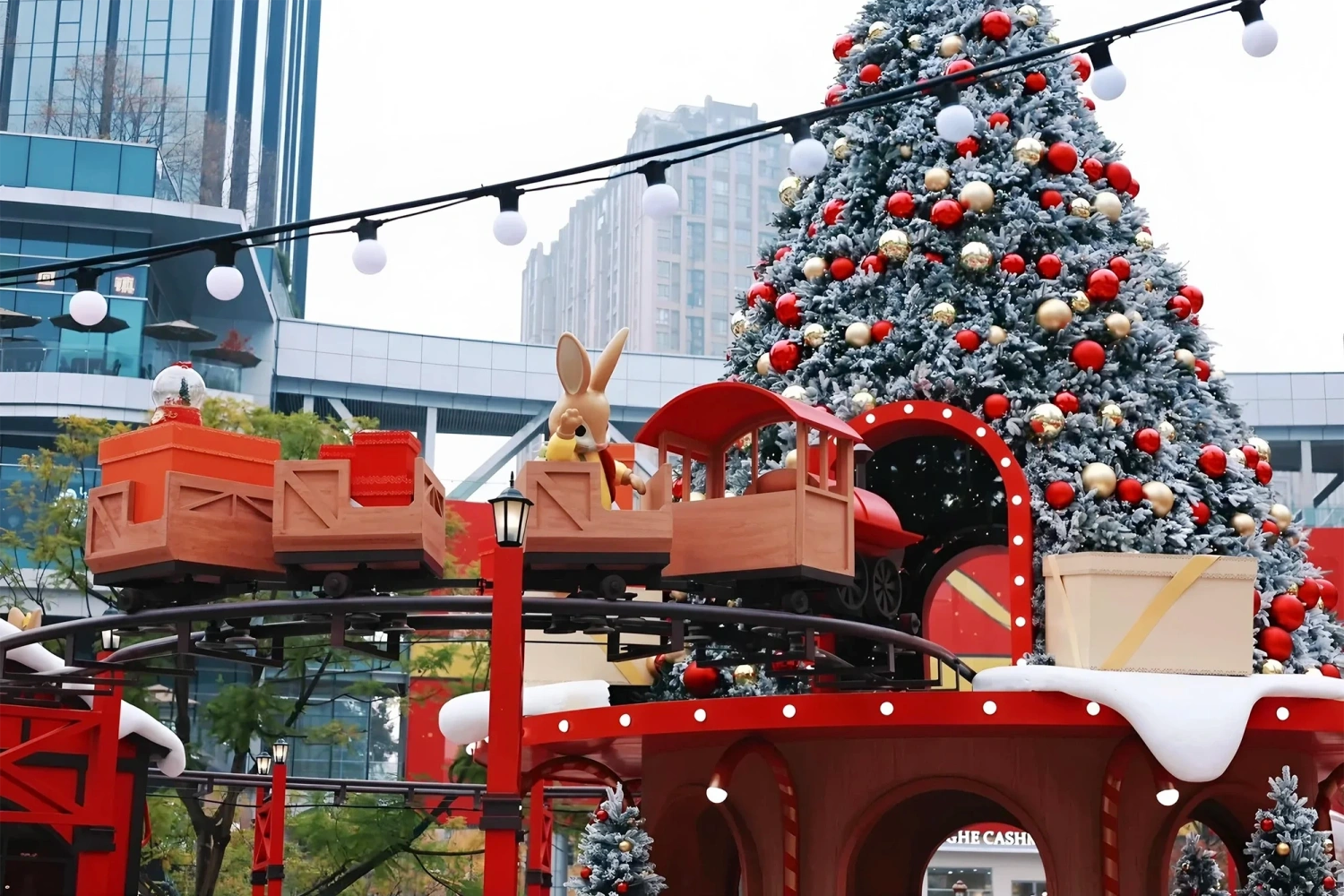
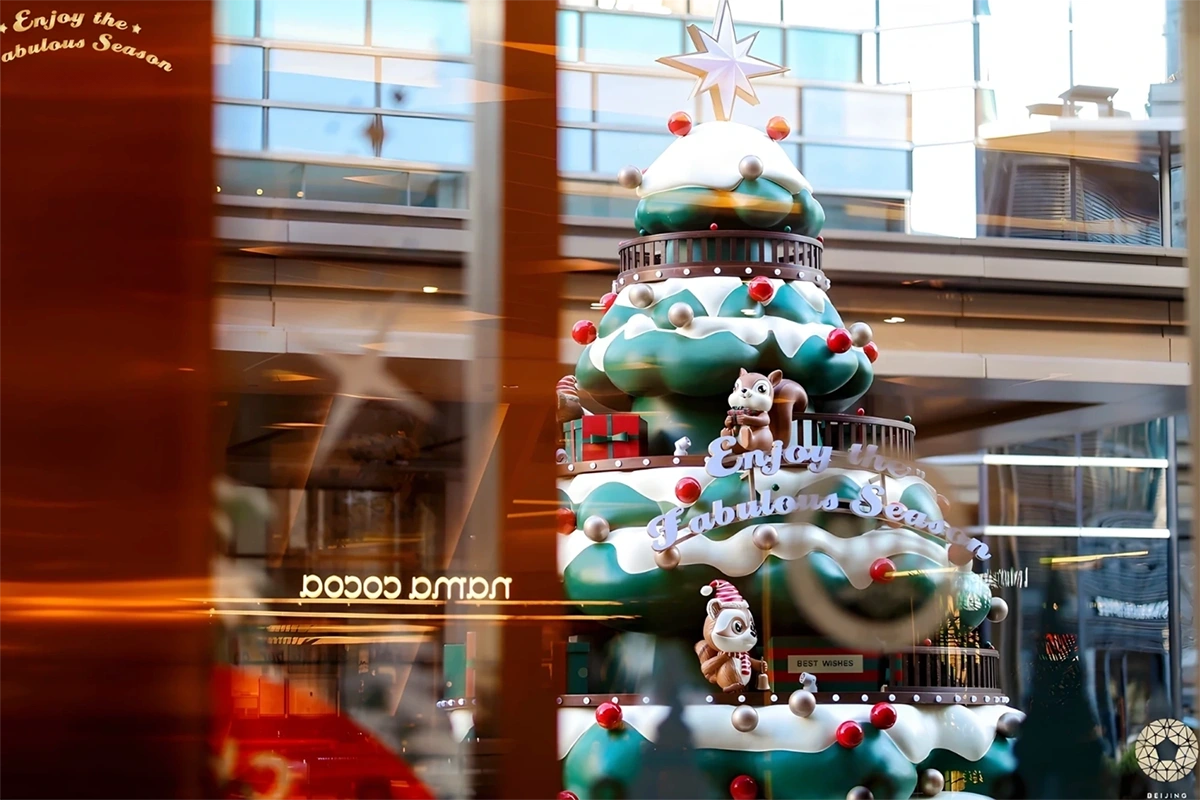
Holiday Events: Installations for Christmas, New Year, Valentine’s Day,and other seasonal occasions are designed to create a festive atmosphere and encourage family interaction. Production and delivery generally need to be completed 30–45 days before the holiday to leave sufficient time for installation and promotional activities.
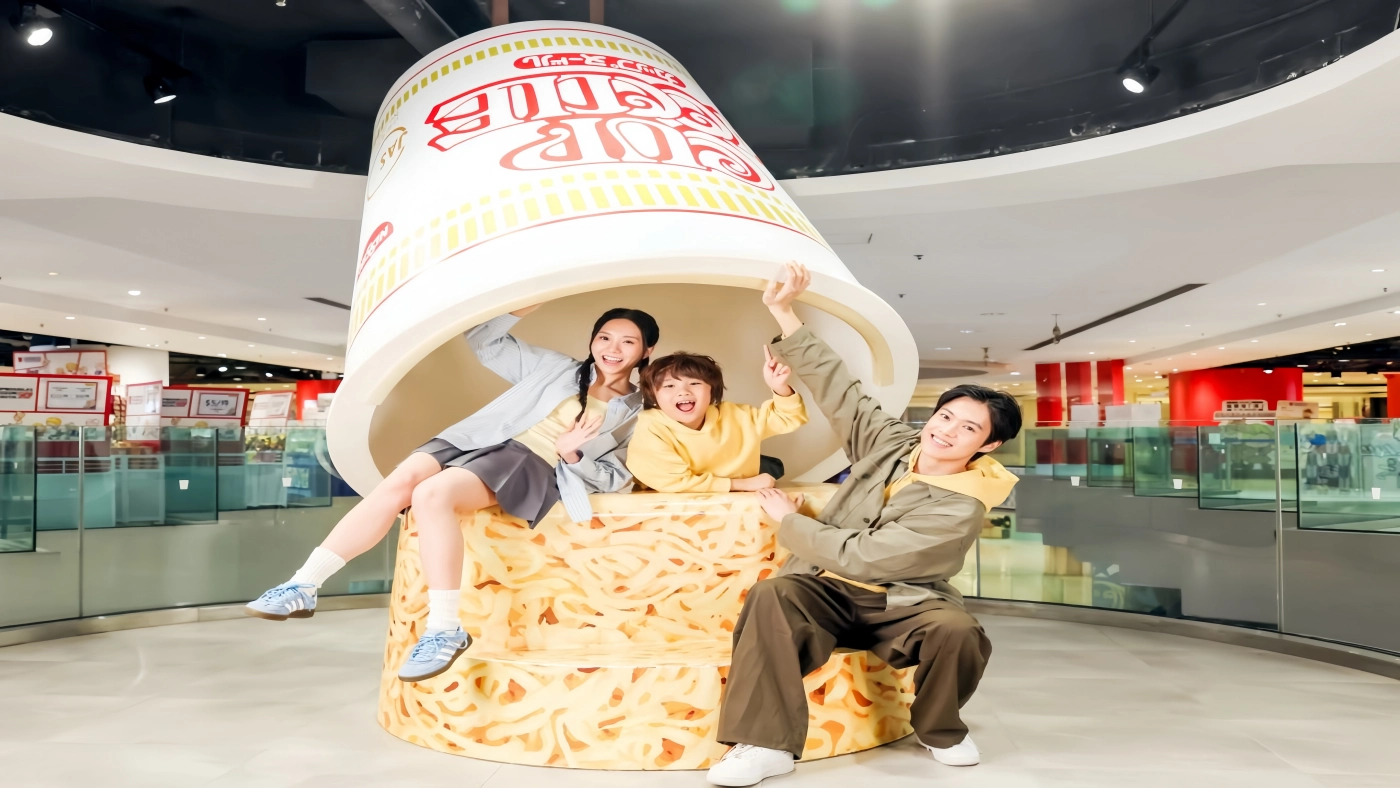
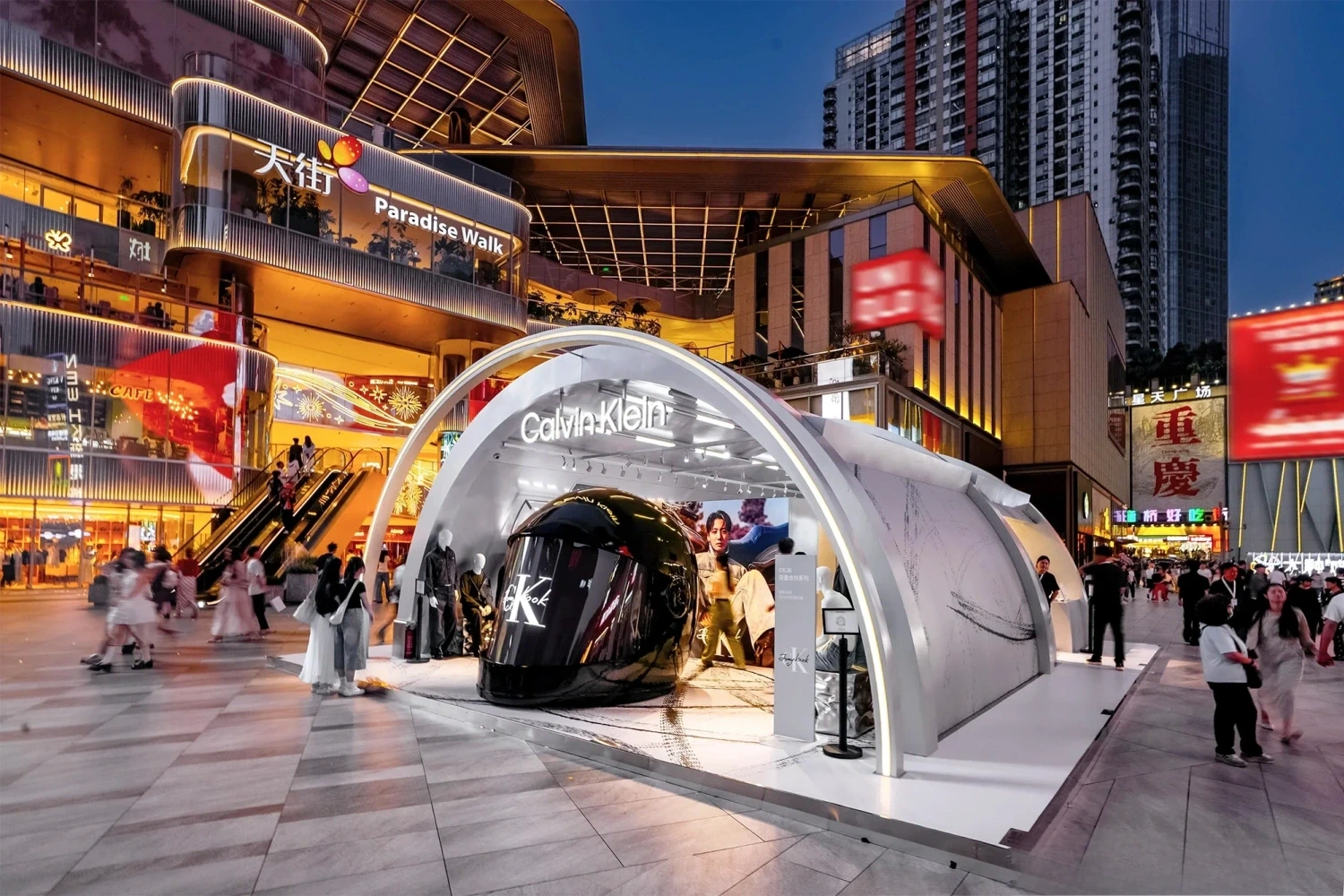
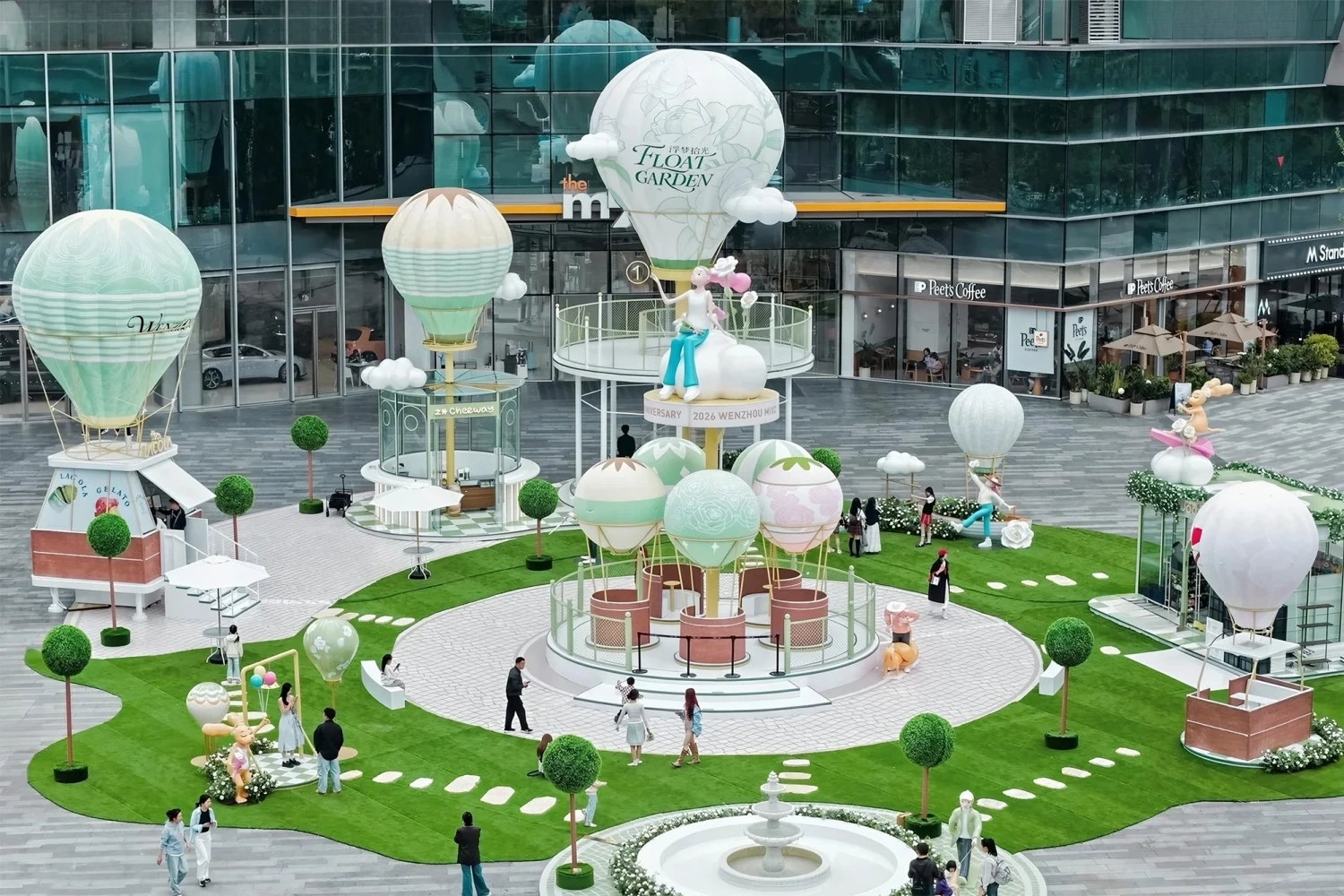
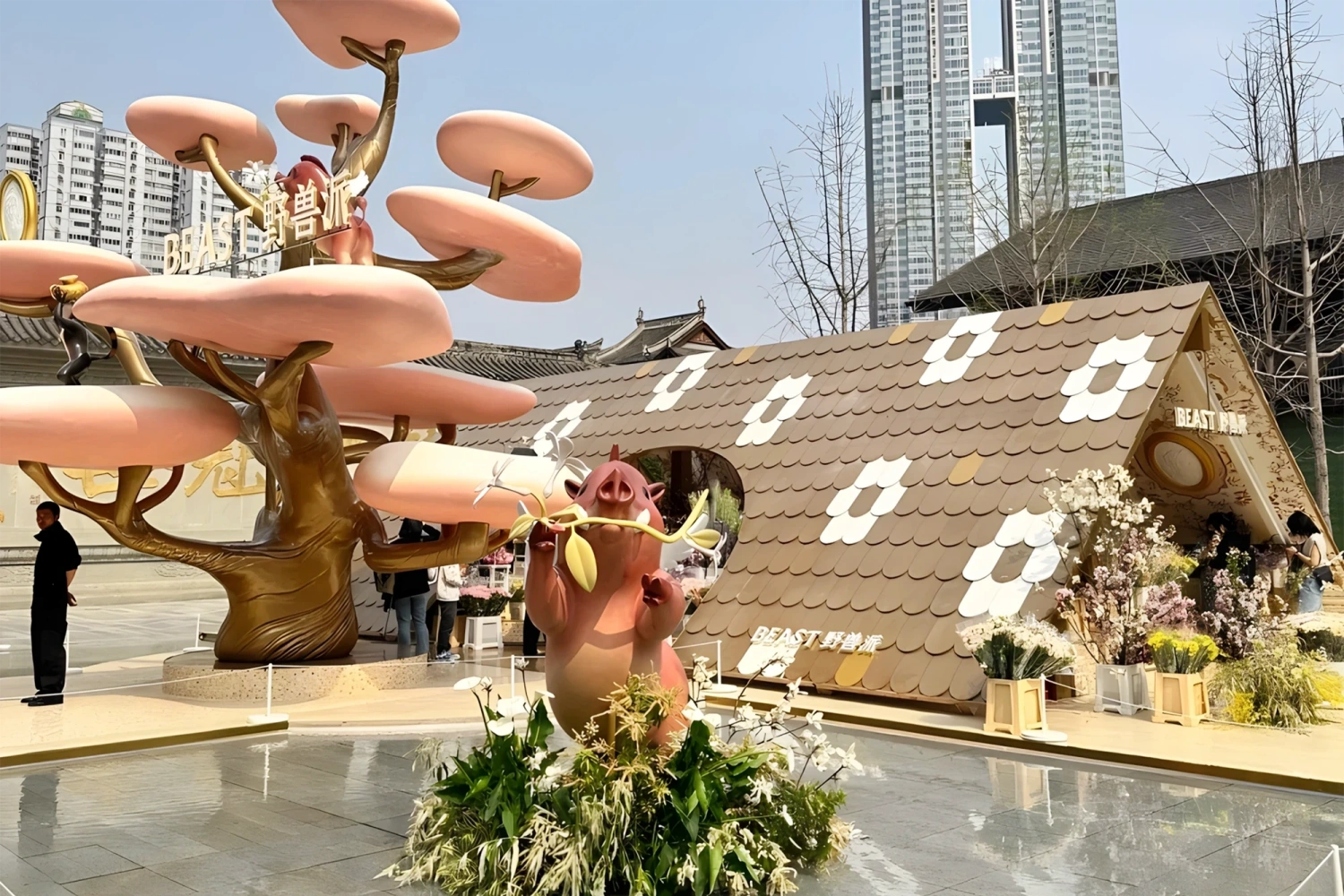
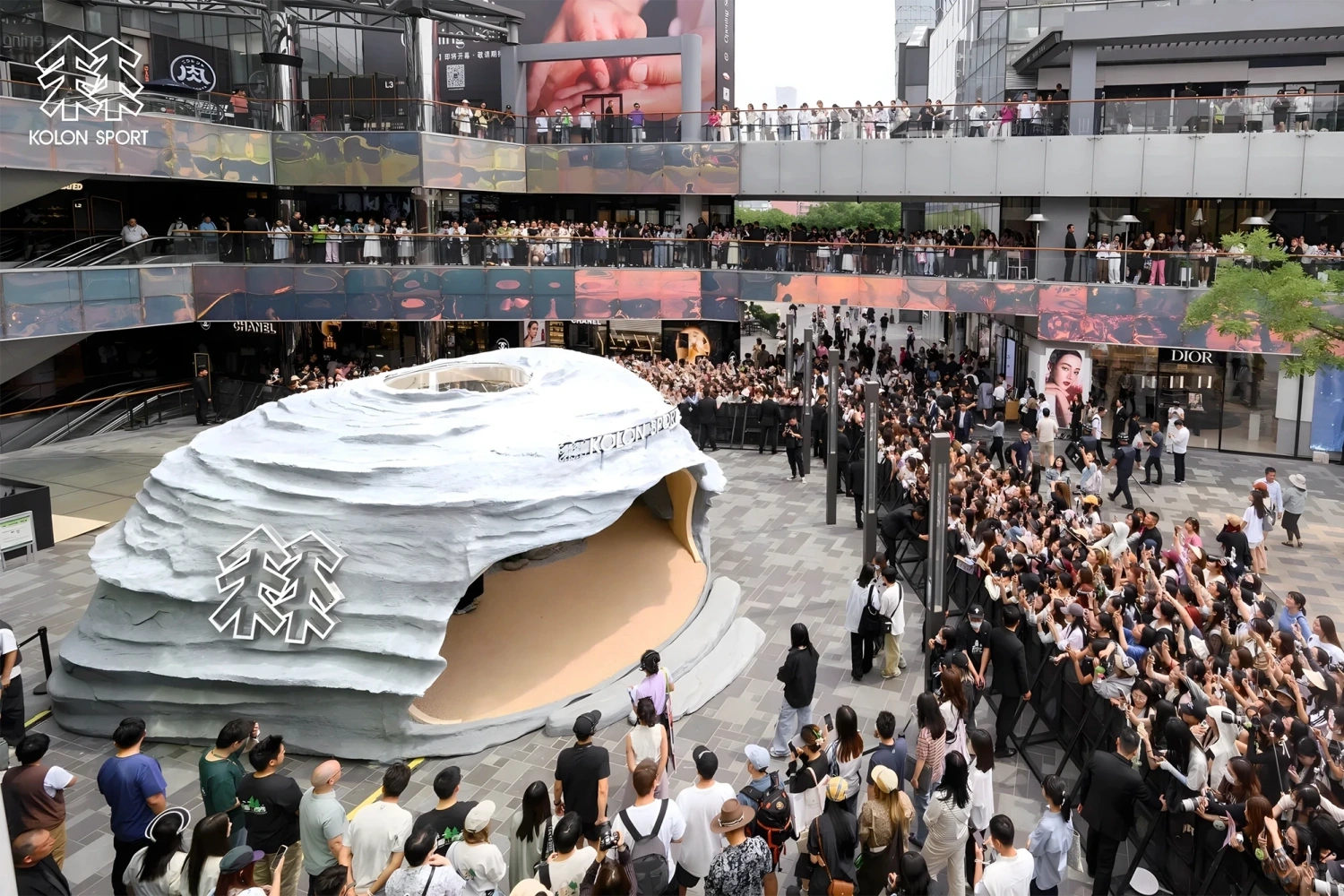
Pop-Up Stores: These projects are usually temporary, often lasting 7–30 days, and may take place in a variety of locations. As a result, they place particularly high demands on efficient assembly and dismantling. Pop-up installations often need to combine product displays, interactive experiences, and checkout functions, making them among the most operationally complex types of commercial projects.
Public Art Installations: Designed for long-term outdoor display, these installations must withstand
changing weather conditions and wear caused by public interaction. They place especially high demands on structural afety, material durability, and maintenance planning. Their design cycles are also typically longer and often require input from structural engineers for load calculations and wind-resistance assessments. As a result, public art installations are among the most technically demanding types of custom prop projects.
One of the first questions brands ask when considering a project is whether an installation costing hundreds of thousands of RMB will deliver a worthwhile return. Industry research puts the average ROI of pop-up experiential marketing events at around 34%, significantly higher than the overall return on traditional digital advertising. However, the value of an installation extends beyond the sales generated during a single event:
-Long-term social media exposure: Photos and videos taken and shared organically by visitors can continue circulating on social media for months or even longer, generating ongoing exposure.
-Media coverage opportunities: Installations with strong visual appeal are more likely to attract unsolicited coverage from local media outlets and industry influencers.
-A reusable brand content library: The installation can serve as a high-quality backdrop for brand photography, creating content that can be repurposed across online advertising, social media, and the company website.
-First-hand consumer insights: Interactive installations can provide opportunities to collect useful on-site data, including consumer preferences, dwell times, and interaction patterns.
Brands should define clear KPIs before launching a project. These might include social media reach, the number of on-site photo check-ins, and store conversion rates. Trackable touchpoints, such as QR code entry points, can also be incorporated into the installation to support measurement. From a budgeting perspective, investment in custom props may not offer the same immediate optimization opportunities as digital advertising.However, the social content and brand recognition generated by a well-executed installation can deliver value over the long term. Its performance should therefore not be judged solely by the sales conversion achieved during a single event.
Creating giant product models and branded photo installations is fundamentally about establishing a tangible brand touchpoint beyond the digital environment—something people can see, remember, and share. Rather than being a one-off marketing expense, a well-planned installation can become a long-term brand experience asset.Working with a professional custom prop manufacturer means gaining more than a single display. It gives brands access to an integrated set of capabilities spanning brand strategy, spatial design, engineering, fabrication, and on-site execution. Whether you are planning a seasonal shopping mall display, a limited-time holiday installation, or an immersive brand pop-up, involving the manufacturing team during the design stage can help ensure that the final result is both visually compelling and practical to deliver.
Depending on its size and complexity, production typically takes 20–45 working days. A medium-sized product model measuring 3–5 meters in height generally takes around 25–30 days from approval of the 3D model to delivery. Projects involving outdoor structures, integrated lighting,or large installations made up of multiple components may take 45–60 days. As a general guideline, it is best to allow at least two monthsfor the overall project.
The cost depends on the installation’s size, materials, design complexity, and installation environment. Small indoor photo-op displays measuring 2–3 meters typically cost from several tens of thousands to over RMB 100,000. Medium-sized shopping mall atrium installations measuring 5–8 meters generally range from over RMB 100,000 to several hundred thousand. Large outdoor public art installations and complete pop-up store environments can cost RMB 1 million or more.It is advisable to involve the manufacturer during the budgeting and concept development stages. This helps ensure that the proposed design remains within a realistic production and installation budget.
Outdoor installations require material and finish specifications tailored to their exposure conditions. The primary structure may use fiberglass or metal framing, while the exterior can be finished with automotive-grade, weather-resistant paint. Key connectors should receive appropriate stainless-steel corrosion protection, and electrical components should meet the required waterproofing standards, such as IP65 or higher.Drainage and wind-load resistance should also be considered during thedesign stage. For installations intended for long-term outdoor use, we recommend carrying out inspections and maintenance every three months.
Yes. In fact, reusability is well worth considering from the beginning of the design process. Modular construction, standardized connection interfaces, and replaceable decorative panels can make it easier to adapt an installation for touring events in different cities or for different seasonal themes.Some of our brand clients have reused large installations three to five times in different settings, significantly reducing the effective cost per event.
We recommend starting the planning process at least 8–12 weeks before the intended launch date. A typical schedule includes:
-2–3 weeks for strategy development and concept design
-2–3 weeks for 3D modeling and prototype approval
-3–4 weeks for production
-3–7 days for on-site installation and adjustments
It is also important to build in contingency time for shopping mall approvals and scheduling, weather-related delays, and potential design revisions. A realistic schedule with sufficient buffer time is essential to keeping the project on track.
July 27, 2026
July 27, 2026
July 27, 2026
July 27, 2026
July 27, 2026
July 27, 2026
July 27, 2026
July 26, 2026
July 26, 2026
July 26, 2026
July 26, 2026
July 26, 2026
July 26, 2026
July 26, 2026
July 26, 2026
July 26, 2026
July 26, 2026
July 25, 2026
July 25, 2026
July 25, 2026