November 9, 2026 Ixmore Art
For brand marketing teams, commercial property operators, and event agencies, the visual presentation of an event does more than shape visitors’ first impressions. It also influences how effectively a brand communicates, how people interact with the space, and how they remember the overall experience. Whether the brief involves a product launch, a branded pop-up, a shopping mall activation, a holiday celebration, or a large-scale promotional campaign, event props are often an essential part of the production. With budgets, schedules, and execution requirements varying from project to project, businesses must decide whether to commission custom-made props or rent items from an existing inventory.
Both approaches can meet basic event setup requirements, but they differ significantly in design flexibility, cost structure, brand impact, structural adaptability, lead time, and long-term value. Renting is generally a practical choice for short-term events with tighter budgets and relatively standard visual requirements. Custom fabrication is usually better suited to projects with a clearly defined brand concept, unusual spatial or structural requirements, or plans for repeated or long-term use.
So, should brands commission custom props or rent ready-made items? Does every large-scale event need bespoke fabrication? And what can a specialist event prop manufacturer contribute to a brand project? This article examines these questions from the perspectives of manufacturing and project delivery, helping procurement teams make informed decisions.
From a procurement standpoint, custom event props are developed around a brand’s positioning, event concept, venue dimensions, and intended use. The process may involve design development, engineering, structural detailing, material selection, and fabrication. The finished pieces are generally unique to the project, with their appearance and functionality tailored to its specific requirements.
Off-the-shelf prop rental, by contrast, involves choosing suitable items from a rental supplier’s existing inventory, using them for an agreed period, and returning them in accordance with the rental agreement. Typical rental stock includes standard exhibition booths, backdrops, display stands, tables and chairs, light boxes, general decorative pieces, and some seasonal or holiday props.
The fundamental difference is not simply whether a business buys or rents. It is whether the project calls for a bespoke visual and structural solution to be developed around a specific brief.
Custom event prop projects generally start with a creative concept and design proposal. The brand may provide visual identity guidelines, an event theme, reference images, venue plans, or preliminary design concepts. The production team then develops these inputs into practical engineering drawings and structural plans that can be manufactured.
For example, an international consumer brand preparing to launch a product in a shopping mall may want an interactive installation built around one of its signature design elements. A standard rental backdrop may not communicate the brand’s visual identity accurately. Custom fabrication, however, can bring together the brand logo, signature colors, product display areas, interactive features, and lighting effects in one cohesive installation.
A typical custom project may involve:
▪ Exterior design and 3D visualization;
▪ Site measurements and adaptation to the available space;
▪ Internal steelwork and load-bearing design;
▪ Fabrication using materials such as FRP, metal, wood, and acrylic;
▪ Painting, vinyl application, engraving, and other surface-finishing processes;
▪ Integration of lighting, electrical systems, and interactive components;
▪ Factory pre-assembly, quality checks, protective packaging, and shipping.
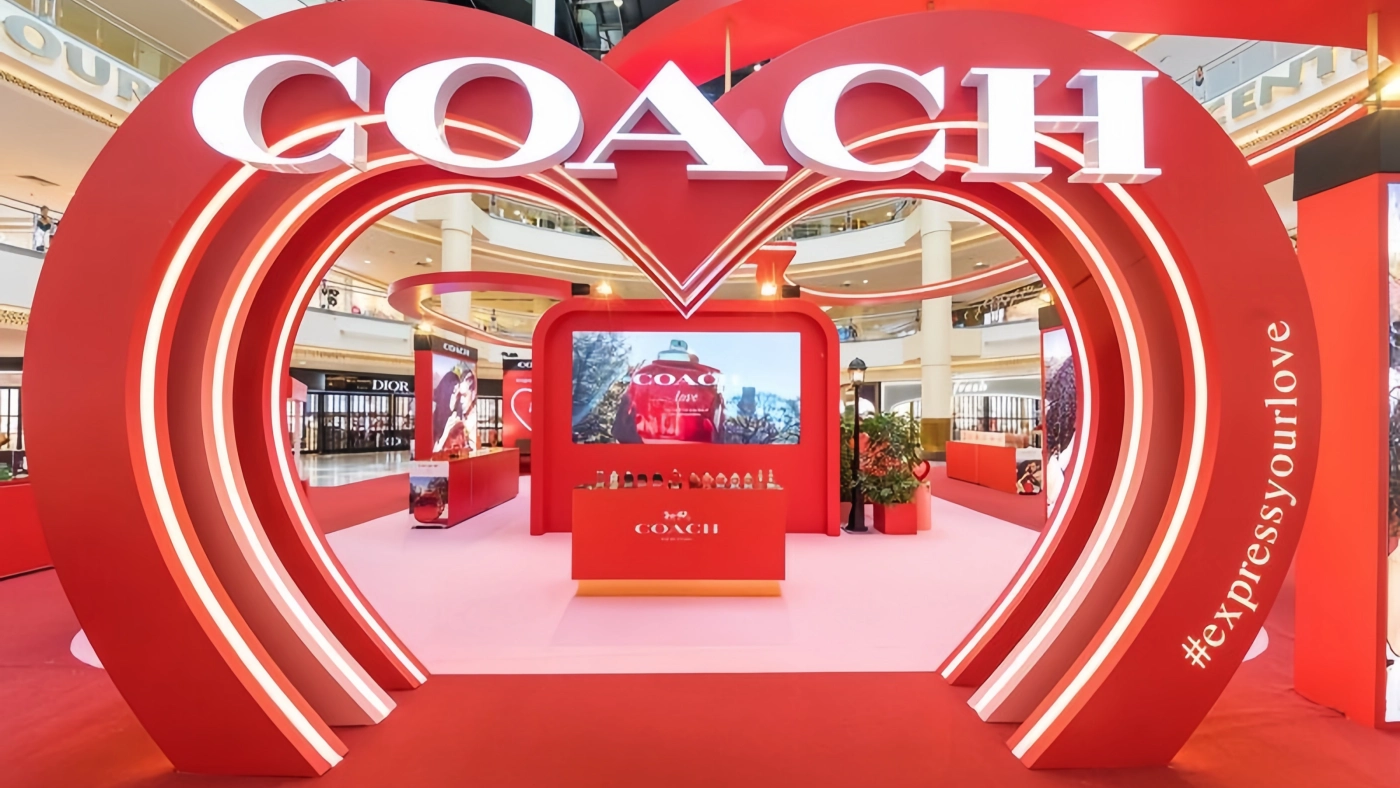
Customization, therefore, is about more than producing a prop with a distinctive appearance. It is the process of turning a creative concept into a finished physical product that can be manufactured, transported, installed, and used as intended.
The main advantage of renting is that the required items can be selected from an existing inventory. There is no need to develop an entirely new design or go through a full production process.
For example, a company organizing a two-day indoor promotional event may need only standard display tables, conventional backdrops, partition columns, and basic lighting equipment. These requirements can usually be met through rental.Rental suppliers generally manage inventory, arrange delivery and transportation, provide basic setup services, and collect the items after the event. For projects with straightforward visual requirements and little need for brand-specific customization, renting can reduce the initial procurement commitment and avoid the time involved in design and fabrication.
The trade-off is that rental options are limited by available stock. Clients generally have to choose from the supplier’s existing styles, colors, dimensions, and materials. Some items may be adapted with decals, digital prints, or decorative details, but these modifications are unlikely to satisfy more demanding structural or design requirements.
During procurement, the most cost-effective option cannot be identified simply by comparing the quoted price of an individual prop. For a brand event, the decision should reflect the project’s objectives, conditions of use, and full lifecycle.
Design flexibility is one of the clearest differences between the two approaches.
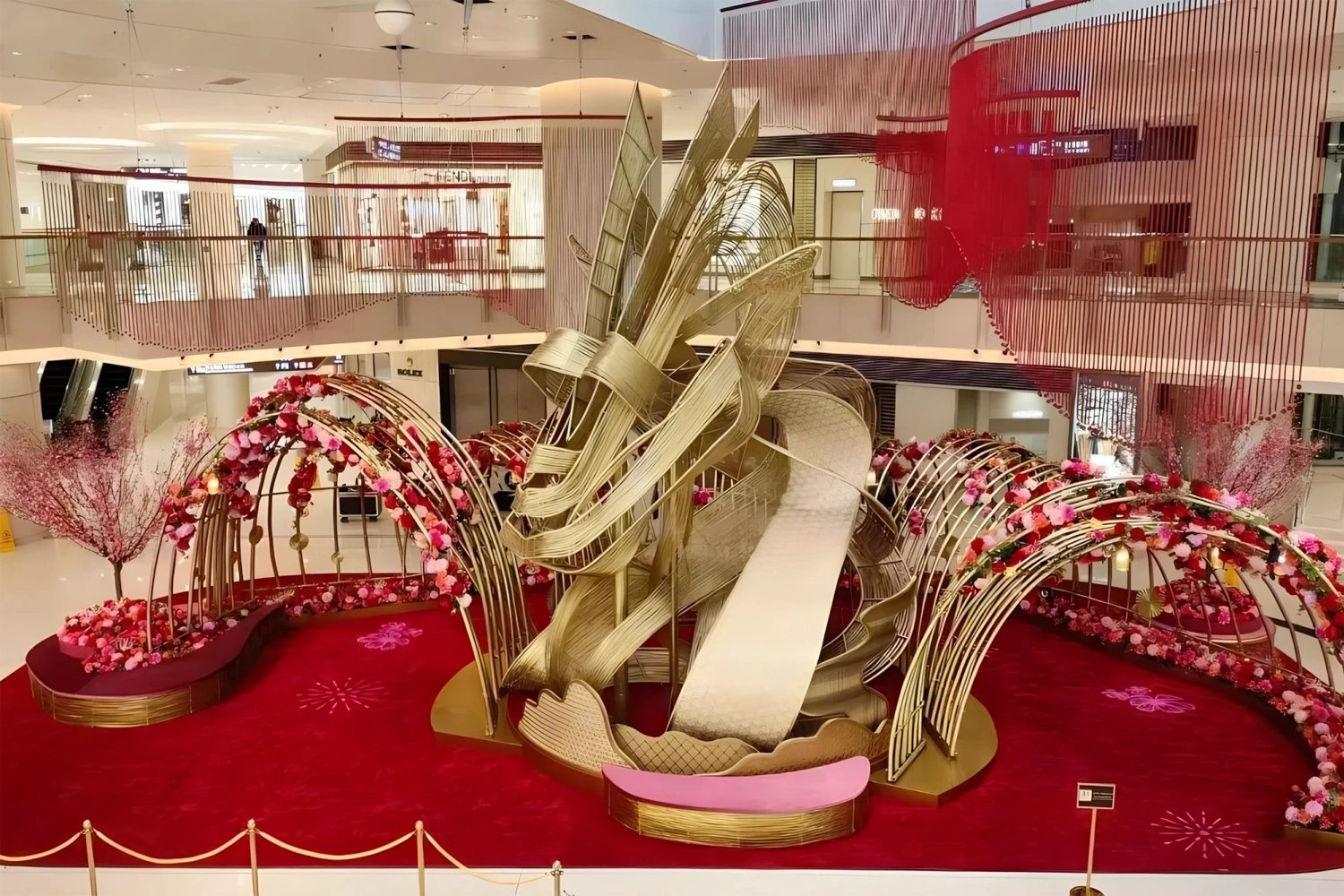
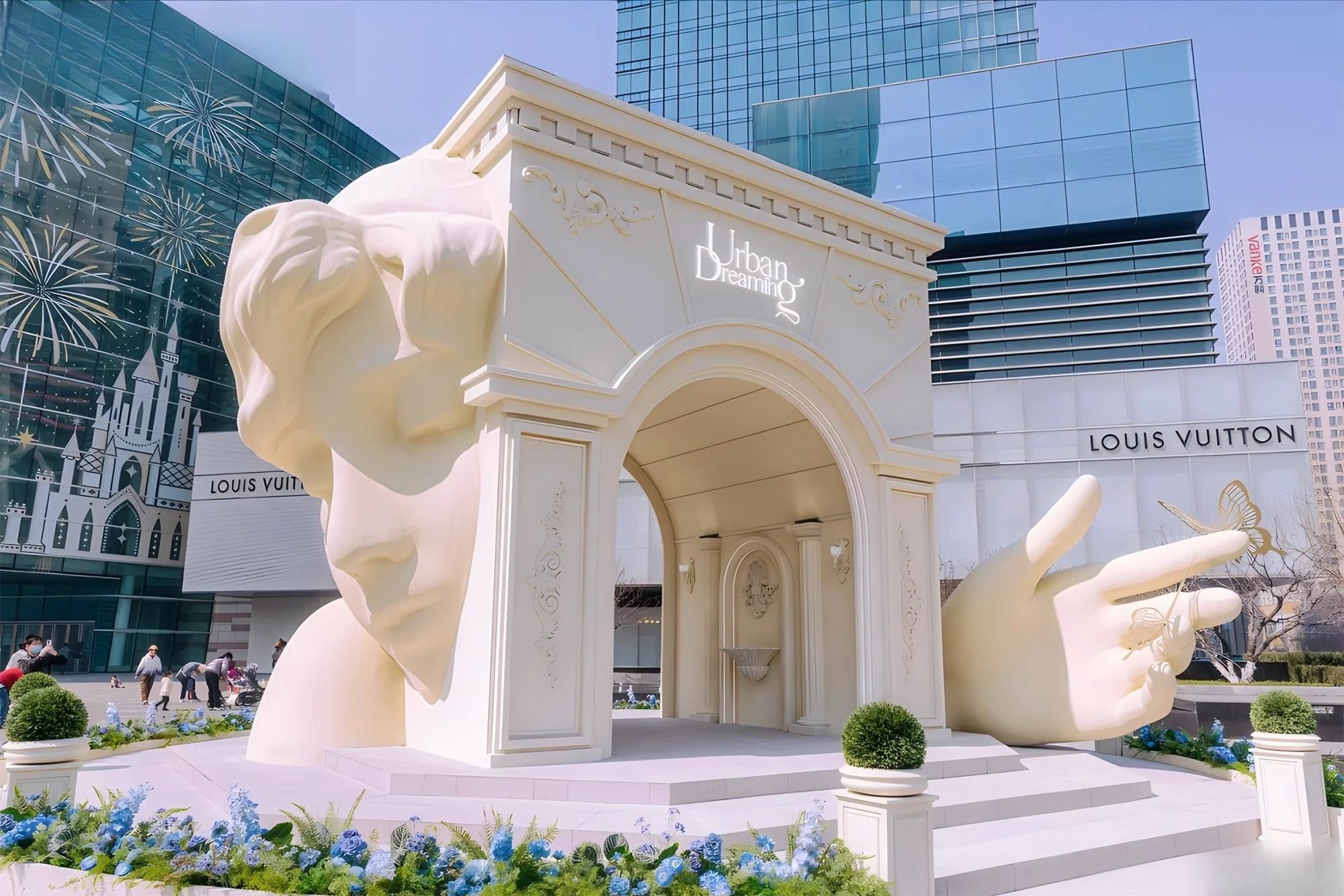
Rental props are selected primarily from a supplier’s existing inventory. Although colors may be changed, logos added, or decorative details adjusted, substantially changing the original product’s form and structure is often difficult.If an event needs standard backdrops, display stands, or basic shelving, off-the-shelf products will often do the job.If the brief calls for a distinctive themed environment—such as oversized product sculptures, immersive interactive scenes, art installations, themed entrances, or large-scale photo opportunities—custom fabrication is generally the more suitable route.
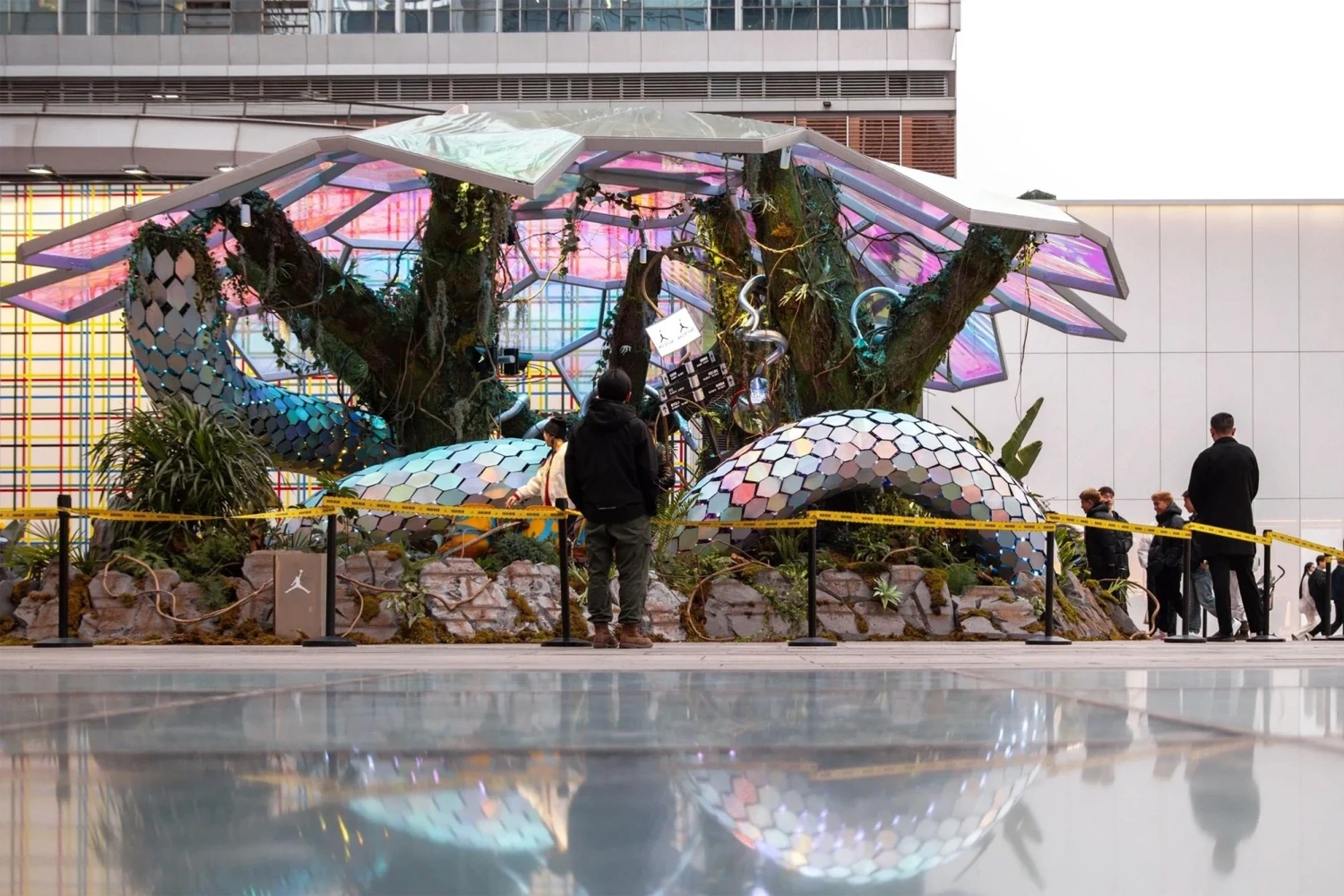
With custom event installations, designers can develop original three-dimensional forms around the brand concept while accounting for visitor circulation, viewing and photography angles, interaction points, and the spatial relationships within the venue.For campaigns that depend on social media exposure, a visually distinctive installation can also become a focal point for visitor-generated content and wider brand communication.
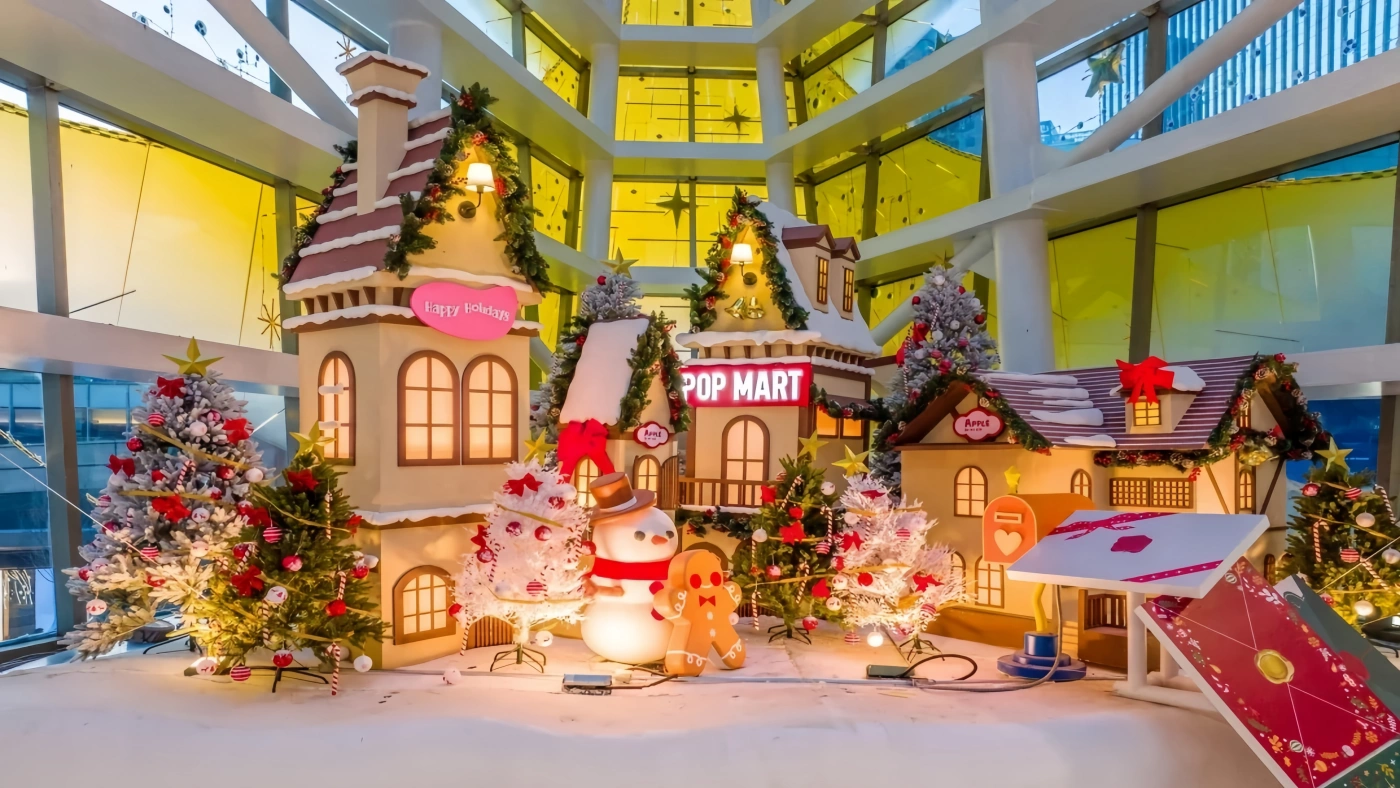
The aim of a brand event is not simply to create an attractive space. It is to create an experience that visitors associate with the brand and remember afterwards.
Standard rental props can often be given a basic brand treatment through digital printing, vinyl wraps, light-box graphics, or applied logos. Even so, the underlying design may look similar to items used at other events.Custom event props, in contrast, allow the overall design, material finishes, brand colors, logo placement, lighting, and interactive features to be developed as one coordinated visual system.
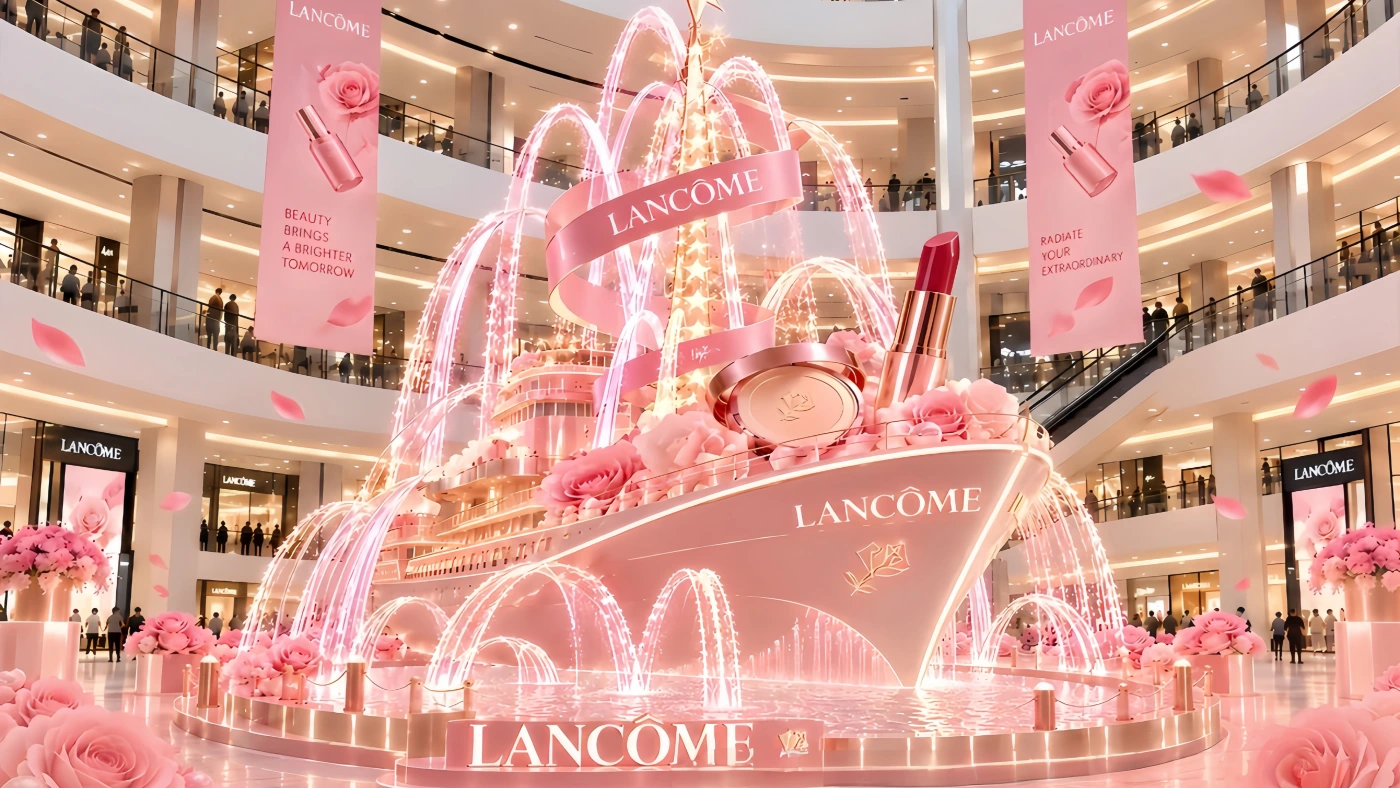
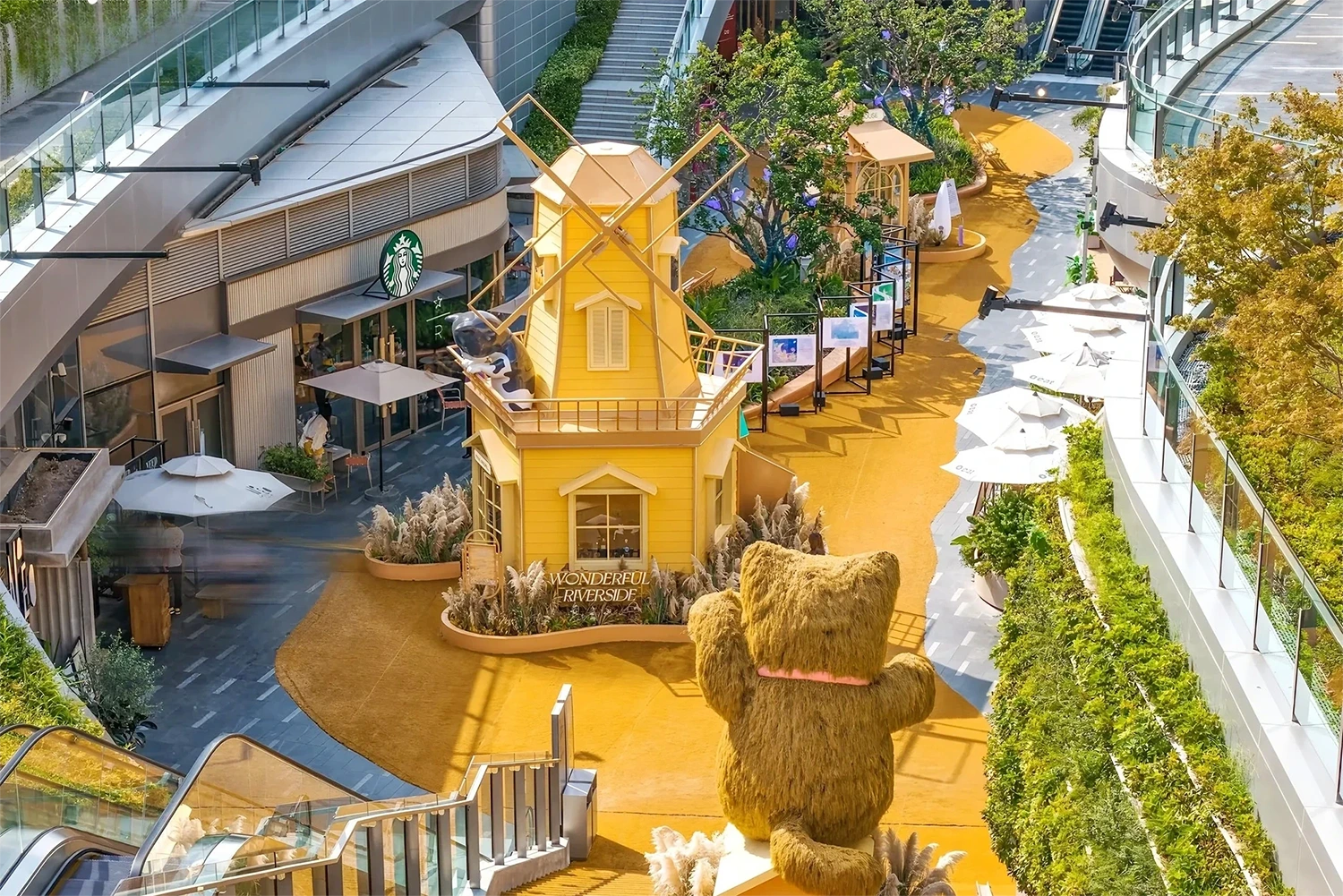
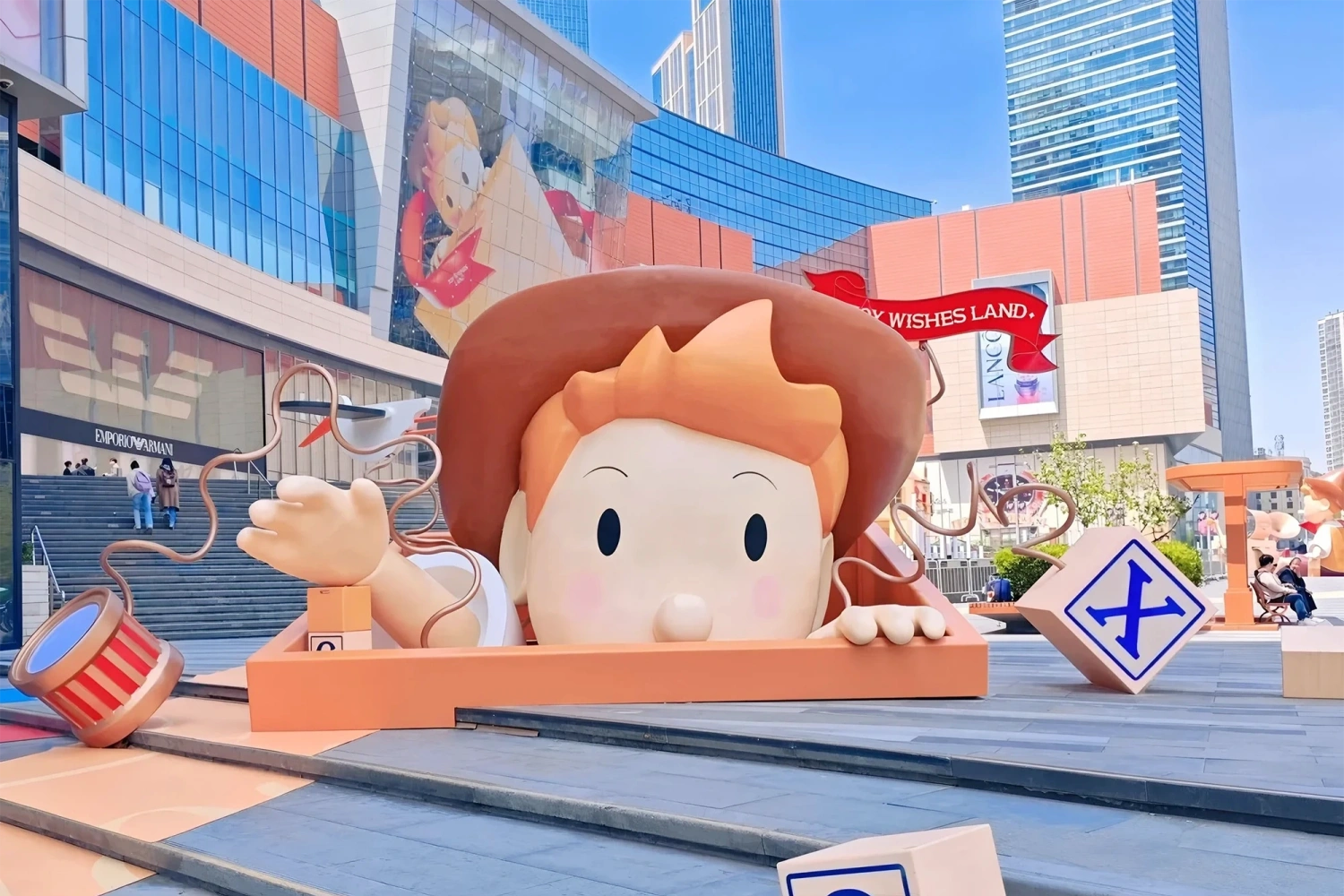
For example, a cosmetics brand could commission an oversized display installation inspired by the form of one of its products. An automotive brand could create a streamlined vehicle display platform. A children’s consumer brand could use character sculptures, themed entrances, and interactive scenes to create a more engaging visual environment.The value of customization lies not only in the physical props themselves, but also in how effectively they reinforce the visual identity of the wider marketing campaign.
Rental usually requires less upfront spending, but that does not mean it is the more economical choice for every project.
Rental charges may include the item hire fee, delivery and transportation, installation and dismantling, labor, a security deposit, and additional charges for extended use or damage.Custom fabrication costs may include design development, structural engineering, raw materials, manufacturing, surface finishing, quality inspection, packaging, transportation, and on-site installation.When the comparison is limited to the cost of the first event, renting will often be more economical. However, if a brand intends to use the same props across several cities, at multiple points throughout the year, or in different marketing campaigns, the full lifecycle cost should also be considered.
For example:
▪ Project A: A three-day promotional event needs only standard display racks and backdrops. Renting is usually the more practical choice.
▪ Project B: A brand plans to run five promotional events in different cities over the next year, all requiring a consistent branded installation. A custom solution may provide better value over repeated use.
▪ Project C: A company is developing a permanent brand exhibition space with bespoke dimensions and specialized structures. Custom fabrication is generally better suited to the requirements.
The following formulas can be used as a starting point for comparing the two options:
Total Cost of Customization = Design and Engineering Fees + Production Costs + Packaging and Shipping Costs + Installation Costs + Post-Installation Maintenance Costs
Total Cost of Rental = Rental Fees + Multiple Transportation Charges + Installation and Dismantling Costs + Extension Fees + Damage Charges and Other Additional Costs
For projects involving repeated use, the assessment should also account for how many times custom props can be reused, as well as storage conditions, maintenance expenses, and potential residual value.The meaningful comparison is therefore the total cost over the project’s lifecycle—not just the initial purchase or rental quote.
At large-scale commercial events, props must do more than deliver the intended visual impact. They must also meet requirements for structural stability, operational safety, and installation under the conditions of the venue.Rental products are generally designed around standard dimensions and common use cases. Where a venue has an unusually high or low ceiling, narrow access routes, challenging floor conditions, or specific load-bearing requirements, an off-the-shelf item may not be suitable without modification.Custom event props can be engineered and configured to suit the conditions of a particular site.
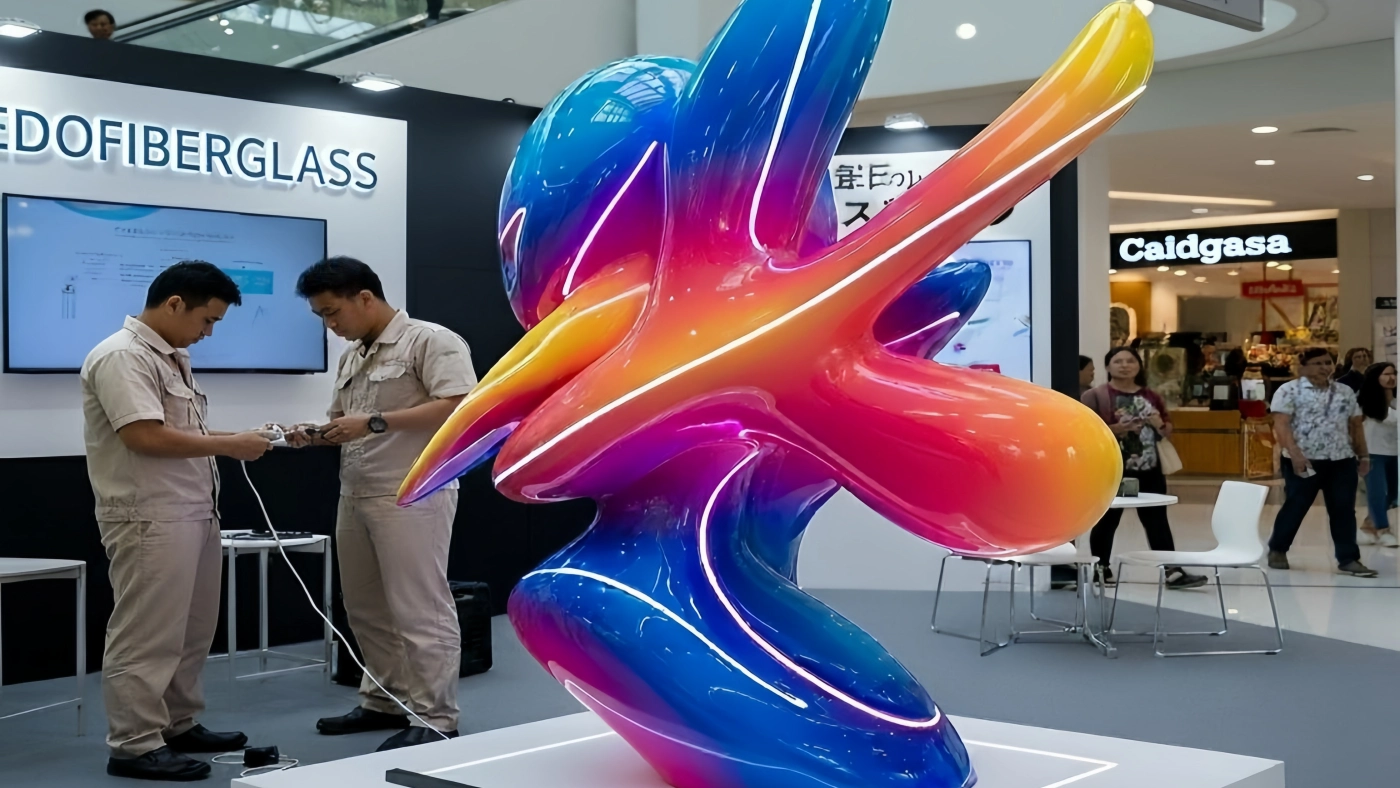
For a large suspended installation, for example, the design must take account of suspension-point locations, the weight of the structure, connection details, and the venue’s load-bearing capacity. For a large freestanding sculpture, the team must assess the base design, center of gravity, tipping risk, and potential external forces caused by visitor contact.In public areas and high-traffic commercial venues, material and structural specifications must also be established with reference to applicable local building codes, fire-safety requirements, electrical standards, and the venue operator’s approval criteria.It is important to note that custom fabrication does not automatically make a prop safer. Safety depends on sound engineering, appropriate material selection, manufacturing quality, and correct on-site installation—not simply on whether an item is custom-made or rented.
Renting is often a good fit for projects with tight schedules, particularly when the supplier already has suitable items in stock. Product selection and delivery can therefore be arranged relatively quickly.Custom projects, however, usually pass through several stages: requirements review, concept development, engineering, material procurement, sample approval, production, quality inspection, and transportation.
The production schedule may be longer when the project involves large sculptures, irregularly shaped structures, interactive lighting, or a combination of different materials.Brands should therefore decide early in the planning process whether custom fabrication is required. Waiting until the event date is approaching before contacting a manufacturer can leave insufficient time for design development, production, and delivery.
For overseas events, the schedule must also allow for export packaging, international freight, customs clearance, and coordination of installation at the destination.
The expected service life of event props is another important procurement consideration.
One advantage of renting is that businesses can use a supplier’s existing inventory without purchasing standard items for a single event.For custom products, reusability can be built into the design from the outset. Modular structures, detachable connections, replaceable decorative elements, and repeatable assembly methods can make it easier to adapt the same core installation for different events.For example, a branded pop-up installation could be designed with separate modules for the main steel structure, brand logos, light boxes, and themed decorations. At the next event, the team may need to replace only selected visual elements to create a different look.
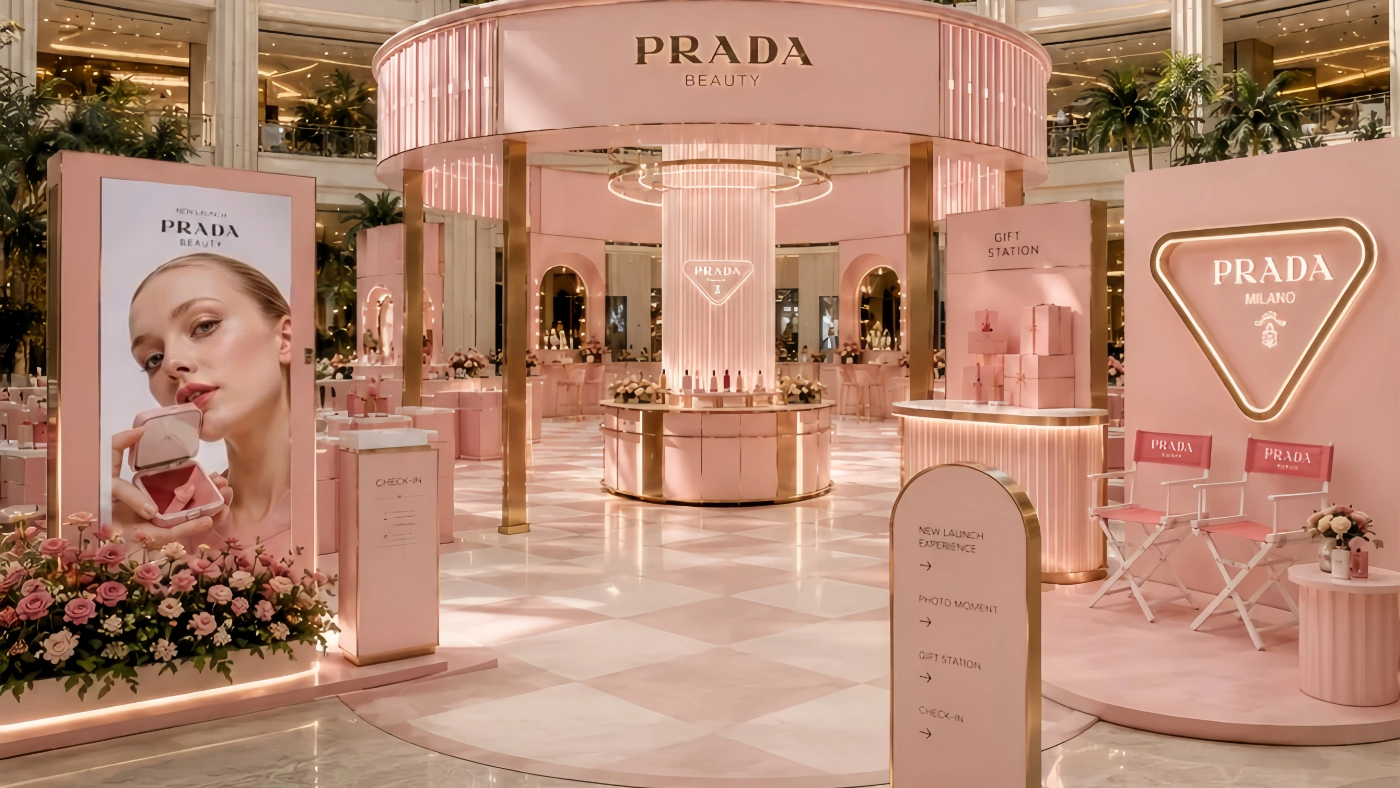
This approach can improve product utilization and reduce the need to manufacture an entirely new installation for every campaign.The international standard ISO 20121:2024, “Event Sustainability Management Systems,” emphasizes the systematic management of an event’s environmental, social, and economic impacts. When procuring event props, businesses can apply the same lifecycle perspective by considering material efficiency, reuse, maintenance, and end-of-life handling.
The U.S. Environmental Protection Agency’s (EPA) Materials Management Framework also identifies source reduction and reuse as priority approaches to resource management. For companies running long-term brand campaigns, investing in custom structures that can be dismantled, repaired, and reused may therefore be a worthwhile resource-management strategy.
Not every event needs custom-made props. The decision should be based on the event’s visual objectives, venue conditions, budget, and intended period of use.
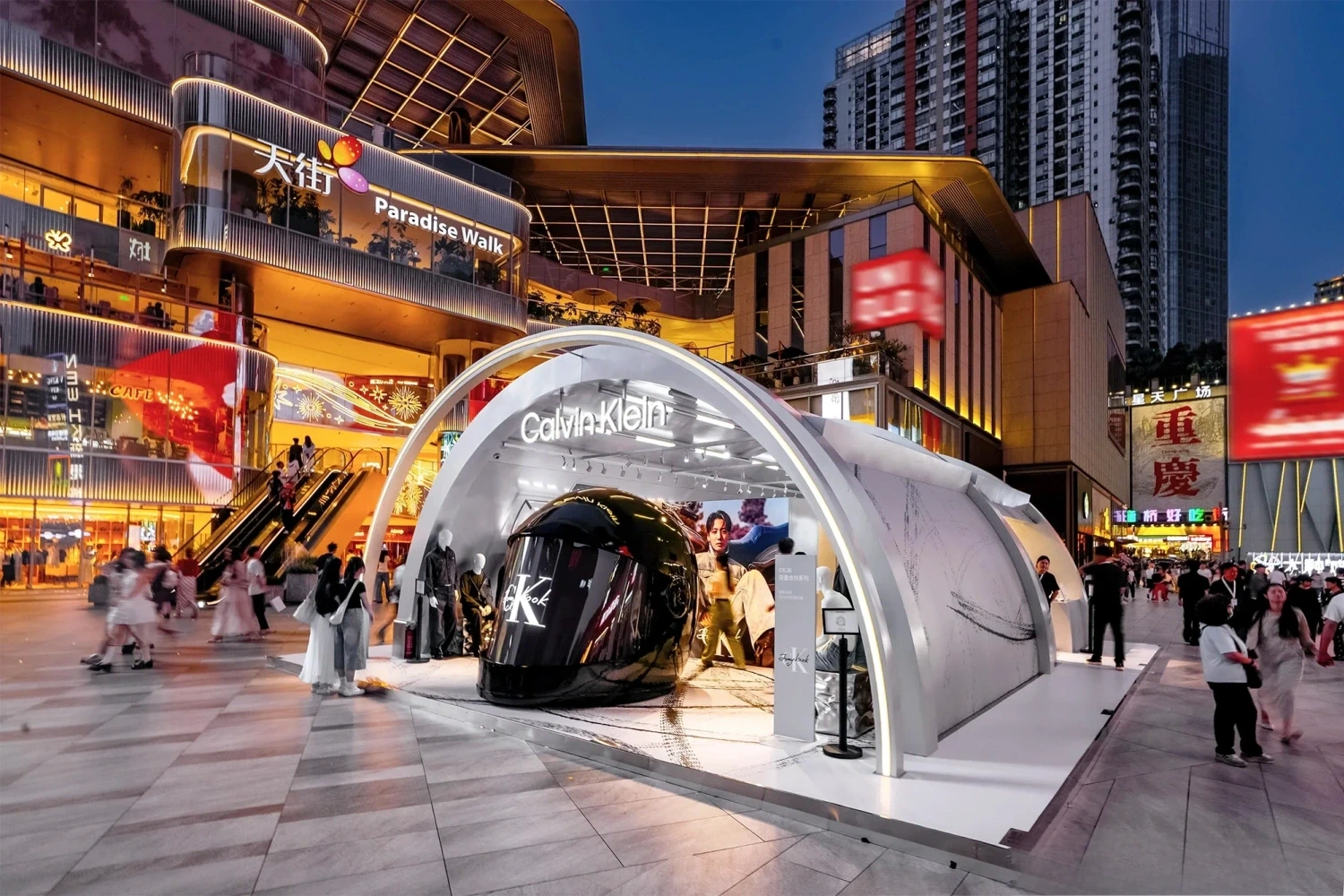
A new product launch is usually designed to draw attention to a product’s distinctive selling points. Display installations should therefore be developed around the product’s appearance, brand story, and campaign concept.Consumer electronics brands, for example, may need custom product display stands, suspended visual structures, interactive experience installations, and branded backdrops. Automotive brands may require large display platforms, themed entrances, and integrated lighting features.These projects are often highly brand-specific. Custom event props are therefore better equipped to deliver a consistent visual concept and meet product-display requirements.
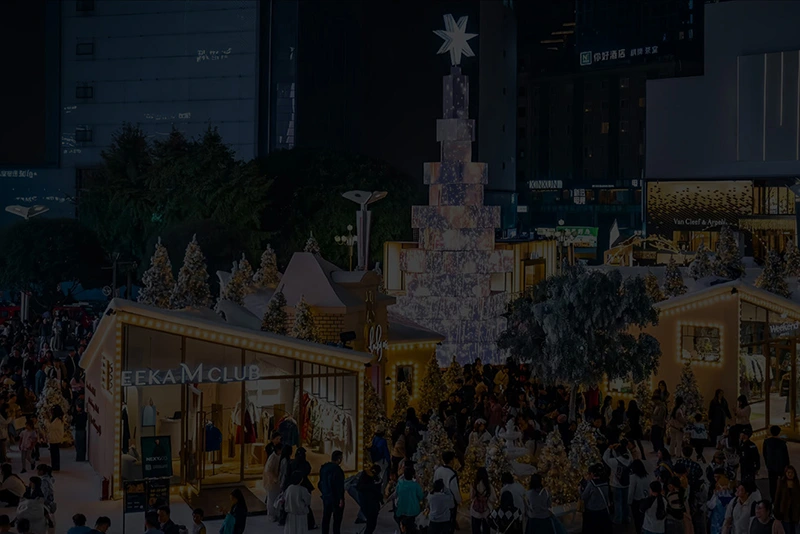
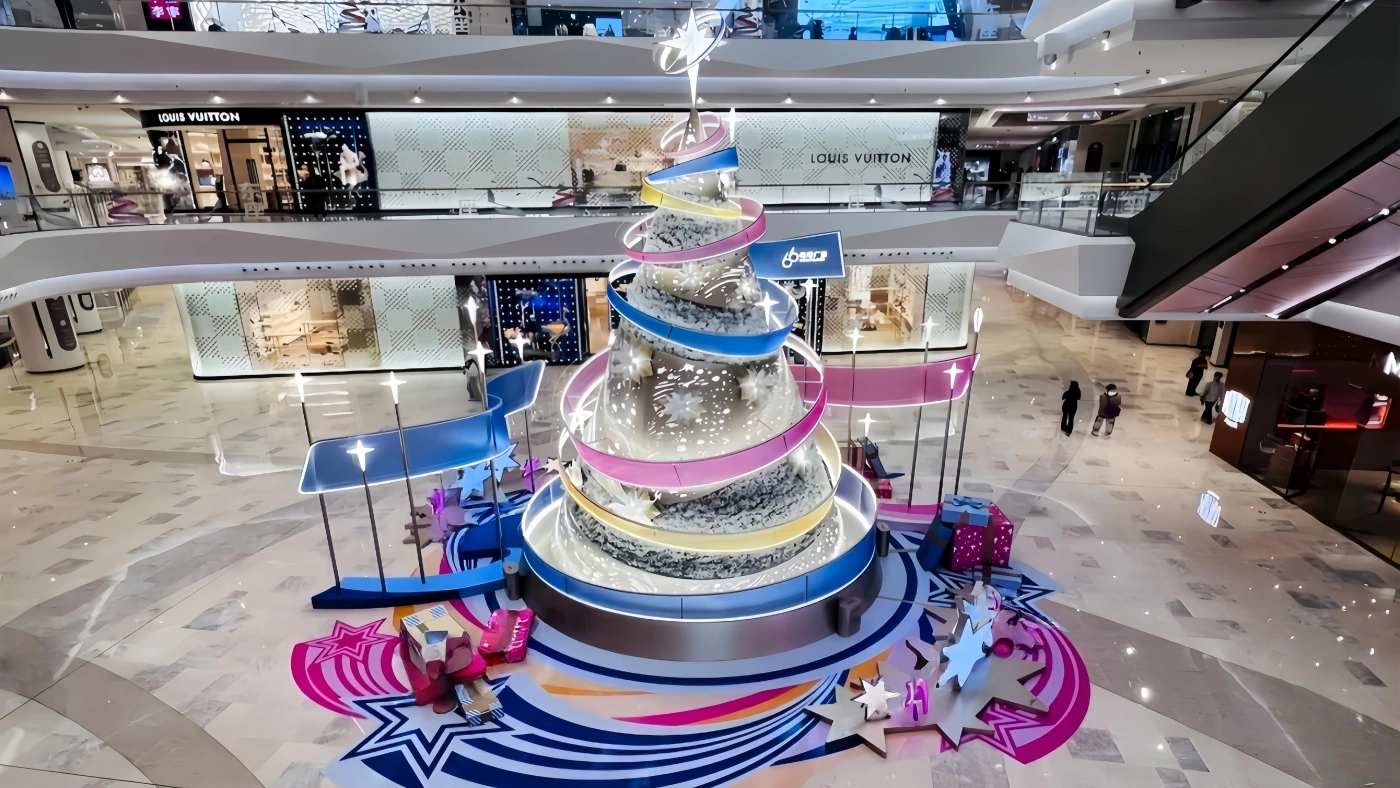
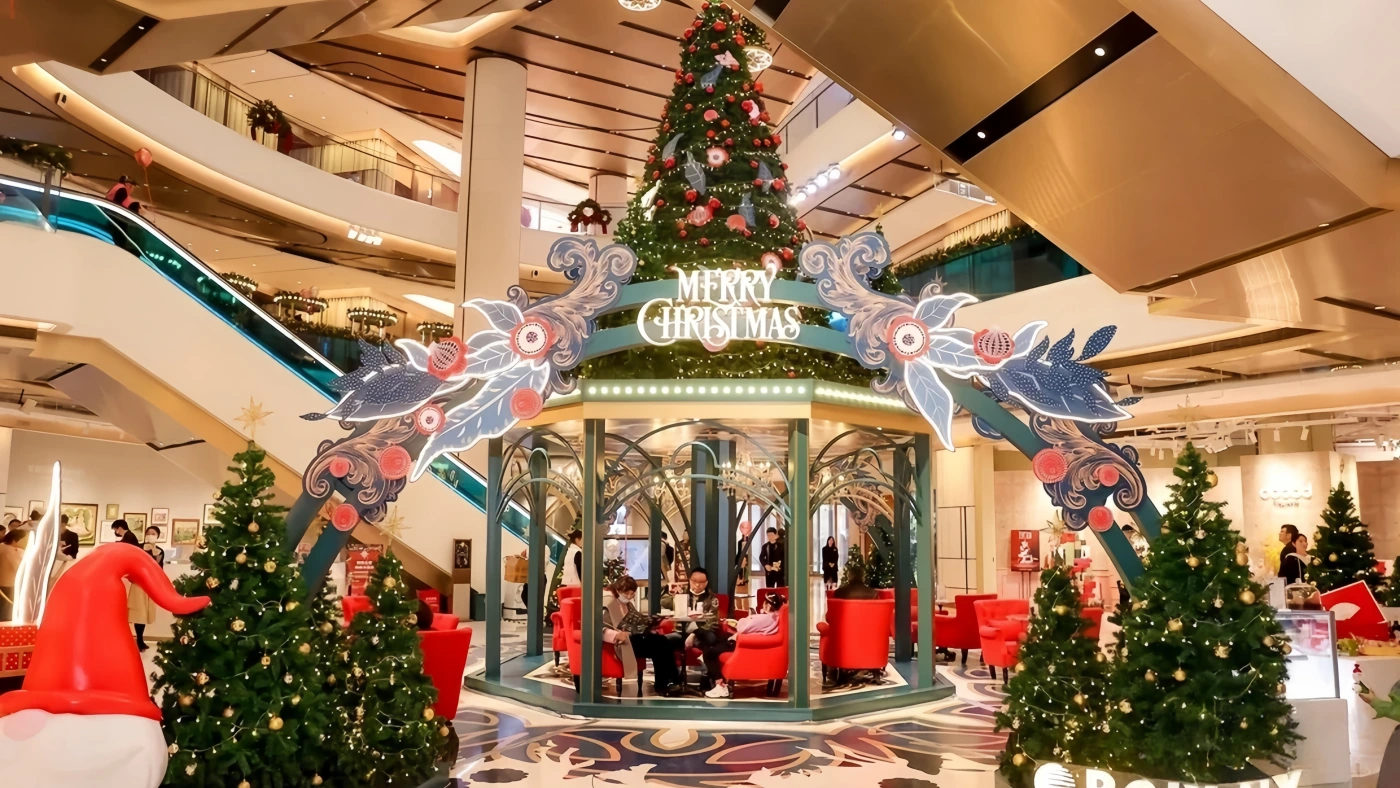
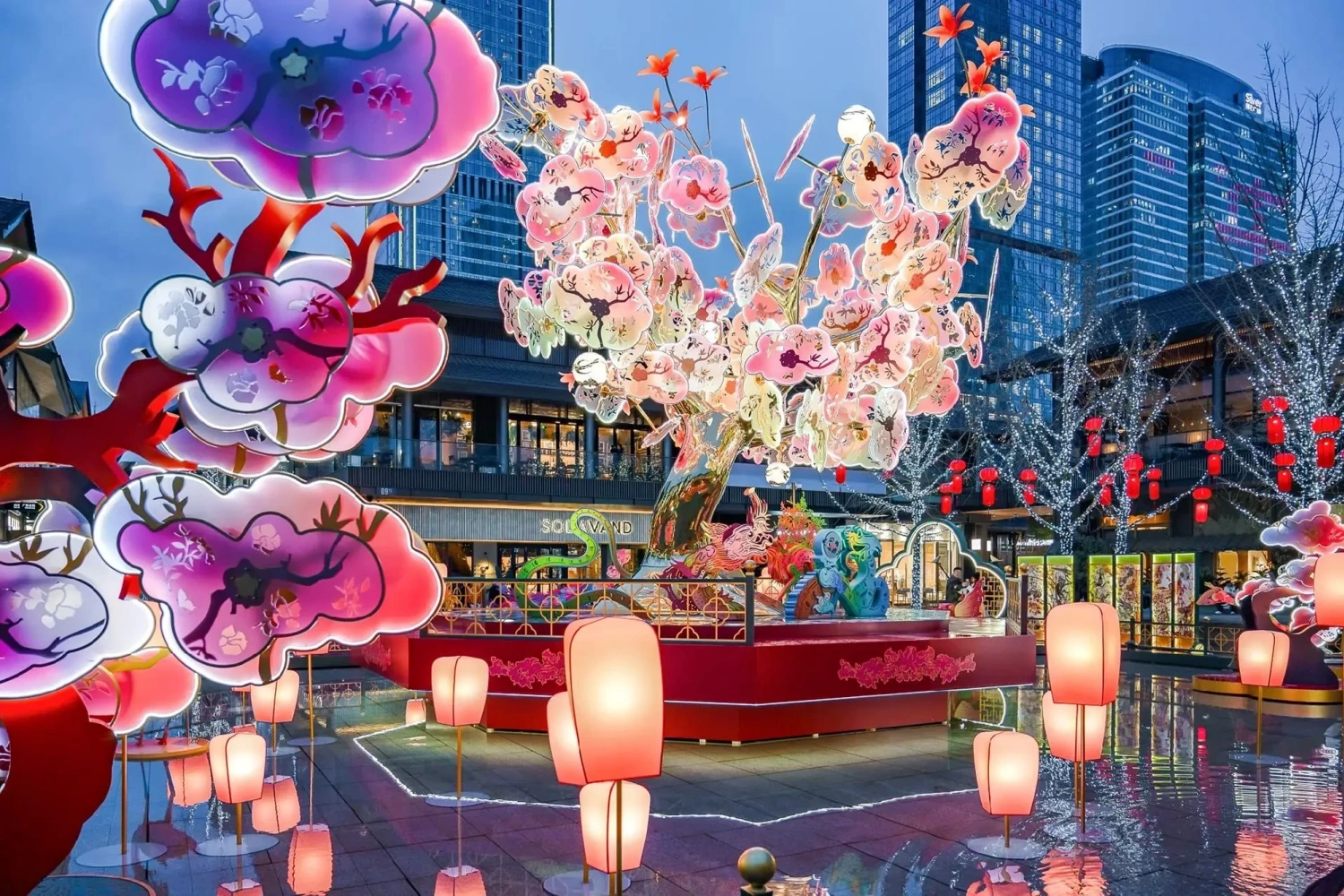
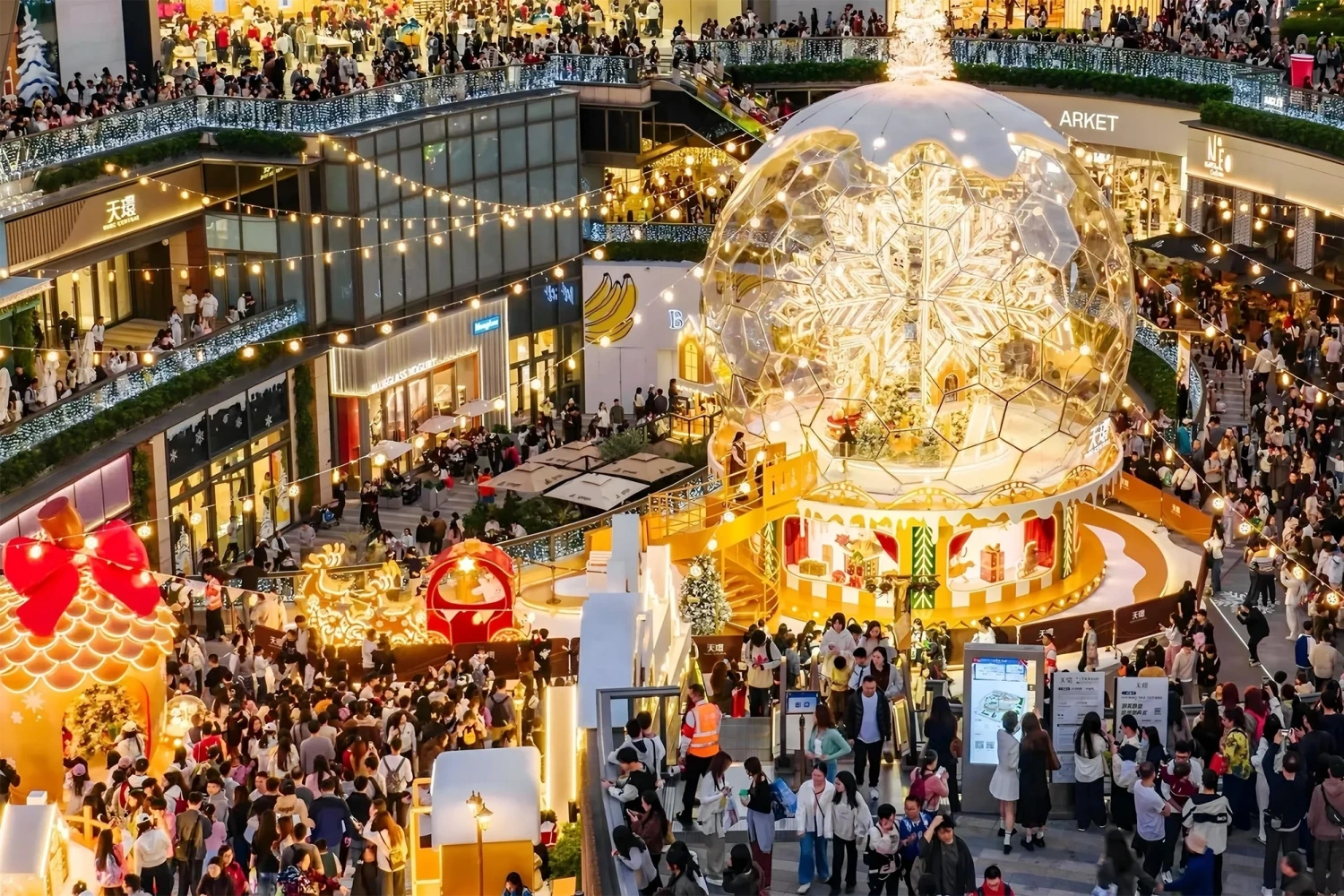
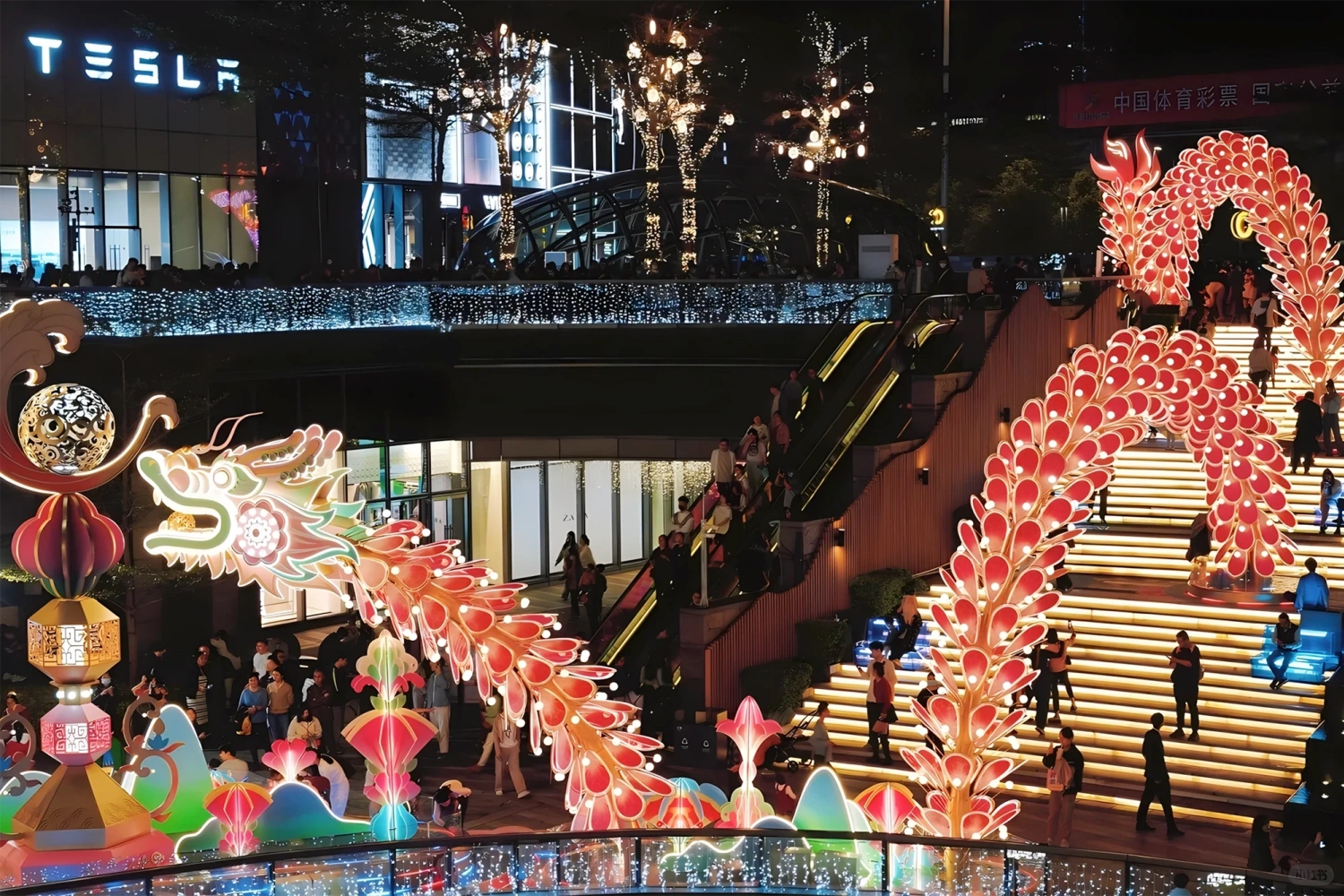
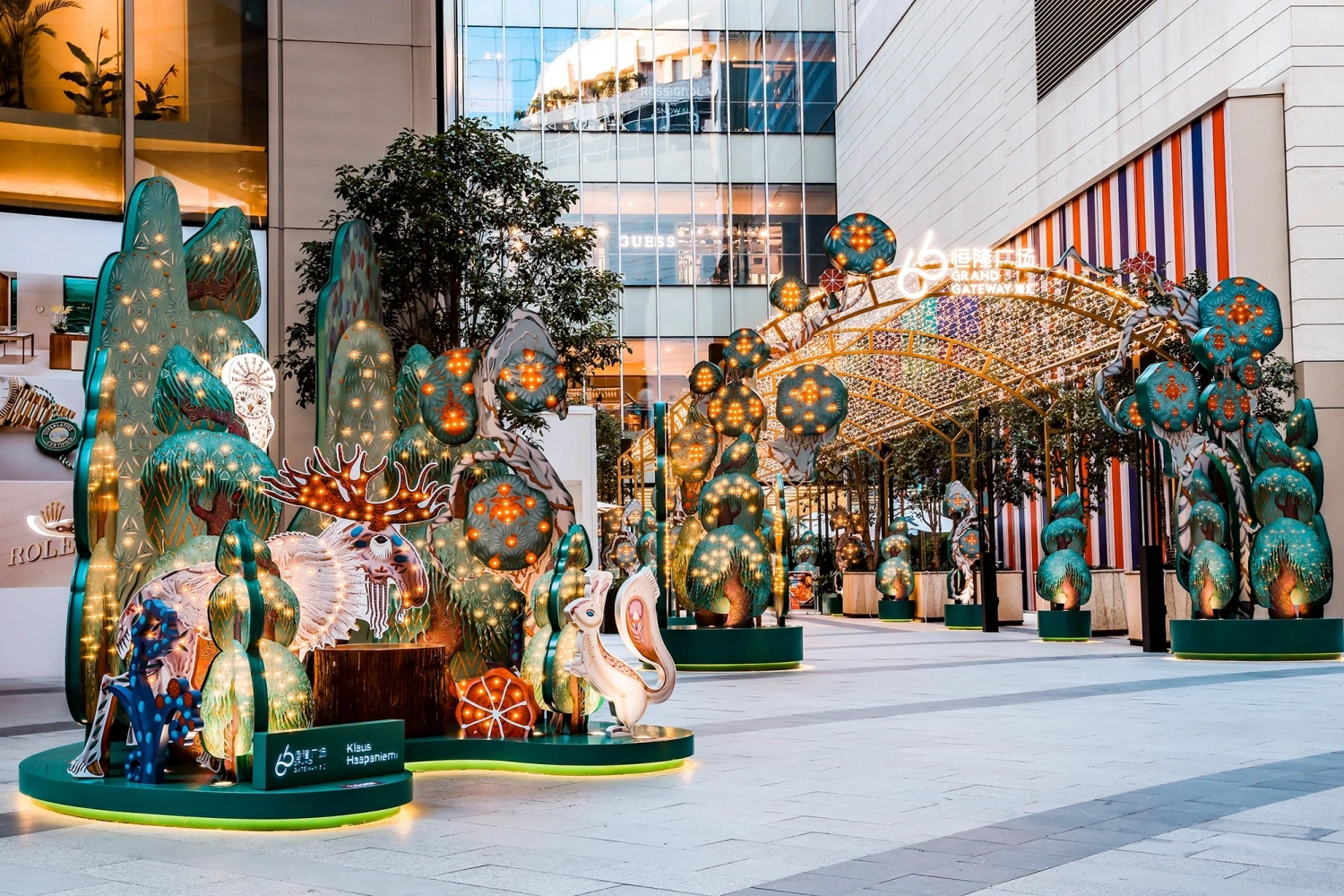
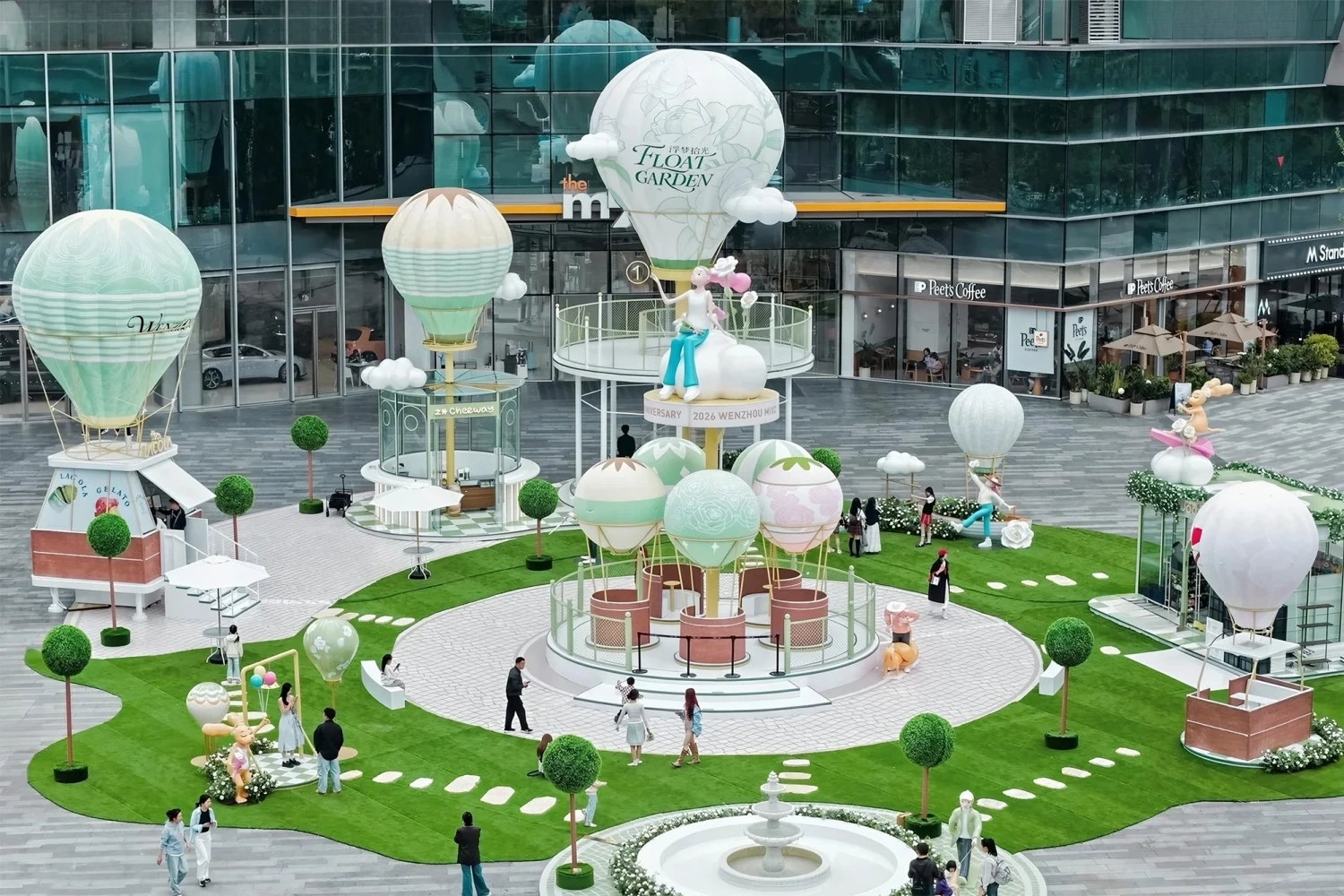
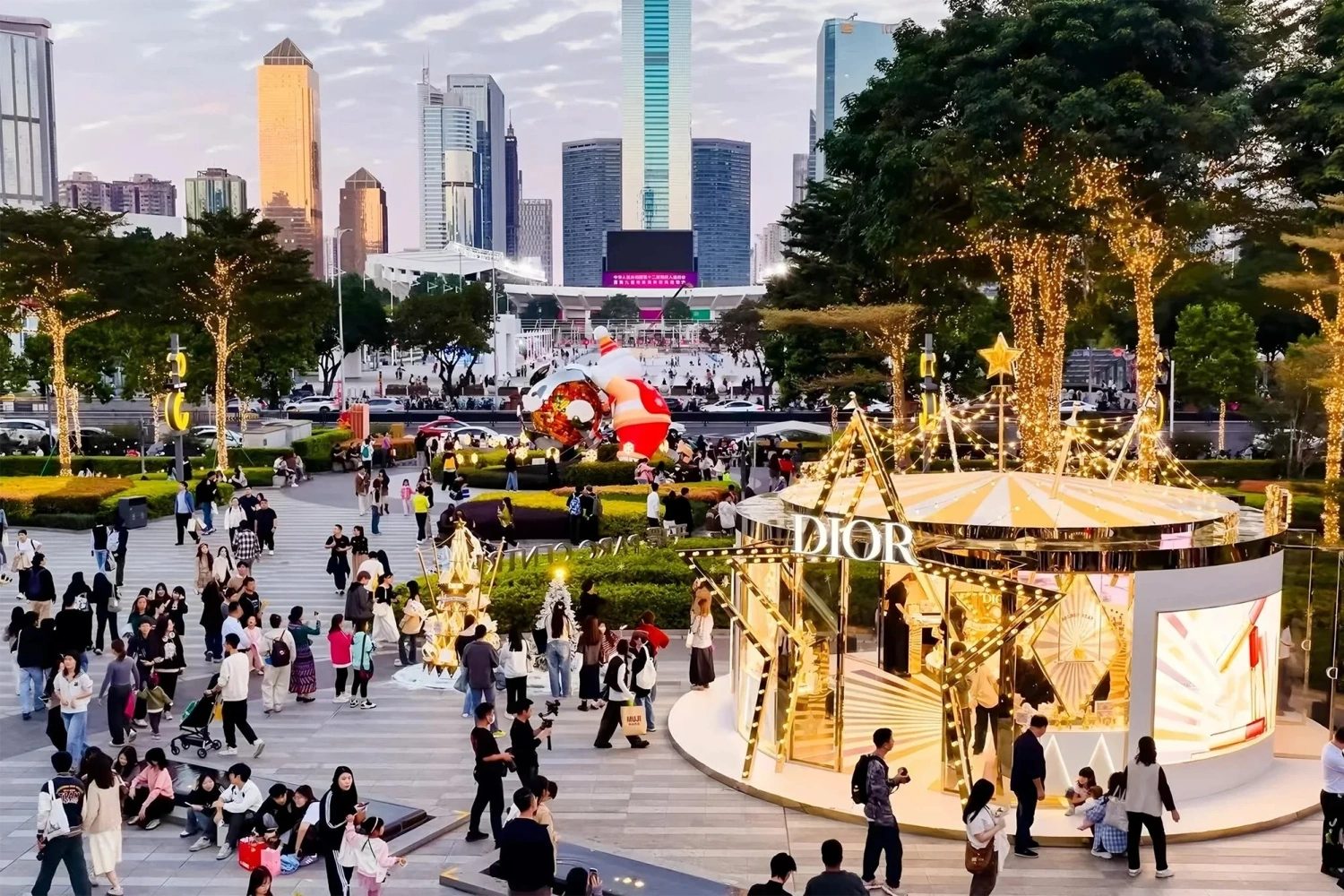
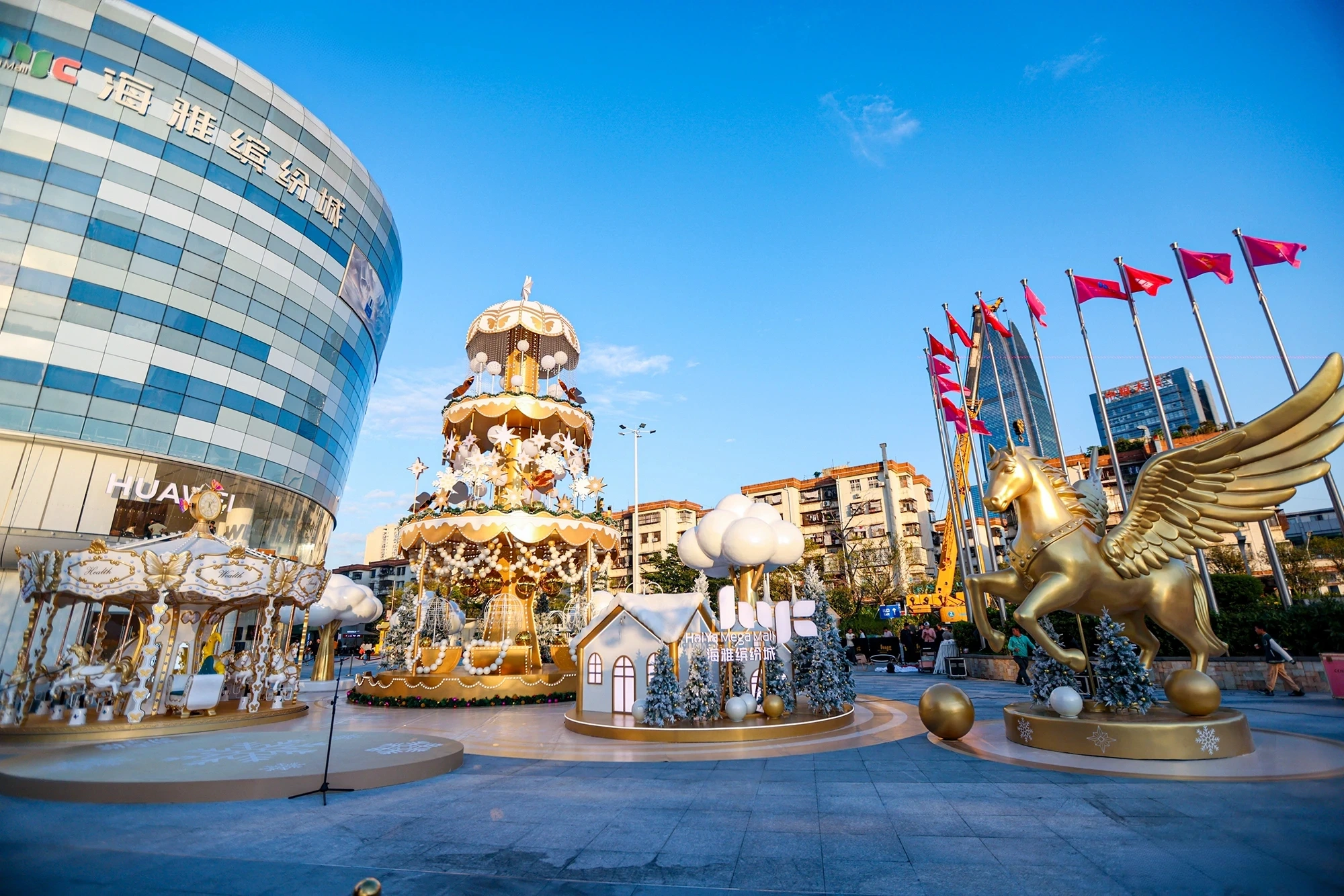
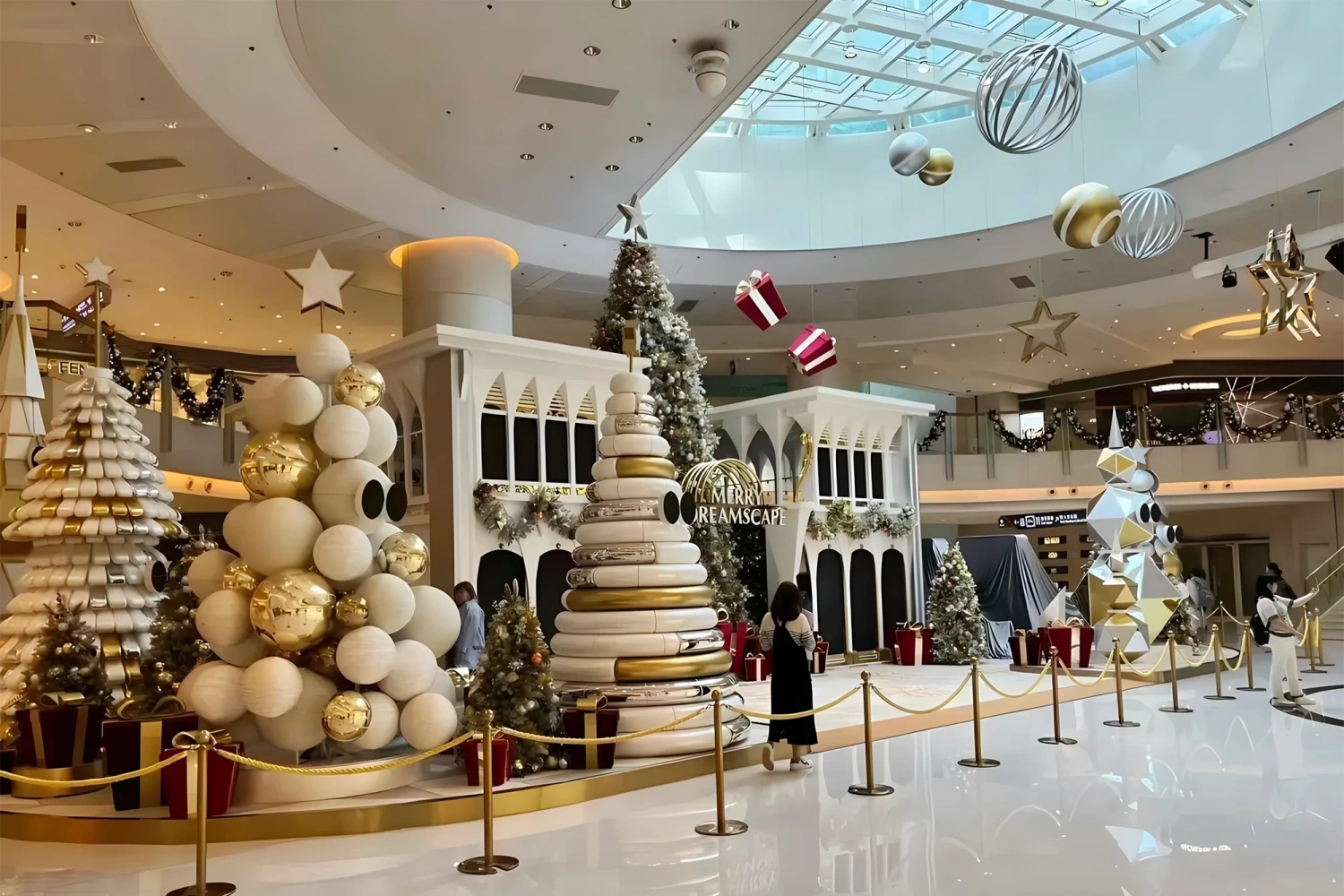
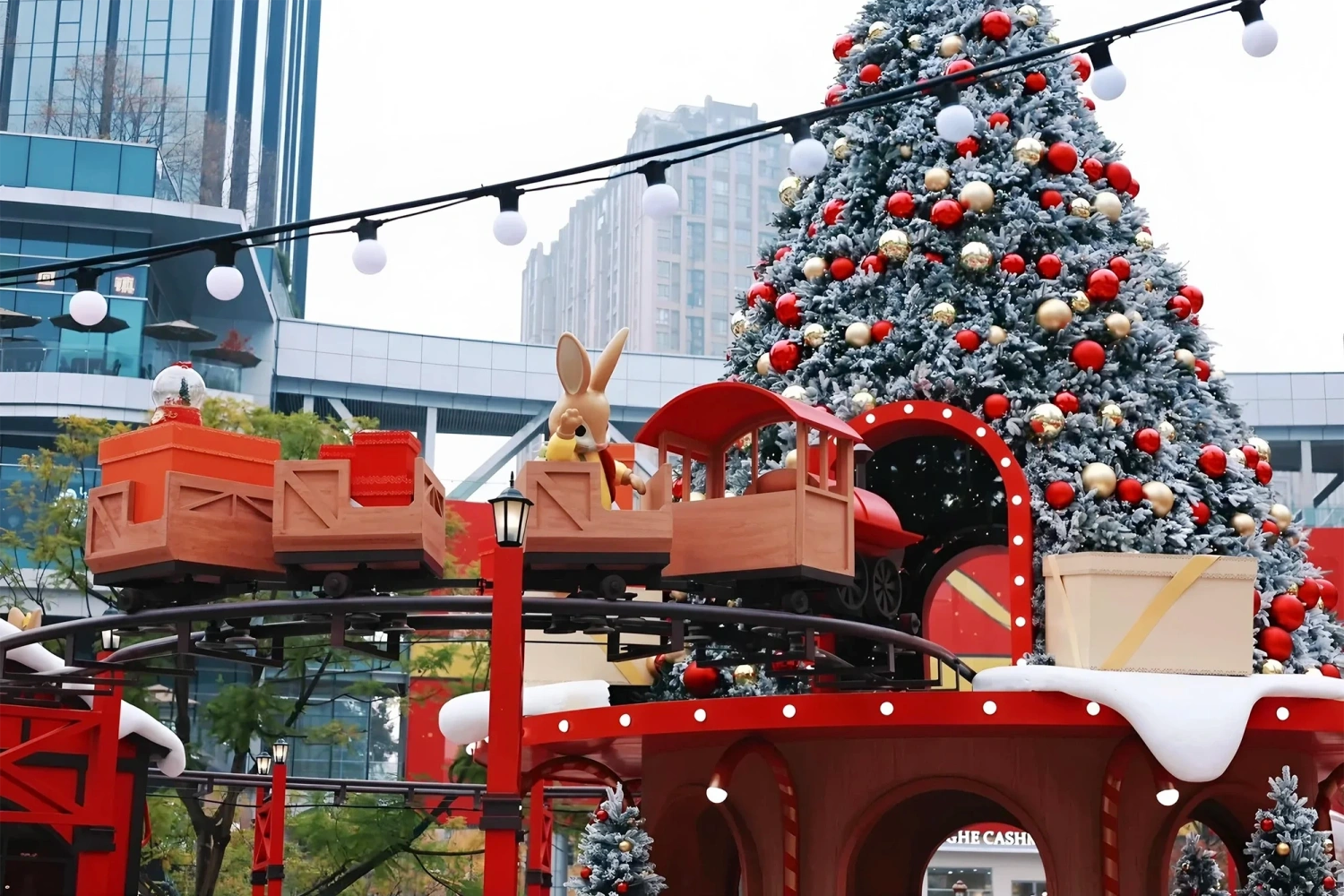
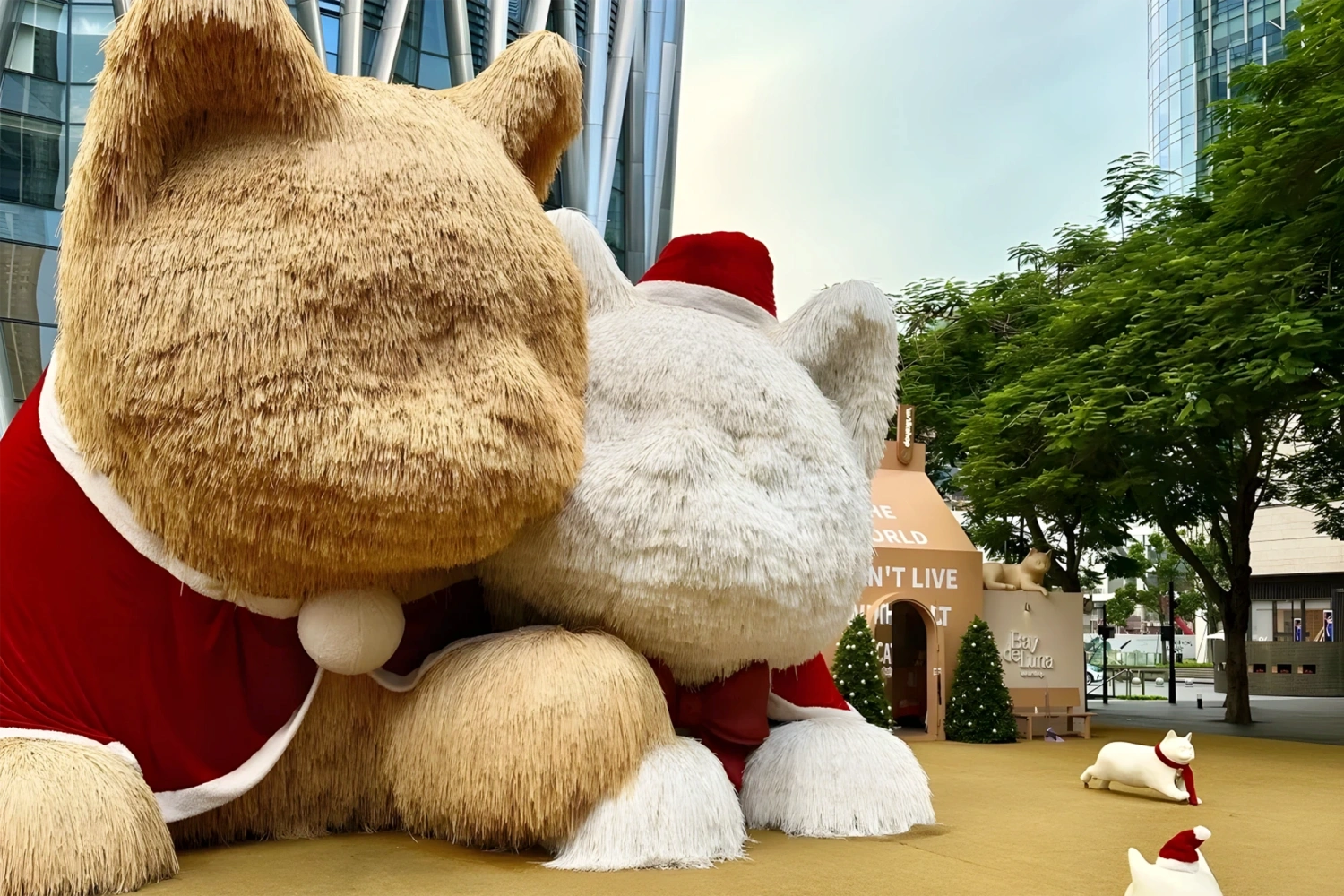
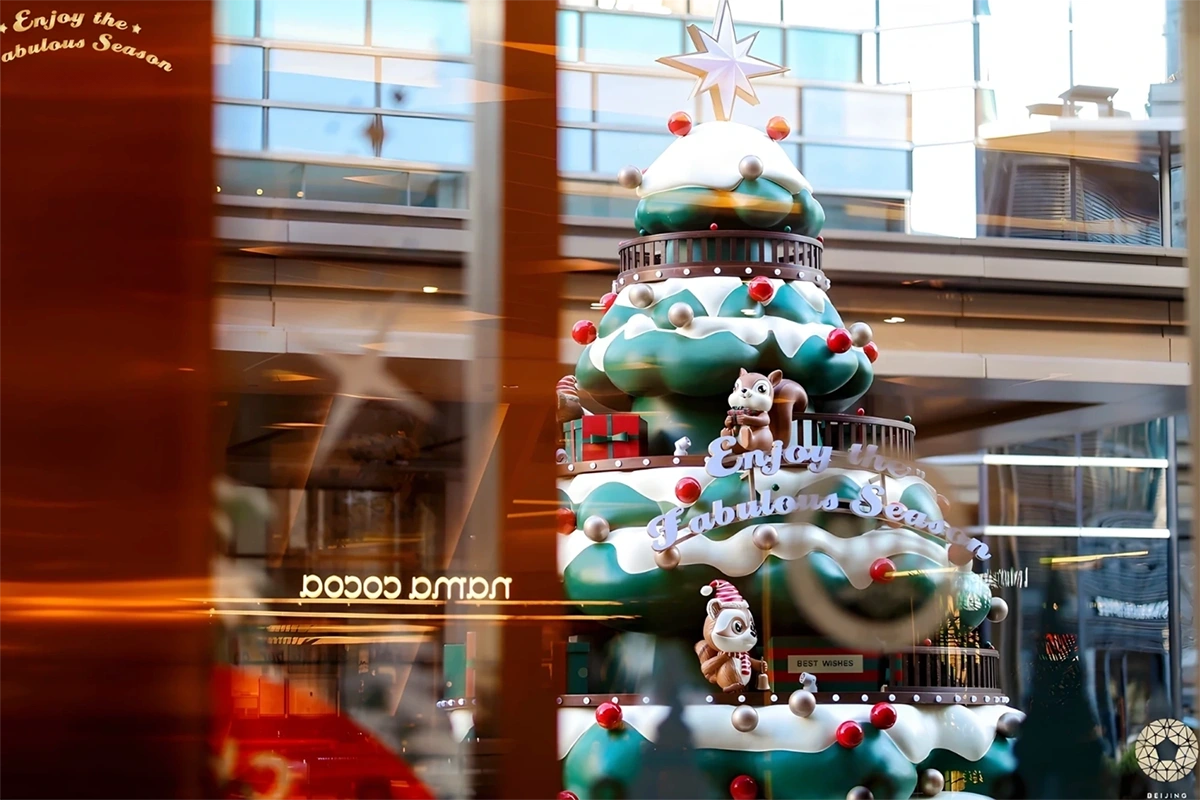
Shopping mall activations for Christmas, New Year, Valentine’s Day, and other seasonal occasions often call for large themed installations, statement entrances, interactive sculptures, and photo-op backdrops.Commercial venues also have specific architectural features, ceiling heights, visitor circulation routes, and fire-safety requirements. Standard rental props may not fit the spatial or design requirements of the overall scene.Custom mall installations are generally a better fit for projects that call for large-scale themed environments, immersive visitor experiences, or displays intended to remain in place for an extended period.
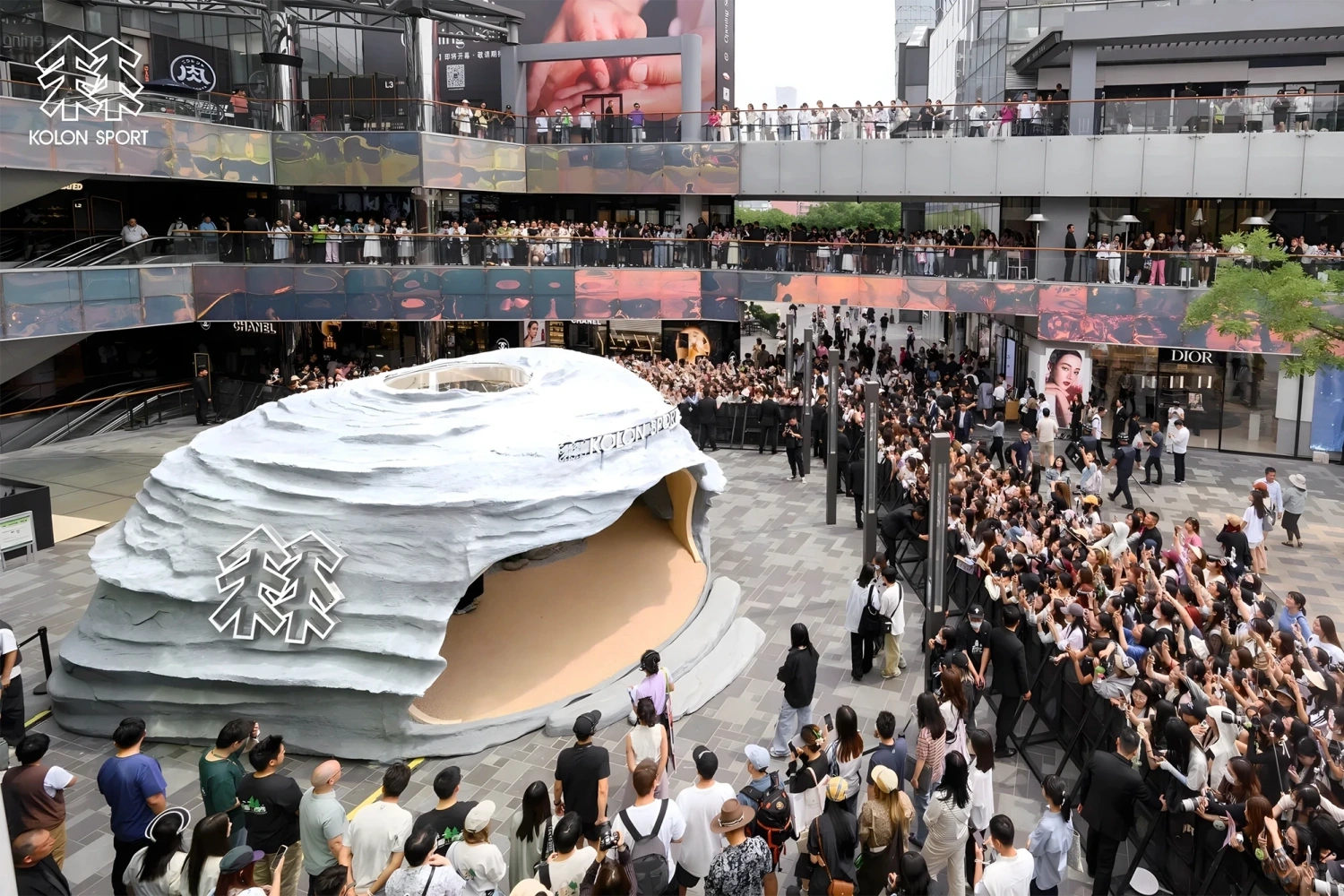
A key objective of a pop-up store is to build brand awareness quickly within a limited space and timeframe.
From the themed entrance and product display area to the interactive zones, every part of the space needs to communicate a consistent visual identity.Custom pop-up installations can be developed as modular systems around the campaign concept and venue dimensions. This makes it possible to balance transportation, assembly and dismantling, reusability, and on-site installation efficiency.For campaigns scheduled to tour multiple cities, modular construction should be considered at the design stage rather than added as an afterthought.
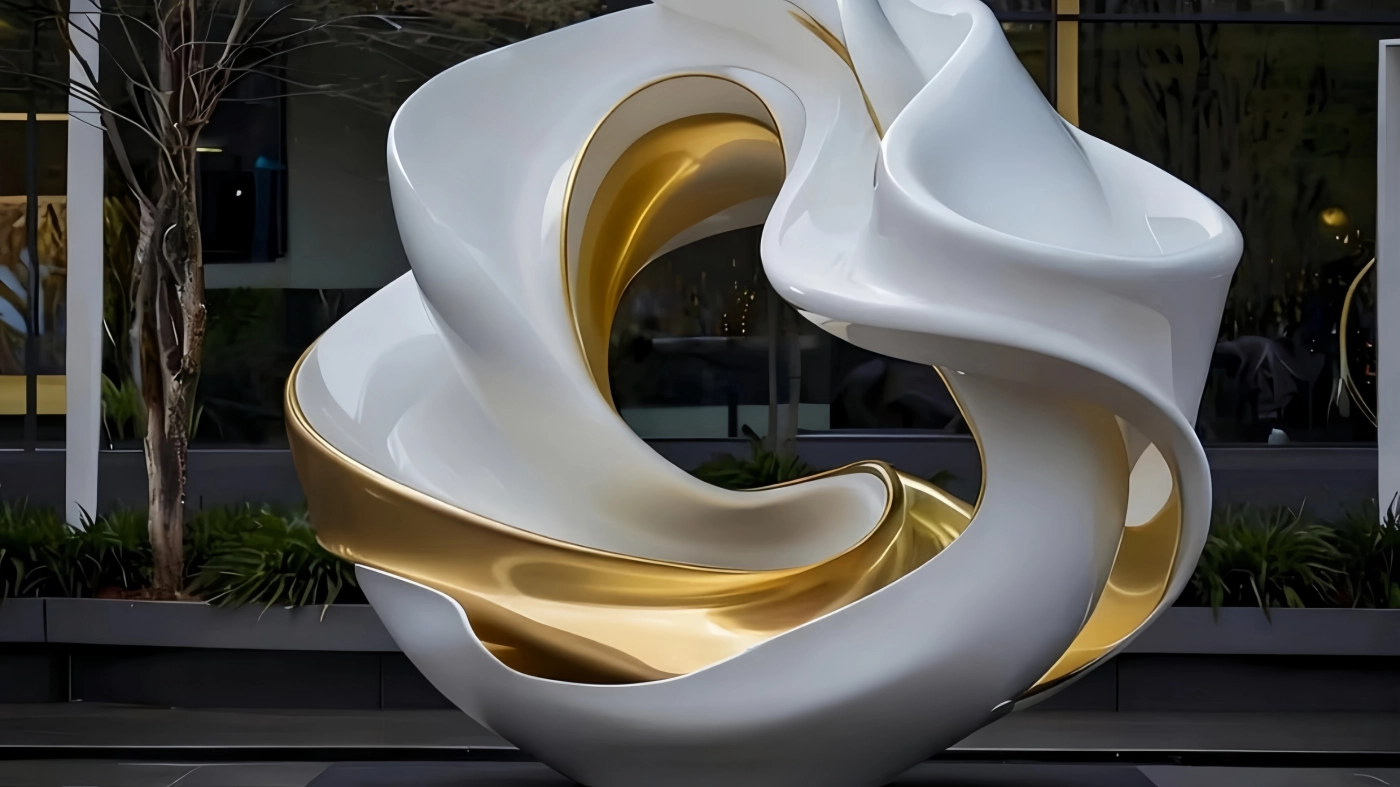
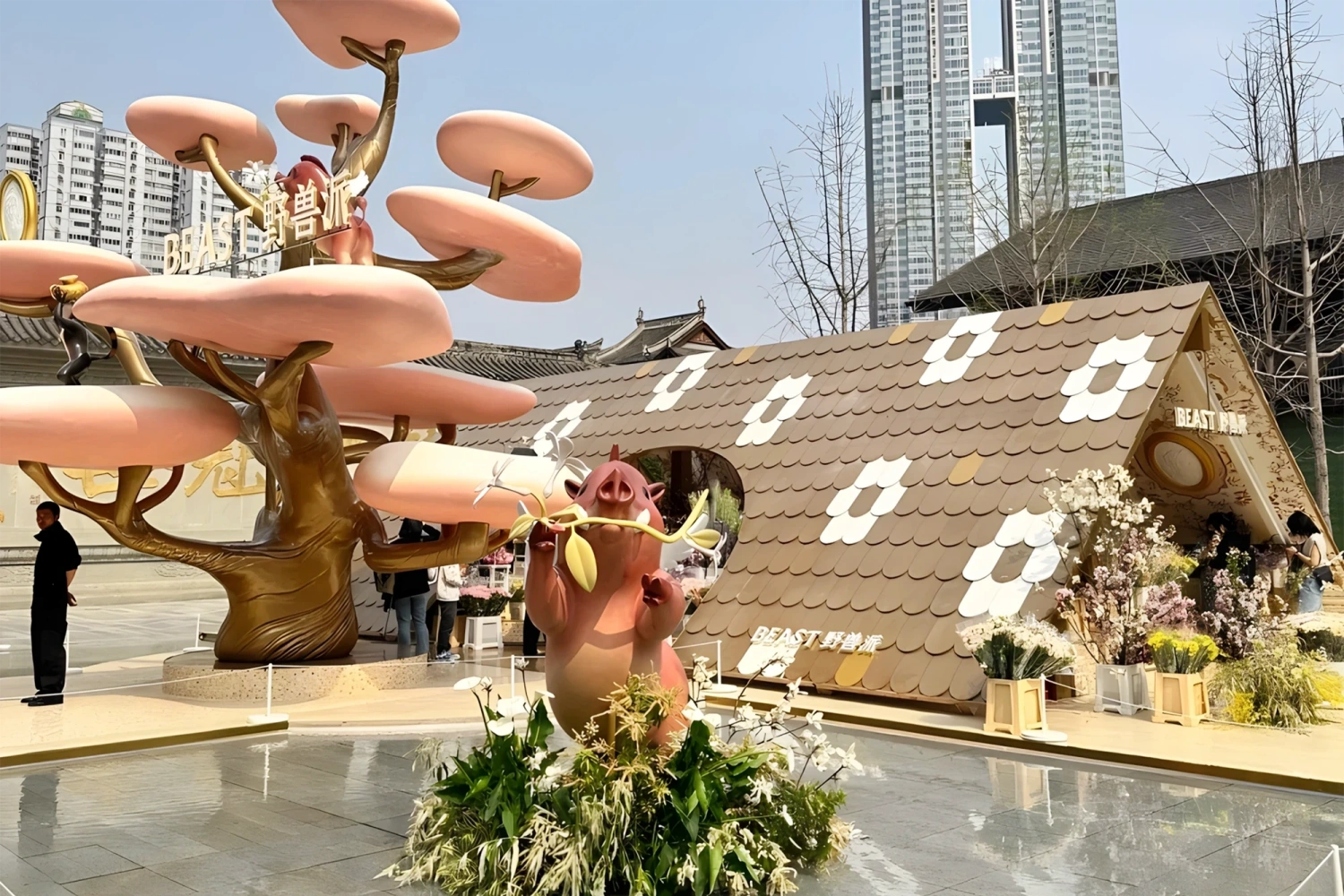
Public art installations and outdoor event props often involve unusual forms, substantial dimensions, and demanding environmental conditions.
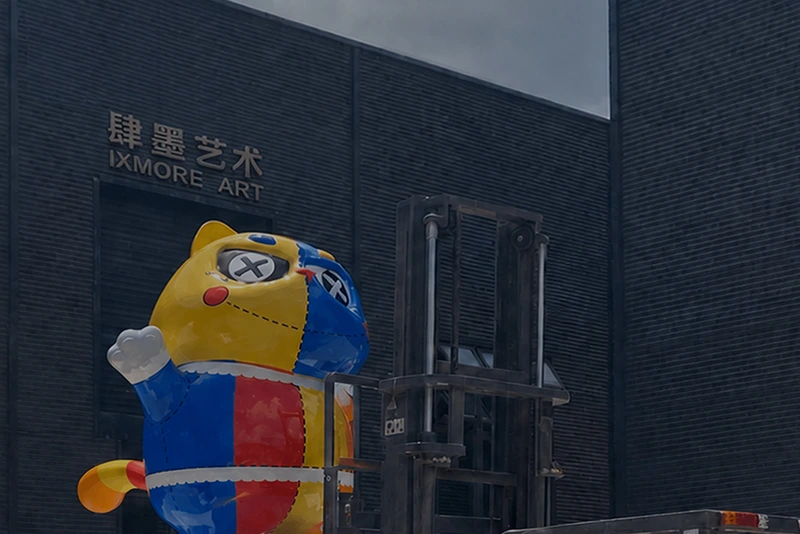
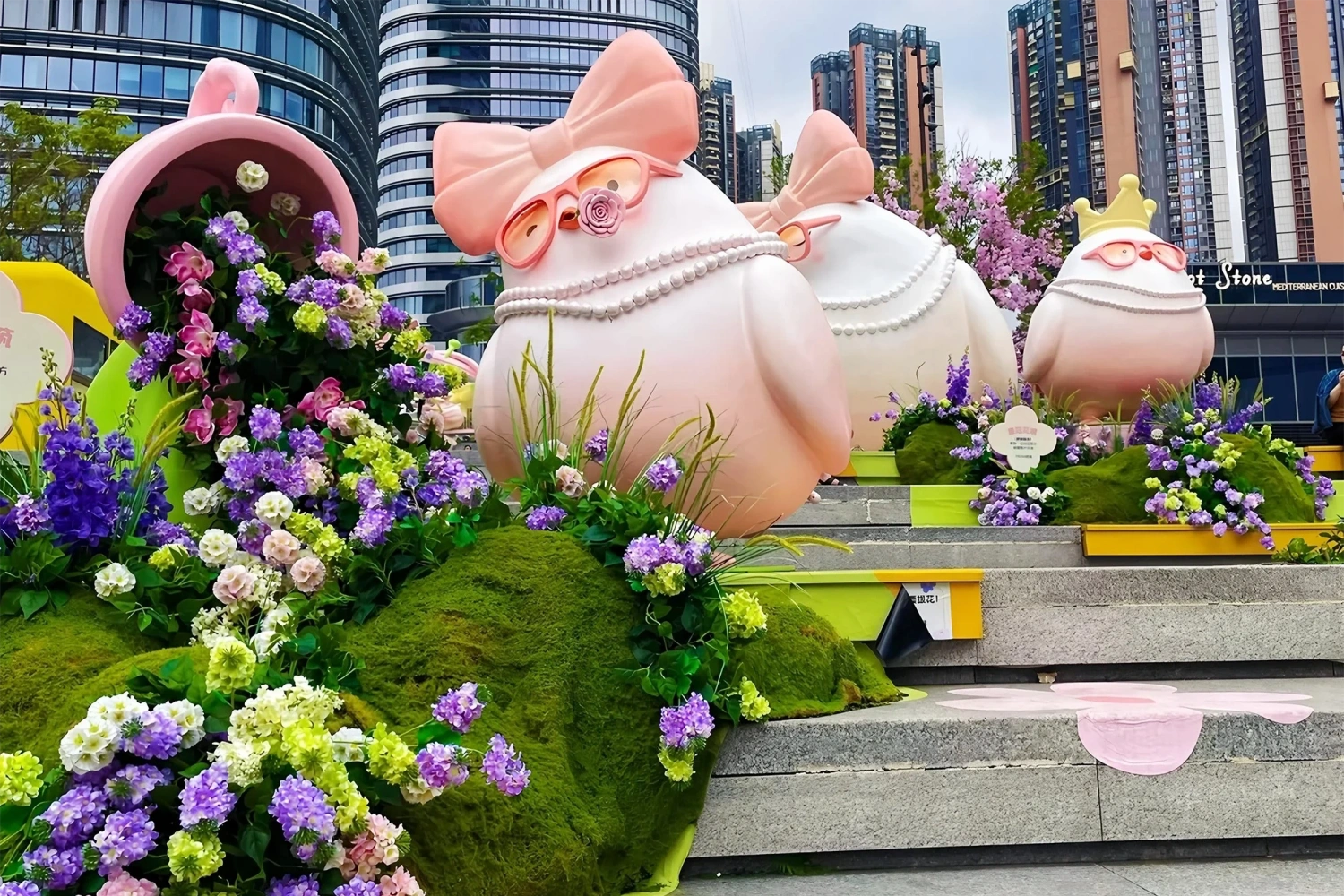
Large animal sculptures, themed art installations, outdoor festival environments, and interactive artworks, for example, need to be designed with their installation location, wind loads, foundation conditions, material weather resistance, and maintenance requirements in mind.Standard rental products are rarely able to meet all of these requirements. Such projects are better handled by specialist production teams with the necessary structural design, fabrication, and large-scale installation capabilities.
From the standpoint of procurement efficiency and budget control, many projects do not need the time and expense involved in custom fabrication.
If an event runs for only one to three days and needs standard tables, chairs, display racks, partitions, or conventional backdrops, renting is generally the more cost-effective option.Where the appearance of these items has little bearing on the overall event experience, standardized products are usually sufficient.
For low-budget internal company events, routine meetings, and small promotional activities that do not require complex branded installations or interactive structures, renting ready-made items can avoid the additional expense of design and production.
If the event concept has not yet been finalized, or basic equipment needs to be added at short notice, choosing from a supplier’s existing inventory can offer useful flexibility.However, inventory levels, item condition, delivery coverage, and the rental period should be confirmed in advance. This helps reduce the risk of stock shortages or receiving items that do not match the project requirements as the event date approaches.
When a project involves oversized or irregular structures, brand-exclusive designs, complex material processing, or international shipping, working with a custom event prop manufacturer that has integrated production capabilities can make it easier to control quality and manage delivery risks than relying solely on a general rental or prop supplier.A specialist manufacturer’s value goes beyond turning design drawings into physical products. It lies in coordinating design, engineering, fabrication, quality control, and delivery as one connected process.
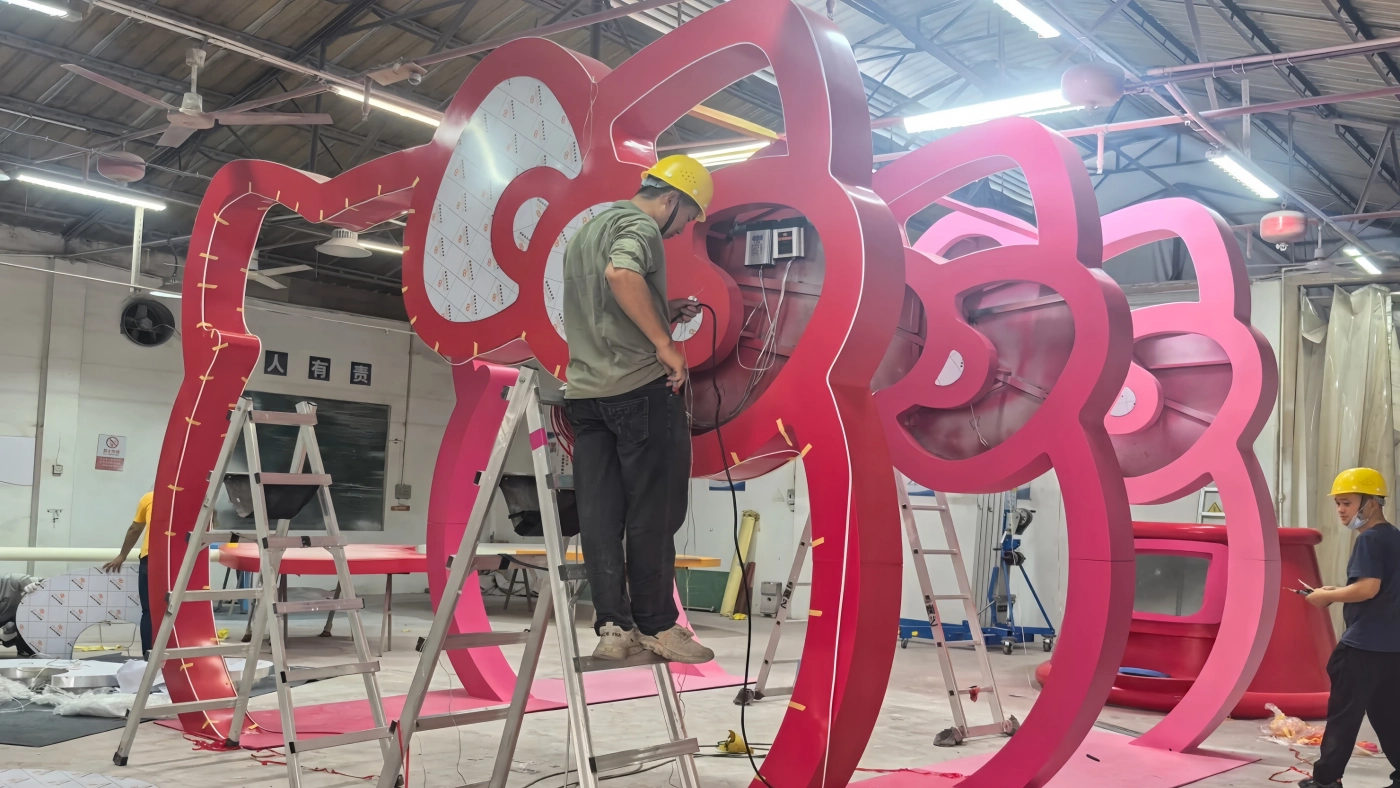
A rendering is not the same as a production-ready engineering plan.A professional manufacturing team must translate the visual concept into workable production drawings, taking account of the product’s dimensions, material properties, internal structure, connection methods, and installation conditions at the venue.For large installations, the team should also plan segmentation, shipping dimensions, lifting methods, and on-site assembly locations in advance. This helps prevent a situation in which a finished product proves too large or impractical to transport or install.
Different event props call for different materials and manufacturing processes.
For example:
▪ FRP (Fiber-Reinforced Plastic): Suitable for complex curved sculptures, themed character figures, and large three-dimensional decorative elements.
▪ Metal structures: Suitable for internal load-bearing frameworks, support frames, and large display structures.
▪ Wood and sheet materials: Suitable for display plinths, backdrops, exhibition spaces, and enclosure fabrication.
▪ Acrylic and other transparent materials: Suitable for transparent display structures, illuminated installations, and specialized visual effects.
▪ Foam carving: Suitable for large lightweight forms, themed sculptures, and irregular decorative elements.
▪ LED lighting components: Suitable for illuminated signage, interactive displays, and installations designed for nighttime viewing.
A specialist event prop manufacturer able to coordinate multiple processes in-house can maintain better control over material interfaces, surface finishes, and final assembly quality.
On-site installation of large-scale props is often restricted by tight schedules, limited working space, and venue-specific construction conditions.For this reason, the necessary pre-assembly and inspections should be completed at the factory wherever practical.
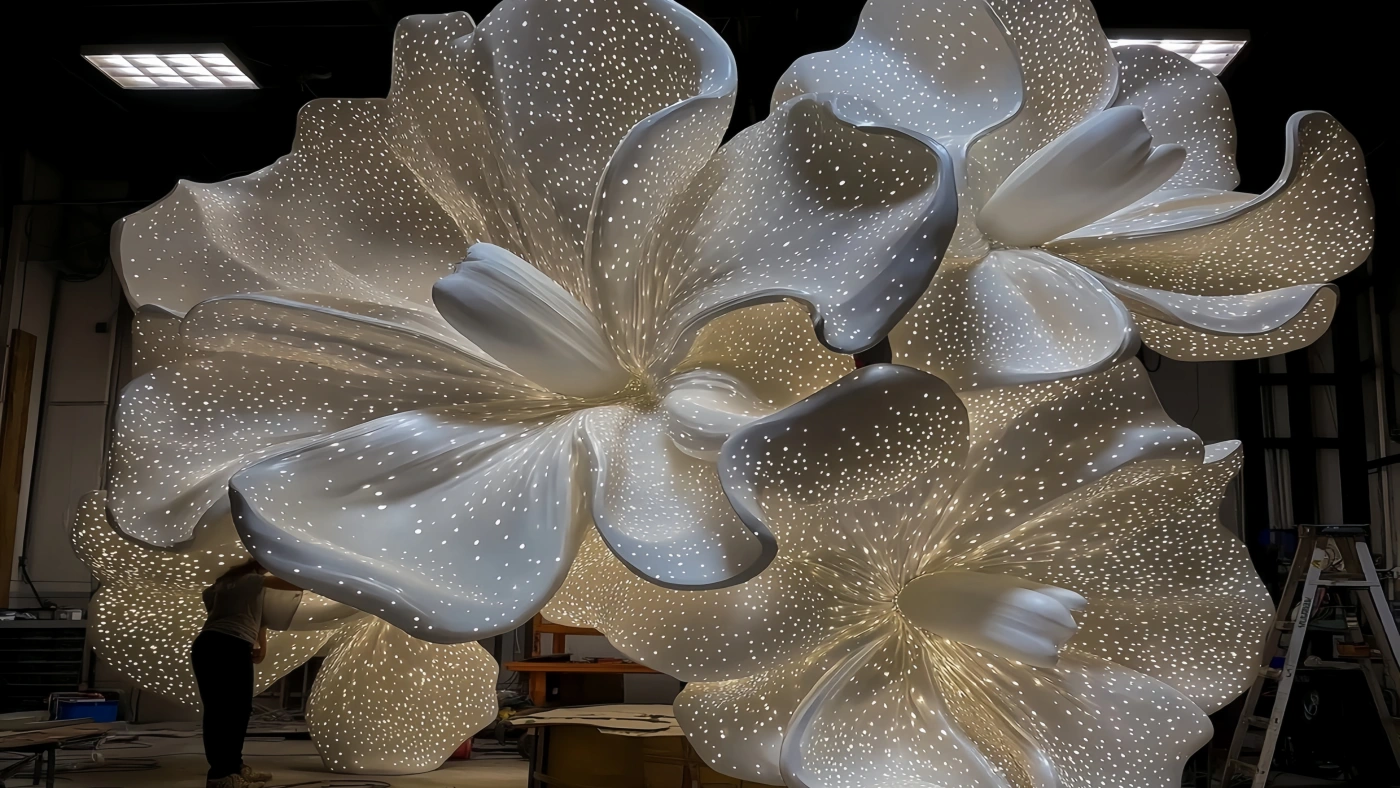
Before dispatch, the production team can check:
▪ Whether the main structure is stable;
▪ Whether the connection points between sections align correctly;
▪ Whether lighting and electrical components operate as intended;
▪ Whether the surface coating has any visible defects;
▪ Whether all accessories, bolts, and fasteners are included;
▪ Whether the segmented components can be assembled on site according to the plan.
For more complex projects, component numbering, installation drawings, and detailed packing lists can further improve installation efficiency at the venue.
For an overseas brand event, completing production does not mean the project is ready for handover.Large installations need protective packaging designed around their materials, dimensions, weight, and shipping method. Depending on the product, this may involve custom wooden crates, foam cushioning, internal bracing, and packaging the installation in separate sections.Where wooden export packaging is used, requirements such as ISPM 15 should be checked against the destination country’s applicable regulations.
The manufacturer should also provide key shipping and installation information in advance, including product dimensions, weight, package count, lifting or forklift markings, and installation instructions. This information helps the client coordinate international freight and arrange the work at the destination.For large commercial events, the ability to coordinate design, production, packaging, and installation is often more valuable than securing the lowest quote for any one stage.
If a project is to proceed with custom fabrication, supplier selection should not be based on renderings and price alone. The following areas deserve particular attention.
Start by checking whether the factory has delivered projects comparable to yours, such as commercial space installations, brand event displays, shopping mall holiday installations, or pop-up store environments.Review photographs of completed projects carefully. Look for evidence that the manufacturer can handle large products, complex structures, and the practical demands of on-site delivery.
Clarify the supplier’s actual manufacturing scope. Relevant capabilities may include metal welding, FRP molding, foam carving, woodworking, spray finishing, and final assembly.If every production stage is outsourced, quality control, scheduling, and the ability to respond to design changes may be affected by the coordination required between multiple suppliers.
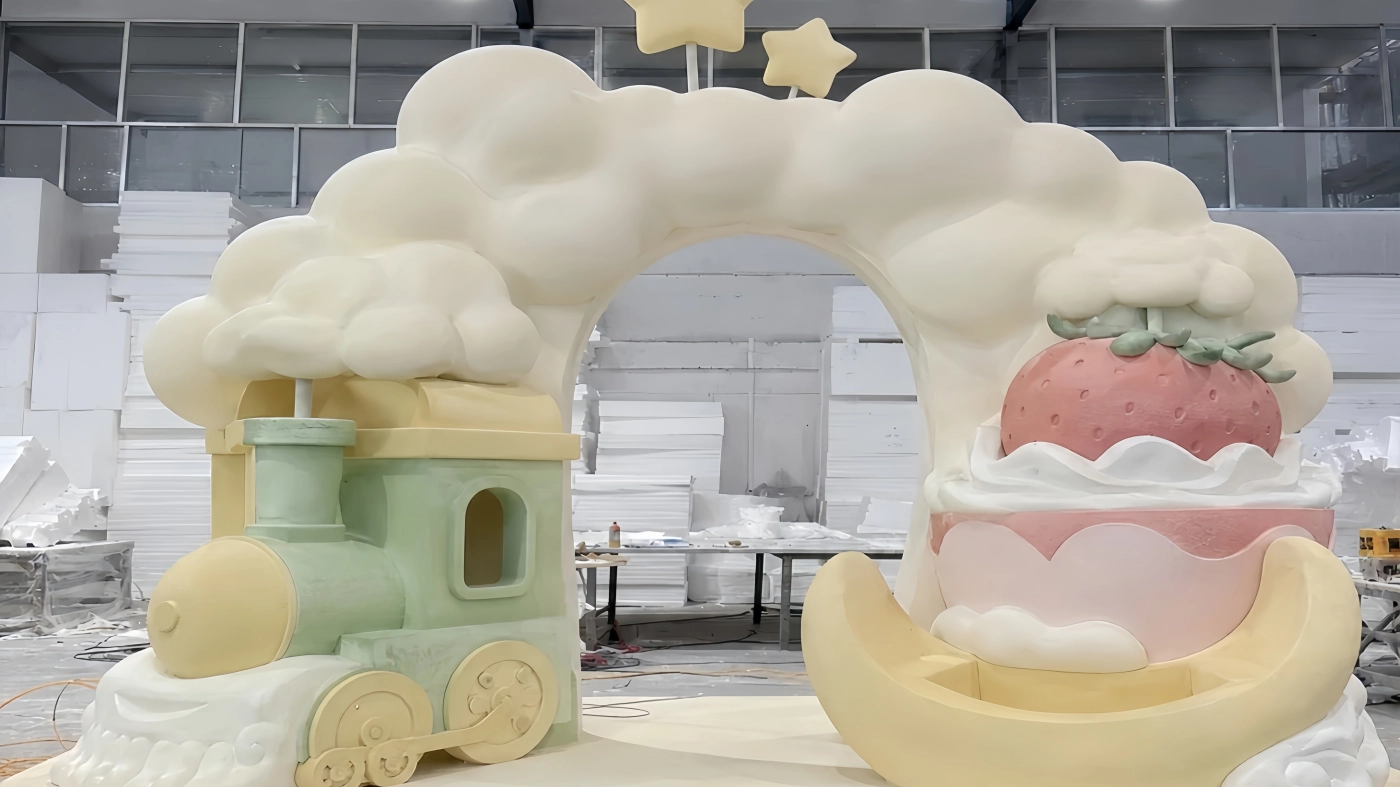
For large or technically complex installations, confirm whether the supplier can provide structural drawings, material recommendations, sectional fabrication plans, connection details, and on-site installation guidance.If the project involves a public space, an outdoor structure, or direct public interaction, establish clearly who is responsible for the relevant engineering calculations, testing, and approvals.
Overseas projects involve additional considerations, including export packaging, international freight, customs documentation, and coordination of installation at the destination.Ask whether the manufacturer has experience with container loading, oversized cargo, wooden-crate packaging, and the delivery requirements of export projects.
A reliable quotation should set out the relevant costs as clearly as possible, including design, engineering, materials, production, surface finishing, packaging, shipping, and installation.It is also important to confirm the number of design revisions, sample-approval procedures, quality standards, payment milestones, delivery schedule, product ownership, and after-sales responsibilities. Clarifying these points early can help prevent disputes and unexpected costs later.
In practice, brands do not always have to choose one approach for the entire event.Custom fabrication can be reserved for the areas where a strong brand presence matters most, while rental can cover standard infrastructure that does not need a distinctive visual treatment.
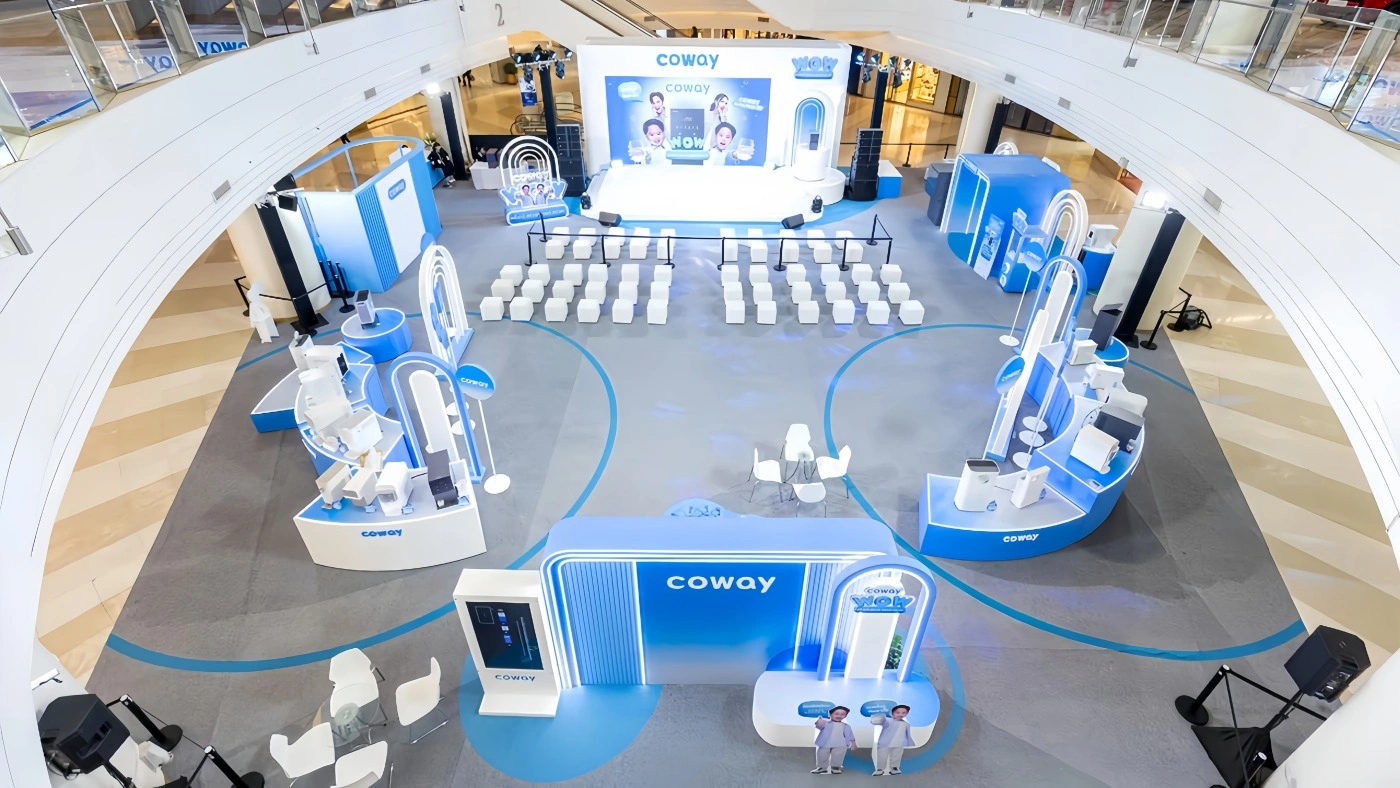
For example, a shopping mall brand activation could combine the two approaches as follows:
▪ Brand-themed entrance: Custom-made to strengthen brand recognition.
▪ Core product display fixtures: Custom-made to meet specific dimensions and presentation requirements.
▪ Interactive photo-op sculptures: Custom-made to create distinctive, shareable scenes.
▪ Standard tables, chairs, and reception furniture: Rented to keep procurement costs down.
▪ Standard partition columns and basic lighting equipment: Rented to suit the venue layout.
This hybrid approach directs the budget toward the most important brand touchpoints while avoiding unnecessary investment in standard equipment.For brands running events across multiple venues or planning long-term marketing campaigns, a reusable modular prop system may be worth developing. The main structure can be retained, while brand graphics, themed accessories, and local decorative elements are changed to suit each event.
Neither custom-made event props nor off-the-shelf rentals are universally better. The right choice depends on how well each option fits the project’s actual requirements.If an event is short, the design is straightforward, the budget is limited, and suitable ready-made products are available, renting is usually the more efficient solution.If the project calls for distinctive brand visuals, non-standard dimensions, large or irregular structures, immersive experiences, or repeated use over time, custom event props generally offer greater design freedom and a closer fit with the project’s requirements.
For large commercial spaces, international brand activations, holiday displays, and pop-up store projects, working with a custom event prop manufacturer that can manage design development, structural engineering, multi-material fabrication, quality control, and overseas delivery can help turn creative concepts into installations that are practical to manufacture, transport, install, and reuse.As a custom manufacturing facility specializing in installations and props for large-scale commercial spaces, Ixmore Art supports commercial property operators, brand marketing teams, and event agencies throughout the project lifecycle—from design development and engineering detailing to fabrication, export packaging, and on-site delivery.Whether the brief involves themed shopping mall installations, Christmas displays, brand pop-up stores, public art, or large-scale event props, we develop production solutions around each project’s visual objectives, spatial constraints, and practical requirements.
If you are planning a large-scale brand event that calls for a distinctive visual experience, contact our team to discuss your design concept, material options, production schedule, and project budget.
The production schedule depends on the size of the props, structural complexity, materials, and order quantity. Simple display items may have a relatively short lead time, while oversized sculptures, complex interactive installations, and projects involving multiple materials need more time for design development, prototyping, and fabrication. We recommend allowing sufficient time for design, production, shipping, and installation before the event.
Costs typically cover design and development, engineering refinement, raw materials, fabrication, surface finishing, lighting and electrical components, factory pre-assembly, quality inspection, export packaging, international shipping, and on-site installation. The actual quotation will depend on the project drawings, dimensions, material specifications, and delivery requirements.
Yes. Reusability can be improved at the design stage by incorporating modular structures, detachable connections, interchangeable decorative components, and durable materials. The actual number of times a prop can be reused will depend on material performance, shipping methods, storage conditions, maintenance, and the installation environment at each event.
Not necessarily. Renderings communicate the visual concept, but they are not usually sufficient for production. Before manufacturing begins, dimensions need to be confirmed, the structure refined, materials selected, connections detailed, and the design converted into production drawings. For large installations, transport segmentation, on-site assembly, and installation methods must also be established.
Yes. However, product dimensions, weight, packaging methods, shipping routes, and the destination country’s import requirements should be confirmed in advance. Oversized products may need to be fabricated in sections and shipped in custom wooden crates, frame crates, or other purpose-designed packaging. If wooden packaging is used, applicable quarantine and treatment requirements must also be checked.
We recommend assessing six factors: event duration, design distinctiveness, brand identity requirements, product dimensions, expected number of reuses, and the total project budget over its lifecycle. Standardized equipment for short-term use is generally better suited to rental. Key display installations that require exclusive designs, specialized structures, or repeated use are usually better candidates for custom fabrication.
Some manufacturers with end-to-end project delivery capabilities can provide design development, structural engineering, fabrication, packaging and shipping, and on-site installation support. Before placing an order, confirm exactly which services are included. In particular, clarify who will provide the installation team at the overseas destination and who is responsible for construction liability, site management, and any required permits.
Not necessarily. Custom products consume new materials and manufacturing resources. However, when they are designed for a long service life and can be repaired and reused, they may deliver better resource efficiency over time. Rental, meanwhile, allows multiple clients to share existing inventory and reduces the need to purchase certain standardized items repeatedly. A sound comparison should consider transportation distances, frequency of use, material lifespan, maintenance, and end-of-life disposal.
July 27, 2026
July 27, 2026
July 27, 2026
July 27, 2026
July 27, 2026
July 27, 2026
July 27, 2026
July 26, 2026
July 26, 2026
July 26, 2026
July 26, 2026
July 26, 2026
July 26, 2026
July 26, 2026
July 26, 2026
July 26, 2026
July 26, 2026
July 25, 2026
July 25, 2026
July 25, 2026