October 23, 2026 Ixmore Art
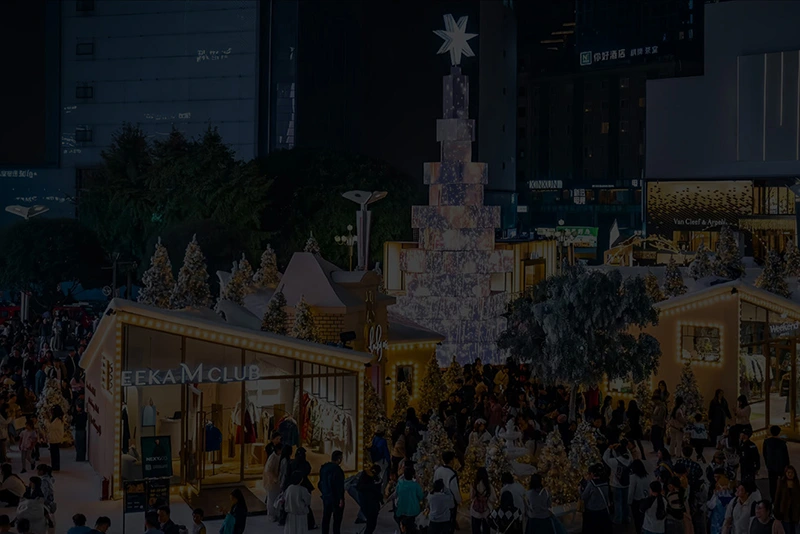
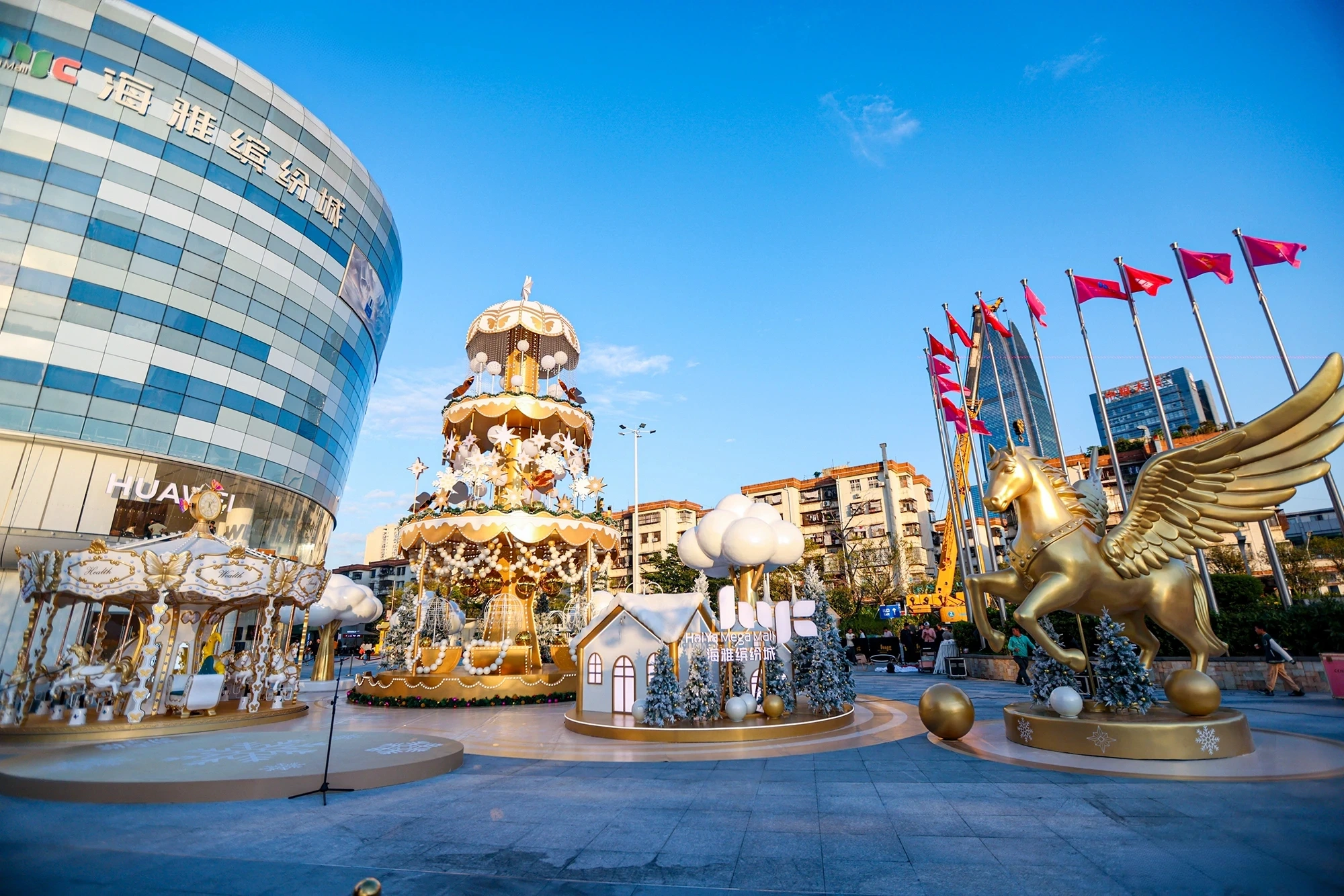
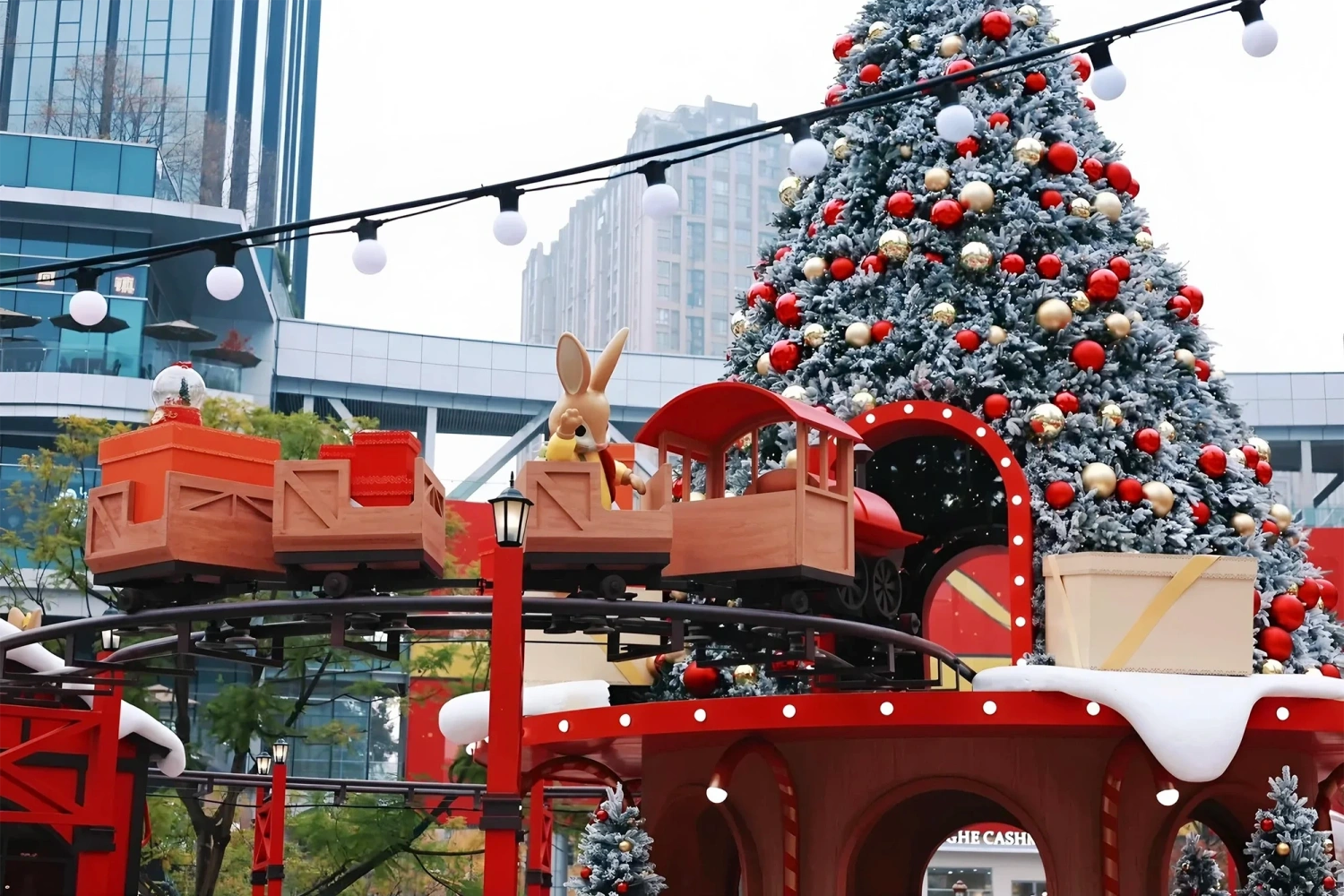
As the fourth quarter approaches each year, shopping mall plazas, city streets, and tourist destinations begin planning their holiday displays well in advance. Unlike indoor decorations, outdoor Christmas installations must withstand intense UV exposure, persistent rain, snow and ice accumulation, and strong winds. The wrong materials or coating systems can result in fading, chalking, cracking, water ingress, or even structural deformation within a single season. This article examines material selection, coating systems, waterproofing details, and snow-resistant design from both the manufacturing and on-site installation perspectives, helping buyers and design teams assess whether an outdoor Christmas display can perform reliably throughout theholiday season.
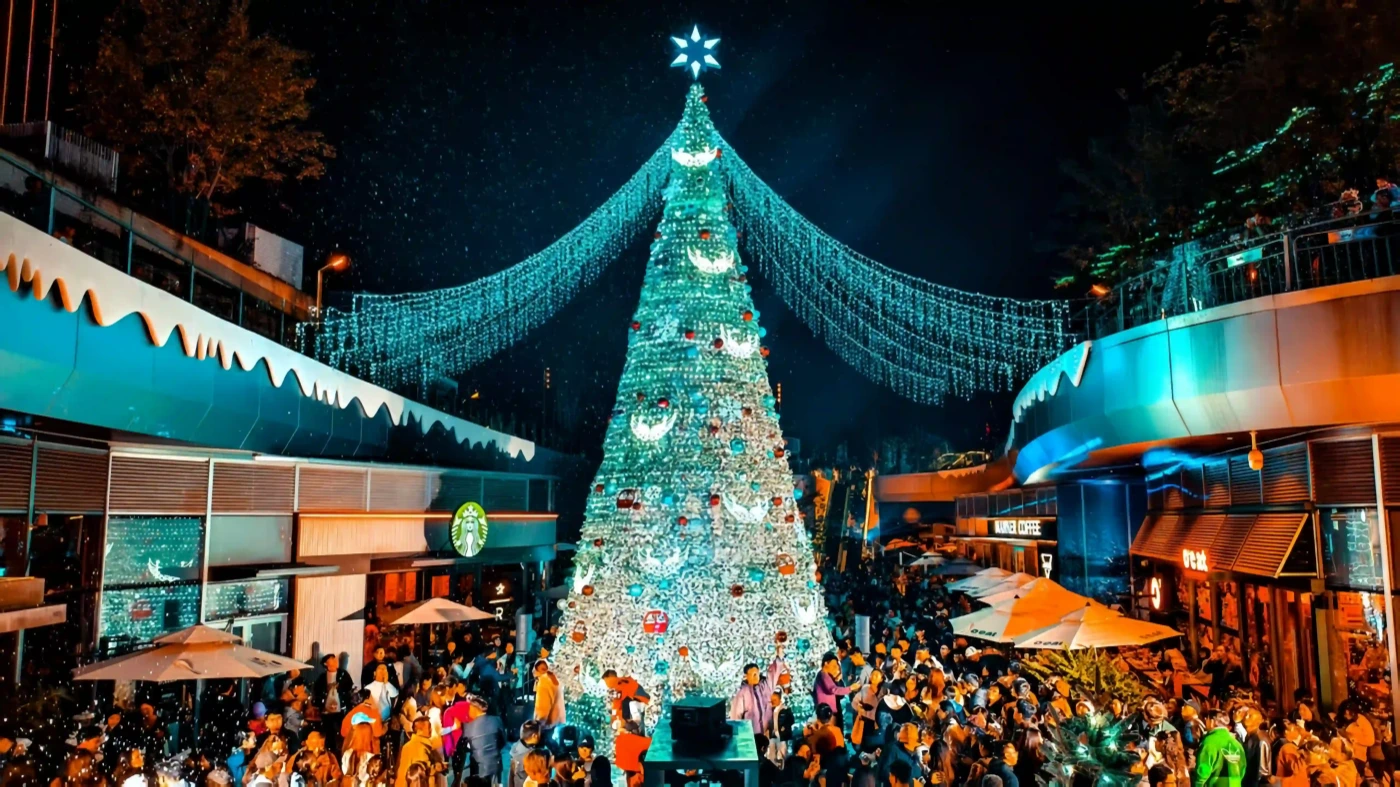
UV radiation degrades the molecular structure of coating resins, leading to discoloration, gloss loss, whitening, and surface chalking. Outdoor Christmas displays often feature highly saturated reds, golds, and whites, and red and gold finishes can be particularly vulnerable to fading under intense sunlight. Topcoats should therefore be selected according to their outdoor weathering performance rather than simply using the same spray-paint system intended for indoor installations.
Rainwater can enter a display through seams, mounting holes, and cable entries. In cold climates, trapped moisture can freeze and expand,causing coatings and bonded surfaces to crack or separate. Persistent dampness can also corrode the internal metal framework, while rust- stained water may seep out and mark the exterior finish.
Snow accumulation adds weight to horizontal surfaces, including the tops of snow globes, the upper edges of stars, and gift-box lids. Large structures exposed to the wind are also subject to substantial wind loads. If an outdoor Christmas display is designed using assumptions
intended for indoor installations, it may be vulnerable to overturning,connection failure, or localized fractures during severe weather.
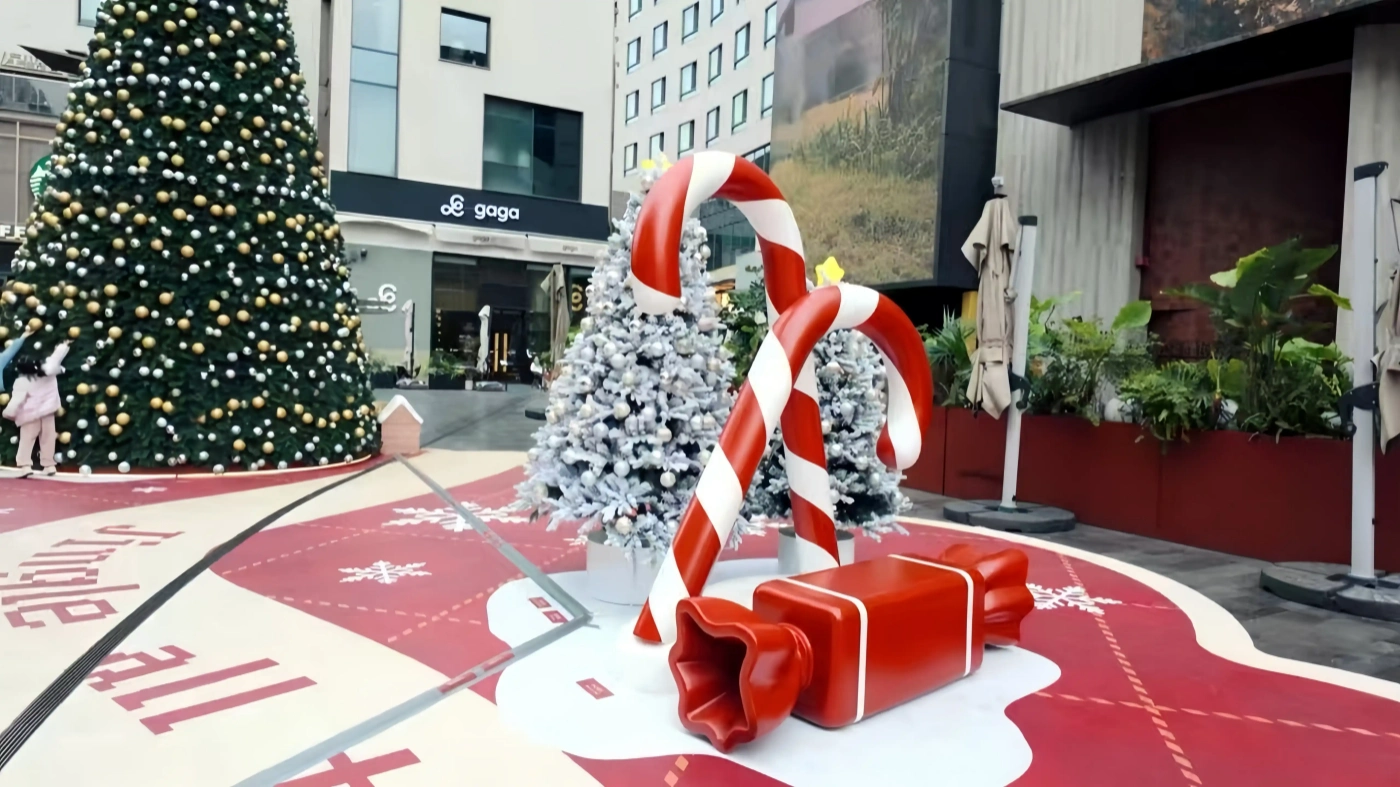
No single material is suitable for every component. Experienced manufacturers of outdoor Christmas installations typically select materials according to the function of each layer: the exterior shell,the structural frame, and any internal filling or core.
FRP (fiber-reinforced plastic) combines strength with relatively low weight and can be molded into complex curved forms. A protective gel coat can be applied to its surface, making FRP suitable for large elements such as snowmen, oversized gift boxes, and Christmas- tree shells. During fabrication, manufacturers must control wall thickness and reinforcement-rib placement and ensure that the resin cures fully.Inadequate reinforcement or incomplete curing can increase the risk of stress cracking later in service.
Hot-dip galvanized steel and stainless steel are common choices for load- bearing frames. In coastal or high-humidity environments, an appropriate stainless-steel grade should be selected, and welds should receive suitable corrosion protection where required. Aluminum alloy is lightweight and can be useful for modular structures that need to be assembled, dismantled, and transported repeatedly.
Foam materials are efficient to shape and process, but their surfaces need a suitable hard coat and waterproof coating; they should not be left exposed to outdoor conditions. Acrylic and polycarbonate (PC)sheets are often used for illuminated facades. UV-resistant grades should be specified, as standard sheets may yellow or deteriorate after prolonged sun exposure.
In general, gel-coated FRP is well suited to large exterior shells because it can provide good weather and moisture resistance when properly manufactured and maintained. Load-bearing frames should use hot-dip galvanized steel or stainless steel, which are not degraded by UV exposure but still require appropriate corrosion protection. For foam used as a core or non-load-bearing component, UV resistance and waterproofing depend largely on the protective coating system. For illuminated surfaces, specify UV-resistant acrylic or polycarbonate.
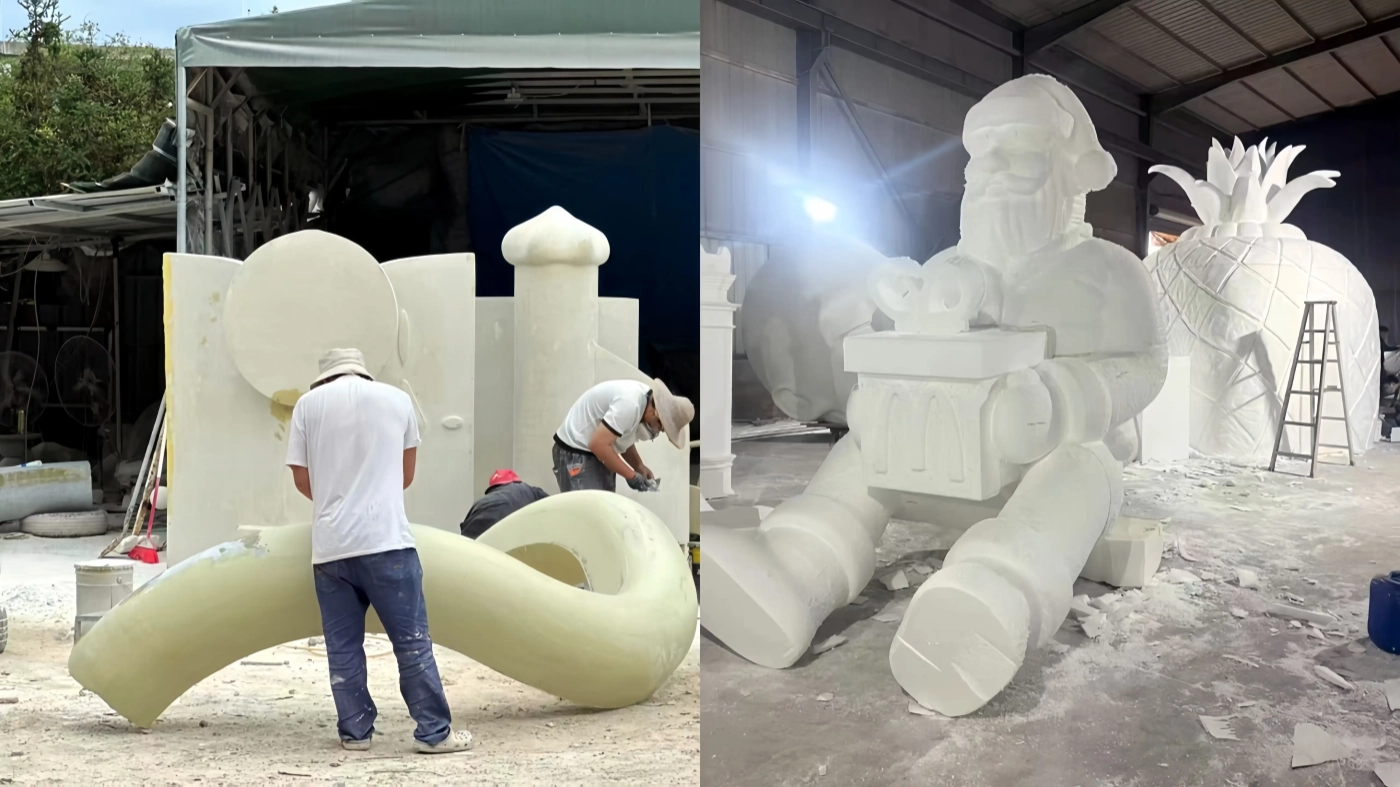
The service life of a coating depends heavily on proper substrate preparation. FRP surfaces should be sanded, filled where necessary, and sealed to reduce porosity. Metal components should be cleaned of rust and grease before an appropriate epoxy anti-corrosion primer is applied.Foam structures should receive a compatible hard coat before the waterproofing layer. If the substrate is not prepared correctly, even a high-performance topcoat may blister, delaminate, or peel.
Weather-resistant polyurethane (PU) and fluorocarbon coating systems are common choices for outdoor applications. Ali phatic polyurethane generally provides good color and gloss retention, making it suitable for many commercial projects. Fluorocarbon topcoats can offer extendedweathering performance and may be appropriate for custom outdoor Christmas installations exposed to intense sunlight or intended for long-term display. Application should follow the coating manufacturer’s specifications, including the required dry-film thickness, curing conditions, and compatibility of any protective clear coat.
A coating’s UV resistance cannot be judged by the appearance of a sample alone. ASTM G154 is commonly used to assess the effects of fluorescent UV exposure and moisture on nonmetallic materials and coatings through controlled UV and condensation cycles. UVA-340 lamps are designed to approximate the short-wavelength UV portion of natural sunlight, makingthem useful for simulating certain outdoor weathering conditions.However, ASTM G154 does not prescribe a single exposure cycle suitable for every material or project. The test cycle should be selectedaccording to the intended application and relevant performance criteria.The method also does not reproduce salt spray or air pollution, so coastal projects may require separate evaluation of corrosion and salt exposure.
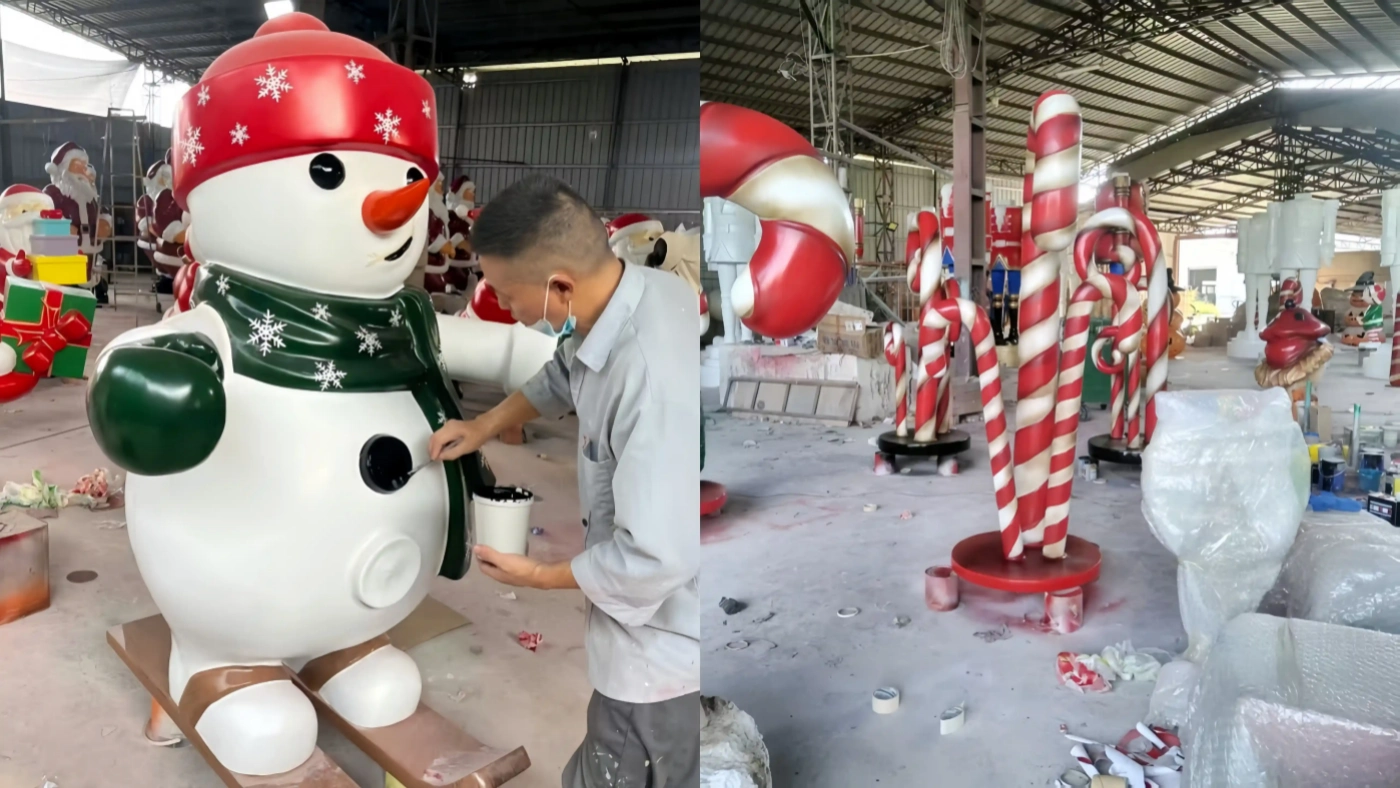
Coatings are only one part of a waterproofing strategy; the structure itself must also be designed to manage water. Reliable solutions typically include drainage openings at the lowest points of enclosures to prevent standing water; sealant combined with overlapping or shielded joints to reduce direct rain ingress; drip loops at cable entries and appropriately rated waterproof connectors; and an elevated base that prevents the bottom of the installation from remaining submerged.
For illuminated installations, the ingress-protection rating of lighting and electrical components also matters. The internationally recognized IP Code is defined by IEC 60529. IPX4 indicates protection against splashing water from any direction, IPX5 against water jets from any direction, and IPX6 against powerful water jets. Outdoor lighting and power components are often specified at IP65 or higher, but the appropriate rating should be determined from the exposure conditions,installation details, and applicable local requirements.
For the North American market, UL 588 is a relevant safety standard for seasonal and holiday lighting products. Its scope includes string lights and certain factory-assembled seasonal decorations, such as illuminated garlands, star-shaped ornaments, and light sculptures. The standard addresses risks including fire, electric shock, and personal injury.Before export, manufacturers should confirm that lighting products and power supplies meet the certification and approval requirements applicable in the destination market.
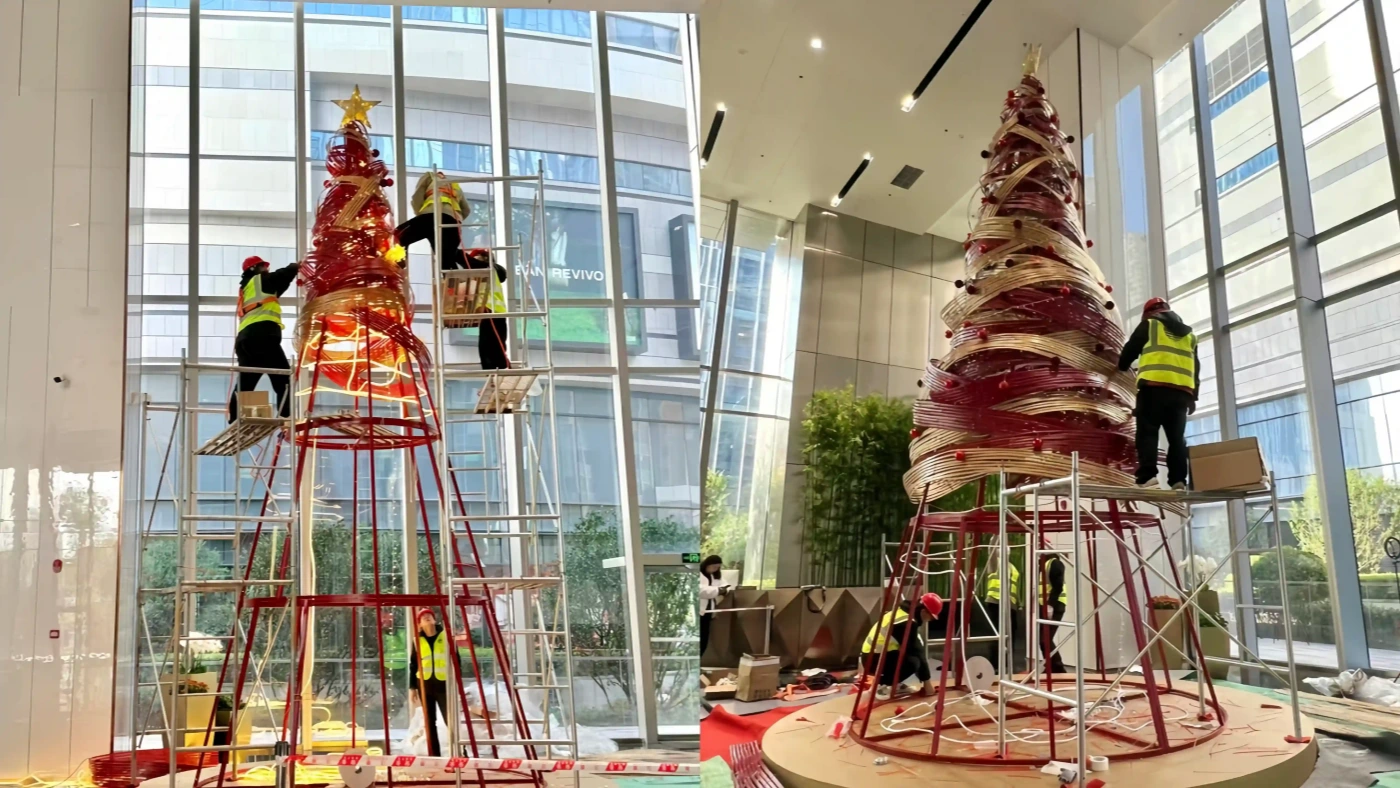
Effective snow protection starts with structural design. First, minimize surfaces where snow can accumulate. Curved or sloped tops can help snowshed naturally and are generally preferable to broad, flat horizontal surfaces. Second, account for wind exposure. Openwork elements orsegmented forms may reduce wind loads on some designs, provided the overall structure remains safe and stable. Third, reinforce connections and anchoring. Footings, ballast, and anchor bolts should be selected according to site conditions, and access should be provided for inspection and maintenance. Fourth, verify design loads against applicable regional codes and engineering calculations. In the United States, ASCE 7 is widely used to determine design loads—including dead,live, snow, and wind loads—and their combinations. For international projects, it can also serve as a useful reference point when coordinating with local structural engineers, subject to the codes adopted at the project location.
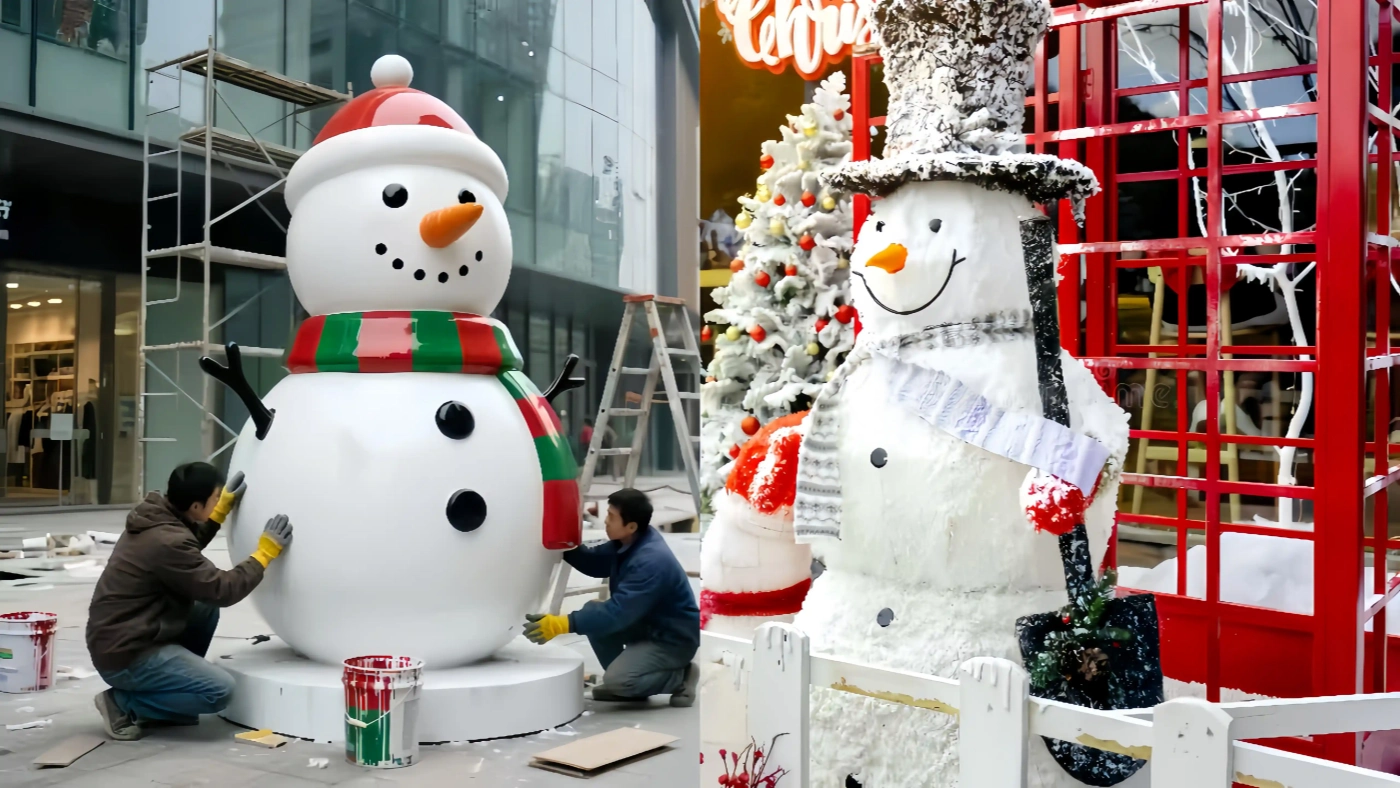
Large installations should be designed and manufactured in manageable modules. Each module should be clearly labeled and pre-assembled at the factory to verify fit and facilitate efficient installation on site.During transport, protect edges, corners, and finished surfaces from impact, abrasion, and moisture. After delivery, inspect ground levels and load-bearing conditions before installing the display in accordance with the approved drawings.
Throughout the holiday season, carry out routine inspections. Check lighting fixtures and power supplies for signs of water ingress, inspect bolts and connections for looseness, and look for scratches or damage to the coating. Before forecasts of strong winds or heavy snow, reinforcethe installation or temporarily remove components that are particularly vulnerable to wind loads. After the season, clean the display, touch up damaged coatings, and allow all components to dry thoroughly before storage. Proper maintenance helps extend service life and supports reusein subsequent years.
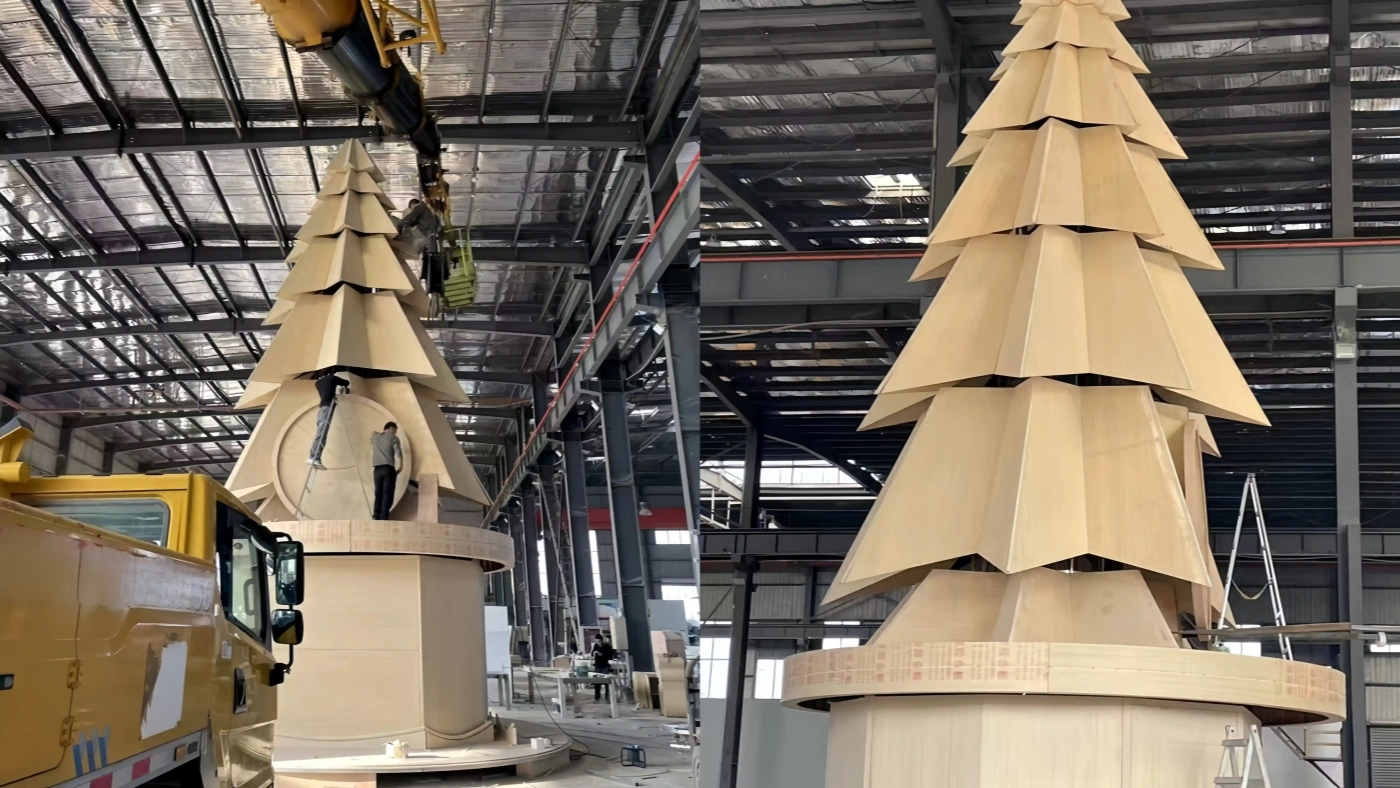
When selecting a manufacturer for outdoorChristmasinstallations,assess five key areas. First, confirm that the manufacturer can identify the specific materials and processes proposed for the shell, frame, and coating system rather than relying on broad claims such as “waterproof”or “UV-resistant.” Second, review its portfolio of outdoor projects and ask about its experience with installation and maintenance. Third,establish whether it can coordinate structural calculations, export packaging, and overseas installation support. Fourth, verify that it slighting and electrical components meet the certification requirements of the destination market. Fifth, clarify the warranty terms and the scope of after-sales support.
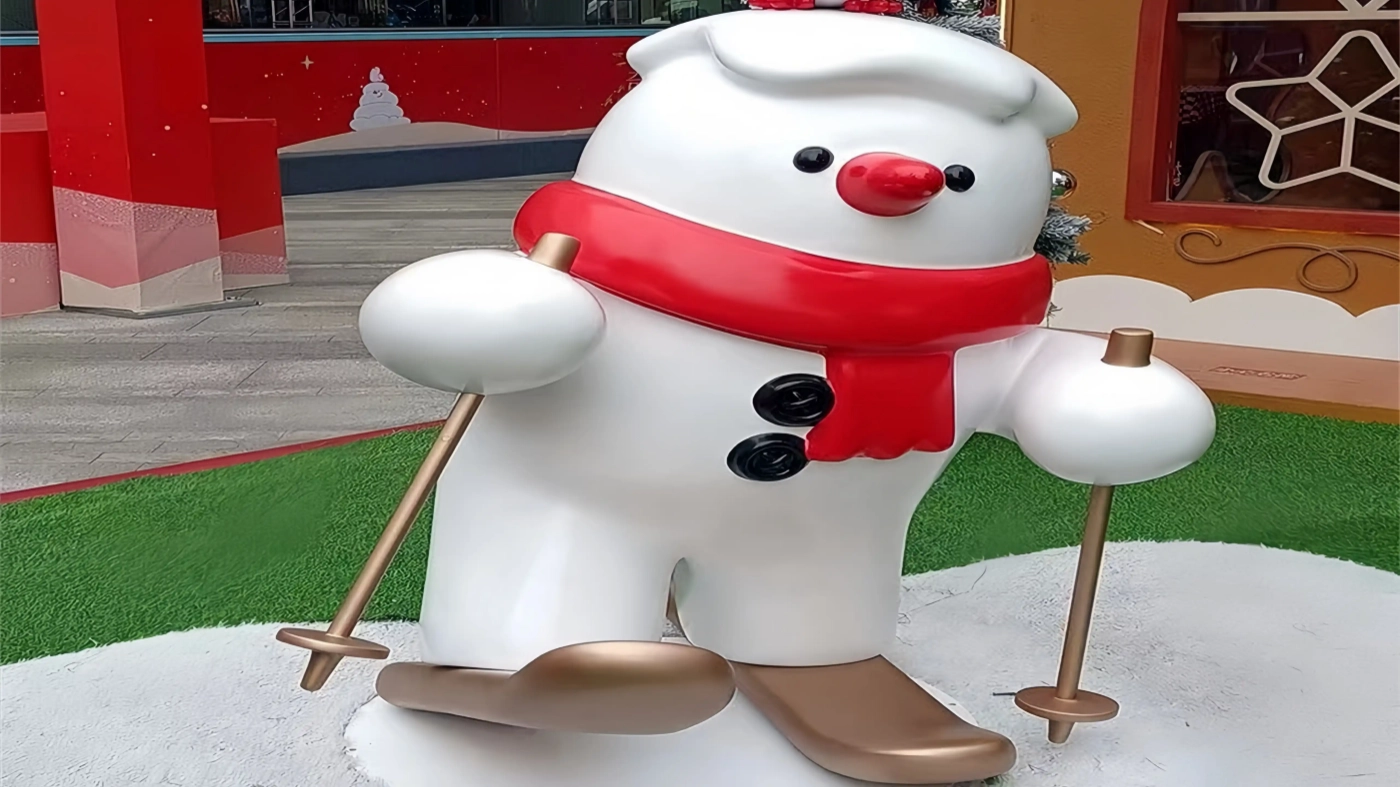
The durability of outdoor installations depends on the combined performance of the materials, coatings, structural design, and electrical protection—not on a single supposedly premium material.Successful outdoor Christmas displays account for UV exposure, rain,snow accumulation, and wind loads from the earliest design stages, then validate the solution through appropriate manufacturing controls and testing. For shopping malls, residential communities, and touristdestinations, working with a manufacturer experienced in Christmas installations and outdoor fabrication is essential to maintaining a safe, attractive festive display throughout the season.
A: For large exterior shells, gel-coated FRP(fiber-reinforced plastic) is often a strong choice. Frames can be made from hot-dip galvanized steel or stainless steel, while foam and acrylic should be used only with suitable protection for the intended outdoor conditions.
A:Specify weather-resistant polyurethane or fluorocarbon topcoats, prepare the substrate properly, apply the coating to the required film thickness, and assess performance using suitable accelerated weathering tests.
A: IP65 or higher is often recommended for outdoor lighting and power components, but the required rating depends on the installation’s exposure, rainfall, design details, and applicable local regulations.
A: Reduce broad horizontal surfaces where snow can accumulate,use sloped or curved forms where appropriate, account for wind exposure,and verify the structure and anchoring against local snow- and wind-load requirements.
A: Yes. Clean the display after the holiday season, repair damaged paint or coatings, allow all
parts to dry fully, and store the modules according to the manufacturer’s instructions. With suitable maintenance, many installations can be reused for multiple seasons.
A: Lighting and power components should meet the electrical safety certification requirementsof the destination market. UL standards are relevant in North America,while local fire-safety, structural, and installation requirements must also be addressed.
A: Look for clear documentation of materials and manufacturing processes, a proven portfolio of outdoor projects, the ability to coordinate structural and electrical requirements, and experience with export packaging and on-site installation support.
July 27, 2026
July 27, 2026
July 27, 2026
July 27, 2026
July 27, 2026
July 27, 2026
July 27, 2026
July 26, 2026
July 26, 2026
July 26, 2026
July 26, 2026
July 26, 2026
July 26, 2026
July 26, 2026
July 26, 2026
July 26, 2026
July 26, 2026
July 25, 2026
July 25, 2026
July 25, 2026