
September 20, 2026 Ixmore Art
When delivering large-scale scenography solutions for shopping malls, retail centers, and commercial real estate projects, one of the first questions clients ask is: How much does it really cost to produce a complete mall installation? At first glance, a quotation may look like a single figure. In practice, however, it can cover everything from design development and prototyping to material fabrication, structural testing, export-compliant packaging, international freight, and customs clearance from the factory to the final overseas venue. As a manufacturer with extensive experience in producing custom installations and props for commercial spaces, we have found that overseas clients often focus heavily on material unit prices during the early stages of a project while overlooking packaging and international shipping—two cost categories that can account for more than 20 percent of the total budget. This article examines, step by step, the main factors that shape quotations for custom-made mall installations, from production through logistics, helping procurement and design teams build a more complete and realistic project budget.
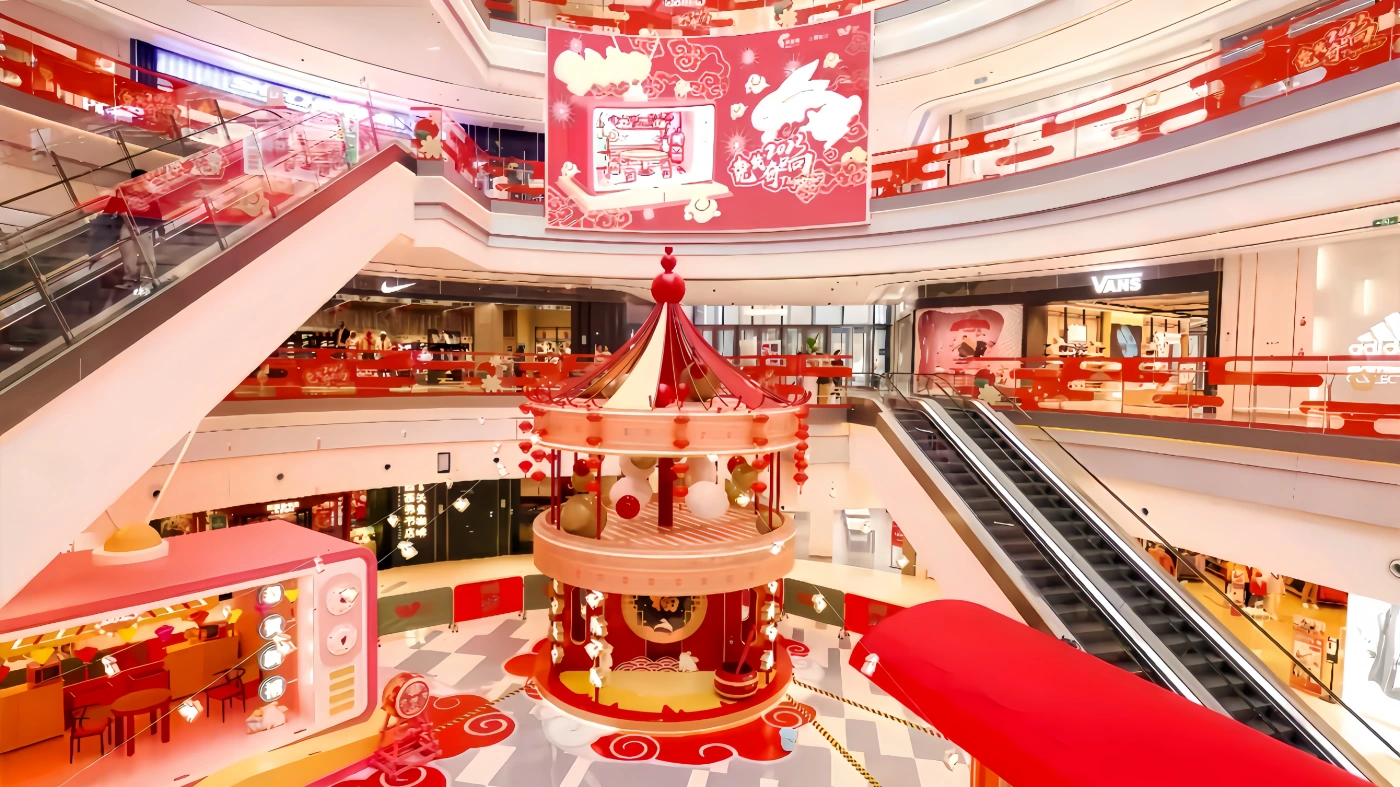
A comprehensive quotation for a custom shopping mall installation generally consists of six major cost categories: design and structural engineering, materials and fabrication, manufacturing, surface finishing and safety certification, export packaging, and international shipping and customs clearance. These stages are closely interconnected. The more complex the structure, the more prototyping and engineering validation it may require. Likewise, heavier or bulkier materials increase both chargeable freight weight and crate dimensions, which can significantly raise shipping costs. Understanding this cost structure is the first step in assessing whether a large-scale custom installation quotation is commercially reasonable. It also gives clients and manufacturers a shared framework for discussing realistic budget ranges at the beginning of a project.
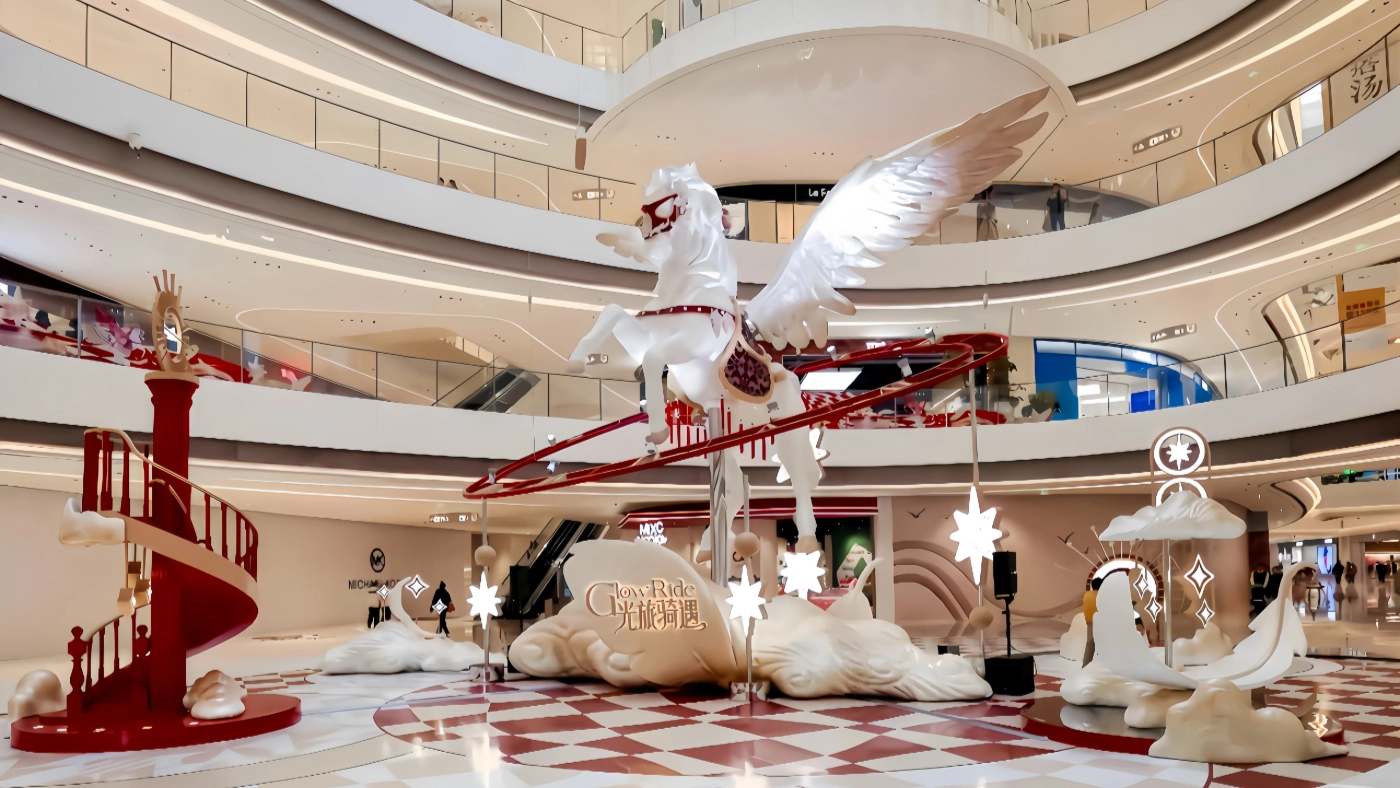
Before full-scale production begins, a professional custom installation manufacturer will typically carry out structural modeling, material selection, and small-scale prototyping. These steps help verify that the design, load-bearing methods, and connection details meet the mall’s requirements for fire safety, structural integrity, and pedestrian circulation. Although this phase may not involve large material volumes, it requires engineering time, 3D modeling, structural calculations, and material consumption during sample fabrication. This upfront investment is often overlooked by clients, yet it is also a useful indicator of a manufacturer’s genuine customization and engineering capabilities.
Common materials for shopping mall installations include steel frames, fiberglass-reinforced plastic (FRP), acrylic, sculpting foam, wood veneer, and LED lighting modules. The choice and combination of materials affect not only appearance and service life but also the finished installation’s weight and packing volume—both of which are critical to overseas freight costs. International sea and air freight is generally calculated using the greater of actual weight and volumetric weight. As a result, poor material selection can create budget overruns later in the shipping process.
Manufacturing typically represents the largest share of the total quotation. Key cost drivers include steel fabrication, sculptural carving, surface coating or film application, electrical wiring, final assembly, and functional testing.
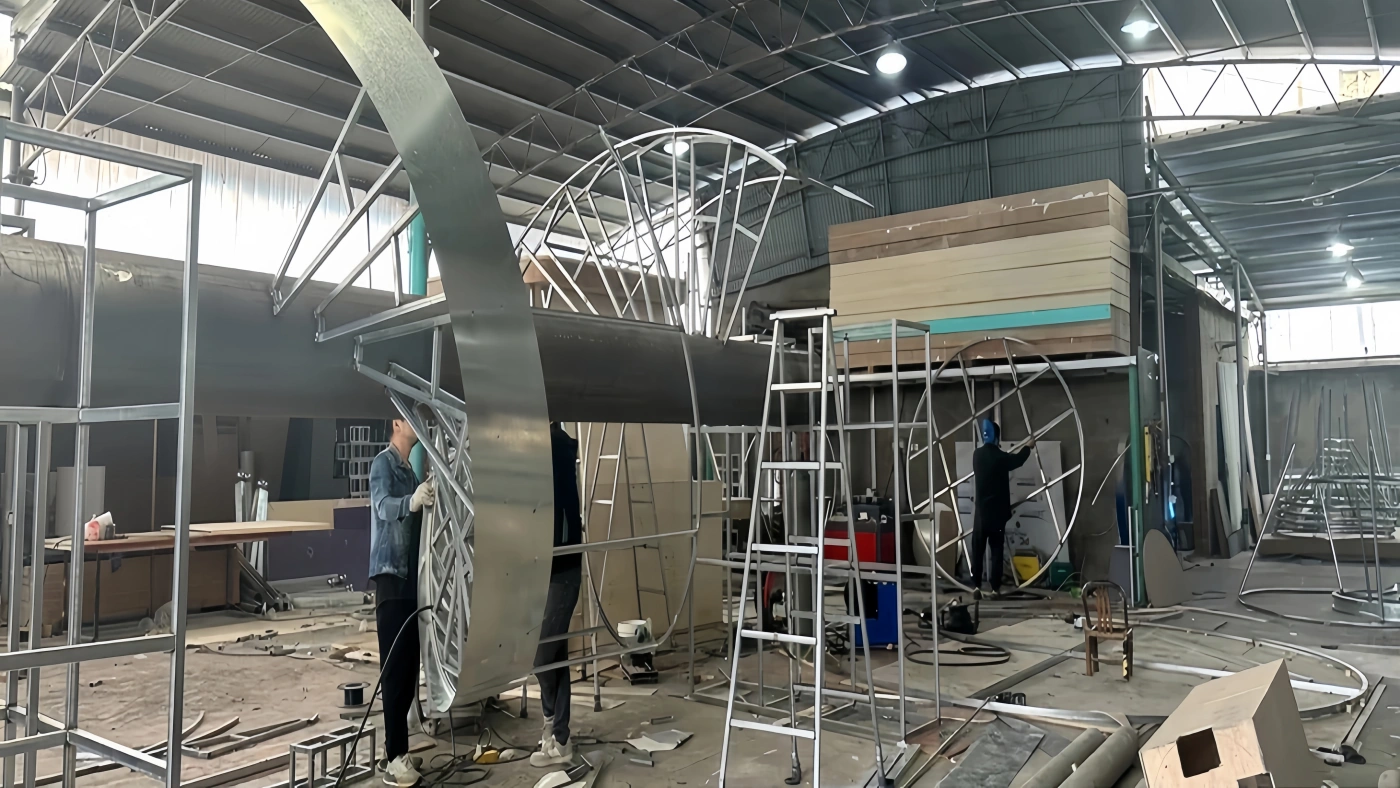
Large-scale mall installations are often shipped and assembled in sections, which means the factory must plan the modular breakdown and reassembly strategy well before production begins. A well-engineered modular design simplifies container loading and allows overseas installation crews to assemble the structure efficiently within a limited timeframe. Greater modularity may require additional connectors, reinforcement, and engineering work, but it substantially reduces the risk of transport damage and can shorten installation time on site. We have seen these benefits repeatedly across overseas shopping mall projects.
Installations that incorporate lighting, sound, or interactive features require additional allowances for electrical components, control systems, and market-specific safety certifications. Depending on the destination market, requirements may include certifications such as CE, UL, or ETL. While these expenses may not appear under the main production line item, they can determine whether an installation is legally and practically ready for deployment in an overseas mall. They are therefore an important, and frequently underestimated, part of the overall project budget.
For installations shipped to overseas shopping malls, packaging means much more than simply building a wooden crate. It directly affects whether the finished installation arrives safely and intact, and it is one of the areas most commonly underestimated by clients entering international trade projects.
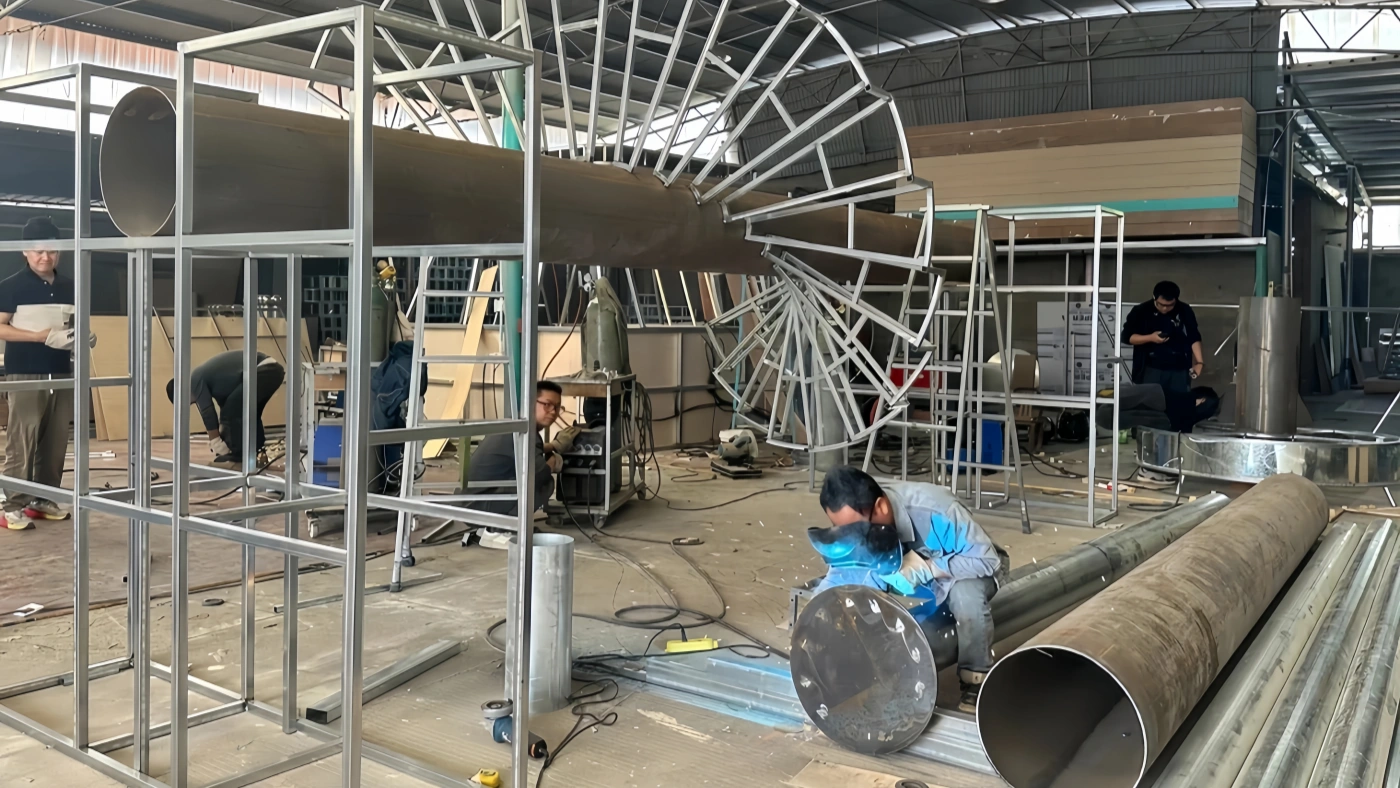
Solid wood packaging used in international trade generally must comply with the wood packaging material requirements established under the International Plant Protection Convention (IPPC), commonly referred to as ISPM 15. The standard requires qualifying solid wood packaging to undergo heat treatment or fumigation and to carry an officially recognized treatment mark on the exterior. These measures are intended to reduce the spread of quarantine pests through international shipments. Non-compliant crates may be detained, returned, or destroyed by customs authorities at the destination port. For this reason, compliant export packaging is a necessary cost—not an optional extra—and should not be treated as an area for indiscriminate cost cutting.
Fragile or moisture-sensitive materials such as acrylic and fiberglass require additional protection, including expanded polystyrene (EPS), bubble wrap, moisture-resistant film, and custom-fitted internal liners. These measures help the installation withstand vibration, impacts, temperature changes, and humidity fluctuations during long-distance ocean transport. The more carefully the packaging is engineered, the lower the risk of transit damage and related claims. For custom retail displays, this is an area where proper investment pays off and where cutting costs too aggressively can prove expensive later.
Shipping is often the most volatile component of the quotation. Ocean freight rates change with cargo-space availability, market demand, fuel surcharges, and seasonal conditions. This is the main reason clients may find that quotations for the same display differ depending on when the shipment is booked.
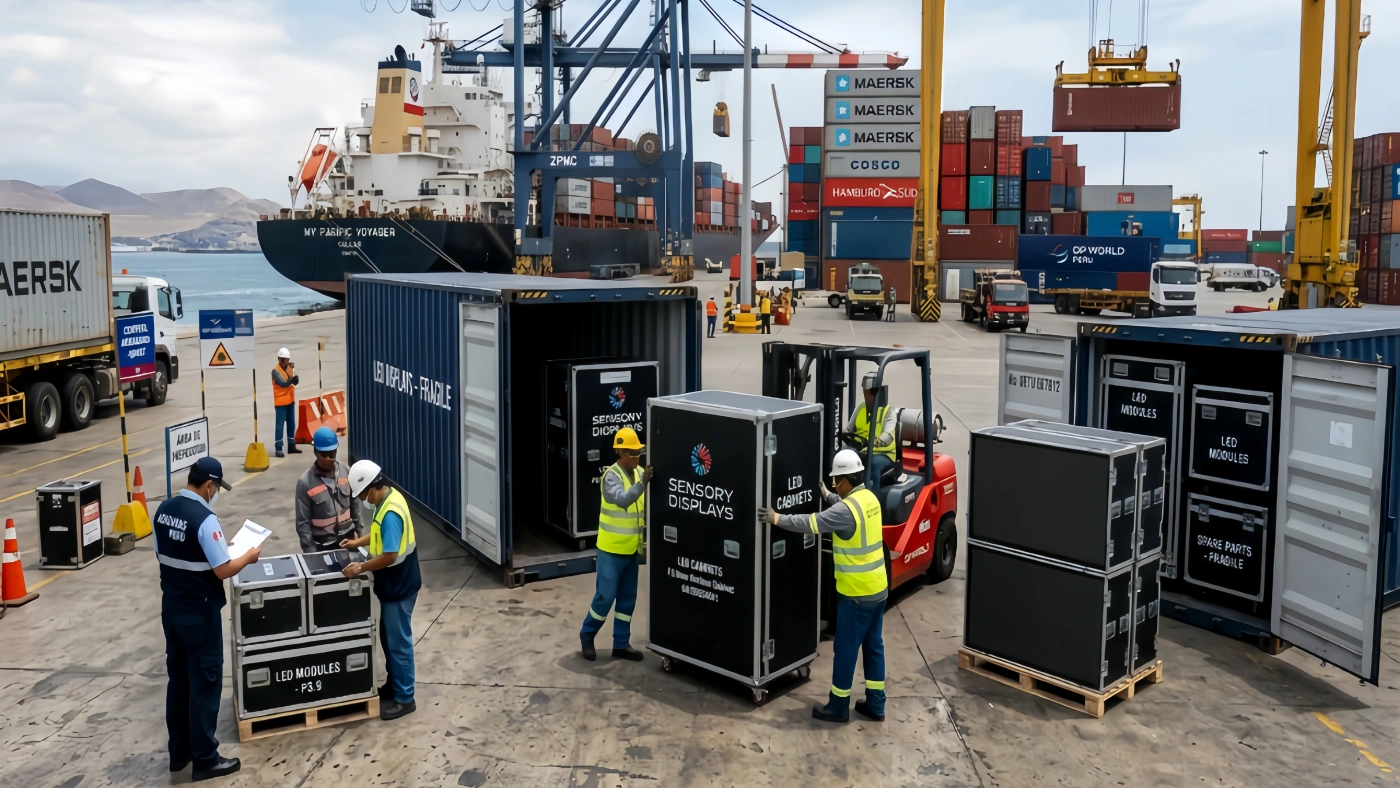
Large retail installations generally favor full container load (FCL) shipping. Smaller-volume projects or urgent deliveries may instead use less-than-container load (LCL) or air freight. Freight benchmarks such as the Freightos Baltic Index track spot rates across major global routes and illustrate how strongly shipping prices can move with seasonal demand and available capacity. We therefore recommend building a reasonable freight contingency into the project budget rather than treating a quotation issued at one point in time as a fixed shipping cost for the entire year.
Once the installation reaches the destination port, additional charges may include import duties, customs brokerage, terminal handling, and potential storage or demurrage fees. In the U.S. market, for example, duty rates are determined by customs authorities according to the applicable commodity classification, or HS code. Installations made from different materials or intended for different uses may fall under different classifications and duty rates. Final classification is subject to the determination of the relevant customs authority. Before placing an order, clients should review the destination country’s tariff policies and classification requirements to reduce the risk of unexpected costs or customs delays.
Beyond the core cost categories above, the delivery schedule, design complexity, scope of overseas installation support, and after-sales warranty terms can all influence the final quotation. For example, production demand around peak holiday periods such as Christmas and Black Friday can increase factory scheduling pressure and freight premiums. Similarly, interactive installations with complex structures and multiple interconnected mechanisms typically require substantially more mold development, programming, and debugging than static display props. These factors may not always be prominent on a quotation, but they can have a material impact on the final transaction value.
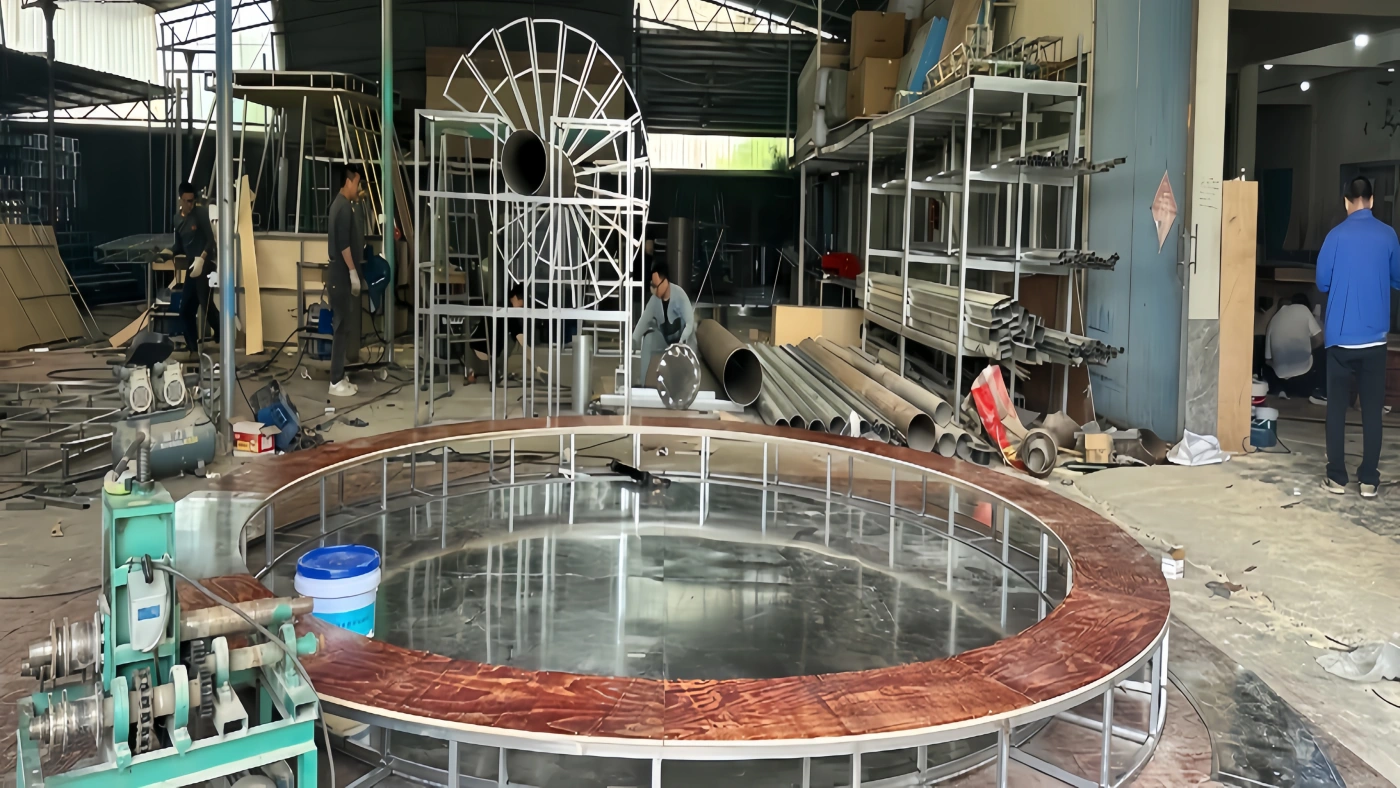
A mature custom shopping mall display manufacturer should offer more than integrated production capabilities, including structural design, metal fabrication, and model carving. Equally important is proven experience with overseas exports. Only a manufacturer familiar with the packaging and quarantine requirements, transportation options, and customs procedures of different markets can help keep the overall project schedule and budget on track, rather than leaving problems to emerge after cargo is held at customs. When evaluating suppliers, we recommend reviewing their completed shopping mall and retail-center projects, practical experience with Christmas and seasonal props and installations, export and customs-clearance capabilities, and the strength of their after-sales support process.

Overall, a quotation for custom-made retail installations involves far more than materials and labor. Every stage—from design and prototyping through structural fabrication, safety certification, export packaging, international freight, and customs clearance—can directly affect the final budget. For brands planning mall, shopping-center, or festive event installations, understanding this cost structure in advance and working with a custom manufacturer experienced in overseas exports can improve budget accuracy while reducing the uncertainty and risk associated with international shipping and customs clearance.
From design approval to overseas delivery and installation, medium- to large-scale projects typically require 8 to 14 weeks. The actual schedule depends on structural complexity, material procurement lead times, and the selected transport method, whether sea or air freight. Lead times are often tighter ahead of major holiday seasons, so early planning and order placement are strongly recommended.
Full-container-load (FCL) sea freight is typically several times less expensive than air freight, but transit usually takes longer—often 4 to 8 weeks. It is therefore best suited to projects with sufficient lead time. Air freight is considerably faster, typically taking 5 to 10 days, but charges are based on weight or volume and can be substantially higher. It is generally reserved for time-critical shipments or small-volume samples.
When packaging contains raw timber or unprocessed solid wood, exports to most countries must comply with ISPM 15 heat-treatment or fumigation requirements and carry the corresponding mark. Composite materials such as plywood and MDF are generally exempt, subject to the specific quarantine regulations of the destination country.
Commonly overlooked items include destination-port terminal handling charges, storage and demurrage, import duties, customs brokerage fees, overseas installation labor, and the cost of additional prototypes caused by design changes. Before signing a contract, it is advisable to confirm the scope of the quotation line by line with the manufacturer.
There are three practical approaches. First, incorporate modular assembly and disassembly into the design to reduce shipping volume and on-site labor. Second, secure production and shipping schedules early to avoid peak-season freight rates. Third, work with a manufacturer experienced in integrated export operations to reduce rework, customs delays, and detention costs caused by packaging or clearance issues.
July 27, 2026

July 27, 2026

July 27, 2026
July 27, 2026
July 27, 2026

July 27, 2026
July 27, 2026

July 26, 2026
July 26, 2026

July 26, 2026

July 26, 2026
July 26, 2026
July 26, 2026
July 26, 2026
July 26, 2026

July 26, 2026

July 26, 2026
July 25, 2026

July 25, 2026

July 25, 2026