September 28, 2026 Ixmore Art
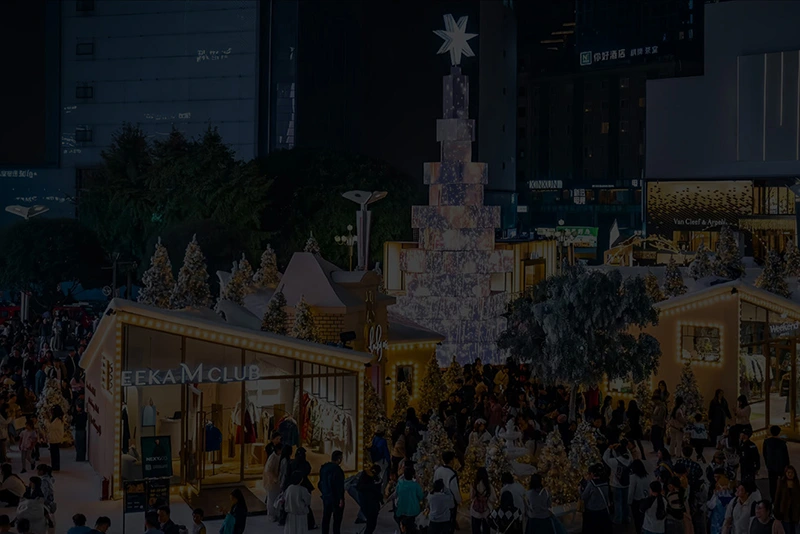
For brands, commercial real estate teams, and event planners, the piece of mall installation production that gets underestimated most often is material selection. It doesn’t matter how good the renderings look — if the materials aren’t right for the application, you end up dealing with load-bearing failures, cracked surfaces, transit damage, or a structure that simply doesn’t pass inspection once it’s on site. Beyond the rework, that kind of setback can push a project past its festive deadline entirely.
Writing from the floor of a manufacturing facility that specializes in large-scale mall installations, this article walks through the three materials we rely on most — fiberglass, foam carving, and metal framing — covering what each one does well, where each one falls short, and how they typically get combined on real commercial installation projects.

Building installations inside a shopping mall is a different game from building for an exhibition hall or an outdoor lawn. Commercial interiors come with a specific set of constraints:
1.High foot traffic: With crowds moving past the piece constantly, structural stability, edge safety, and tip-resistance aren’t optional — they’re the baseline.
2.Fixed deadlines: Christmas, Lunar New Year, store anniversaries — these dates don’t move, and material lead times feed directly into whether you hit them.
3.Space limitations: Freight elevator dimensions, floor load limits, rigging point locations, and overnight installation windows all narrow down which materials and structural approaches are even on the table.
4.Compliance requirements: Indoor pieces have to clear local fire codes, and property management will typically ask for documentation proving the materials are flame-retardant.
5.Frequent teardown and reuse: Many installations are only up for a few weeks before they’re dismantled, shipped, stored, or redeployed somewhere else entirely.
So the real question in professional mall installation work was never “which material is best.” It’s “which combination of materials carries the least risk and delivers the most reliable result for this specific job.”
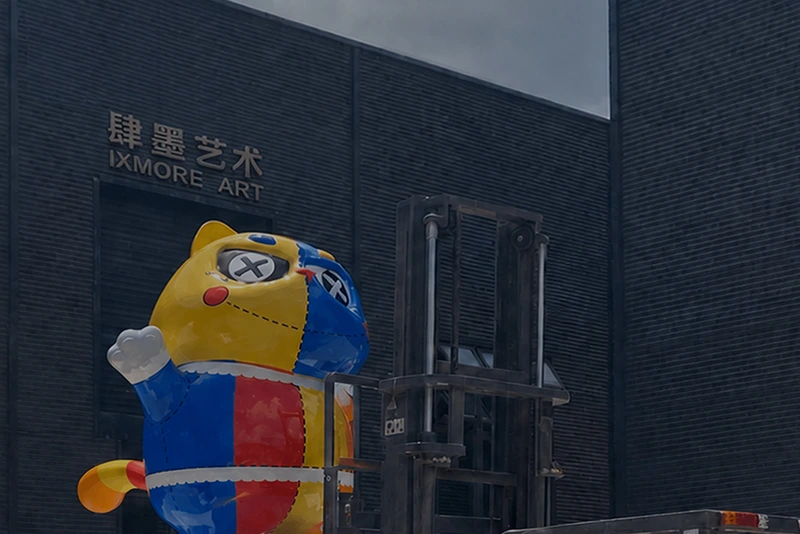
Fiberglass is a composite built from glass fiber and resin. The American Composites Manufacturers Association (ACMA) points to a high strength-to-weight ratio, corrosion resistance, and durability as the material’s core advantages, along with the ability to be molded into complex shapes for real design flexibility. For installation work, that translates into smooth, large-format curved surfaces that hold up well against wind and sun exposure outdoors.
Strengths:
1.Smooth, fine-textured surfaces that can be finished in high-gloss, matte, metallic, stone-effect, or wood-grain — whatever the design calls for
2.Lightweight but rigid shells, well suited to large curved forms
3.Waterproof and weather-resistant, making it a solid fit for outdoor and semi-outdoor settings
4.Mold-replicable, so consistency across multiple units of the same design is easy to hold
Trade-offs:
1.Mold-making and prototyping take time, which rules FRP out for projects on a razor-thin deadline
2.Mold costs run high relative to the output on single-unit or small-batch jobs
3.The production process — resin lay-up, sanding, spraying — demands tight process control and a properly equipped facility

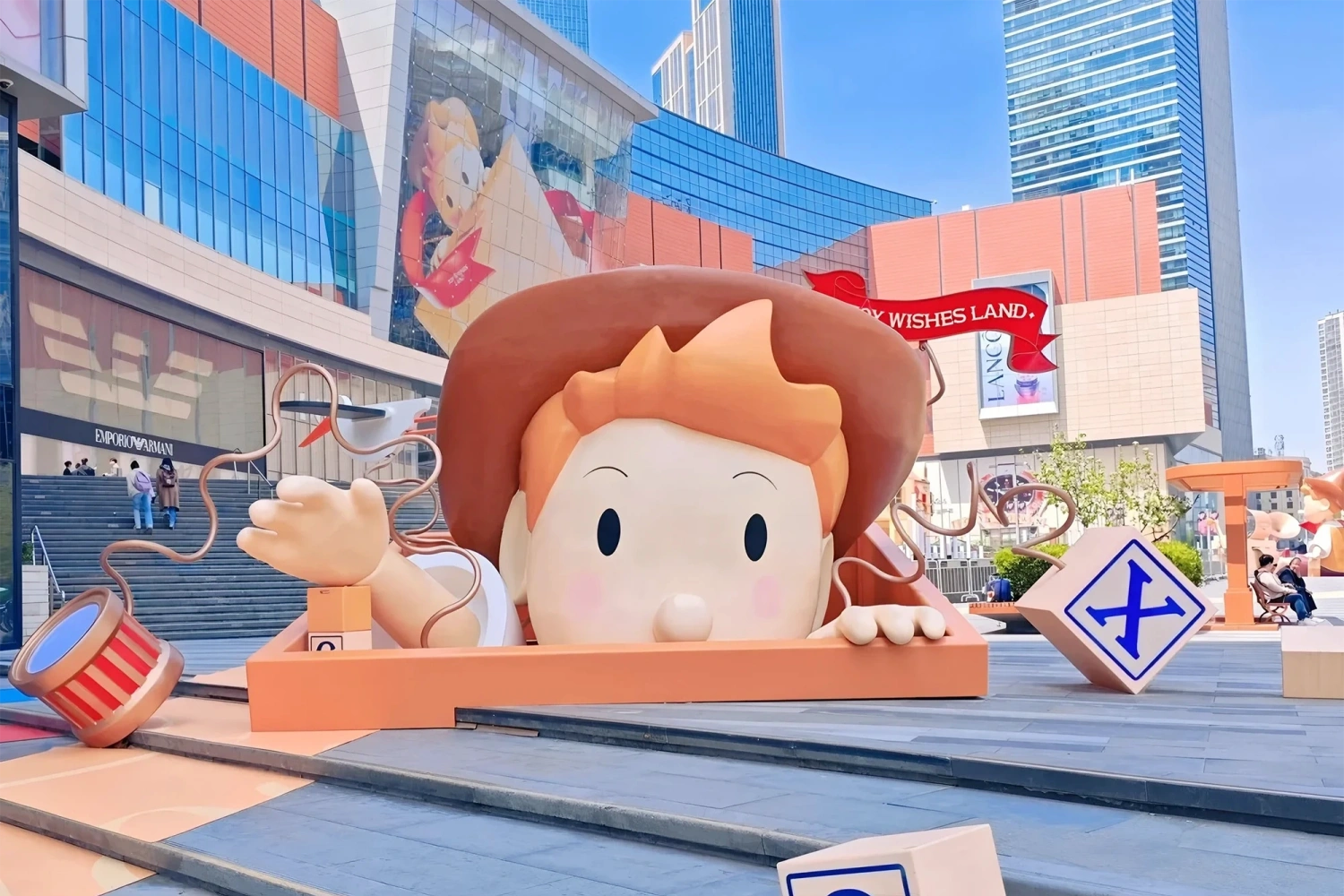
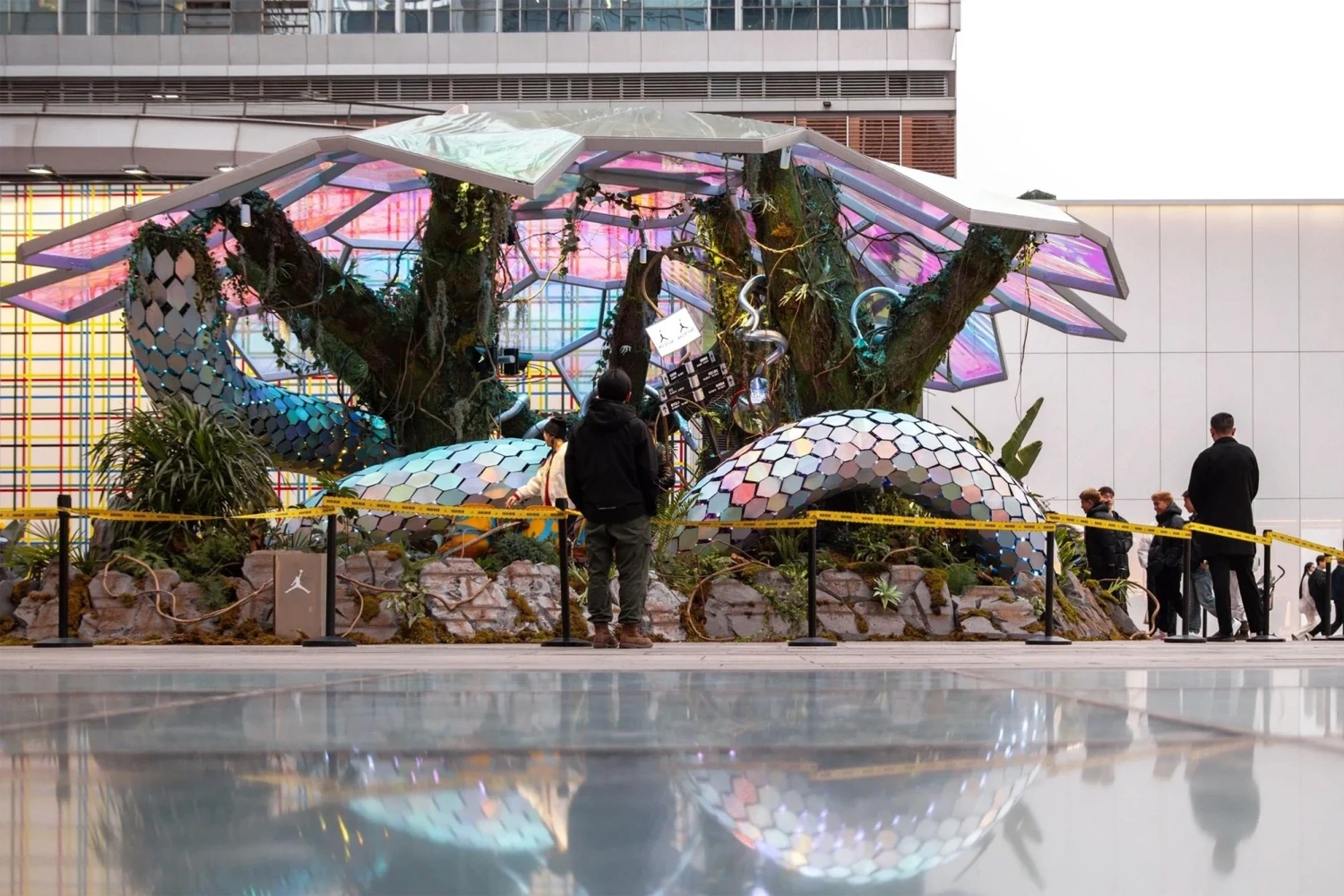
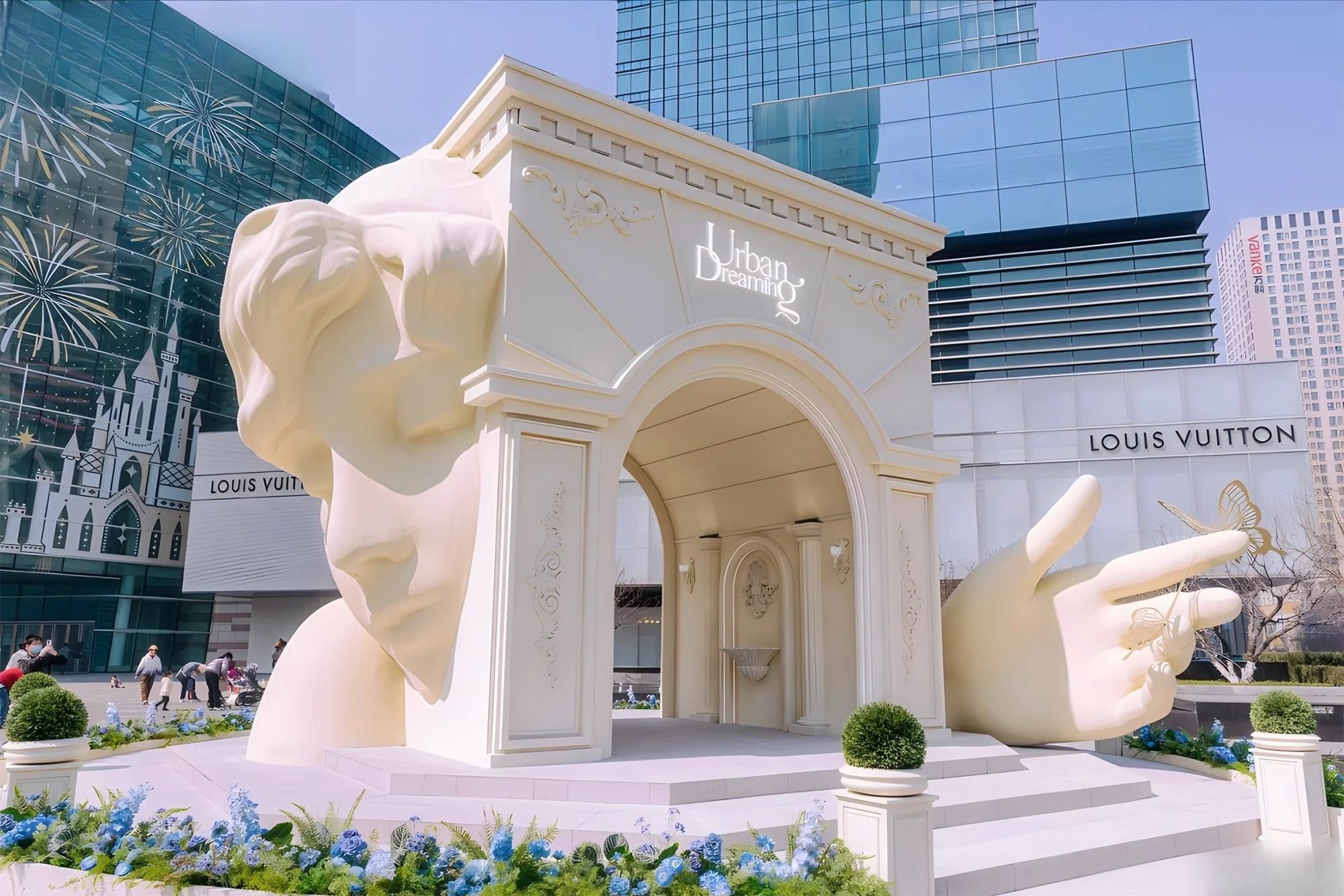
Brand IP sculptures, atrium hero pieces, public art installations, figures in large-scale outdoor Christmas displays, and any project that needs to stay on display for several months or longer. You’ll find more examples of this kind of work in the PUBLIC ART & INSTALLATIONS section of our site.
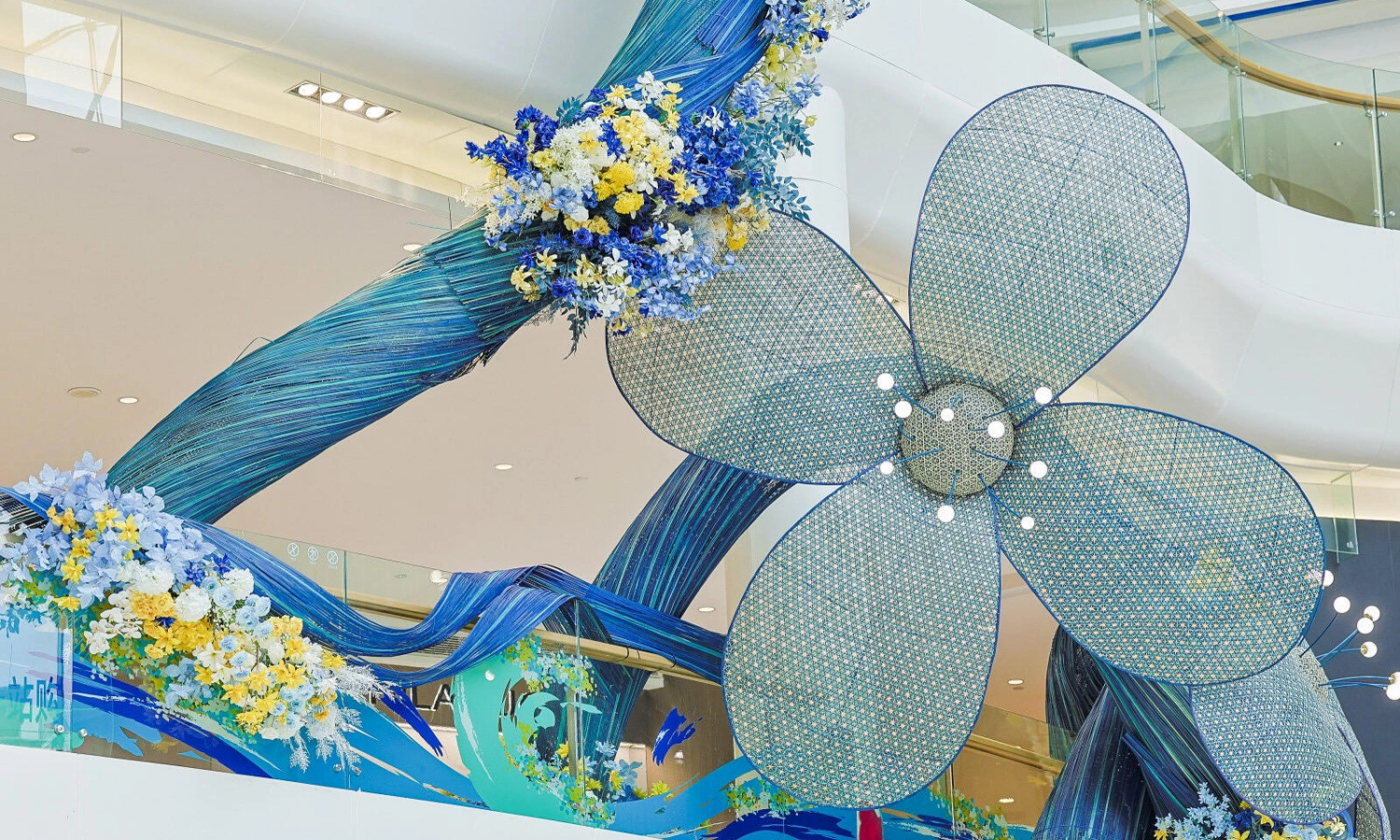
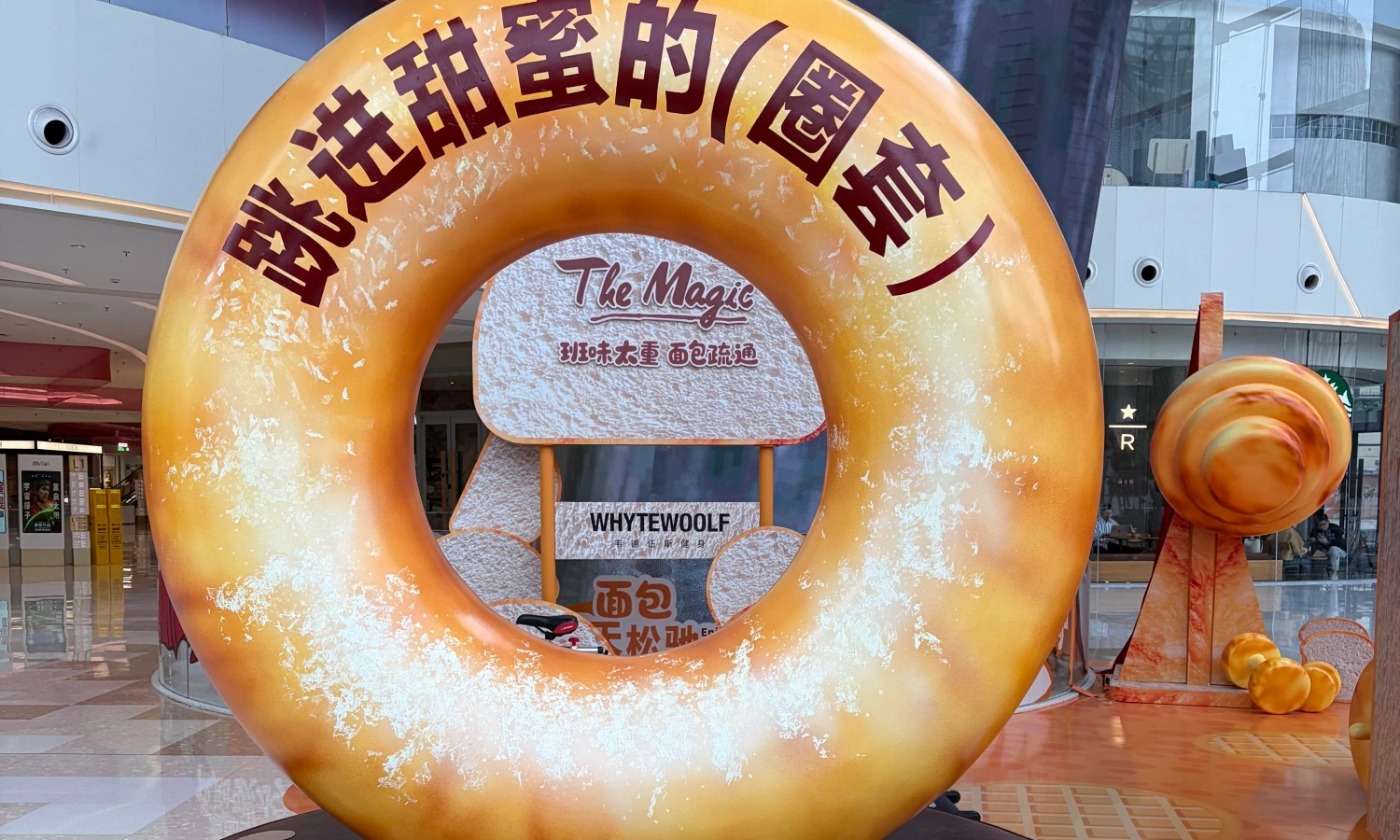
Foam carving generally starts with EPS, XPS, or PU as the base material, shaped through CNC machining or hand carving, then reinforced, plastered, and painted. Its real value is in cutting both the cost and the timeline on complex designs.
Strengths:
1.Extremely light, which eases the load on transport, rigging, and on-site installation
2.A natural fit for organic forms — cartoon characters, faux plants, rock formations, cloud shapes
3.A comparatively short production cycle with plenty of room for design changes along the way
4.Costs stay manageable on single-unit or small-batch jobs
Trade-offs:
1.Foam on its own has low strength, so it needs surface reinforcement — fiberglass, polyurea, or a hard coating — to hold up
2.Fire performance has to be checked carefully; only foams with clearly documented flame-retardant ratings should make the cut
3.Long-term outdoor use calls for extra waterproofing and UV protection
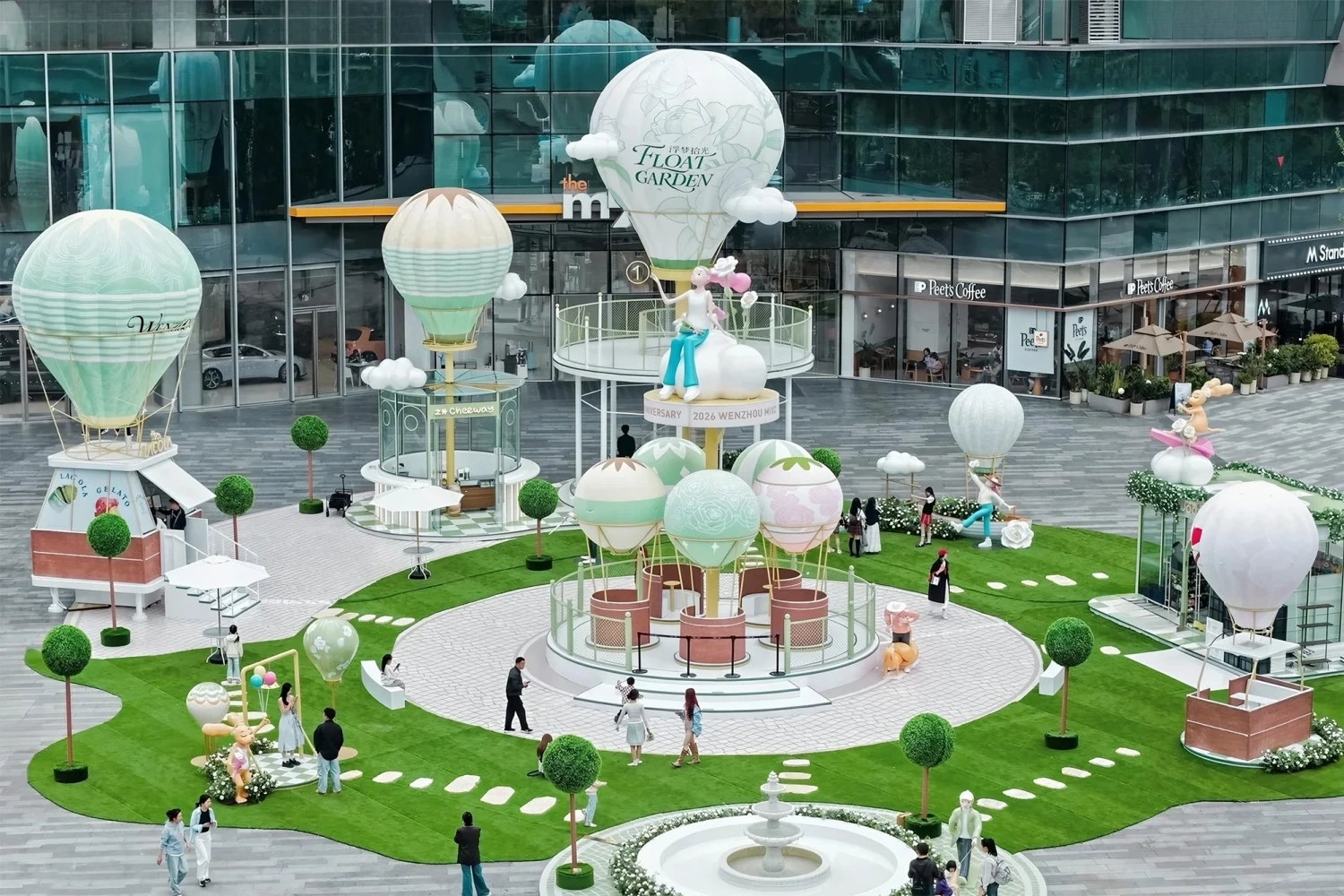
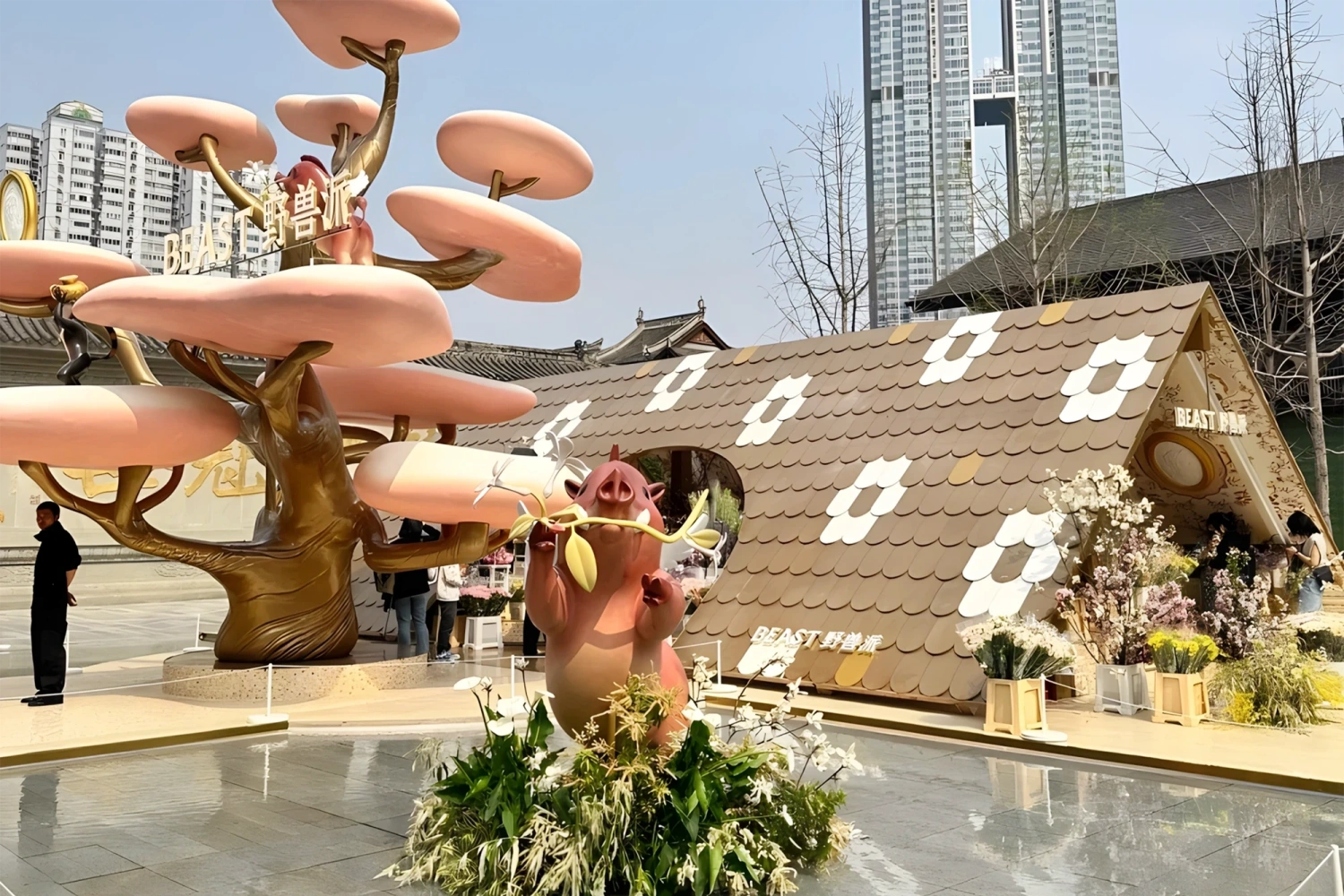
Seasonal atmosphere builds, themed photo zones, pop-up store installations, short-run mall props, large backdrop walls, and any festive installation where the design is likely to go through several rounds of changes.
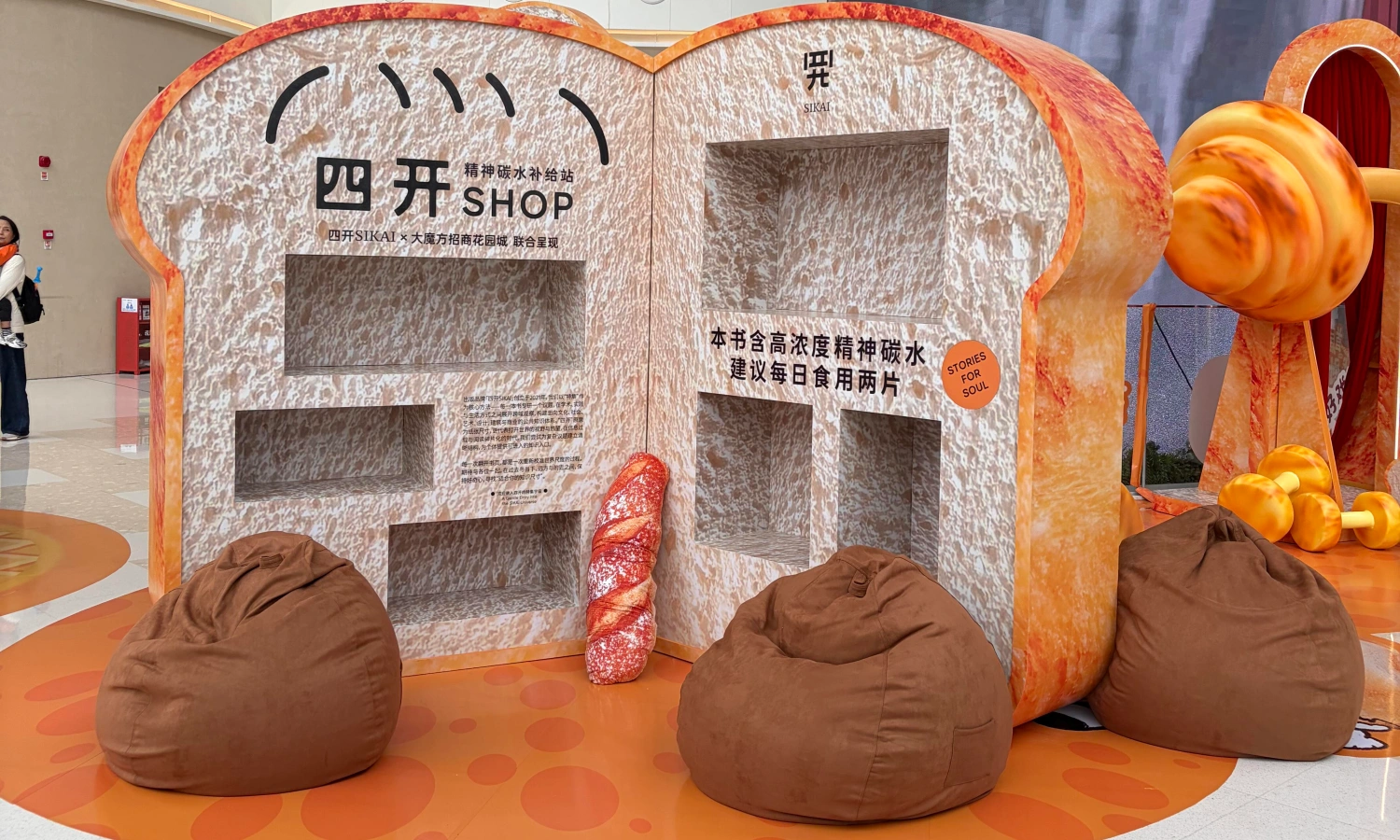
A lot of people write off metal framing as just an “internal support,” but on large installations it’s what determines whether the whole structure is safe. Square tubing, round tubing, angle iron, and hot-dip galvanized steel are the usual materials, with stainless steel and aluminum alloy coming into play for specific scenarios.
Strengths:
1.High load-bearing capacity, which makes it the right choice for long-span, suspended, or cantilevered structures
2.Can be broken down, reassembled, and reused through flanges, bolts, and modular sections
3.Holds up outdoors once it’s had proper corrosion protection
Trade-offs:
1.It’s heavy, which puts real demands on floor load capacity, rigging points, and ground conditions
2.Needs structural calculations, and weld quality plus connection integrity have to be strictly controlled
3.On its own it doesn’t say much visually — it needs a fiberglass or foam-modeled layer over it to do the storytelling
Rust prevention on outdoor metal framing isn’t a minor detail — it’s central. According to the American Galvanizers Association (AGA), hot-dip galvanizing protects against corrosion through three mechanisms working together: barrier protection, sacrificial (cathodic) protection from the zinc, and the zinc oxide patina that forms on the surface. Under comparable conditions, the corrosion rate on galvanized steel runs at roughly one-thirtieth that of bare steel. That’s why hot-dip galvanizing is generally the default choice for the steel structures in outdoor installations — and when a specific color is required, spray paint or powder coat simply goes on over the galvanized layer.
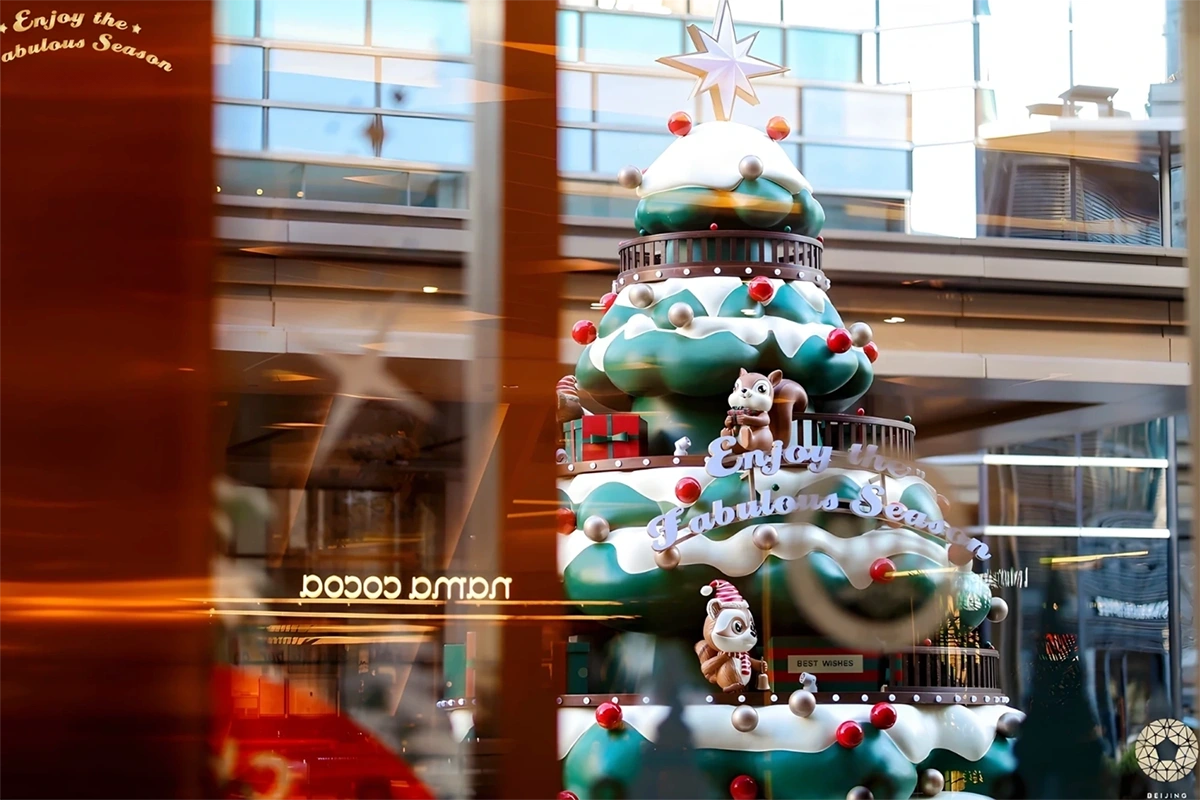
Atrium hanging installations, large Christmas trees, arches and storefront signage, illuminated structures, wind-exposed outdoor pieces, and touring exhibitions that move from site to site.
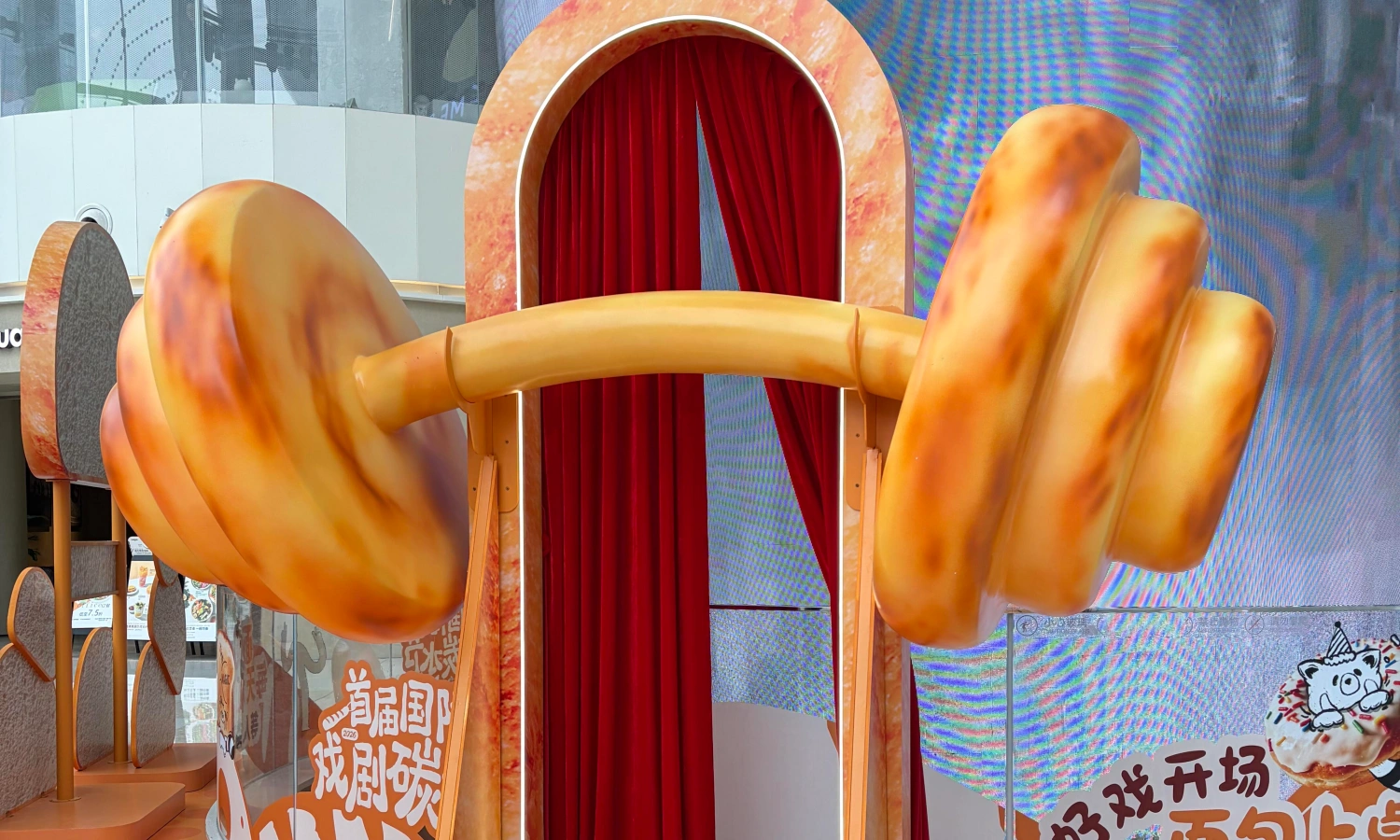
In practice, we tell clients to weigh a decision against these five factors rather than defaulting to whatever’s cheapest:
1.Design complexity: Designs full of curves and fine detail call for foam carving or fiberglass; designs built mostly from clean geometric forms can usually get by on a metal frame with a lightweight surface layer.
2.Display duration: For a run of a few days to a few weeks, foam carving delivers the best value; for anything running several months or longer, fiberglass holds up better over time.
3.Usage environment: Indoors, weight and fire resistance take priority; outdoors, you’re weighing waterproofing, UV resistance, wind resistance, and corrosion protection.
4.Structural load: Suspended, cantilevered, or long-span pieces — or anything the public might physically touch or lean on — need a metal frame carrying the load. The sculptural shell alone can’t be the structure.
5.Transport and assembly: For projects crossing cities or borders, modular breakdown has to be built into the design from the start, and material choice needs to balance weight against impact resistance.
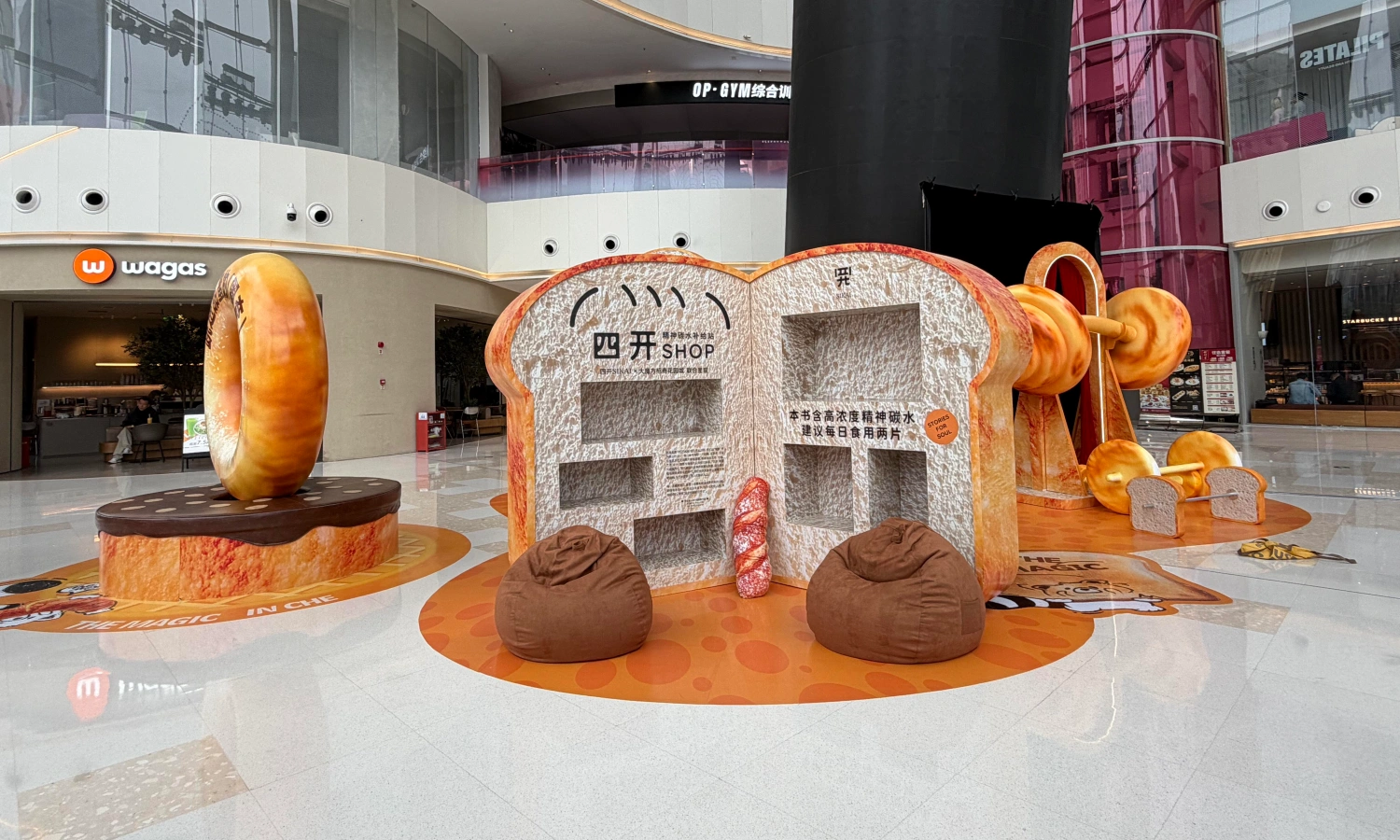
On custom mall installations, one material almost never covers the whole job — the solutions that actually work tend to combine materials:
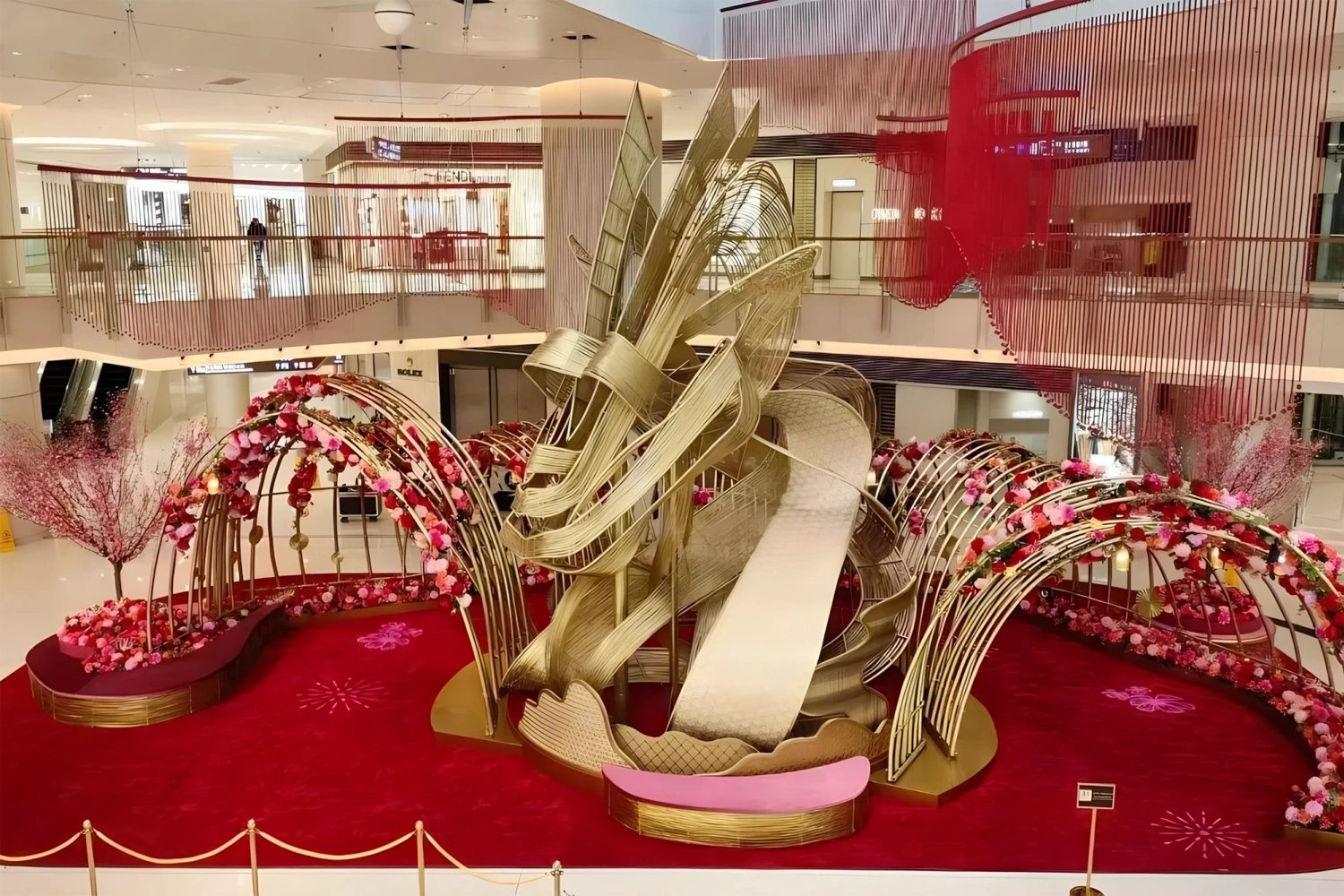
1.Large themed atrium installations: A metal frame carries the structural load, foam-carved elements build out the main form, and FRP gets used in key areas where surface texture needs to hold up.
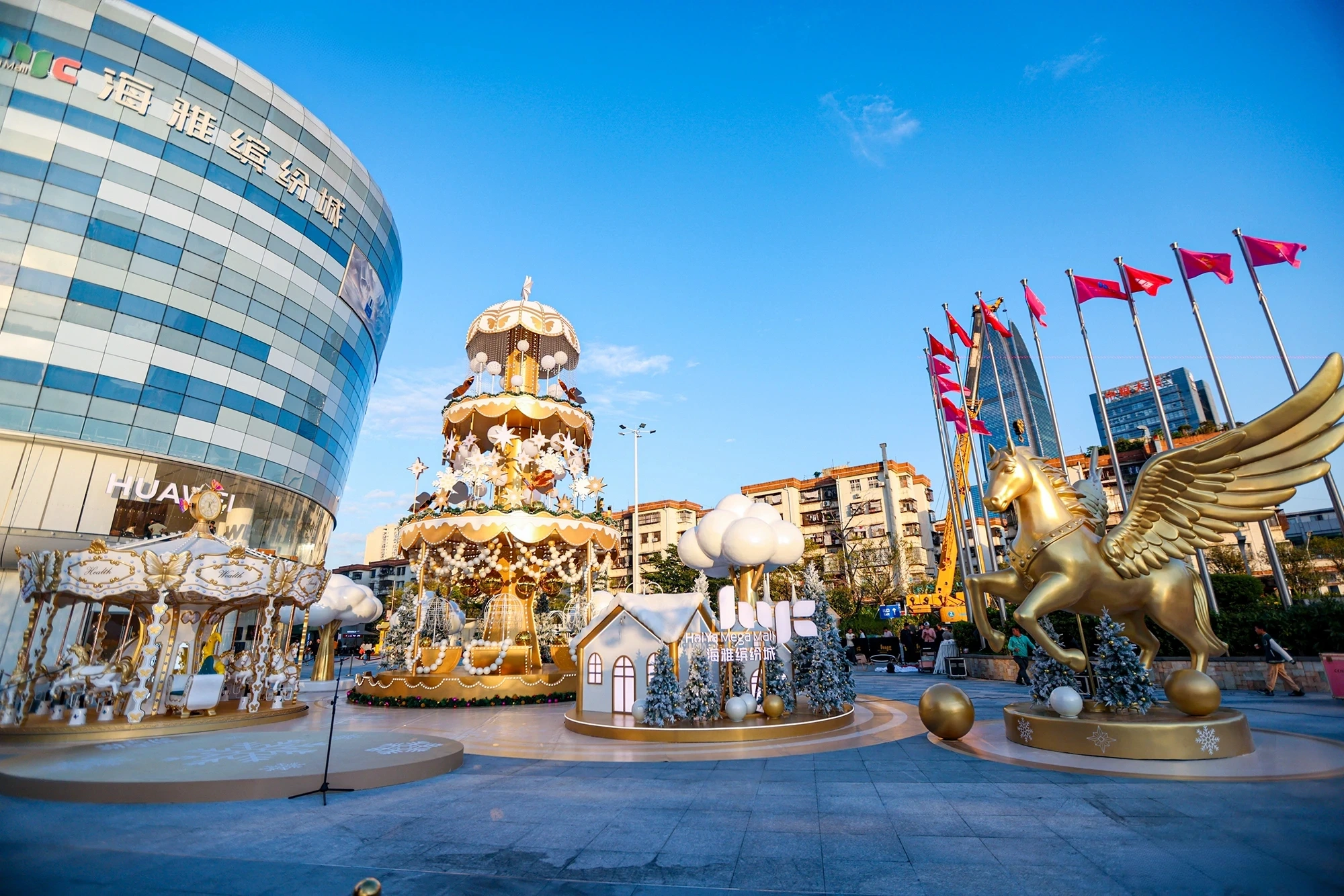
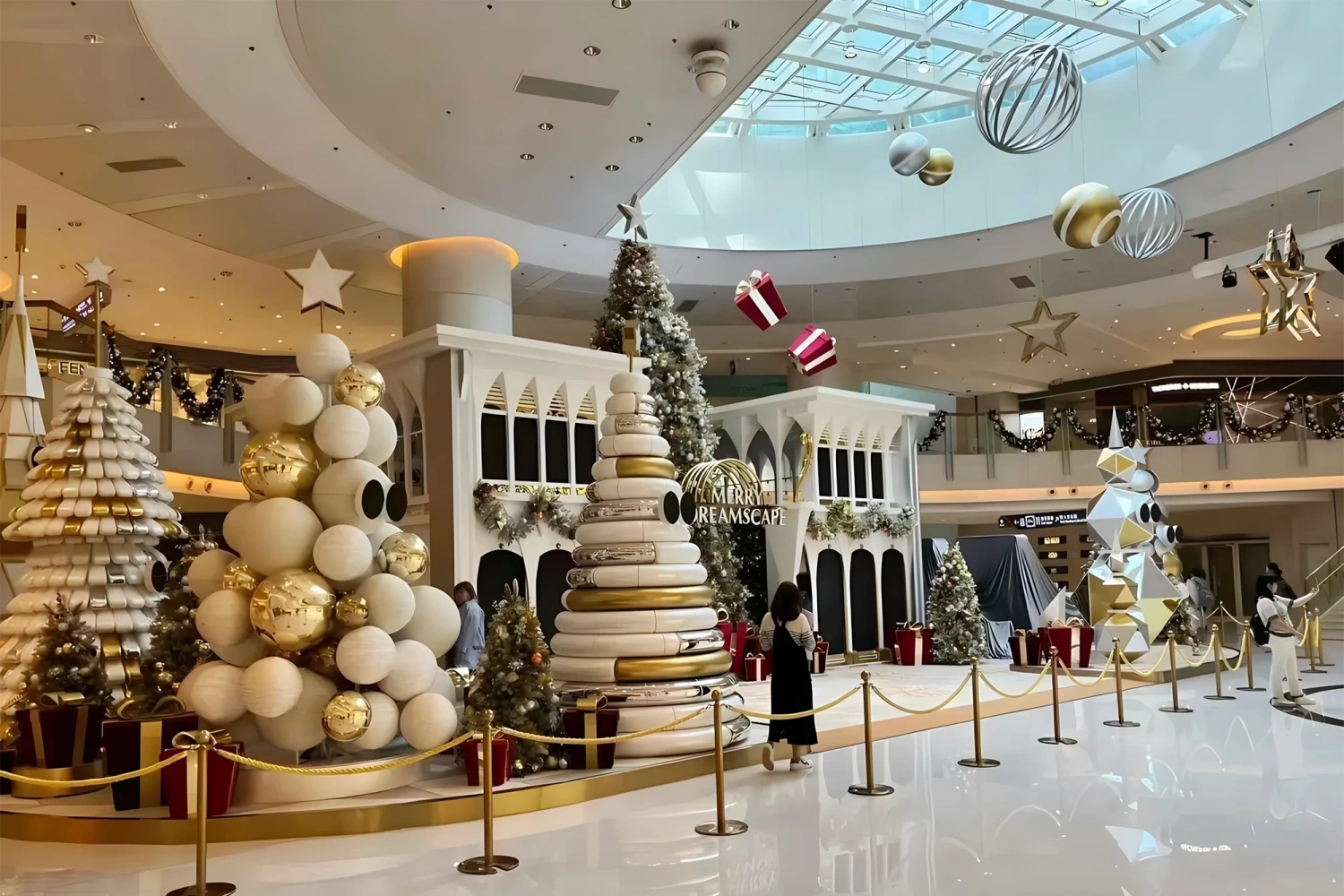
2.Christmas and holiday installations: Outdoor sections generally run on hot-dip galvanized steel frames paired with fiberglass; indoor scenes lean on light-gauge steel frames combined with foam carving to balance weight against the production timeline. See the COMMERCIAL & HOLIDAY DISPLAYS category for reference projects.
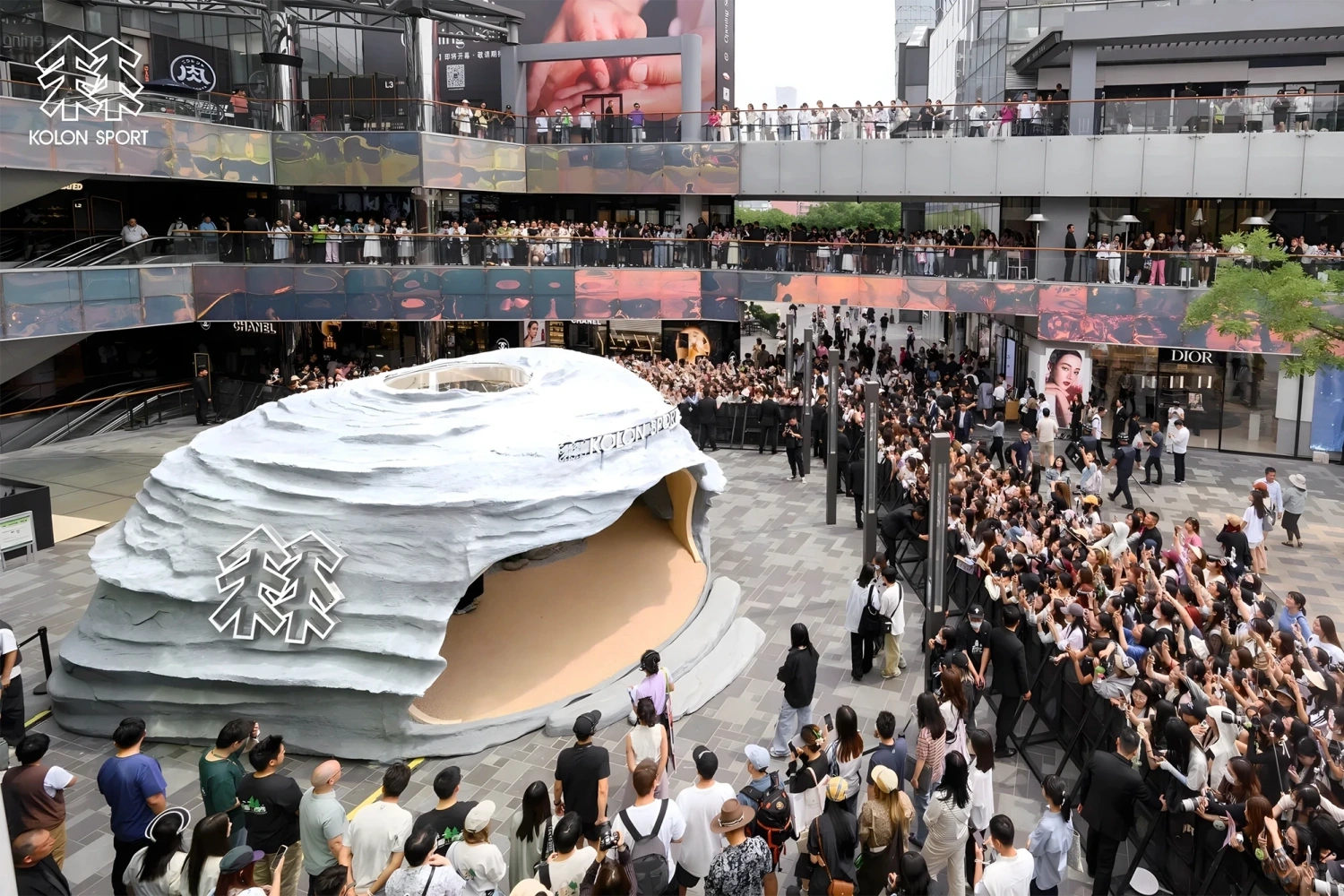
3.Pop-up and experiential props: Lightweight, modular construction takes priority so setup and teardown stay fast.
4.Public art installations: Weather resistance and maintenance intervals come first, which is why FRP, stainless steel, or aluminum alloy tend to be the go-to choices.

Shopping malls are high-occupancy spaces, so a material’s fire performance needs to be backed by test data, not assumption. One of the internationally recognized surface-burning tests for building materials is ASTM E84, which produces a flame spread index and a smoke-developed index. Codes such as the IBC and NFPA 101 require interior wall and ceiling finishes to be classified based on results from ASTM E84 or UL 723. This test is commonly used to evaluate coatings, flame-retardant treatments, foam plastics, and similar materials — but it doesn’t capture every risk present in a real fire, and it doesn’t classify a material as non-combustible.
Two things are worth keeping in mind here. First, this standard is written for architectural finish materials — the specific requirements that apply to installation products come down to local regulations and the property owner’s own stipulations. Second, request fire-retardant documentation from the manufacturer early in the project, well before you’re standing in front of an inspector during acceptance.

Beyond the renderings, here’s what’s worth checking when you’re vetting a manufacturer for a large mall installation:
1.Whether the factory has real project history across different categories — malls, festivals, public art — and can speak specifically to the materials and structures used on each
2.Whether the factory runs a full production chain covering detailed design, structural engineering, manufacturing, finishing, and on-site installation
3.Whether the factory can produce material specifications, structural drawings, and safety documentation on request
4.Whether the factory has actual export and overseas shipping experience, including modular design and damage-prevention packaging
5.Whether you get clear progress updates at each stage — prototyping, production, and shipping

Fiberglass wins on precision and weather resistance. Foam carving wins on complex shapes and fast turnaround. Metal framing is what keeps the whole structure safe. Reliable mall installation production comes down to combining these three according to the specific project — with safety, transport, installation, and compliance built into the thinking from the design stage onward, not bolted on afterward.
If you’re planning a custom mall installation, a festive display, or a pop-up event, it’s worth talking through material options with your manufacturer during the concept phase — it saves both time and budget compared to changing course later. Reach out to us through the Contact page to share what you’re working on.

It comes down to display duration and environment. For long-term displays, outdoor use, or anything requiring high surface precision, go with fiberglass. For short-term events, complex designs, or tighter budgets and deadlines, foam carving is the better fit. Plenty of projects end up using both.
Large or suspended pieces need a stable load-bearing structure. A metal frame delivers the strength and wind resistance that requires, and it also makes sectional disassembly and reassembly possible. Relying on a foam or fiberglass shell alone typically can’t guarantee safety.
Hot-dip galvanized or corrosion-resistant steel framing paired with an FRP sculptural layer is the standard approach, along with reinforced waterproofing, UV protection, and proper ground anchoring.
It comes down to the material’s flame-retardant rating and surface treatment. Choose foam with clearly documented fire ratings, and have the corresponding test reports or certifications ready to match whatever the project location and property management require.
Timeline depends on scale, design complexity, materials, and whether mold-making is involved. Fiberglass projects that require mold-making generally run longer than foam carving jobs — the actual schedule gets set based on the production plan once the design is confirmed.
Break the structure into modular sections during the design phase, number every component, provide installation drawings, and use reinforced packaging. Factories with overseas experience can usually walk your team through installation as well.
Look for a track record on similar projects, real design and structural engineering capability, material and safety documentation, export experience, and clear communication with regular progress updates. For more, visit our FAQ page.
July 27, 2026
July 27, 2026

July 27, 2026
July 27, 2026
July 27, 2026

July 27, 2026
July 27, 2026
July 26, 2026

July 26, 2026
July 26, 2026
July 26, 2026
July 26, 2026
July 26, 2026
July 26, 2026
July 26, 2026

July 26, 2026

July 26, 2026
July 25, 2026
July 25, 2026

July 25, 2026