October 29, 2026 Ixmore Art
For commercial complexes, shopping malls, and branded events, a successful custom “Enjoy The Holiday” art installation must do more than deliver a distinctive theme and strong visual impact. It must also meet requirements for structural safety, material suitability, fabrication accuracy, protection during international transit, and efficient on-site installation. Every stage—from initial concept development to the final public unveiling—affects the finished presentation, delivery schedule, and long-term maintenance costs.
The value of the “Enjoy The Holiday” holiday party art installation lies not only in its festive appearance, but also in the ability to turn a creative concept into a physical installation that can be manufactured, shipped, assembled, and operated in a commercial environment. For overseas shopping center operators, commercial property developers, brand marketing teams, and event agencies, choosing a Chinese fabrication partner with end-to-end engineering and execution capabilities is an important step in reducing implementation risks and maintaining delivery quality.

Ixmore Art specializes in custom art installations for commercial spaces, commercial display props, holiday-themed installations, and public art projects. Our capabilities span design development, structural engineering, material fabrication, surface finishing, factory pre-assembly, and cross-border project coordination. We work to translate creative concepts into finished installations that meet specific site conditions and delivery requirements. Using the “Enjoy The Holiday” holiday party installation as a case study, this article examines the full workflow behind a large-scale commercial installation—from initial planning through transportation, installation, and final acceptance—and offers practical guidance for overseas clients planning similar projects.
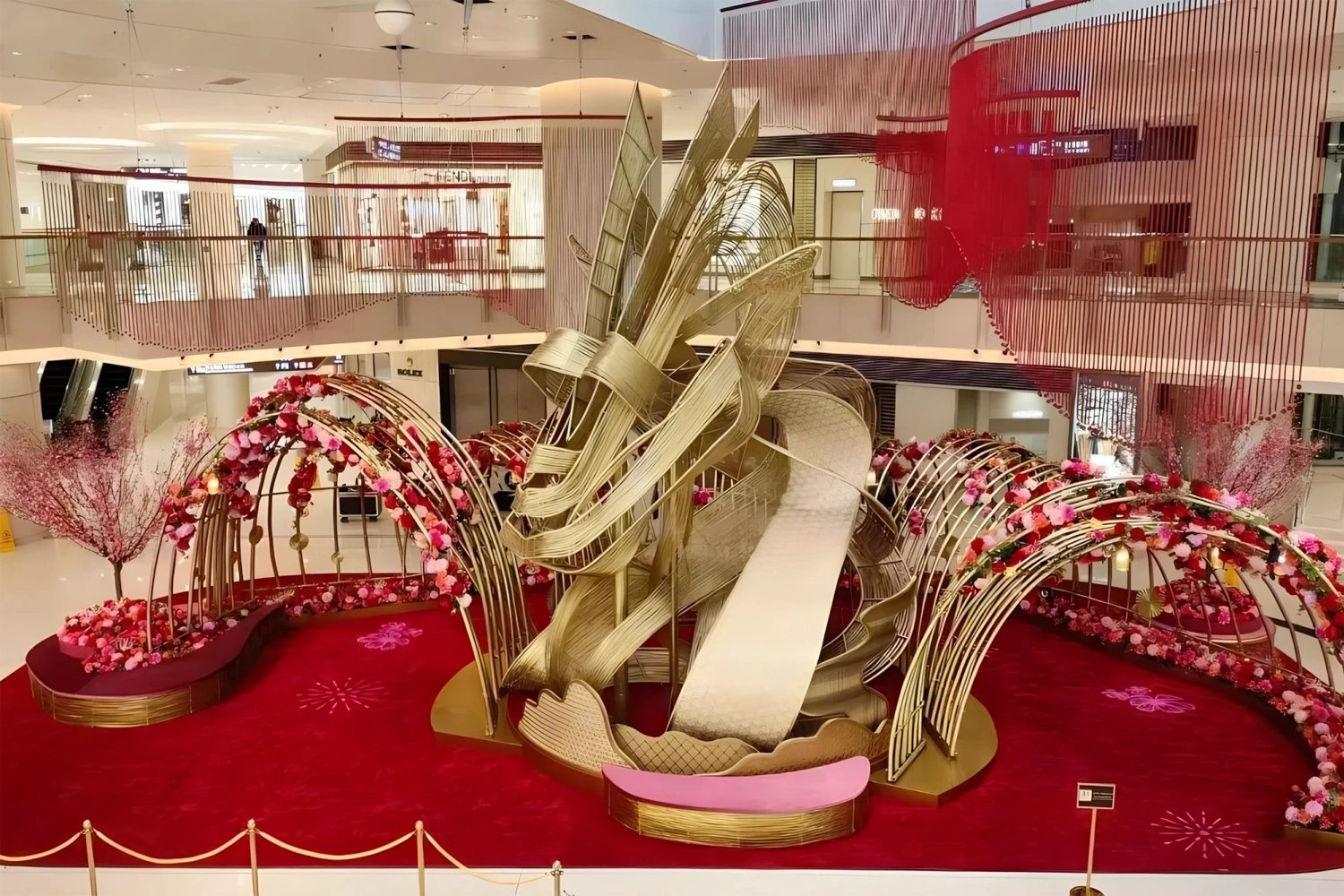
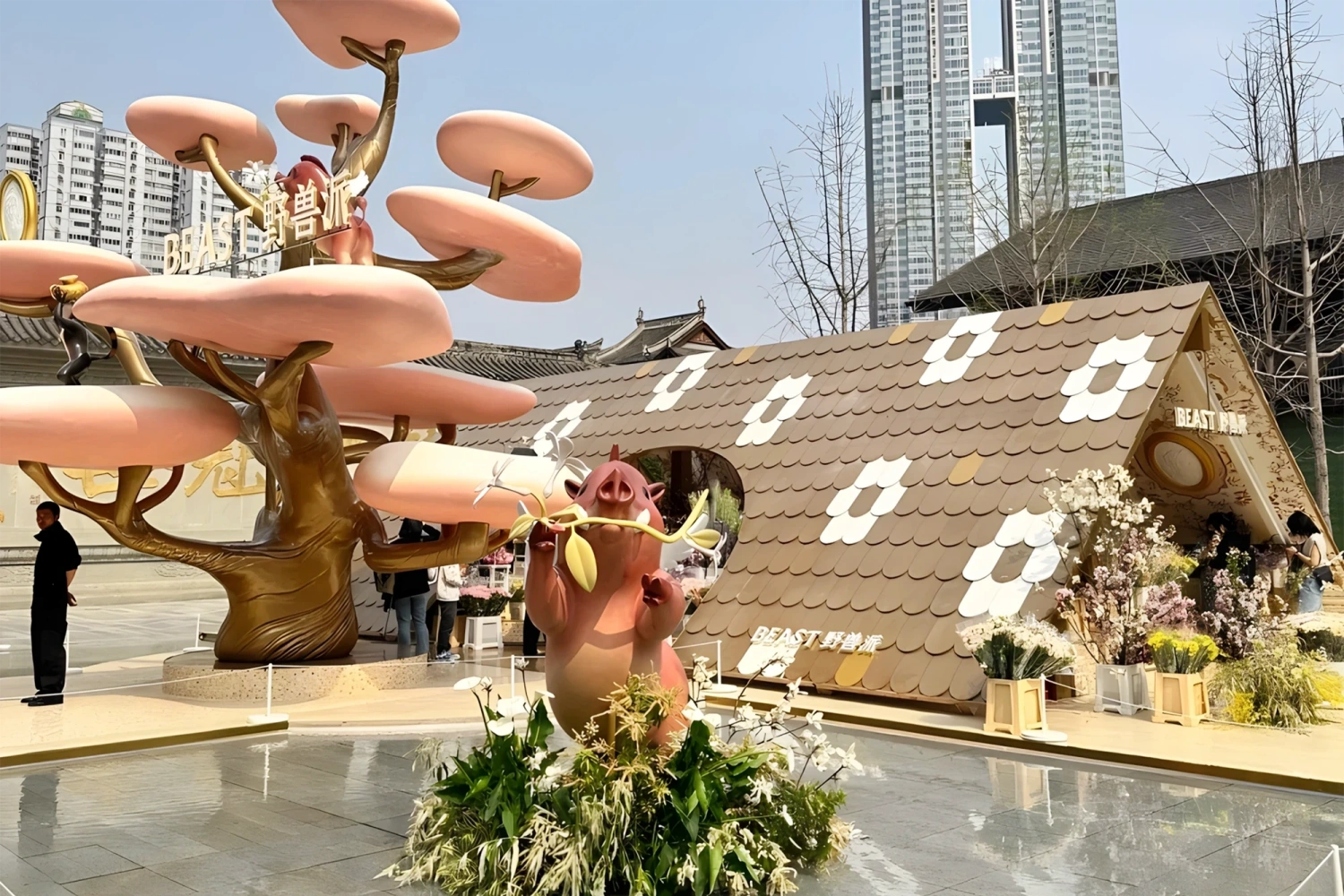
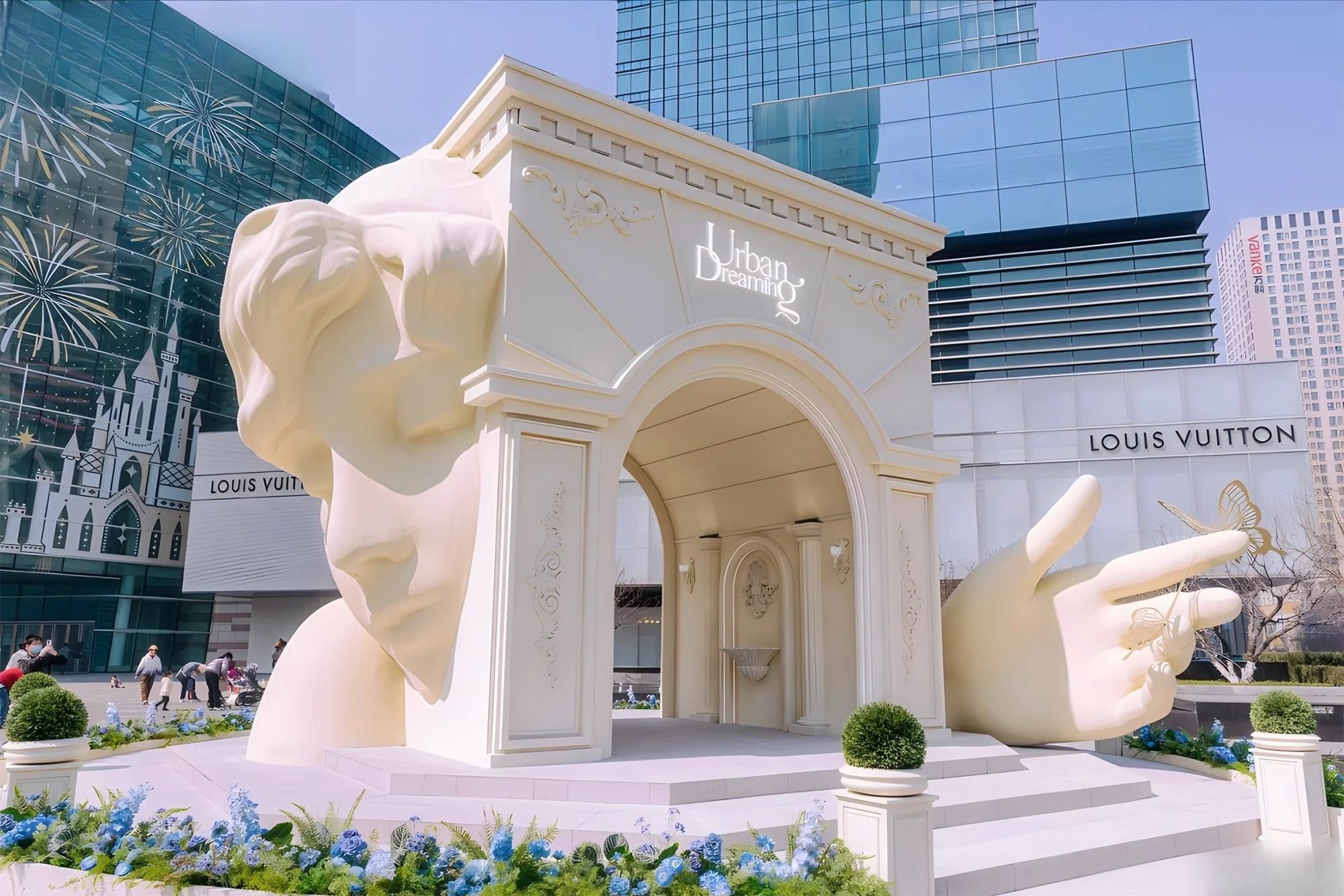
Holiday installations differ from standard display props because they often serve several purposes at once: visual impact, themed storytelling, wayfinding, and visitor engagement. The “Enjoy The Holiday” theme is designed to convey a relaxed, joyful, celebratory atmosphere. Planning a commercial holiday installation therefore involves more than designing individual pieces. It requires an understanding of the overall visitor experience and how the installation will work with the surrounding architecture, customer flow, and brand messaging.
At the beginning of the project, several key points need to be established.
First, define the display environment. An indoor atrium, a shopping center’s public area, an outdoor plaza, and a temporary event venue each impose different requirements for materials, structural design, mounting methods, and safety.
Second, establish the visual hierarchy. The main themed installation should act as the primary focal point, while supporting structures, props, and scenic elements should complement it in scale, color, and placement.
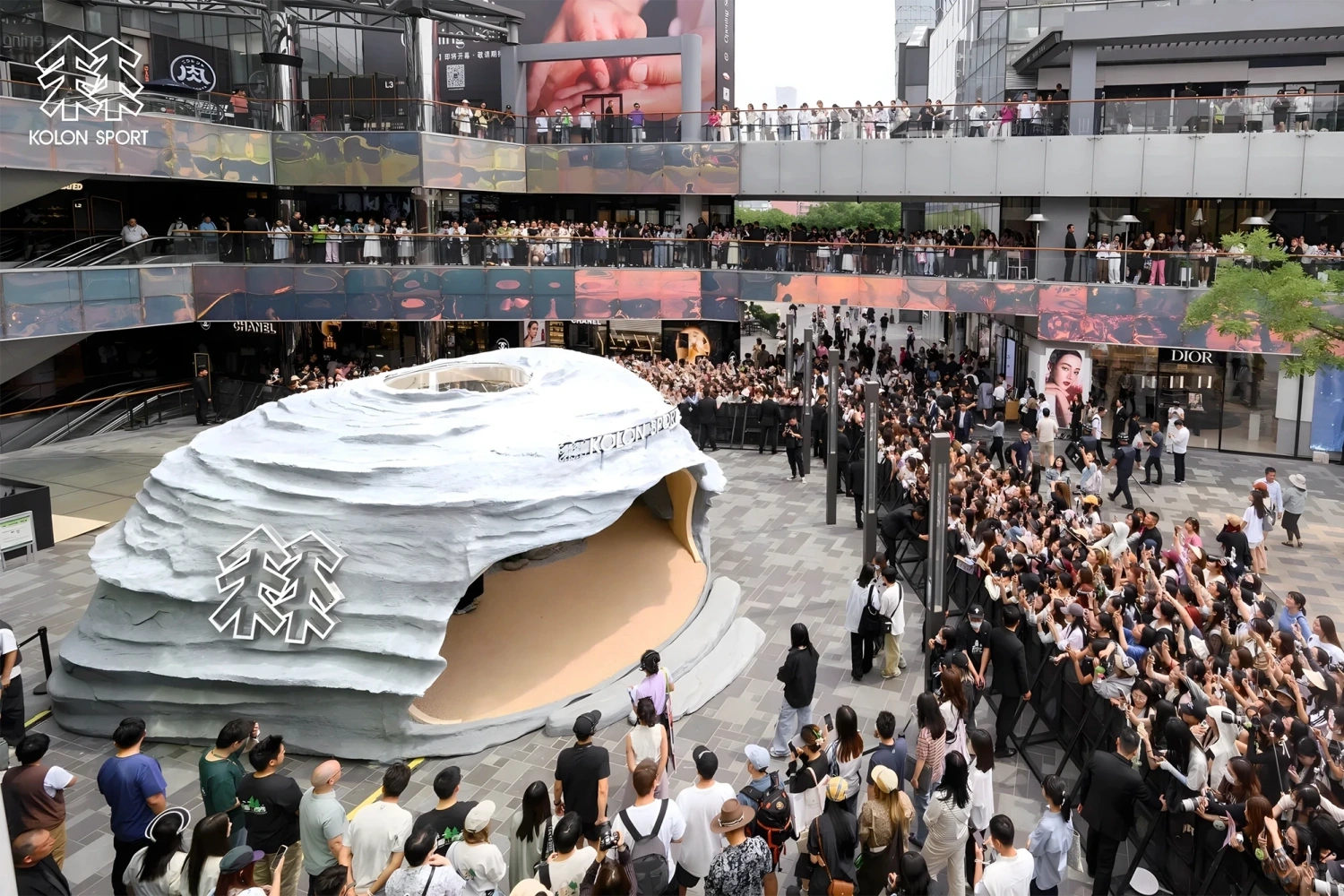
Third, assess interaction and photography needs. If visitors will approach the installation, pose for photos, or walk through it, the design should account for contact points, finished edges, accessible components, and crowd movement.
Fourth, clarify the intended service life. A short-term holiday activation has different requirements from a commercial display designed for repeated use over several years. Structural durability, surface coatings, assembly and dismantling methods, and maintenance provisions should all reflect the expected usage cycle. These decisions provide the basis for design development, material selection, and production planning.
A capable custom fabrication partner does more than reproduce a shape from a reference image. The real work is translating the design intent into clear, verifiable production requirements. Features such as unusual curves, three-dimensional lettering, exaggerated proportions, and layered composite forms need to be defined in terms of dimensions, connection methods, support locations, component boundaries, and surface finishes. If the factory relies on renderings alone, the result may include proportion discrepancies, components that are difficult to assemble, shipping dimensions that are too large, or an installation that cannot be positioned as planned on site.
For large custom commercial installations, the design documentation should therefore be checked before production begins. A coordinated set of project documents should bring together aesthetic requirements, engineering conditions, and delivery standards. For overseas projects, this stage should also confirm the available installation window, unloading arrangements, freight-elevator dimensions, access restrictions, floor load capacity, and applicable local safety and fire regulations for public spaces. Resolving these details early helps limit later changes and avoidable rework.
Design development is the bridge between a creative concept and a manufacturable product. Renderings communicate the intended look, but factory production requires more detailed information, including overall dimensions, individual component sizes, material specifications, structural joints, connection points, colors, and installation methods. For a holiday project such as “Enjoy The Holiday,” the process may involve developing 3D models or refining 2D production drawings, depending on the installation’s complexity and site conditions. For irregular curves, complex three-dimensional forms, and large assembled structures, 3D modeling helps verify how components fit together and identify potential fabrication or installation issues before work begins.
Three areas deserve particular attention during design development. The first is visual accuracy. Clearly defining contours, proportions, color zones, and the scale of key details reduces the risk of production staff having to interpret the design themselves. The second is structural feasibility. Internal supports, connection points, bases, and reinforcement methods must be planned so the installation can achieve the intended appearance while meeting the demands of its actual environment. The third is manufacturability. Complex forms should be divided into modules that can be fabricated, handled, transported, and assembled efficiently, with production methods chosen to suit the materials.
Modular planning must account for more than ease of fabrication in the factory. It also needs to consider protective packaging, access routes at the destination, lifting conditions, and the location of final joints. Resolving these issues during design development can prevent problems that might otherwise surface only after the installation reaches the site.
Large commercial installations may need to withstand their own weight, visitor contact, wind loads, vibration during transport, and site-specific constraints. Structural requirements vary from project to project, so safety cannot be assessed from external dimensions alone. For outdoor installations, the design must account for local wind conditions, exposed surface area, support arrangements, ground conditions, and anchoring points. For suspended installations or pieces located in multi-story commercial spaces, the load capacity of suspension points, connectors, support systems, and the building structure must also be verified.
For installations made up of multiple components, the design team must define how the modules connect so that the assembled structure functions as a stable, integrated whole. Structural calculations should be reviewed by qualified engineers using actual project parameters. Work involving building structures, lifting operations, or electrical systems should also be reviewed by the relevant professionals. Factory pre-assembly can reveal fit and assembly issues, but it does not replace required structural calculations or on-site safety reviews.
Material selection affects an installation’s appearance, weight, durability, production lead time, and shipping costs. Depending on the form and intended environment, commercial installations may use fiberglass-reinforced plastic (FRP), carved foam, wood, metal framing, sheet materials, composites, or a combination of materials. FRP may be considered for complex three-dimensional sculptures where detail, surface quality, and service life are important. Foam carving with an appropriate hard-coating system can suit lightweight decorative forms. Components that carry loads, provide support, or create structural connections require suitable metalwork or other engineered materials selected for the actual loads involved.
No single material is right for every project. A well-developed custom solution assigns materials according to the function of each component instead of using one material throughout simply to simplify production. For the “Enjoy The Holiday” project, the specific materials and combination of processes should be confirmed against the project drawings, production records, and on-site documentation.
Once the drawings are approved, the project moves into factory production. Large festive installations usually contain components of different sizes, shapes, and functions. To improve production efficiency and reduce shipping risks, the factory should prepare a component-level fabrication plan based on the installation’s overall dimensions, available processing methods, and site installation conditions.
A well-planned modular approach offers three main benefits. First, complex forms can be divided into manageable components, making it easier to control dimensions and finish details accurately. Second, smaller components are easier to handle and may reduce the dimensions of shipping packages, improving space efficiency in containers or other transport vehicles. Third, modular design creates a clear installation sequence: components can be assembled according to their numbers and connection details, reducing repeated adjustments on site.
However, dividing a structure into more pieces is not automatically better. Excessive segmentation creates more joints, more packaging units, more installation work, and more seams to finish. The factory should balance visual continuity, transport constraints, and on-site labor requirements when deciding how to divide the installation into modules.
The visual quality of a festive installation depends on more than its overall silhouette. Edges, curves, corners, joints, and surface textures all contribute to the finished result. Different materials require different fabrication methods. Foam sculptures may be produced by CNC machining, hot-wire cutting, or hand carving, as appropriate. FRP components may require mold making, lay-up, demolding, trimming, and surface finishing. Metal parts typically involve cutting, forming, welding, grinding, and protective coating. These processes are not applied identically to every product; the workflow should be tailored to the component’s geometry, material properties, and design requirements.
During custom fabrication, the factory must also maintain dimensional consistency and accurate interfaces between components. When multiple modules are intended to form one finished structure, their dimensions and connection tolerances need to be controlled carefully during machining. Prominent visual areas should be inspected in detail before surface finishing begins. Identifying contour deviations, uneven seams, or localized deformation at this stage is generally easier than correcting them after painting.

Surface finishing plays a major role in the final appearance of a commercial installation. Festive projects often demand close control of color, gloss, texture, and overall visual consistency. Even when dimensions are accurate, differences in color between modules, uneven paint, or poorly finished seams can detract from the finished display.
To reduce these risks, color references, coating systems, gloss levels, and acceptance criteria should be agreed upon before production. Where several large components share the same color, a consistent color-matching standard should be used to minimize variation between batches. Before spraying, the substrate should be checked for surface flatness, seam quality, and primer adhesion. After coating, the paint film, edge coverage, localized defects, and curing condition should be inspected in line with the material system and product requirements.
For outdoor installations, coating weather resistance and any necessary waterproofing measures should be assessed in light of local sunlight, rainfall, temperature changes, and the expected service life. Appearance alone is not enough to establish whether a coating is suitable for long-term outdoor use.
At Ixmore Art, design refinement, material processing, surface finishing, and assembly checks are treated as connected stages of the manufacturing workflow. Integrating appearance checks throughout production helps reduce the likelihood of later repairs and on-site rework.
For commercial projects involving cross-border delivery, quality control should not be postponed until production is finished. Once a product has been packed and shipped internationally, resolving dimensional errors, faulty connections, or surface defects can become considerably more expensive.
A more effective approach is to establish inspection checkpoints at key stages of production.
The first checkpoint covers raw materials and pre-processing. Material specifications, sheet thicknesses, structural component dimensions, and other technical requirements should be checked against the project documentation.
The second checkpoint is in-process inspection. Key items include component dimensions, forming accuracy, weld quality, connection locations, and localized processing defects, allowing deviations to be corrected early.
The third checkpoint covers surface finishing. Color, gloss, texture, seams, edges, and overall appearance should be checked before obvious defects move into final assembly.
The fourth checkpoint is finished-product and assembly inspection. Critical dimensions, part numbers, connection interfaces, and required functions should be verified before packing. For custom commercial displays made up of multiple components, a clear parts list and inspection records should also be maintained so that each component can be traced through packing, transport, and installation.
One major difference between overseas projects and local deliveries is that time and resources for on-site corrections are often limited. If mismatched connection holes, incorrectly oriented components, excessive joints, or parts that cannot pass through site access routes are discovered only after delivery, the project may require additional machining, replacement components, or changes to the shipping and installation schedule.
Factory pre-assembly is therefore an important way to reduce cross-border delivery risk. For installations with complex structures, numerous modules, or demanding installation requirements, the factory can conduct a full trial assembly where practical or test critical connections and interfaces. During pre-assembly, particular attention should be paid to the following:
(1) Whether the modules connect in the intended configuration.
(2) Whether the main joining surfaces align properly.
(3) Whether critical dimensions and overall proportions match the approved drawings.
(4) Whether required electrical, lighting, or interactive functions operate correctly.
(5) Whether the installation can be reassembled on site in the specified sequence after unpacking.
(6) Whether all required connectors, fasteners, and auxiliary components are included.

When an installation is too large to assemble fully inside the factory, key joints can be test-fitted, modules can be checked individually, and the assembly sequence can be simulated. After pre-assembly, clear photographs or video records should be prepared, and key components and assembly results shared with the client. This traceable documentation helps overseas clients understand the product’s condition before shipment and allows the installation team to review the process in advance.
For large commercial art installations shipped internationally, packaging is not simply the final task before dispatch; it is a key part of project planning. During loading, unloading, container transport, and transshipment, installations may be exposed to impact, vibration, compression, and abrasion. Protruding features, thin-walled parts, delicate decorative surfaces, and coatings that scratch easily therefore need targeted protection.
The packaging plan should reflect each component’s dimensions, weight, center of gravity, surface material, and shipping route. Decorative elements vulnerable to impact may need flexible cushioning and custom padding. Components that must retain their shape should be secured with suitable supports to prevent movement inside the package. For larger modules, the team should assess crate strength, base support, forklift clearance, and loading and unloading direction. Packaging supports must not press directly against fragile finished surfaces. For unusually shaped installations, it should also be clear which areas can withstand handling loads and which are decorative only and must not be used as lifting or load-bearing points.
When a festive installation is divided into several shipping modules, efficient on-site installation depends in part on clear packaging management. Each package should use a standardized identification system that matches the assembly drawings, parts list, and installation instructions. Depending on the component, the outside of the package may show part numbers, quantities, orientation, “Fragile” warnings, and relevant handling instructions.
Before packing, the team should also confirm that all connectors, installation accessories, and spare parts are included. Bolts, connection plates, electrical components, and other small items can be sorted into bags according to project requirements and labeled with their intended installation locations. Once packing is complete, retain photographs, package numbers, actual quantities, and relevant dimensions. These records support factory tracking and help clients, freight forwarders, and site teams check incoming shipments quickly.
If a project uses solid-wood pallets, wooden crates, or other wooden packaging materials covered by applicable regulations, the destination’s phytosanitary requirements should be confirmed in advance. International Standards for Phytosanitary Measures No. 15 (ISPM 15), issued under the International Plant Protection Convention (IPPC), sets out treatment and marking requirements for relevant wood packaging materials used in international trade. Its scope, exemptions, and enforcement requirements depend on the current rules of the destination country or region.
For export projects, the factory should confirm the packaging material, treatment status, and required documentation with the packaging supplier and freight forwarder in advance. This helps reduce the risk of customs-clearance delays caused by non-compliant packaging.
Shipping plans for large commercial installations should account for cargo volume, weight, characteristics, budget, delivery deadlines, and destination conditions. Ocean freight is generally suitable for large-volume shipments with more flexible schedules. Air freight may be an option for urgent or smaller components, although the additional cost must be assessed separately. For festive events with fixed opening dates, the schedule should include reasonable contingency time for production, packaging, freight booking, transit, customs clearance, and on-site installation.
Delivery responsibilities in international trade also need to be agreed in advance. The Incoterms® rules published by the International Chamber of Commerce define relevant buyer and seller responsibilities for delivery, costs, and risks. The contract and shipping arrangements should clearly state the agreed delivery term, allocation of freight costs, insurance responsibilities, import customs-clearance arrangements, and responsibility for delivery and unloading at the destination. This avoids treating “production completed at the factory” as equivalent to “the project has been delivered.”
For Ixmore Art’s overseas clients, finalizing the shipping plan early makes it easier to account for package dimensions, module weights, and unloading conditions during design development, helping avoid unnecessary logistics costs.
The arrival of the products does not automatically mean installation can begin. Commercial complexes, shopping centers, and event venues often have requirements for construction permits, access times, staffing, freight routes, and site safety. Before installing an art installation in a commercial space, the project manager should confirm the following with the client, venue operator, and local installation team:
(1) Whether the actual installation area matches the final approved drawings.
(2) Whether trucks, forklifts, or lifting equipment can reach the designated area.
(3) Whether elevators, doorways, corridors, and turning areas can accommodate the components.
(4) Whether floor load capacity and required mounting points have been confirmed.
(5) Whether power outlets, lighting connections, and related wiring are ready.
(6) Whether the installation schedule aligns with the mall’s operating hours and venue-management requirements.
(7) Whether site safety measures and suitably qualified specialist personnel are in place.

For installations in busy public areas, the construction plan should also address crowd control, temporary material storage, and work-zone management to minimize disruption to normal operations. These conditions should ideally be checked before factory production begins and reconfirmed before shipment. On overseas projects, changes to site conditions can directly affect module design, equipment selection, and installation costs.
For large festive installations built in modules, on-site work should follow the approved assembly drawings and numbering system rather than relying on installers to determine component placement as they go.
In general, the team should first confirm foundation locations and primary supports, then install the main modules, decorative elements, and ancillary components in sequence. After each major stage, check component positions, connection status, horizontal and vertical alignment, and how the installation sits within the surrounding space. Large-component lifting and work at height must be carried out by appropriately qualified personnel under an approved method statement, using suitable equipment and safety measures.
Decorative cladding, foam details, and other non-load-bearing components must not be treated as lifting points. Where lighting or electrical systems are involved, wiring, inspection, and testing should be handled by professionals who meet local requirements. Once assembly is complete, verify cable protection, connection reliability, and equipment operation in accordance with the project specifications.
Final adjustments after installation can determine whether the completed work achieves the intended visual effect. Even when individual modules have passed factory inspection, site lighting, viewing angles, and spatial proportions may make certain seams or small deviations more noticeable. After full assembly, the installation team should conduct a thorough visual review, paying particular attention to module joints, surface scratches, localized color differences, edge finishing, and the relationship between the installation and its surroundings.
Where on-site touch-ups are needed, repair methods should be compatible with the materials and coating system to avoid introducing new surface defects. If the installation includes lighting, interactive elements, or other functional systems, the relevant tests should be completed before the work area is cleared. The project should proceed to final acceptance only when the structure, appearance, and functionality meet the agreed requirements.
Professional custom installation projects should not be accepted solely on the basis of final on-site photographs. Acceptance criteria should be established against the contract, approved drawings, and project requirements. For commercial festive projects such as “Enjoy The Holiday,” acceptance can cover the following areas.
First, visual consistency with the approved design. Check the overall proportions, key forms, colors, surface finishes, and decorative details against the approved documentation.
Second, structural integrity and assembly. Inspect visible joints, required fastening systems, and assembly completeness, and confirm that relevant structural safety matters have been reviewed in line with the project requirements.
Third, functionality and supporting systems. For installations with lighting, electrical, or interactive features, confirm that the relevant systems have undergone the required tests.
Fourth, completeness of delivery. Verify the quantities of components, spare parts, installation accessories, and delivery documents agreed upon by both parties.
Fifth, site conditions and operating requirements. Confirm that the installation location, access space, maintenance routes, and other conditions required for normal operation meet the project specifications. Both parties should agree on the acceptance criteria before work begins rather than setting them informally after completion.
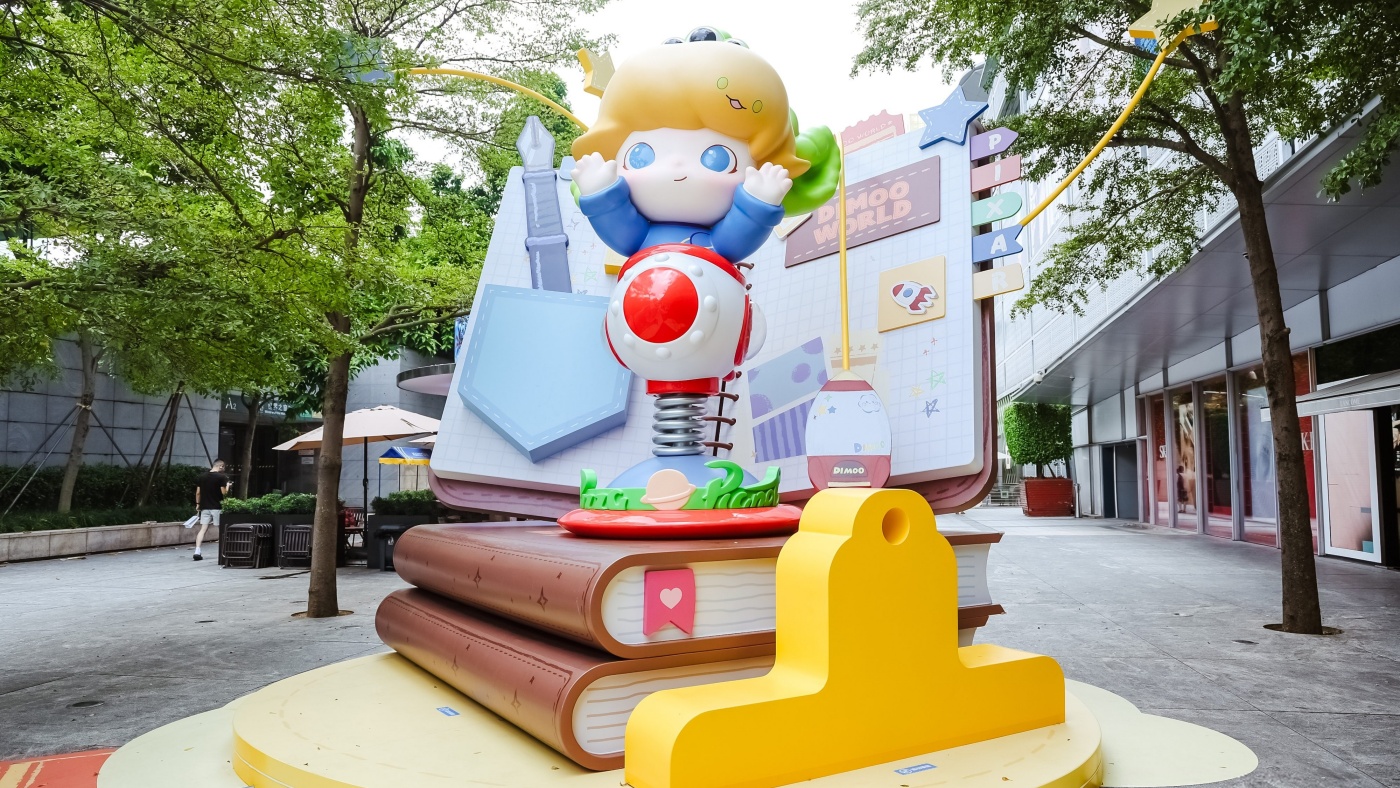
For commercial installations intended for reuse, handover documentation should also cover dismantling, storage, and reinstallation. Depending on the project’s complexity, the delivery package should include final assembly drawings, a module-number list, material and surface-finish information, relevant electrical documentation, maintenance recommendations, and site completion records.
If the installation will be relocated, a condition report can be prepared before dismantling to identify vulnerable areas, packaging needs, and maintenance tasks. These records reduce the effort required to identify components during future deployments and help clients plan maintenance budgets, replacement parts, and transport for subsequent festive events.
For overseas procurement teams, complete delivery records are also an important way to assess a manufacturer’s project management capabilities. They show not only whether the product was completed on schedule, but also whether the supplier can coordinate design, production, transportation, and on-site execution through a systematic, traceable process.
For overseas commercial projects, choosing a manufacturer involves more than comparing individual product quotations. Clients also need to assess whether the manufacturer can interpret drawings, resolve fabrication challenges, control quality, and coordinate on-site installation.
Ixmore Art operates a Design and Engineering Center in Shenzhen and a Custom Manufacturing Base in Huizhou. Our services cover art installations, commercial displays, festive themed projects, and event props. Our manufacturing capabilities include 3D modeling, metal fabrication, fiberglass fabrication, woodworking, surface finishing, and assembly.
For projects such as “Enjoy The Holiday,” an integrated execution system helps coordinate design development, factory production, quality inspections, packaging and shipping, and on-site installation. During detailed design, the team considers how components will be fabricated and dismantled. Production follows the approved documentation to control dimensions and surface finishes. Packaging solutions are developed around each component’s shape, while the installation team uses part numbers, assembly drawings, and delivery records to complete assembly. These are not isolated tasks; together, they form a coordinated delivery chain that shapes the final result.
Overseas projects often bring together clients, designers, commercial property teams, freight forwarders, and local installation crews from different countries and regions. Because these parties are geographically dispersed, clear documentation, transparent production schedules, and timely responses to technical questions are essential to efficient collaboration.
A professional manufacturer serving overseas projects should establish clear communication procedures covering drawing approvals, material and color confirmation, key production updates, pre-assembly records, packing lists, and the handover of installation documents. When clients cannot attend the factory in person, periodic photos, videos, and technical updates can help them track progress and confirm important details before shipment.

Ixmore Art uses its manufacturing and project-coordination capabilities to support overseas clients from concept development through physical delivery. The scope of on-site services, shipping responsibilities, and installation staffing for each project is determined by the contract and conditions at the destination.
For design studios, event agencies, and commercial property operators, waiting until a design is fully finalized before consulting a manufacturer can mean missing valuable opportunities to optimize materials, structural solutions, component breakdown, and logistics. Bringing in a factory with engineering development capabilities at an early stage makes it possible to evaluate manufacturing complexity, material suitability, shipping dimensions, and on-site installation feasibility together.
This collaborative approach helps identify potential problems early without compromising the core creative direction, while allowing the implementation plan to be adjusted to the budget and delivery schedule. Early engineering review is particularly important for commercial projects with fixed opening dates or event deadlines. It helps ensure that design decisions account for manufacturing, logistics, and installation requirements instead of leaving site issues to be resolved after production is complete.
The “Enjoy The Holiday” holiday party art installation illustrates a central principle of commercial-space projects: artistic expression must be supported by sound engineering and practical execution. A successful installation requires more than an eye-catching design. It depends on a disciplined process that includes requirements analysis, design development, structural planning, material selection, factory fabrication, surface finishing, quality inspection, export packaging, international shipping, and on-site installation.
For overseas clients, the key consideration is not simply how an installation looks in a rendering or in final site photographs. It is whether the manufacturer can identify risks early, plan production logically, maintain accurate connections between modules, and provide clear documentation for cross-border transport and on-site assembly. As a Chinese manufacturer specializing in custom art installations and props for commercial spaces, Ixmore Art works to turn design concepts into physical installations that can be manufactured, transported, and installed through coordinated engineering and production.
Whether the project involves holiday-themed installations, shopping mall art installations, commercial display props, brand events, or public art, custom fabrication for commercial spaces works best when design quality, manufacturing precision, transit protection, and on-site delivery are managed as one integrated process. If you are planning a shopping mall holiday installation, a themed festive environment, or a large-scale commercial display, visit the Ixmore Art website to explore our project portfolio and custom fabrication capabilities. Our team can then discuss an implementation plan tailored to your design proposal, site conditions, budget, and delivery schedule.
The process typically includes confirming project requirements, developing the design, selecting materials, planning the structure, fabricating the components, applying surface finishes, conducting quality inspections, pre-assembling the installation, preparing export packaging, arranging international shipping, installing the work on site, and completing final acceptance. The exact workflow depends on the installation’s dimensions, structural complexity, functional requirements, and destination conditions.
Material selection should account for design complexity, overall dimensions, load-bearing requirements, indoor or outdoor conditions, intended service life, budget, and transportation constraints. FRP may be suitable for complex shapes and durable outer shells after the project requirements have been assessed. Foam carving can work well for certain lightweight decorative forms, while metal frames can provide support and load-bearing capacity where required. Different materials can also be combined within one installation.
Pre-assembly allows the factory to check key module dimensions, connection points, component relationships, and the planned assembly sequence before shipping. This helps identify problems during production and reduces the risk of rework at the overseas site. When an installation is too large to assemble in full, critical joints and connections can be checked separately.
Packaging should be designed around each component’s shape, weight, and surface characteristics. Suitable cushioning and support points help protect protruding or delicate features. Module numbering, packing lists, and photographs of packed items improve traceability. Loading and unloading methods and the transport route should also be planned in advance.
Whether factory personnel travel to the destination to carry out installation depends on the project contract, destination, construction complexity, and local regulations. For some projects, the factory can provide assembly drawings, installation instructions, and remote technical support. Projects involving complex structures, lifting operations, or specialist electrical systems should be handled by personnel with the appropriate qualifications and capabilities.
Key considerations include wind loads, ground anchoring, waterproofing, sun exposure, temperature changes, material weather resistance, and public-space safety requirements. The technical solution should reflect the local environment and the installation’s expected service life. Structural calculations, material testing, and professional reviews should be arranged where necessary.
Ixmore Art specializes in the custom design and fabrication of art installations for commercial spaces, shopping mall displays, holiday-themed installations, public art, and event props. We support international clients with integrated project services covering design development, material processing, factory production, surface finishing, packaging, shipping, and on-site installation support.
We recommend preparing design renderings, reference images, preliminary dimensions, the installation location, indoor or outdoor conditions, intended service life, material and surface-finish requirements, quantity, budget range, and target delivery date. For projects involving large structures, lighting, or interactive features, relevant technical specifications should also be provided. The more complete the information, the more accurately the factory can assess fabrication complexity, packaging requirements, and delivery lead times.
July 27, 2026
July 27, 2026
July 27, 2026
July 27, 2026
July 27, 2026
July 27, 2026
July 27, 2026

July 26, 2026

July 26, 2026
July 26, 2026
July 26, 2026
July 26, 2026
July 26, 2026
July 26, 2026
July 26, 2026

July 26, 2026

July 26, 2026
July 25, 2026

July 25, 2026

July 25, 2026