September 13, 2026 Ixmore Art
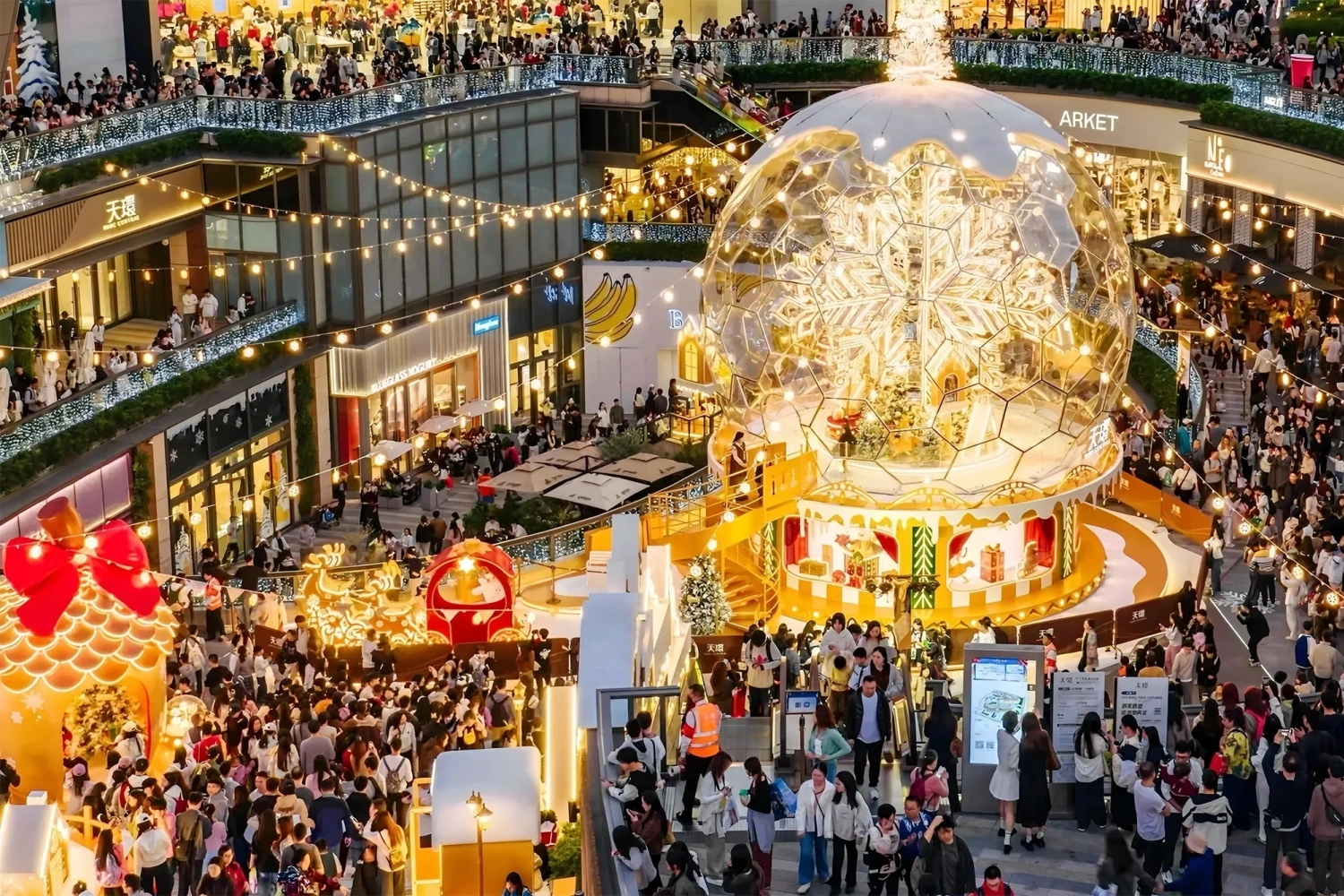
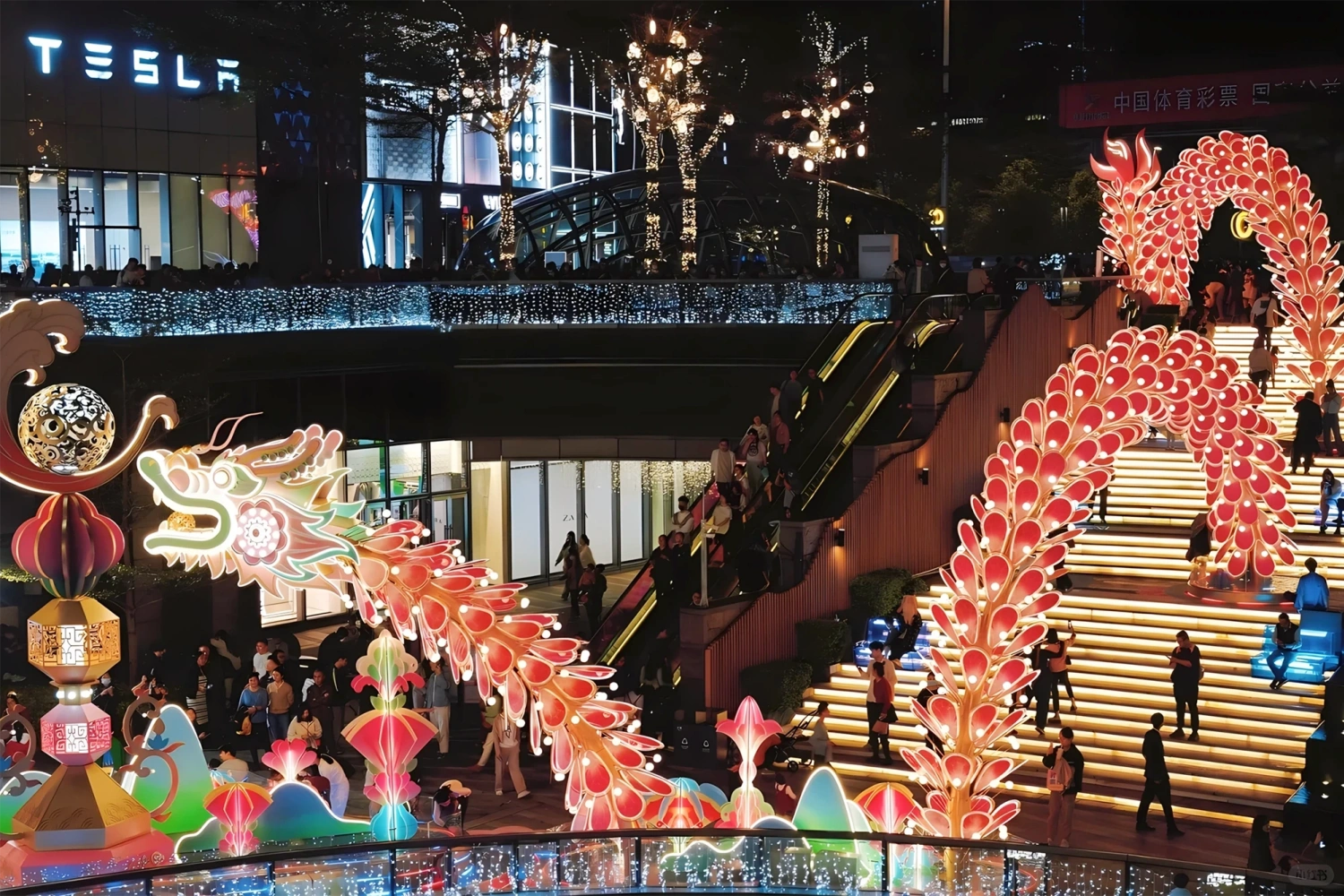
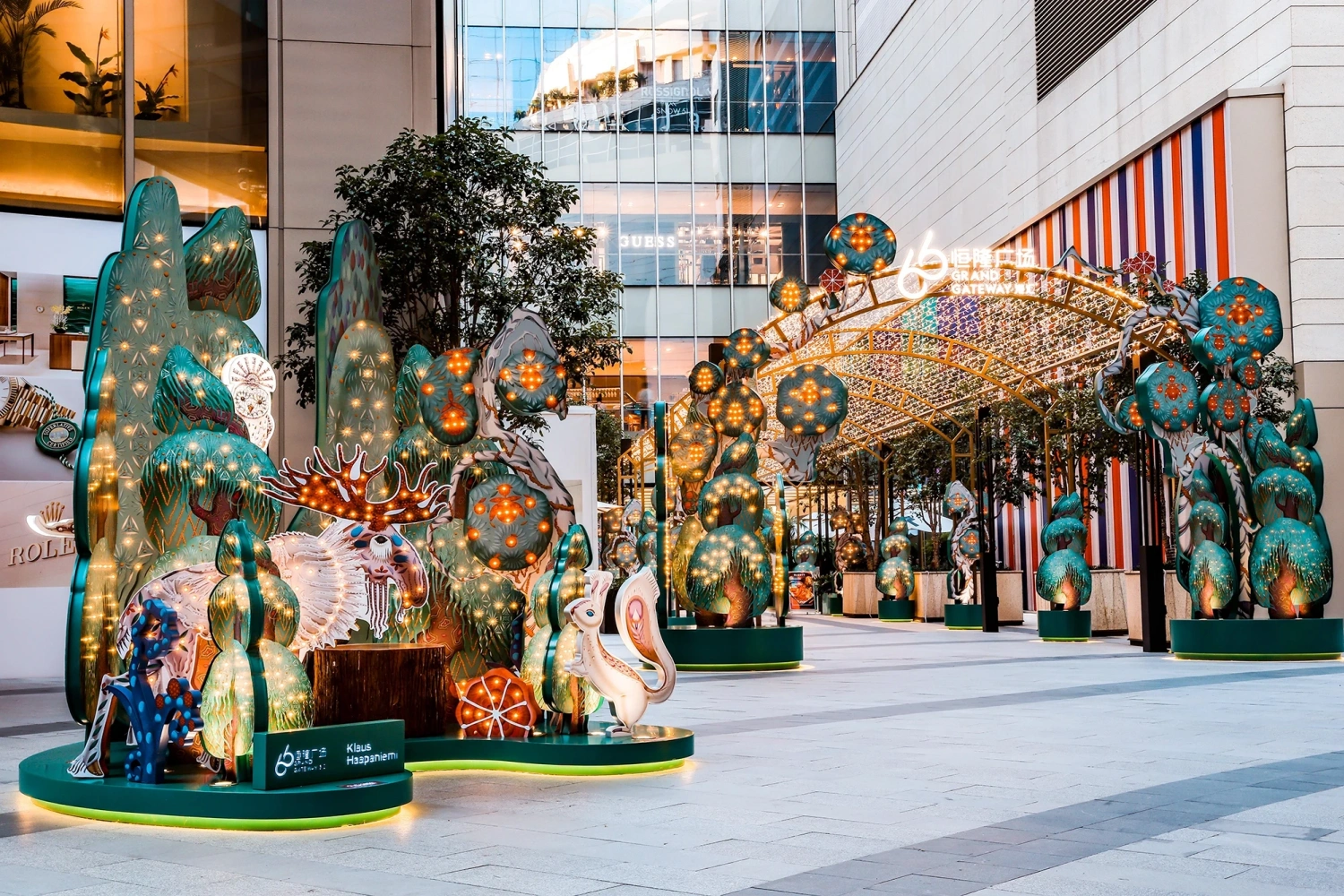
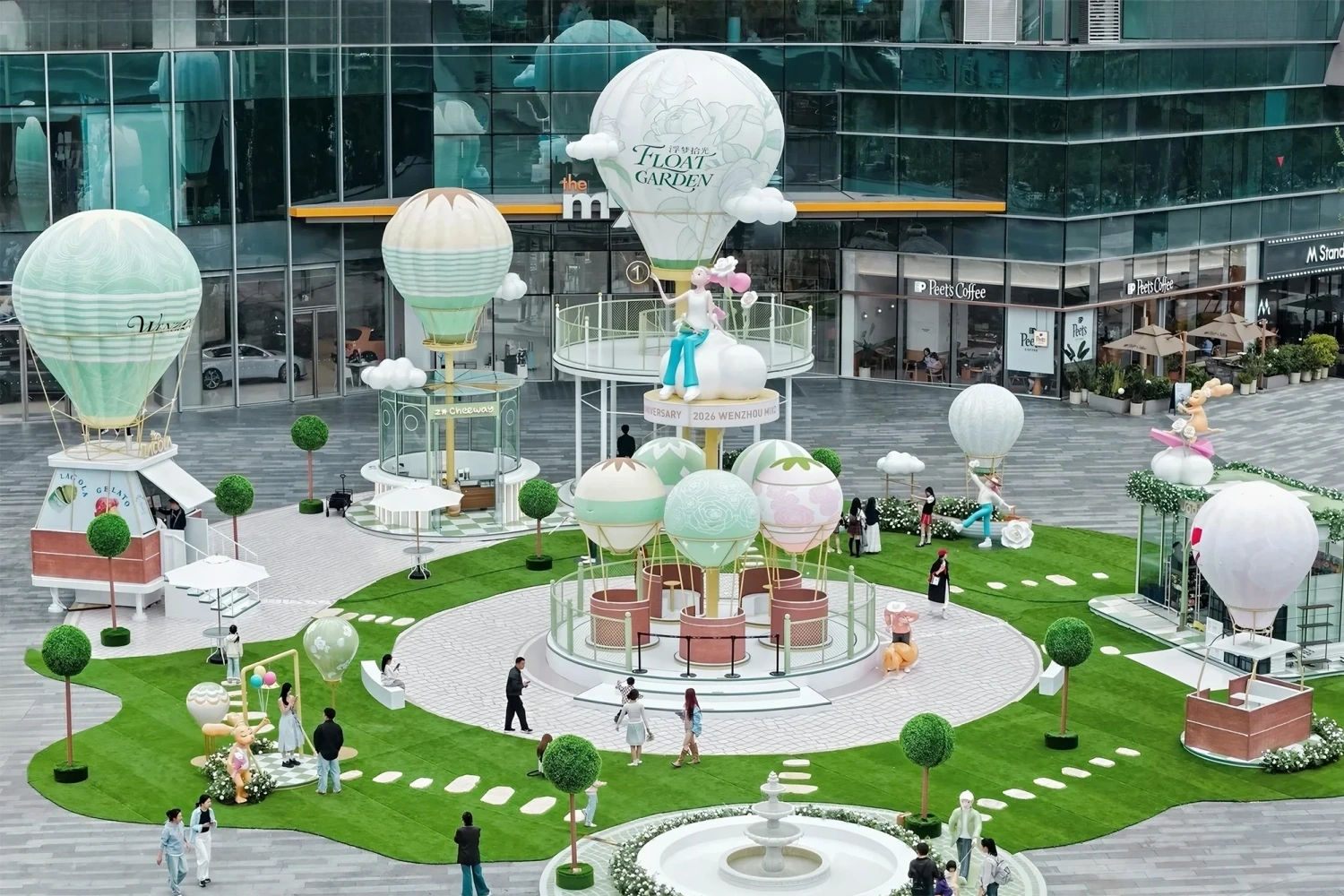
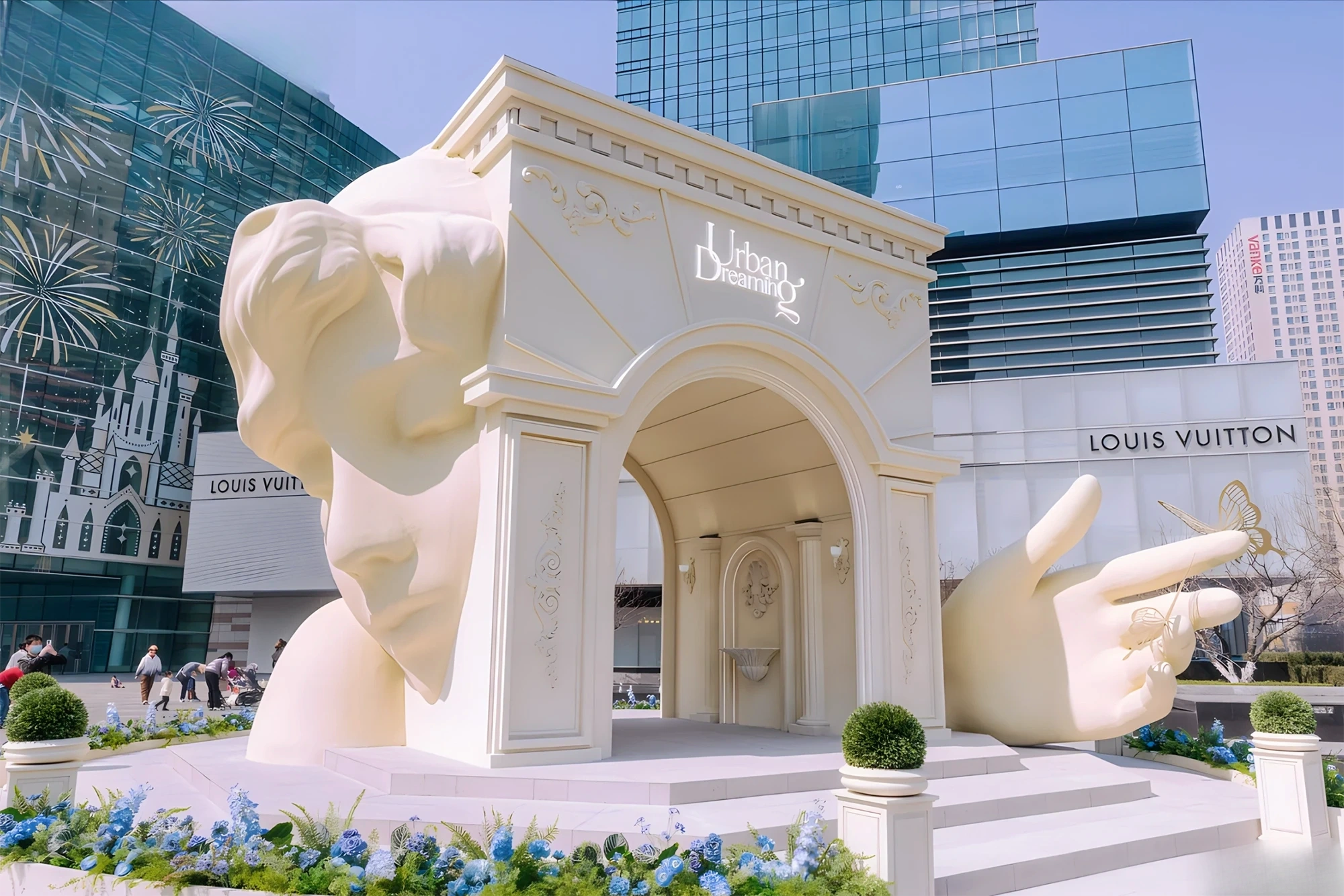
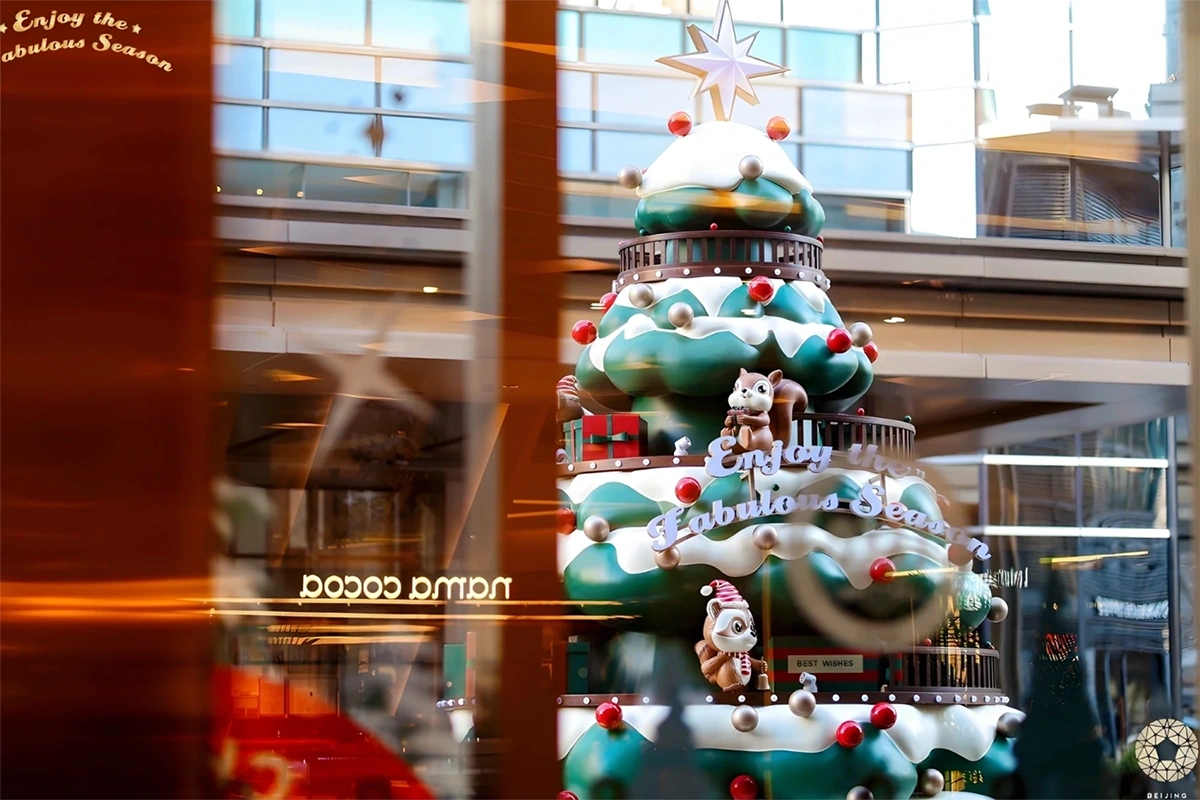
In commercial space design and execution, one of the most common questions clients have when sourcing custom commercial props is why seemingly similar requirements can produce quotes that differ by several times—or even more than tenfold—from one supplier to another. From large-scale installations in mall atriums and display props for brand pop-ups to holiday-themed environments and public art pieces, the final cost reflects significant differences in material specifications, craftsmanship, and labor requirements. Drawing on more than ten years of experience as a commercial prop customization factory, we break down the major cost drivers behind large commercial props from the production side, helping brands, design firms, and commercial real estate operators understand what they are actually paying for and make better-informed, more cost-effective decisions.
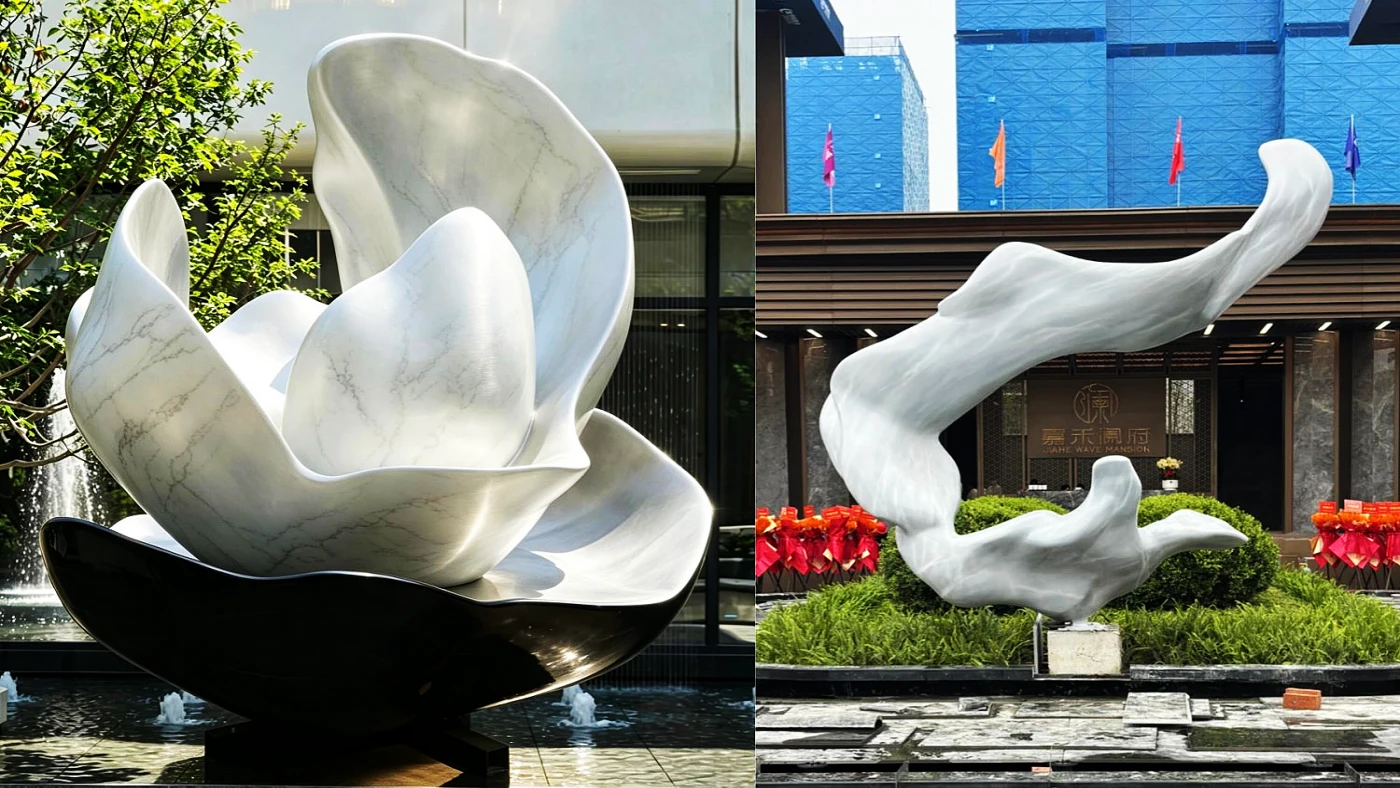
Materials typically account for 30%–50% of the total cost of custom commercial props, making them one of the most visible drivers of price differences. Many clients focus primarily on the visual rendering and overlook the material specification sheet—such as material type, grade, thickness, environmental classification, and country of origin. Yet these specifications are precisely where cost differences begin.
Common core materials for custom commercial props include metal profiles (stainless steel, aluminum alloy, and galvanized sheet), wood products (plywood, MDF, and solid wood), polymers (acrylic, PVC, and fiberglass), and composite materials. For a structural frame of the same volume, for example, 304 stainless steel can cost 3–4 times as much as standard galvanized steel, while imported high-transparency acrylic can cost more than twice as much as domestically produced acrylic. Specialty materials such as carbon fiber and forged copper command an even higher premium. Large custom props often require oversized dimensions, higher load-bearing capacity, and long-term outdoor durability, all of which can require thicker or higher-grade materials. This is why two installations of similar size can have dramatically different prices depending on whether they are designed for indoor or outdoor use.
Custom prop manufacturers often need to source materials that comply with the regulations and standards of the target market. For example, the EU may require REACH and RoHS compliance, while the U.S. may require CARB Phase 2-compliant panels and flame-retardancy testing. Materials that meet applicable environmental and safety standards can cost 20%–50% more than standard construction materials. Surface specifications also affect cost: outdoor-grade weather-resistant fluorocarbon coatings can cost more than twice as much as standard indoor powder coating, while B1 fire-retardant fabrics are typically more expensive than conventional decorative fabrics.
Because commercial props are typically made to order, material yield varies significantly with the geometry and scale of the design. Standard rectangular structures may have a waste rate of around 5%–10%, while curved, irregular, or hollow designs can reach 30% or more. Professional custom prop manufacturers reduce waste through material optimization and the reuse of offcuts, while smaller workshops may use less efficient cutting methods, with the resulting material loss ultimately reflected in the quoted price. Large props also require structural reinforcement materials, such as internal steel frames, stiffeners, and embedded components. These concealed elements are critical to the installation’s safety and durability and are often among the first areas to be compromised in low-cost bids.
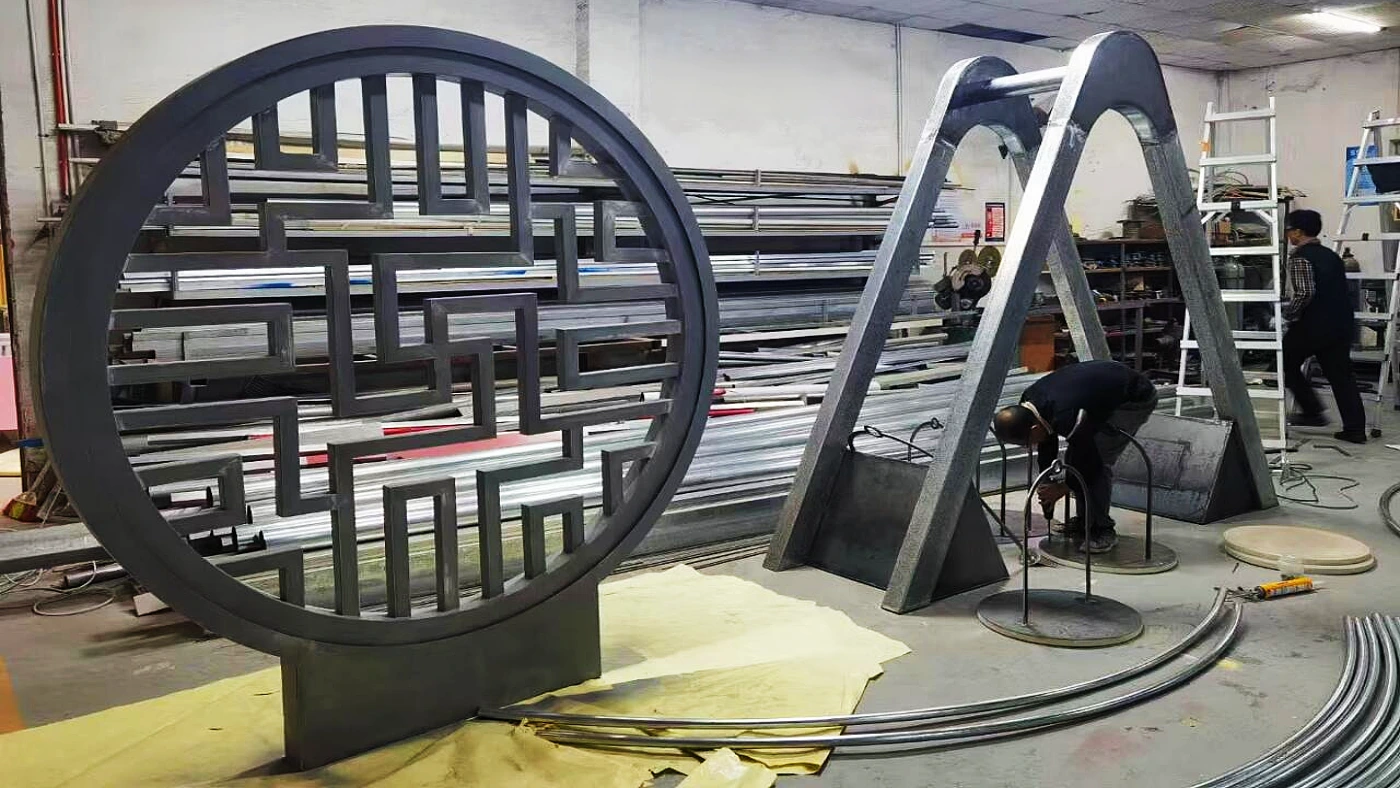
If materials provide the skeleton, production processes provide the structure’s performance and finish. The same design can result in dramatically different levels of quality, durability, and visual refinement depending on how it is manufactured. This is a major reason why custom commercial prop quotes can vary so widely.
Basic custom commercial props may involve little more than cutting, assembly, and straightforward welding, all of which have relatively low technical requirements. Mid- to high-end projects, however, can involve multiple specialized processes. Metal fabrication may include laser cutting, full argon arc welding, and hand polishing; woodworking may involve mortise-and-tenon joinery, curved-surface heat pressing, and solid-wood carving; polymer fabrication may include 3D-printed sculpture, fiberglass molding, and thermoforming. Large props with complex curved surfaces, for example, may require 3D modeling, CNC mold machining, and molding. Mold fabrication alone can account for 20%–30% of the total project cost. To lower prices, budget suppliers may simplify the structure or assemble multiple sections instead of using a one-piece mold, which can compromise surface smoothness, dimensional consistency, and structural strength.
Surface finishing plays a major role in both the visual impact and perceived quality of a prop, yet it is also one of the less obvious sources of cost variation. For metal surfaces, finishing options range from basic spray painting and powder coating to electroplating, electrophoresis, mirror polishing, and brushed anti-fingerprint treatments, with each additional level of refinement increasing labor and material costs. Industry data indicates that high-quality stainless-steel mirror polishing can cost 5–8 times more in labor and materials than basic spray painting. Specialty effects such as multicolor gradients, faux-stone finishes, wood-grain transfer, and aged textures require multiple processing steps performed by skilled technicians, and relatively low yields can further increase costs. Professional custom prop manufacturers typically use color samples and approval procedures to lock in the finish, while budget suppliers may simplify the process, leading to visible differences between the finished product and the original rendering.
Modern custom commercial props go beyond static displays, with more projects incorporating lighting, dynamic mechanics, interactive devices, and projection integration. A complete dynamic lift system, rotating mechanism, or interactive sensor system involves motors, sensors, control systems, programming, and debugging, with high technical barriers and R&D costs. Large custom props with illuminated letters, lighting matrices, or mechanical interactive devices require professional mechatronics engineers for design and on-site commissioning. Low-priced suppliers might use poor-quality light sources or simple control systems, which may seem similar in the short term but pose serious issues in brightness uniformity, lifespan, safety, and stability.
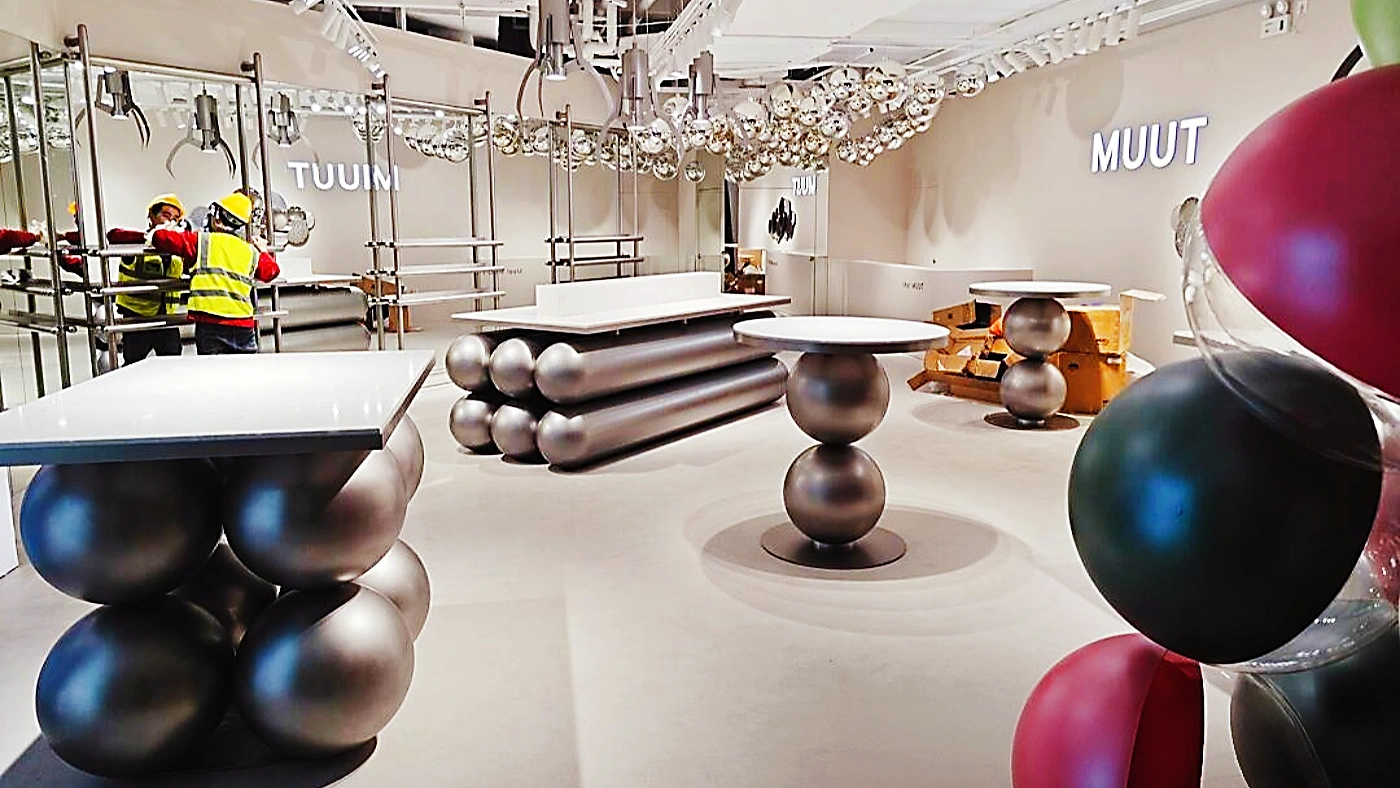
Labor is one of the most frequently underestimated costs in commercial prop customization and one of the clearest distinctions between an established manufacturer and a small workshop. A complete project can involve detailed design, structural verification, fabrication, quality inspection, logistics, and on-site installation. The expertise of the people responsible for each stage has a direct impact on the project’s quality, schedule, and overall execution.
A properly equipped commercial prop manufacturer should have a multidisciplinary team: structural engineers responsible for mechanical verification and safety assessments, technical designers who translate creative concepts into production-ready drawings, experienced technicians who manage critical fabrication processes, and quality inspectors who oversee production. For large commercial prop projects, structural verification may require engineers to assess load capacity, wind loads, and expected foot traffic at the installation site to ensure compliance with applicable safety requirements. Many low-cost suppliers do not maintain dedicated engineering teams and instead have shop-floor workers fabricate directly from concept drawings, bypassing structural verification and detailed engineering. This can lead to dimensional discrepancies as well as potential safety risks.
The production schedule has a direct impact on labor costs. Standard projects can be completed within a planned production cycle, keeping labor requirements predictable. Rush orders, by contrast, may require production to be rescheduled and overtime to be added, increasing labor costs by 30%–100%. Labor productivity also decreases as a project becomes more intricate. A hand-polished art installation, for example, may take a skilled worker an entire day to complete only a small portion, resulting in labor costs several times higher than those of standardized, mass-produced products. Large commercial prop projects also bring together multiple trades—including metal fabrication, carpentry, painting, electrical work, and assembly—so project management and coordination requirements increase accordingly.
For the client, the total implementation cost includes more than factory fabrication. Packaging, transportation, and on-site installation can represent a significant portion of the project budget. Large props are typically shipped in sections by sea or air and then assembled at the destination by a qualified team. Professional manufacturers provide complete installation drawings, part-numbering systems, and, when necessary, technician support to ensure correct assembly. By contrast, low-cost quotes may cover fabrication only and exclude packaging, shipping, and installation, shifting these responsibilities to the client and potentially increasing the final project cost.
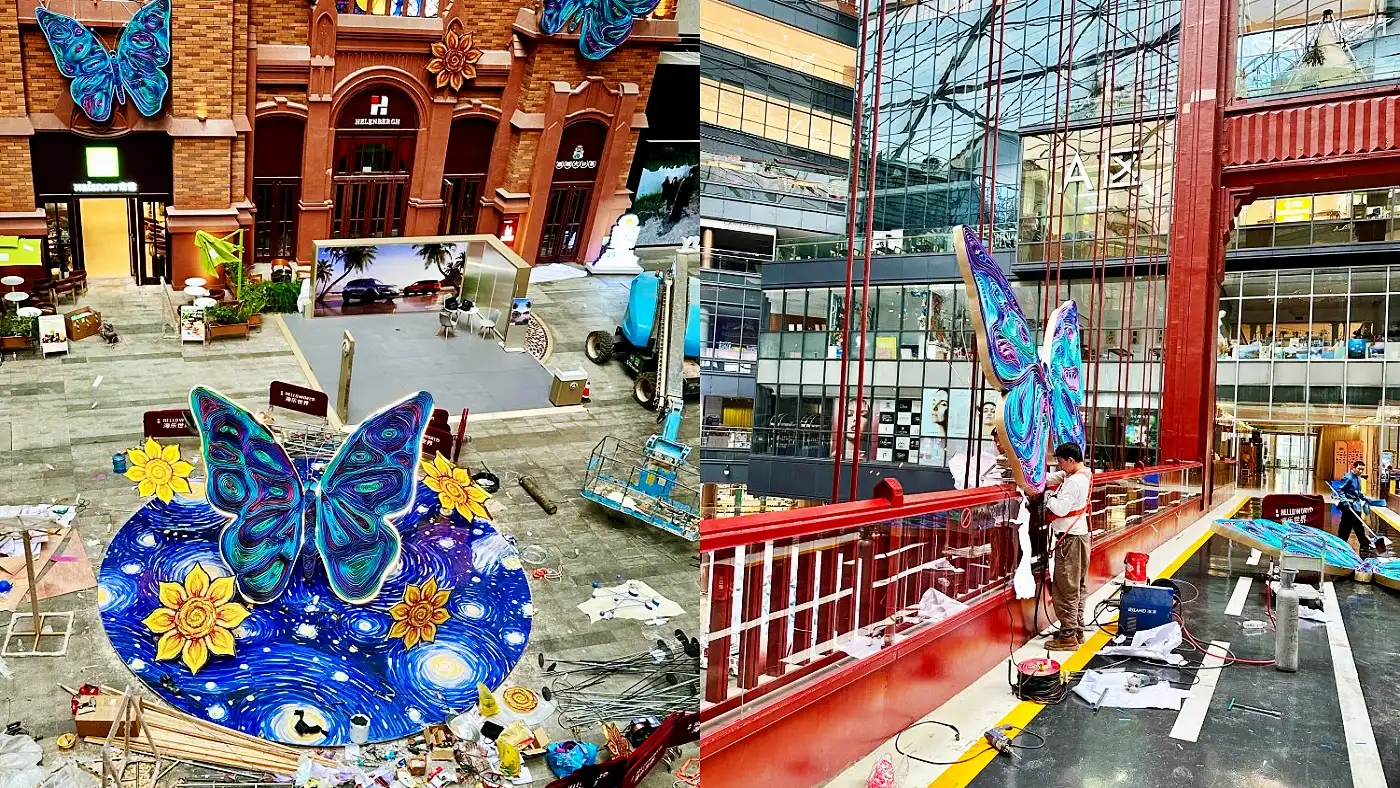
Beyond materials, craftsmanship, and labor, commercial prop quotes can include several less visible cost factors. Together, these elements have a direct bearing on the project’s execution, risk profile, and overall client experience.
Many clients assume that a quote covers fabrication alone. In practice, professional custom prop manufacturers may provide basic design development at no additional charge, while structural optimization, material substitutions, and safety-compliance engineering for complex projects require substantial technical input. For highly creative public art installations, manufacturers may also need to participate in feasibility studies and prototype testing at an early stage. The associated engineering and R&D effort is reflected in the final project price.
The custom prop production process in a formal factory includes multiple quality checks: material inspection upon delivery, in-process inspection, finished product inspection before leaving the factory, and pre-packaging verification. This ensures every product meets export standards. They also provide a certain period of after-sales warranty, responding promptly to any quality issues. Low-priced suppliers often skip quality checks and do not offer after-sales support, leaving clients to bear repair and replacement costs if problems arise.
Custom commercial props may need to comply with local building and structural safety requirements, fire-safety standards, electrical regulations, and applicable certification requirements. Professional manufacturers take these requirements into account and may also carry product liability and cargo insurance. Although compliance and insurance add to the project cost, they are essential safeguards for managing project risk.
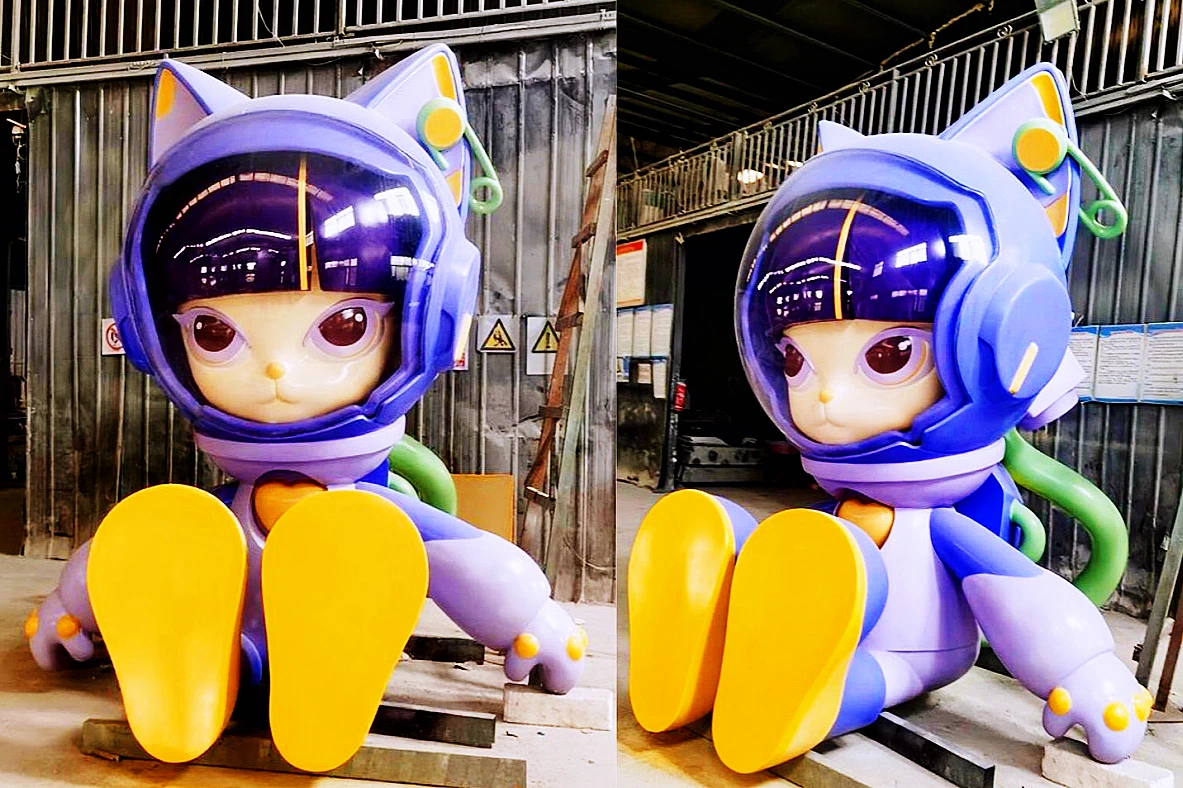
When faced with vastly different quotes, clients shouldn’t just compare total prices—they should assess cost-effectiveness from multiple dimensions.
First, request a detailed, itemized quotation that clearly specifies the core material grades, thicknesses, fabrication processes, and included services. Confirm whether design development, transportation, installation, warranty coverage, and other project requirements are included. Next, review the manufacturer’s portfolio and production capabilities, paying particular attention to completed projects comparable in type and scale. If feasible, arrange a factory visit. Most importantly, do not select a supplier based solely on the lowest bid. An unusually low quote may indicate downgraded materials, simplified processes, or reduced service scope, potentially leading to schedule delays, inconsistent results, or even safety issues.
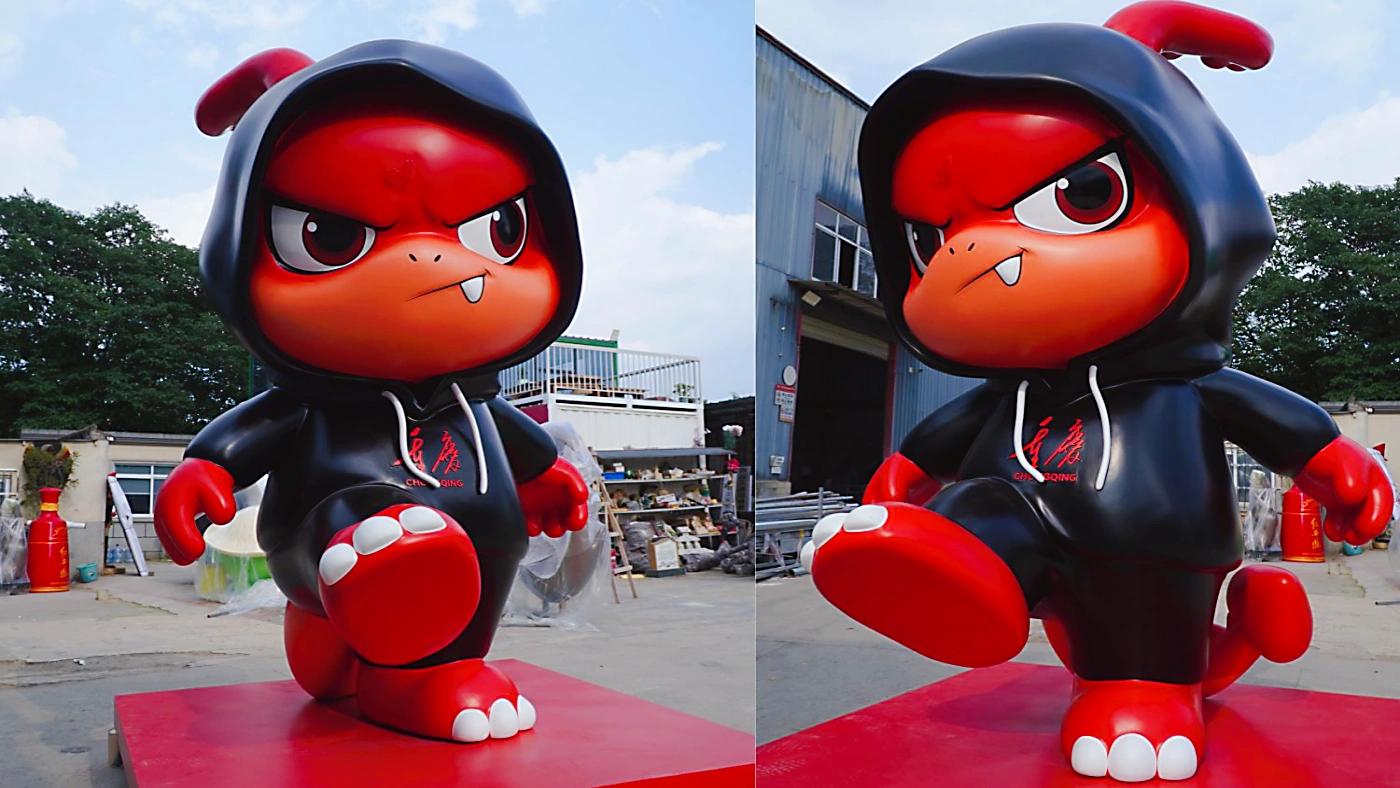
The price gap usually comes down to three factors. First, material specifications may differ, including material type, thickness, grade, and environmental or safety certifications. Second, fabrication standards may vary, including welding and grinding quality, surface-finishing requirements, and structural reinforcement methods. Third, the service scope may be different—some quotes include detailed design, transportation, installation, and after-sales warranty, while others cover fabrication only. In many cases, a lower price reflects lower-grade materials, simplified processes, or a narrower service scope.
Production lead time depends on the project’s size and complexity. Standard small- to medium-sized props typically take 2–4 weeks; large custom commercial props generally require 4–8 weeks; and projects involving complex structures, electromechanical systems, or custom mold fabrication may take 8–12 weeks.
Evaluate the manufacturer from four angles. First, review its portfolio to confirm experience with projects similar in type and scale. Second, assess the facility and production capabilities, including equipment and the depth of its technical team. Third, examine the service process and whether it provides detailed design, sample approval, itemized quotations, and quality inspection reports. Fourth, evaluate its market-service capabilities, including familiarity with relevant manufacturing processes and certification requirements.
The proper process is to confirm the design concept and technical requirements first, then prepare an accurate quotation. If a client has only a rough concept, a professional commercial prop manufacturer can provide a concept design and indicative budget range. However, a detailed quotation should be based on complete construction drawings and clearly defined material and process specifications. Because the cost represented by a rendering can differ substantially from the actual production requirements, a project budget should not be based on the rendering alone.
A professional commercial prop manufacturer should provide complete installation instructions, clearly numbered components, and video guidance so overseas clients can coordinate local installation teams. For more complex projects, technical personnel may also be dispatched on-site to provide installation support. After-sales terms typically include a 12-month warranty, under which non-user-caused quality issues may be covered through replacement parts or corrective solutions.
July 27, 2026
July 27, 2026
July 27, 2026
July 27, 2026
July 27, 2026
July 27, 2026
July 27, 2026
July 26, 2026
July 26, 2026
July 26, 2026
July 26, 2026
July 26, 2026
July 26, 2026
July 26, 2026
July 26, 2026

July 26, 2026

July 26, 2026
July 25, 2026
July 25, 2026

July 25, 2026