July 23, 2026 Ixmore Art
Singapore Commercial Real Estate 2026: The Rise of Art Installations as Traffic-Generating Assets
Entering 2026, Singapore’s commercial real estate sector is undergoing a fundamental repositioning—from “shopping center” to “experience hub.” As e-commerce matures and consumers increasingly visit physical retail spaces not merely to transact but to seek participatory, socially engaging, and immersive environments, art installations have evolved from conventional decorative elements into strategic assets that drive foot traffic, amplify brand interaction, and generate organic social amplification.According to data released by the Singapore Tourism Board (STB), international visitor arrivals reached 16.9 million in 2025, representing a year-on-year increase of 2.3%, with tourism spending continuing its upward trajectory—particularly across entertainment, experiential activities, and food-and-beverage segments.
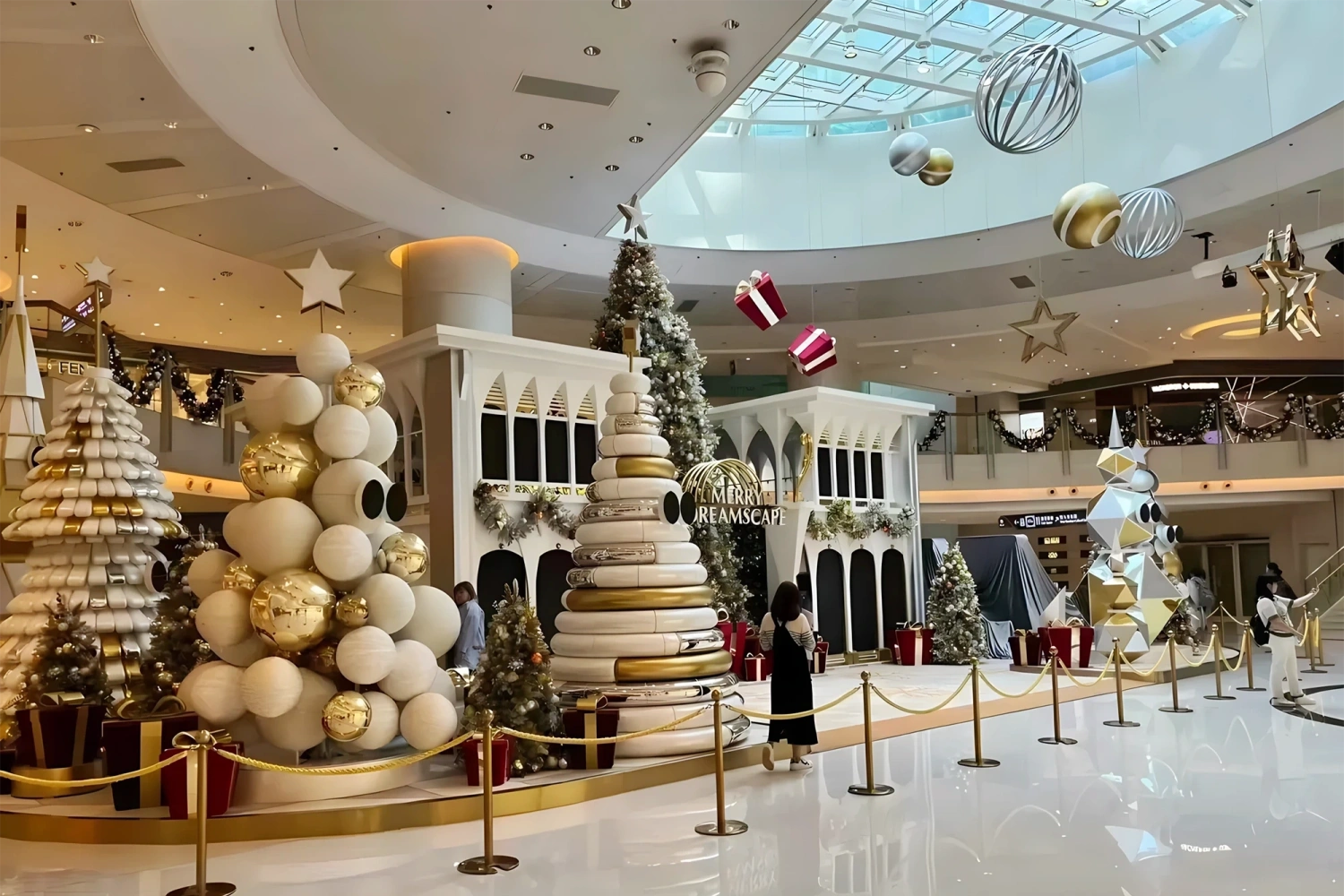
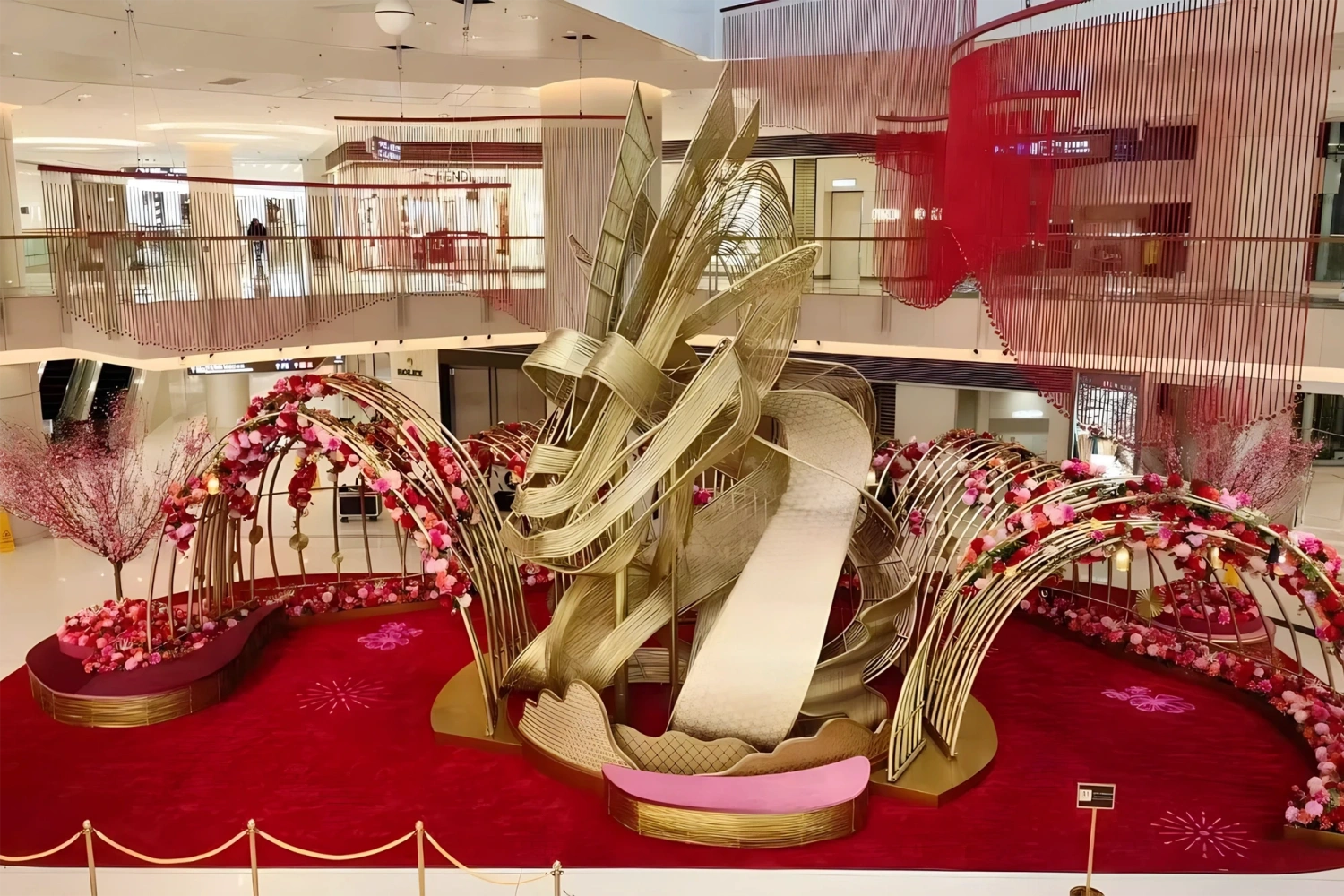
The convergence of sustained international tourism and robust local consumption has placed renewed emphasis on art installations as a differentiator in spatial appeal. Concurrently, global commercial real estate research indicates that the core competitive advantage of high-performing malls moving forward will be anchored in “experience” and “placemaking”—with art installations now firmly established as a cornerstone of that strategy.
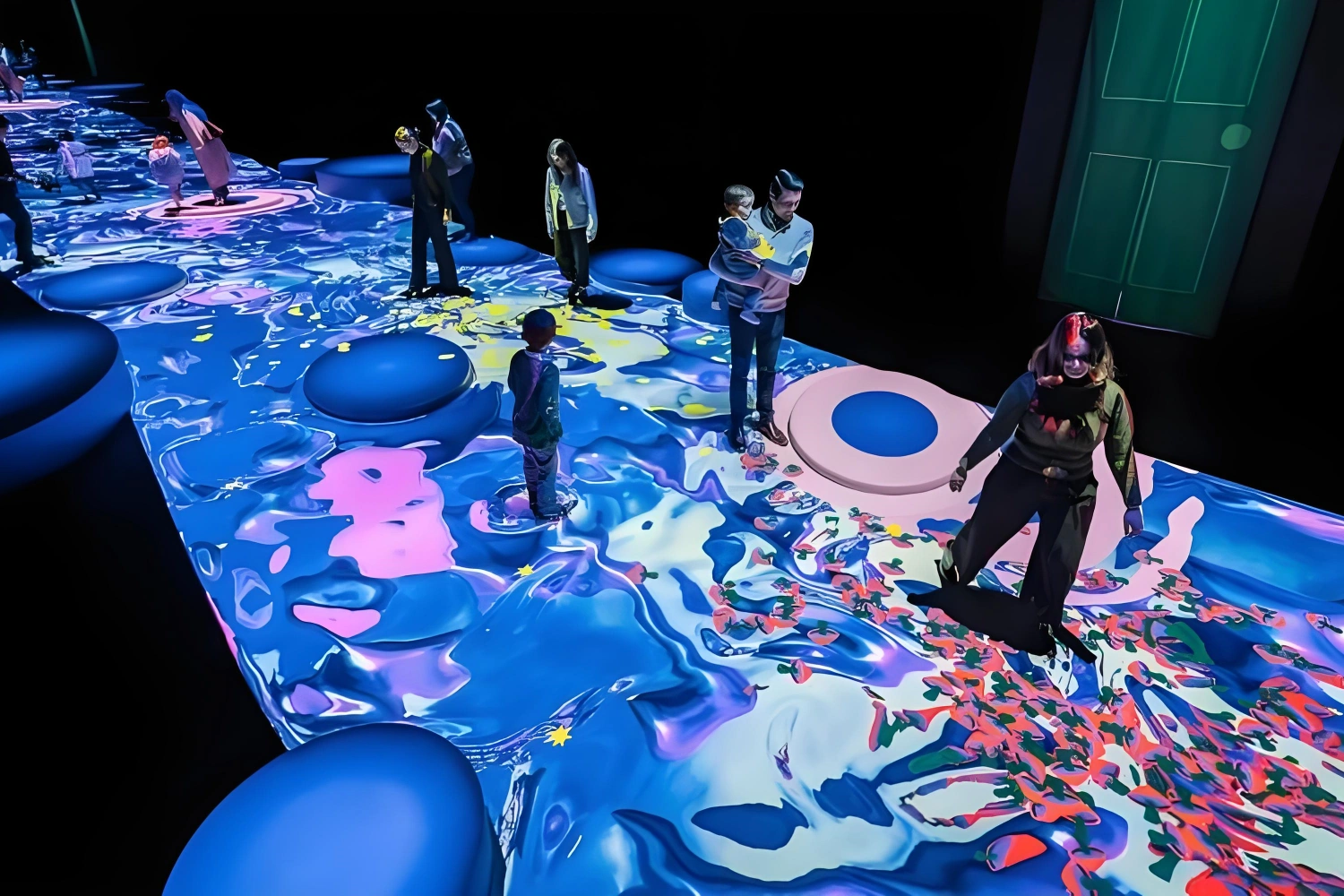
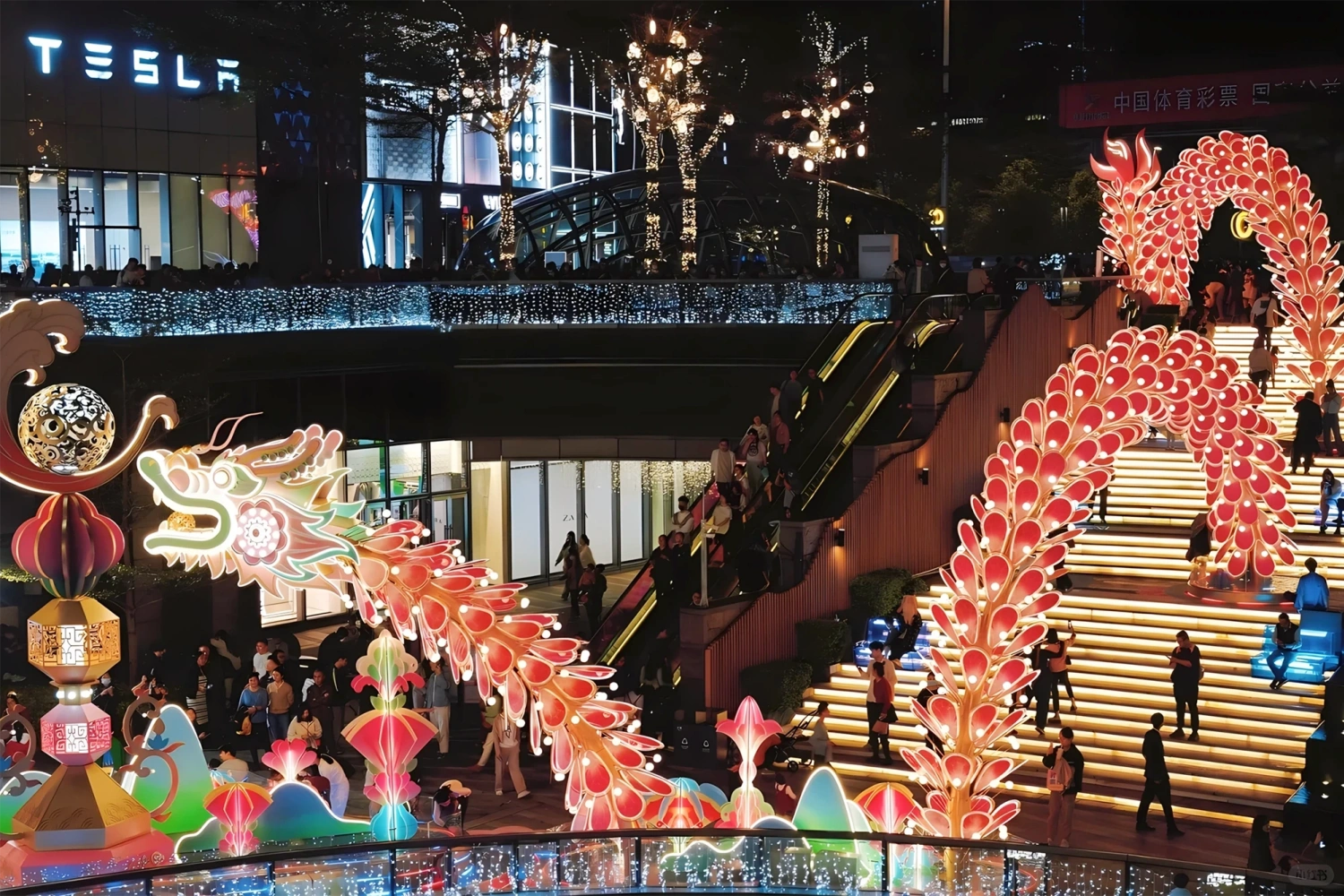
The most pronounced trend shaping Singapore’s mall art installation landscape in 2026 is the ascent of immersive digital experiences.Traditional static sculptures no longer satisfy consumer expectations for interactivity. Installations integrating LED display systems, real-time motion sensing, AI-driven interactivity, and digital projection mapping are now central to strategies aimed at extending visitor dwell time.
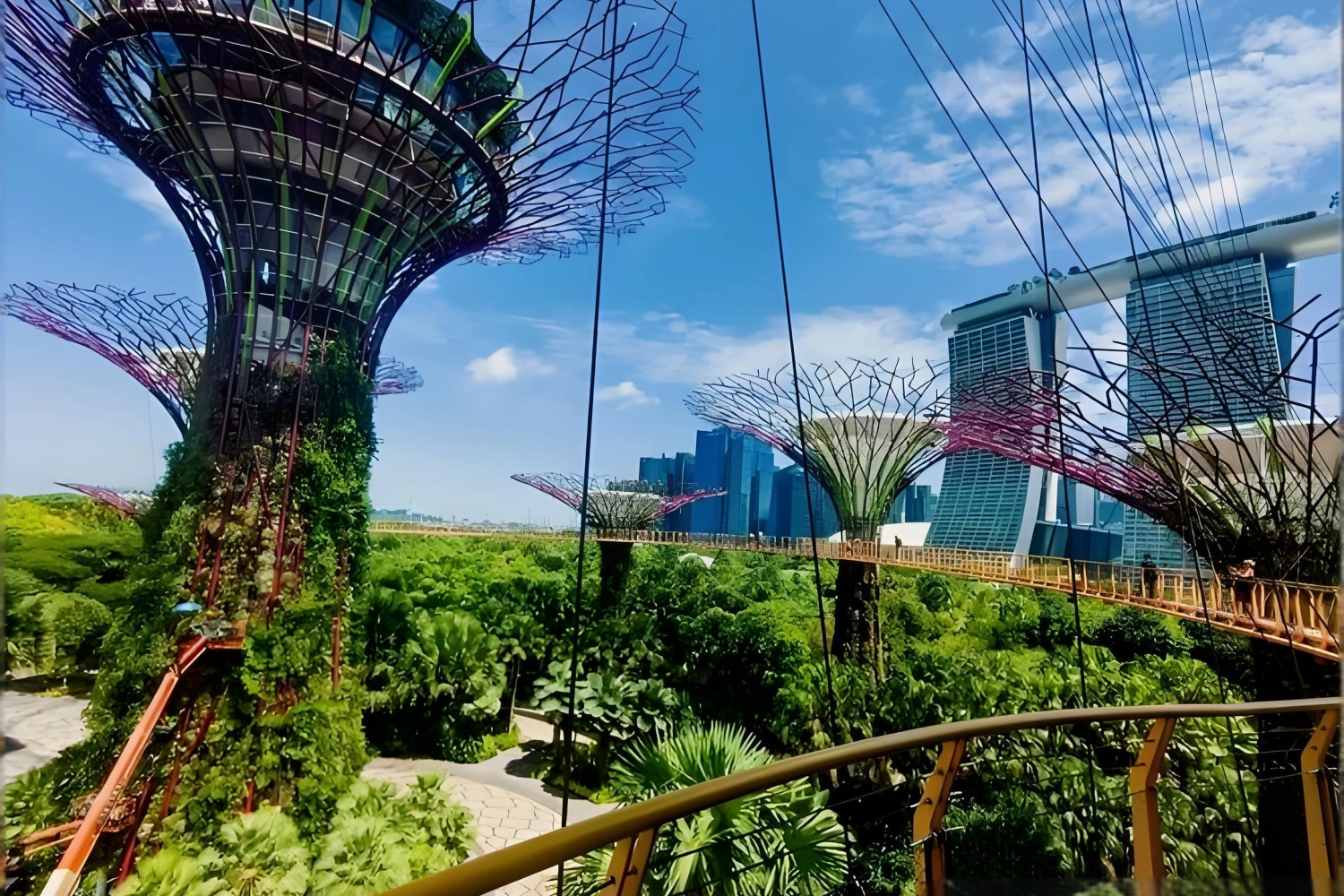
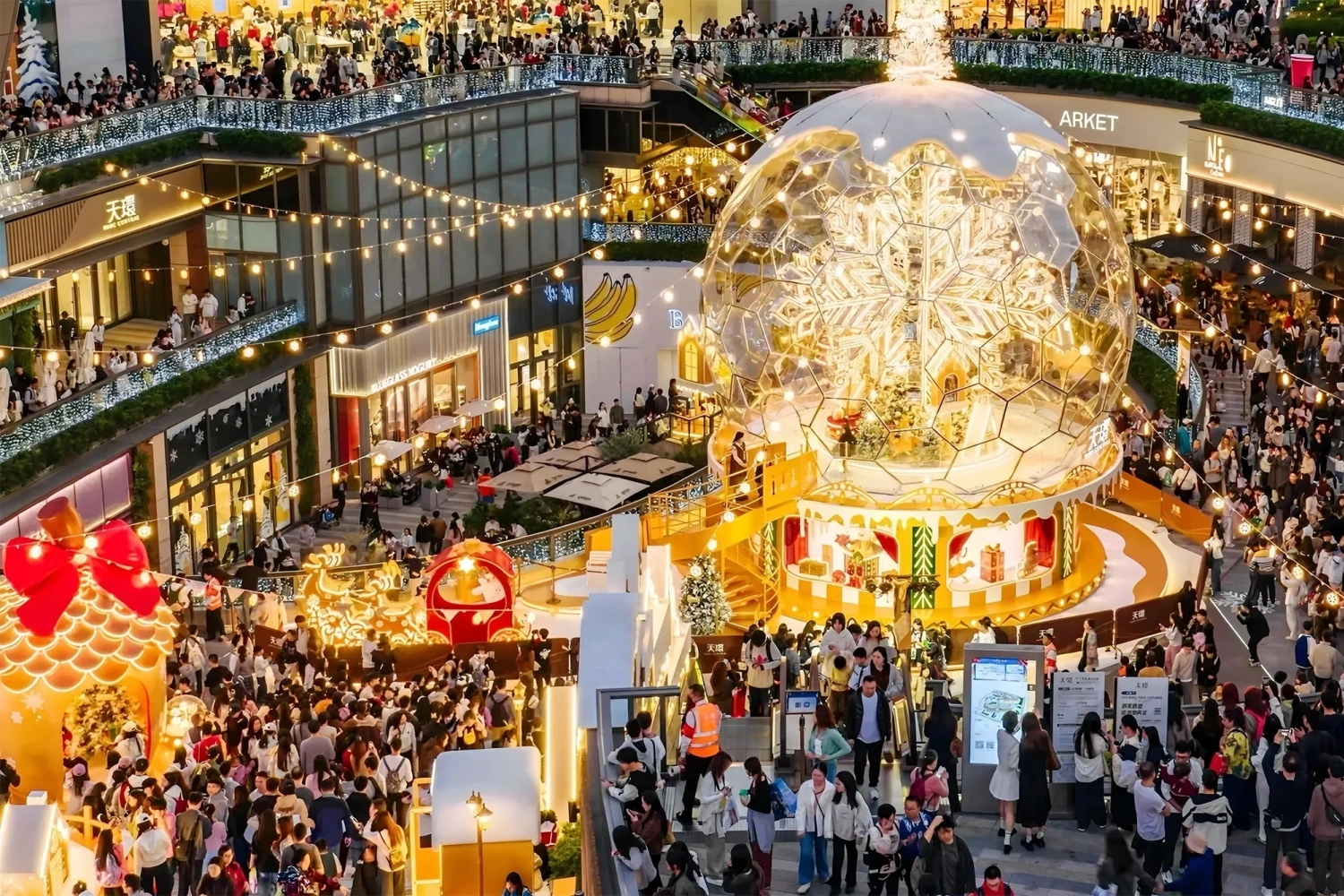
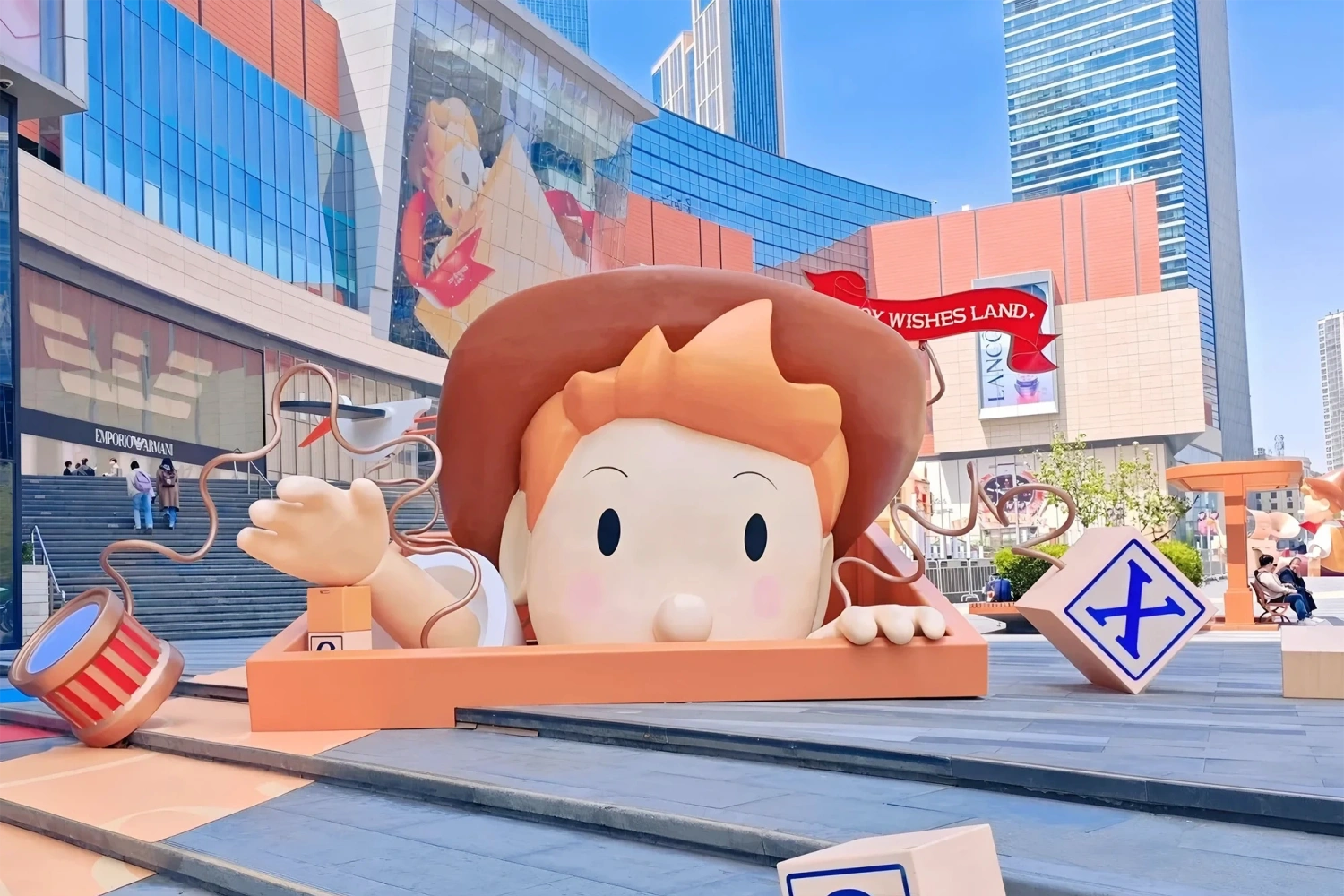
Consumers are no longer passive observers; they actively engage with the work, generate personalized content, and share their experiences across social media platforms—extending the installation’s reach well beyond the physical property.Singapore’s immersive art footprint continues to expand, with interactive digital exhibitions and technology-driven art experiences becoming integral components of major mixed-use developments. Multiple large-scale immersive projects launched throughout 2026—leveraging digital art, nature-inspired themes, and interactive technologies—have sustained repeat visitation and established long-term traffic momentum.This evolution signals a clear inflection point: mall art installations are no longer about “displaying art” but about “architecting experience.” The core value proposition now rests on active consumer participation.
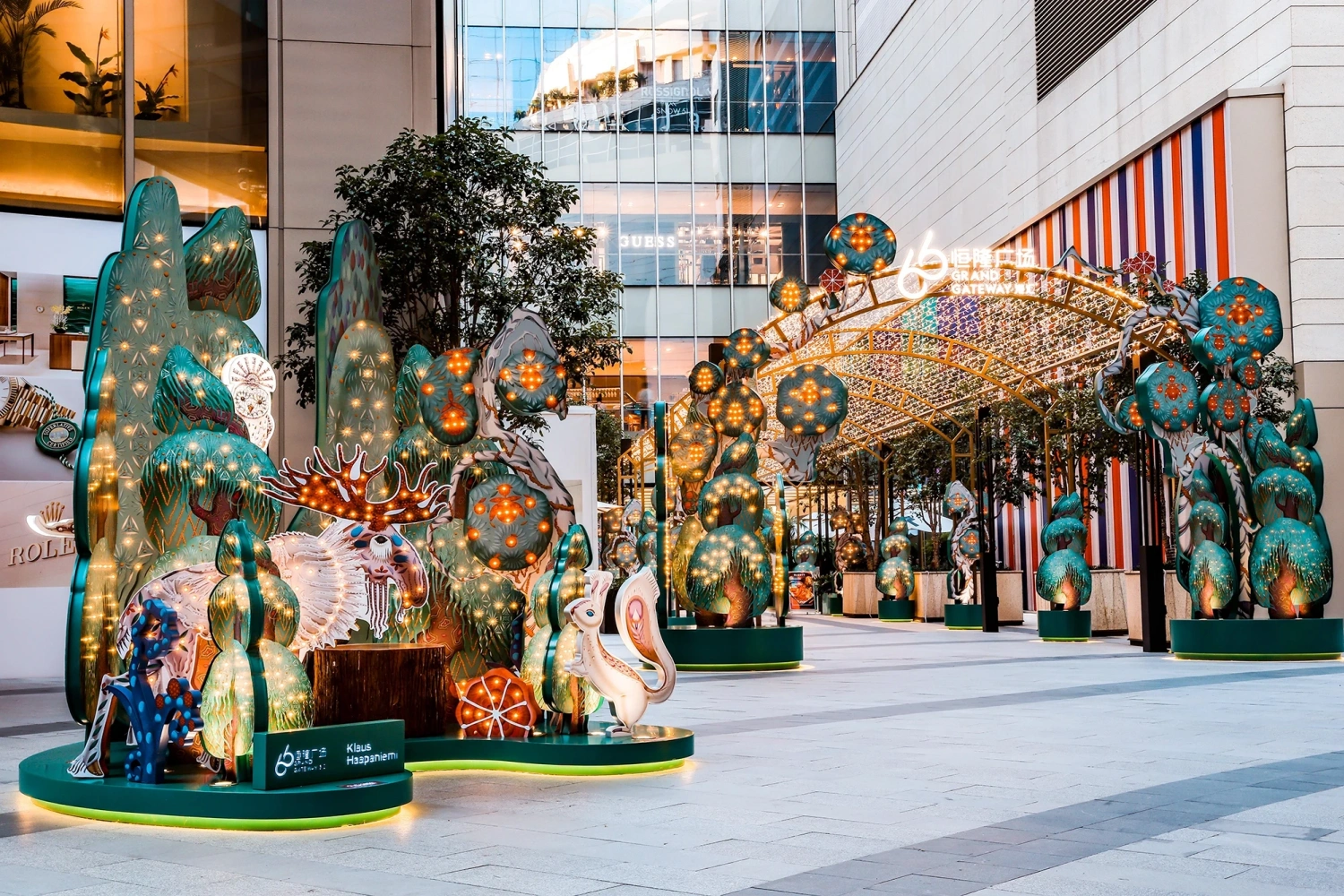
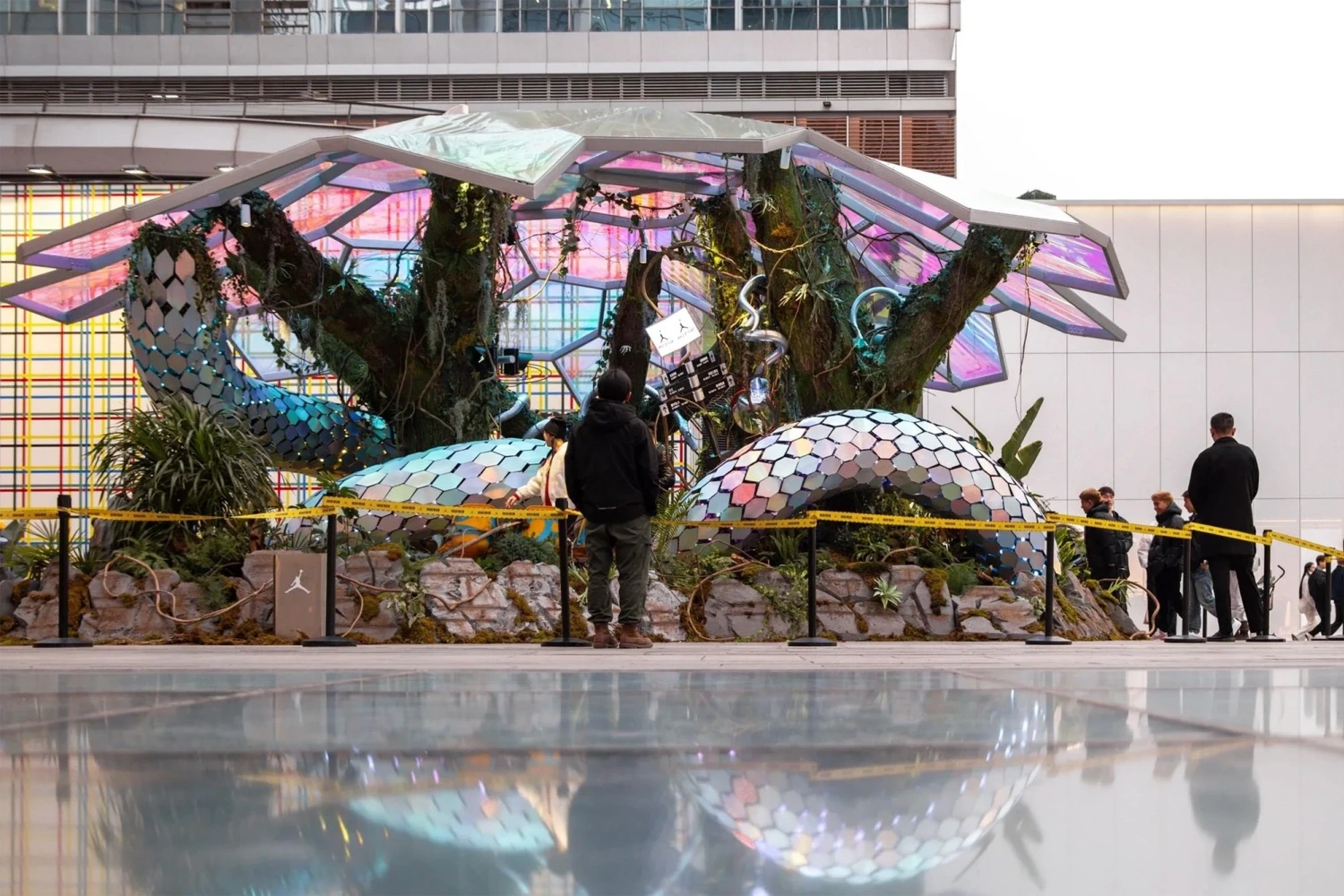
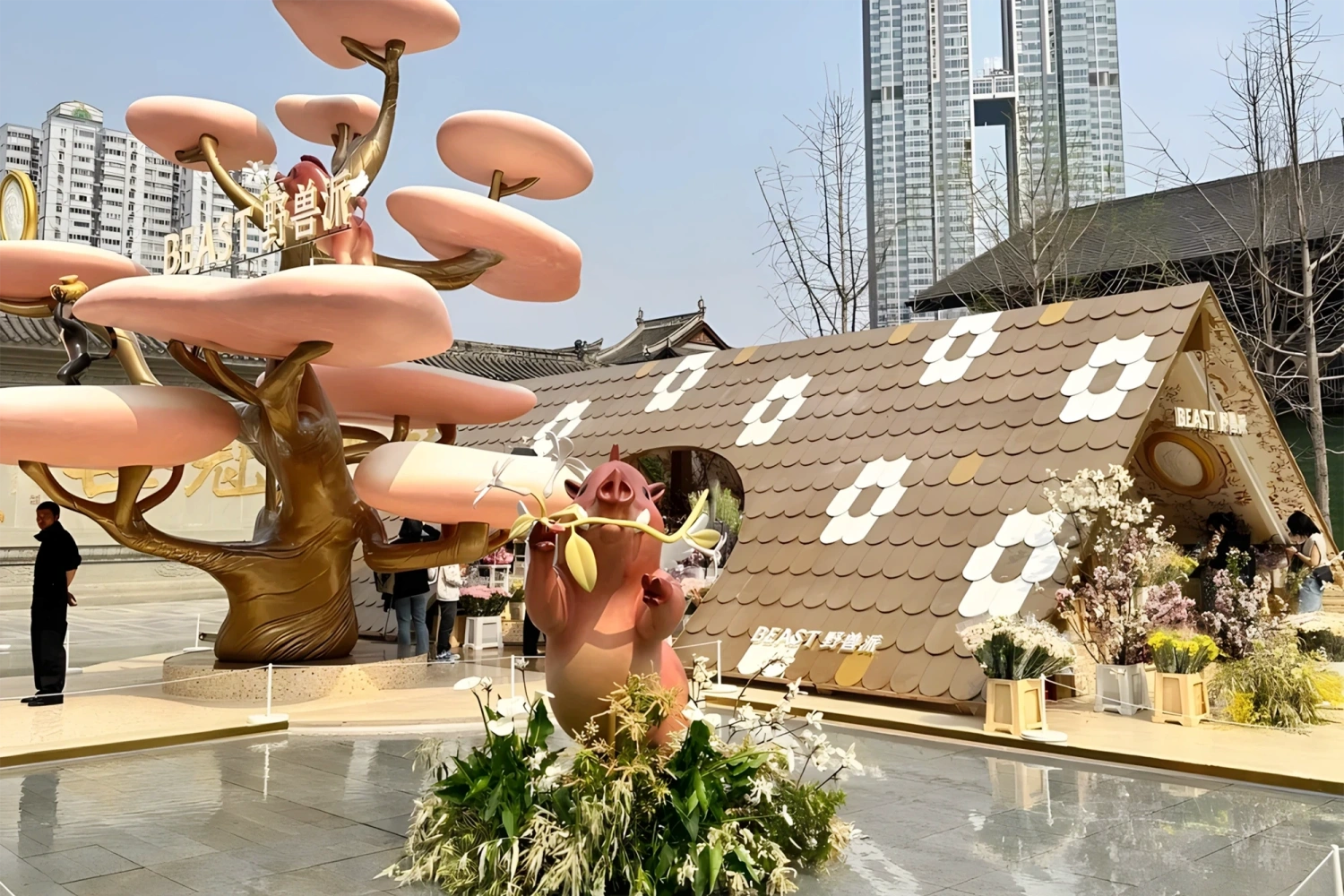
With sustainability principles permeating mainstream commercial practice, biophilic and ecological art installations have become one of the fastest-growing categories in Singapore’s 2026 market.Large-scale installations exploring plant growth, ecological cycles, forest environments, marine ecosystems, and fabricated from recycled or certified sustainable materials are increasingly favored by both mall operators and brands. These installations resonate with green consumption values while simultaneously cultivating a calming, restorative spatial atmosphere—measurably improving dwell time and repeat visitation.In recent years, Singapore has seen sustained investment in nature-themed interactive art across public and cultural spaces, employing light, sound, and dynamic effects to create immersive experiences of human-nature coexistence.
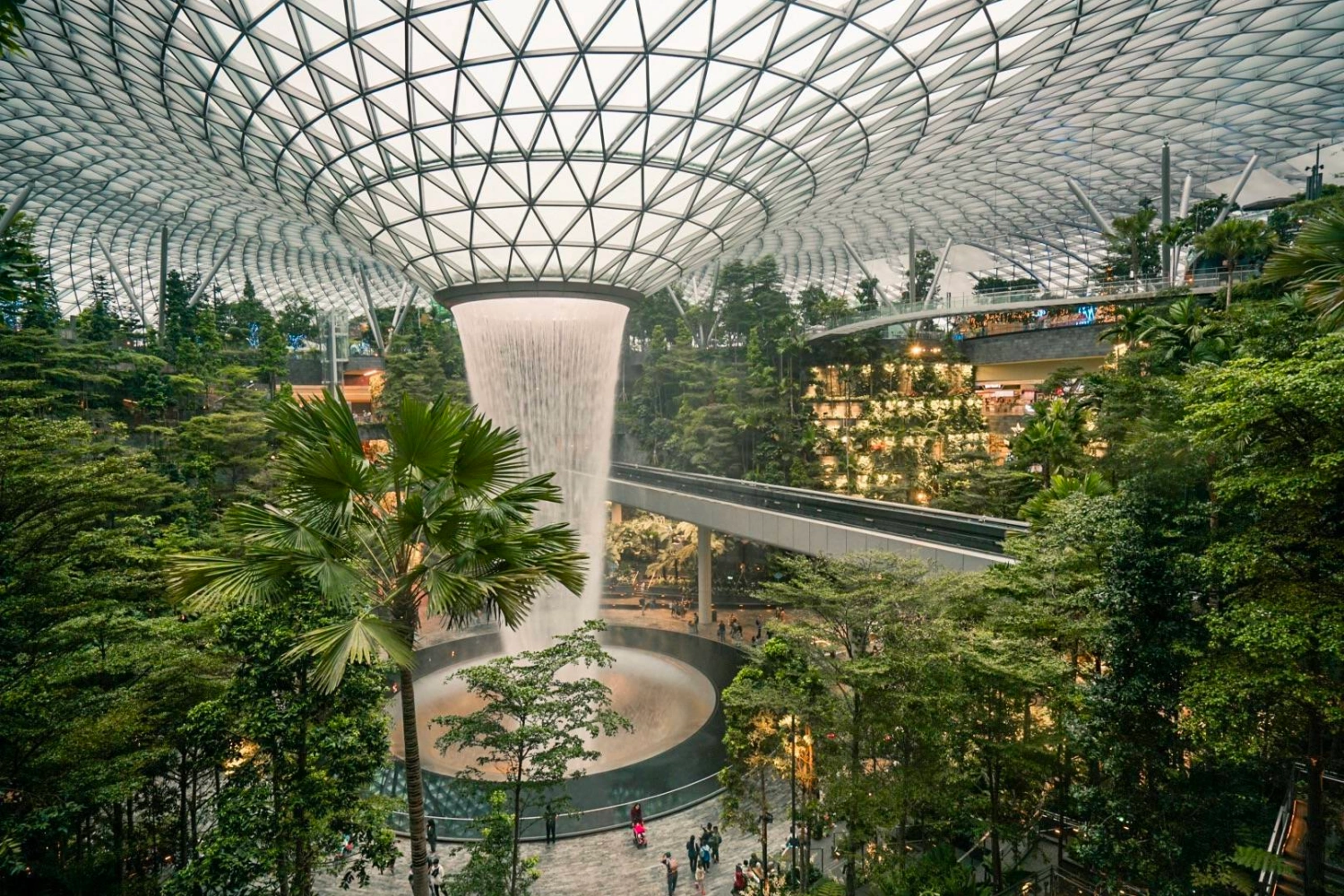
This design approach is now being actively adopted within retail environments, proving particularly effective in attracting family cohorts and younger demographics.Looking ahead, ecological art installations will place greater emphasis on certified sustainable materials, circular structural design, and energy-efficient lighting systems—achieving a unified alignment between artistic expression and commercial performance.
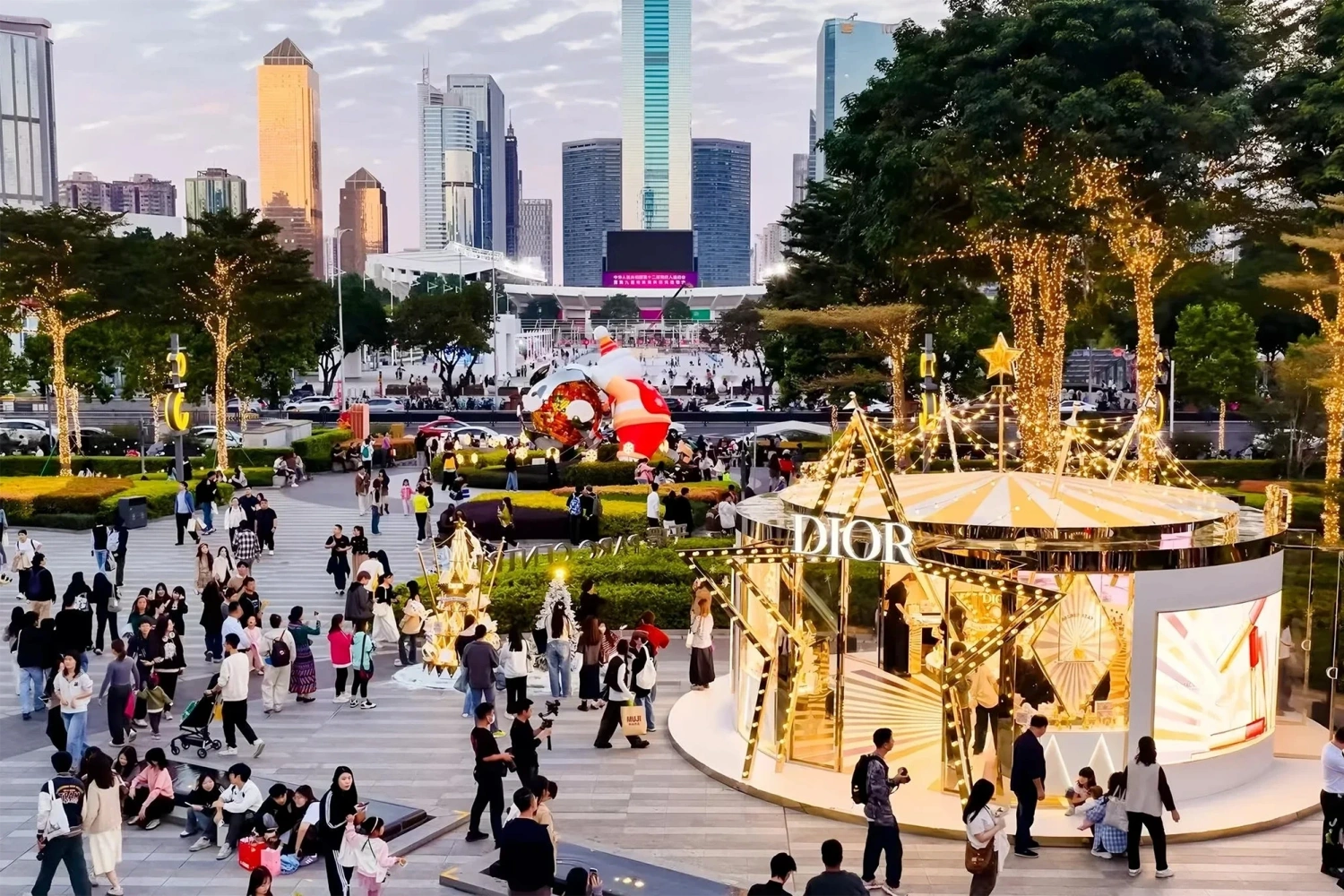
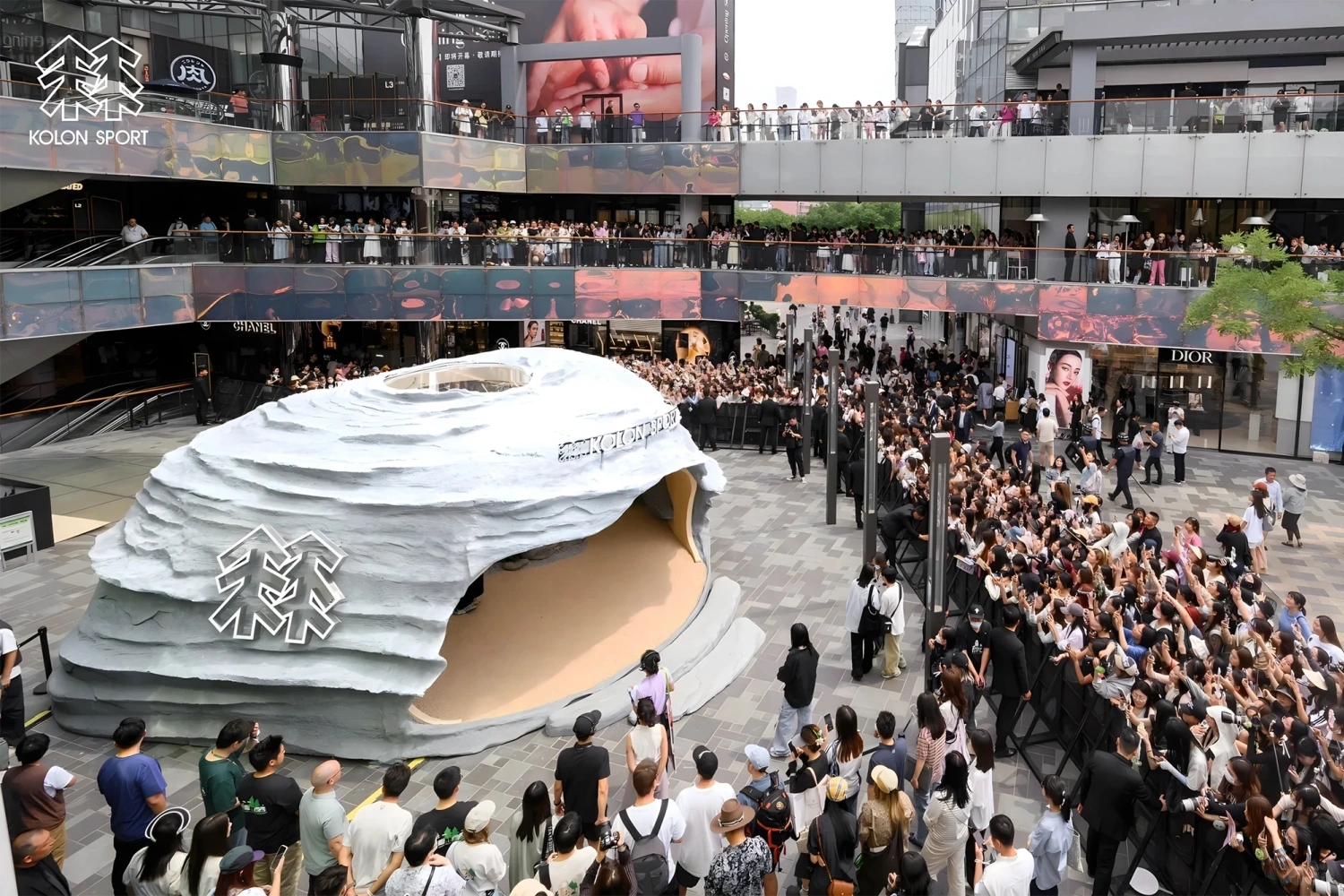
Driven by platforms including TikTok and Instagram, inherently shareable art installations have become a primary mechanism for generating organic traffic and earned media for shopping centers.The consumer behavior model has shifted: beyond simply taking photos as personal mementos, visitors now seek “experiences worth sharing.” Large-scale luminous installations, interactive mirror spaces, kinetic mechanical artworks, and AI-generated interactive content consistently yield higher user sharing rates and broader organic reach.Global commercial real estate research consistently finds that experiential retail has become the primary engine of brick-and-mortar resurgence.
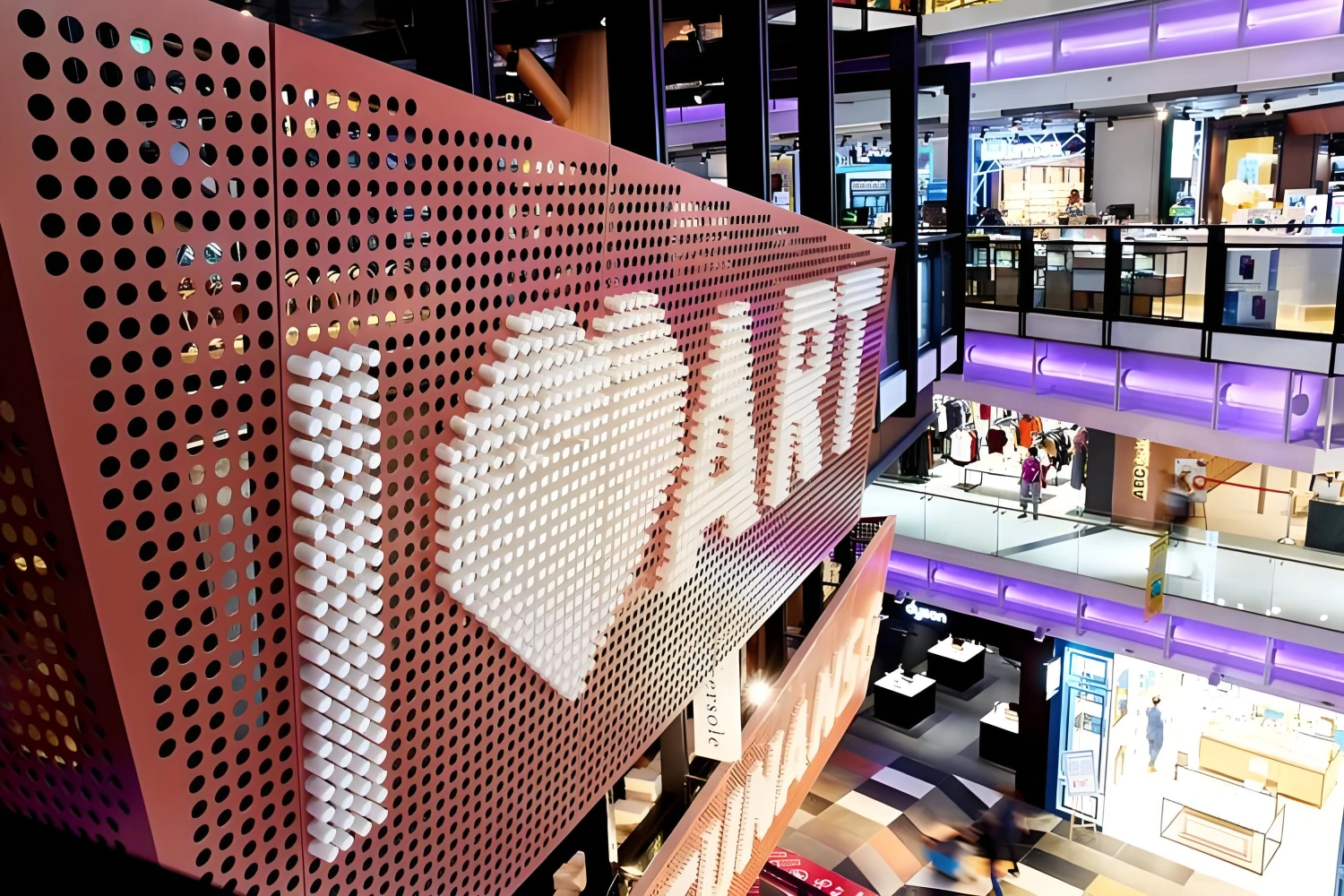
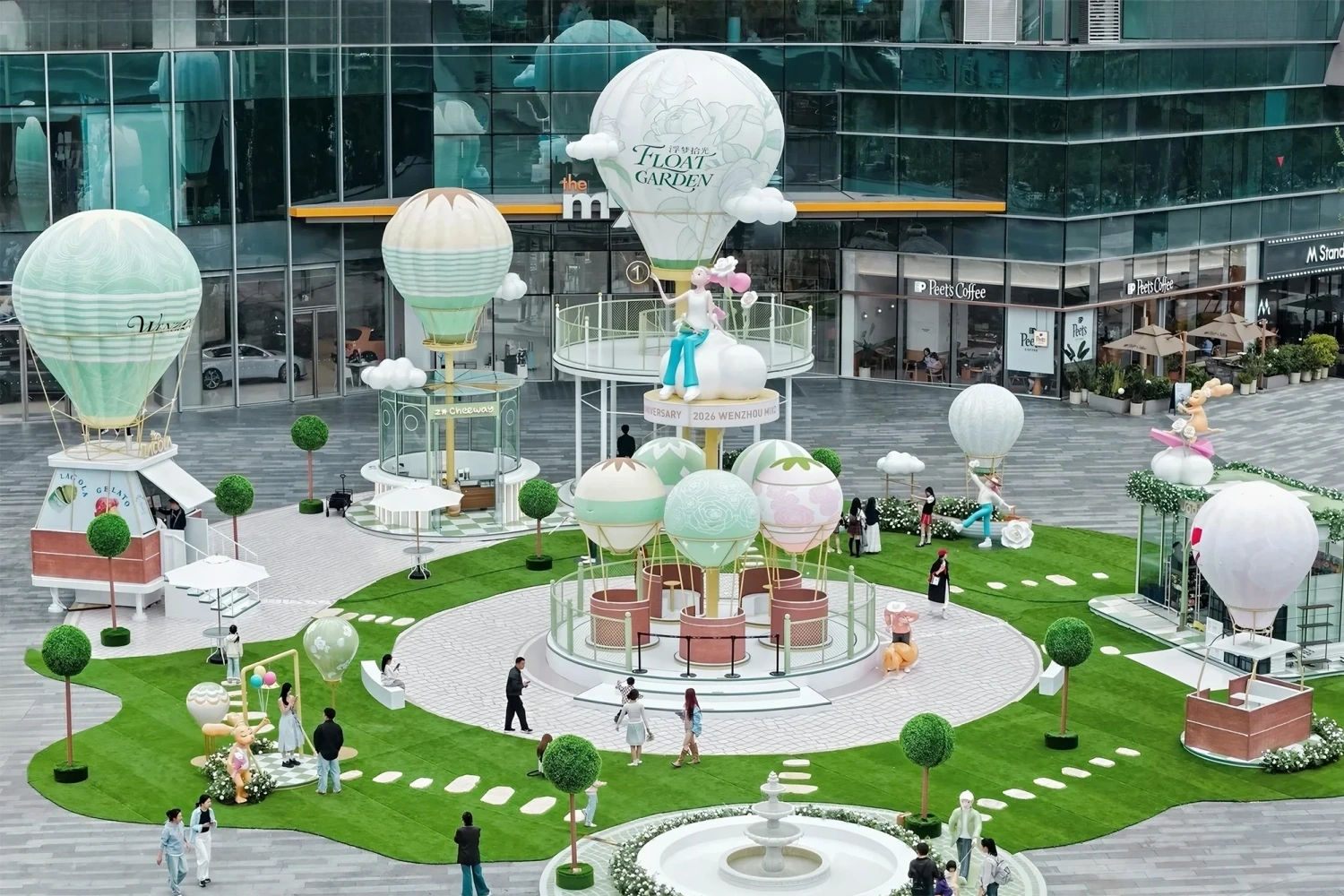
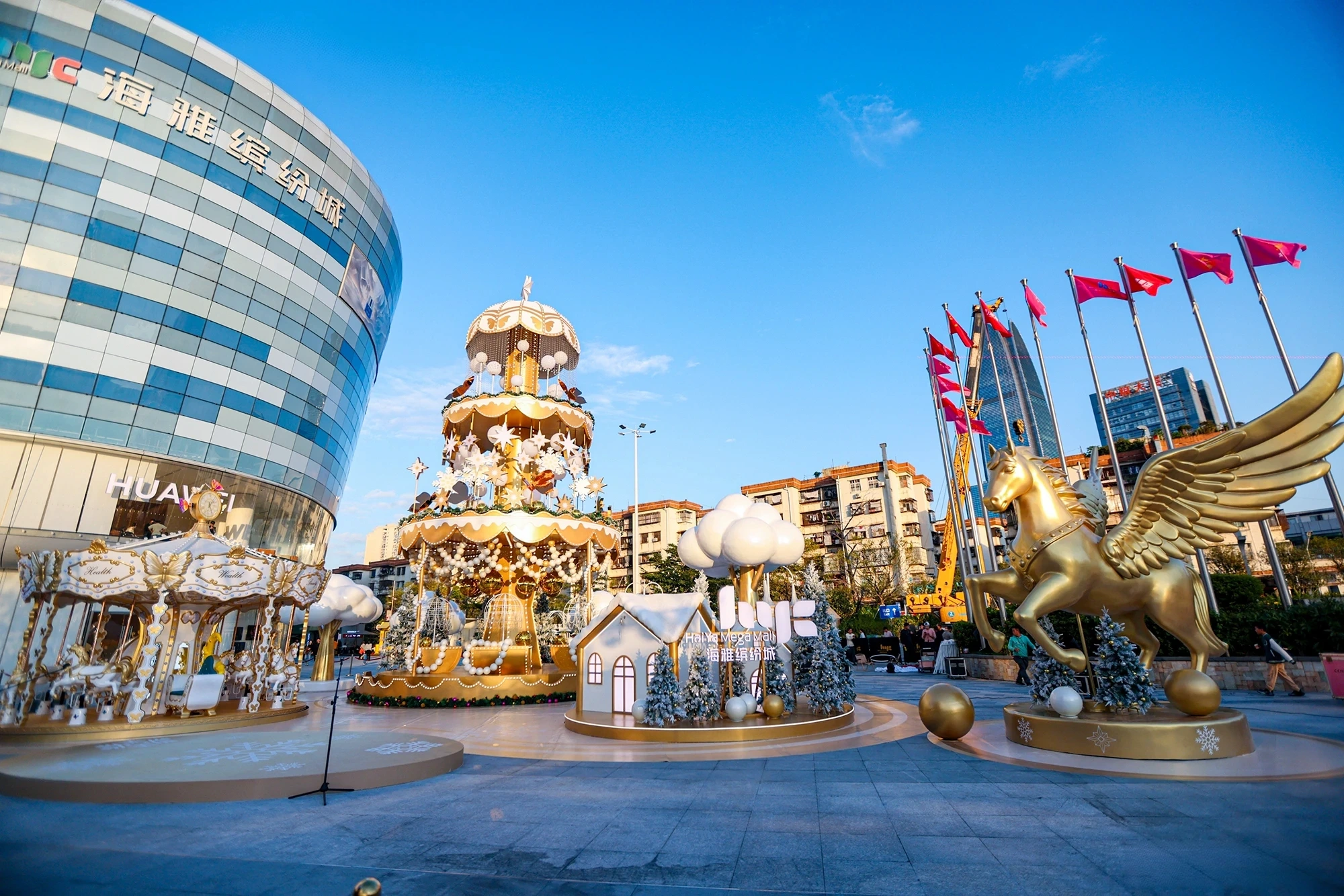
Consumers are increasingly willing to pay a premium for distinctive experiences, and shopping centers are responding by deploying art installations, interactive programming, and digital experiences to continuously enhance spatial magnetism and social amplification.Consequently, an increasing number of Singapore malls now treat art installations as a strategic marketing lever—not as one-off seasonal decorations.
In 2026, artificial intelligence has moved to the forefront of commercial art installation design.Through computer vision, motion capture, voice recognition, and generative AI, installations can now deliver real-time, context-aware feedback tailored to individual consumer behavior—enabling a truly personalized interactive experience.
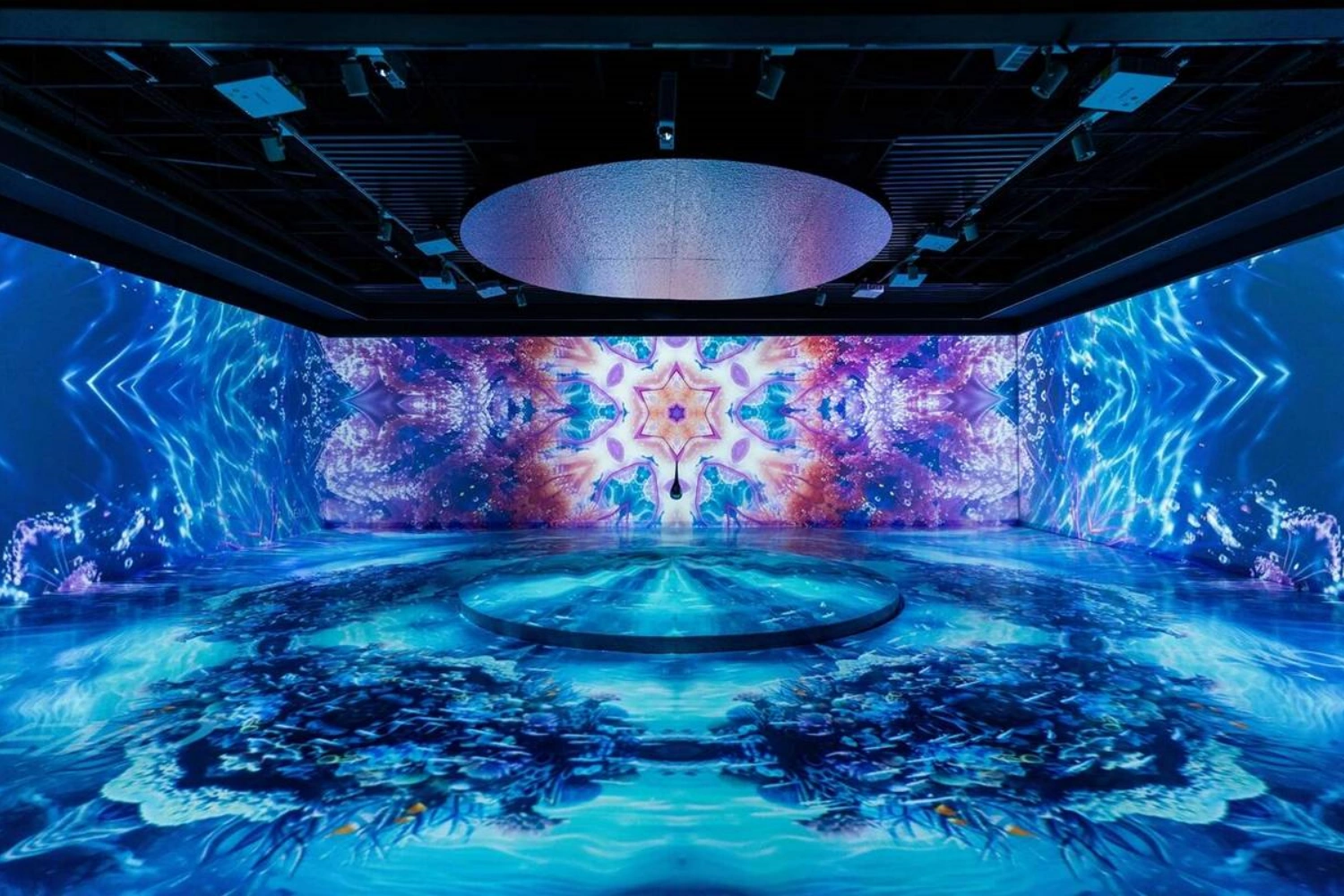
For example, interactive art systems can now recognize visitor gestures, facial expressions, and even vocal cues, dynamically adjusting visual output, lighting sequences, and narrative content in real time. This capability is driving a structural shift from static display to intelligent, responsive engagement.For mall operators, AI-enhanced installations deliver measurable benefits: elevated visitor engagement, stronger brand recall, and sustained social conversation—generating ongoing topical relevance well beyond the initial installation period.
Examining Singapore’s 2026 commercial landscape, it is clear that art installations have transcended their traditional decorative function and are now integral to retail operations and asset strategy.Immersive environments, biophilic design, shareability, and AI-driven interactivity are fundamentally reshaping the relationship between consumers and commercial space.
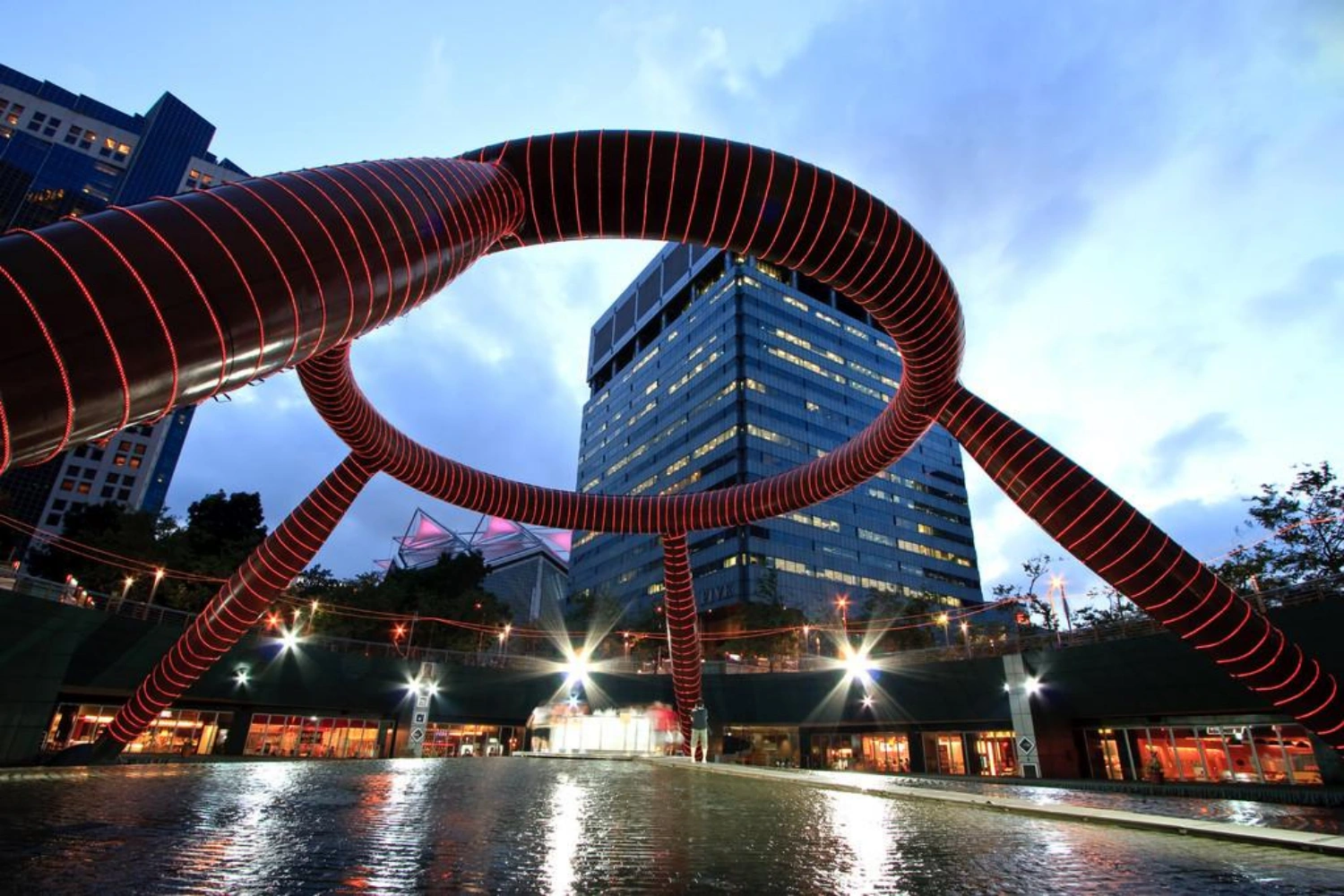
Shopping centers that deploy installations with narrative depth, participatory design, and viral potential are achieving not only longer visitor dwell times but also stronger brand affinity and improved conversion metrics.Looking forward, Singapore’s commercial art installation sector will continue its trajectory toward deeper technology integration, advanced sustainability practices, and elevated user-centric design. For commercial property owners, mall operators, and brand tenants alike, strategic investment in long-term-value art installations has become an essential competitive lever in an increasingly experience-driven retail landscape.
1.Singapore Tourism Board. Record Singapore Tourism Receipts from January to September 2025.
2.NAIOP. Experiential Retail Helping to Fuel a Brick-and-Mortar Revival.
3.Time Out Singapore. ArtScience Museum rolls out three major immersive works from now till 2027.
4.Vogue Business. Setting up shop in Singapore.
5.arXiv. Holo-Artisan: A Personalized Multi-User Holographic Experience for Virtual Museums on the Edge Intelligence.
July 27, 2026
July 27, 2026
July 27, 2026
July 27, 2026
July 27, 2026
July 27, 2026
July 27, 2026
July 26, 2026
July 26, 2026
July 26, 2026
July 26, 2026
July 26, 2026
July 26, 2026
July 26, 2026
July 26, 2026
July 26, 2026

July 26, 2026
July 25, 2026
July 25, 2026
July 25, 2026