July 23, 2026 Ixmore Art
In recent years, large-scale installations inside UAE shopping destinations have repeatedly captured global attention on social media. From the iconic “Human Waterfall” inside The Dubai Mall to immersive LED-based seasonal experiences across major retail destinations in the UAE, these visual spectacles have become more than just decorative features—they represent the future direction of global commercial space design.
For world-class retail environments in the Middle East, simply investing heavily in visual displays is no longer enough. Today’s landmark installations are evolving through a combination of advanced materials, lightweight engineering, interactive technology, and digital storytelling. The most successful projects are no longer static decorations; they are immersive experiences designed to attract visitors, encourage social sharing, and strengthen the emotional connection between consumers and commercial spaces.
For any large-scale installation capable of standing out within a luxury retail destination surrounded by thousands of international brands, the design process cannot stop at a beautiful concept sketch. The key to successful execution lies in transforming creative concepts into highly accurate three-dimensional visual environments during the earliest stages of development.Before production begins, designers and engineers rely heavily on architectural visualization, 3D modeling, and digital simulation to refine every detail—from viewing angles and lighting conditions to surface textures and material performance.
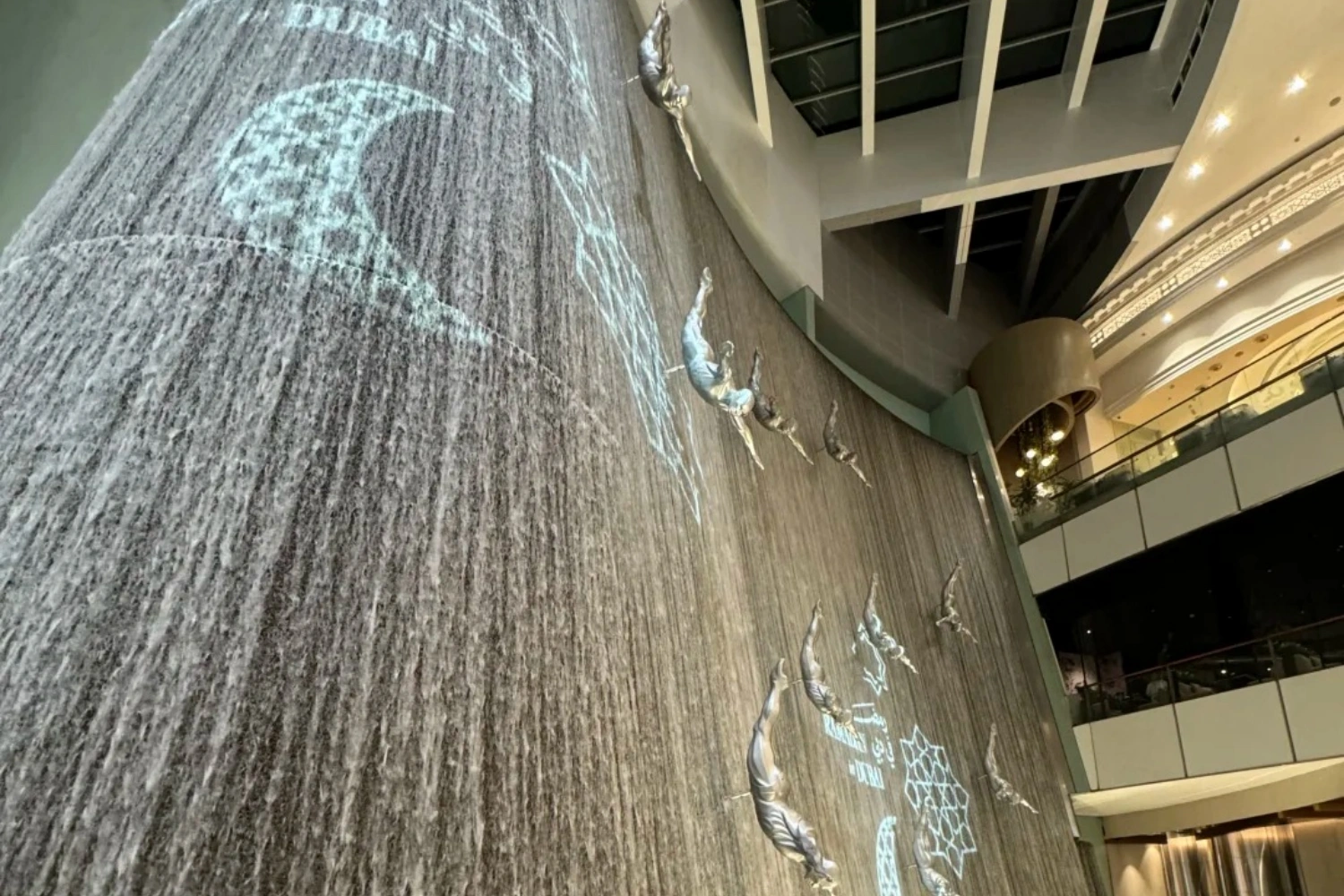
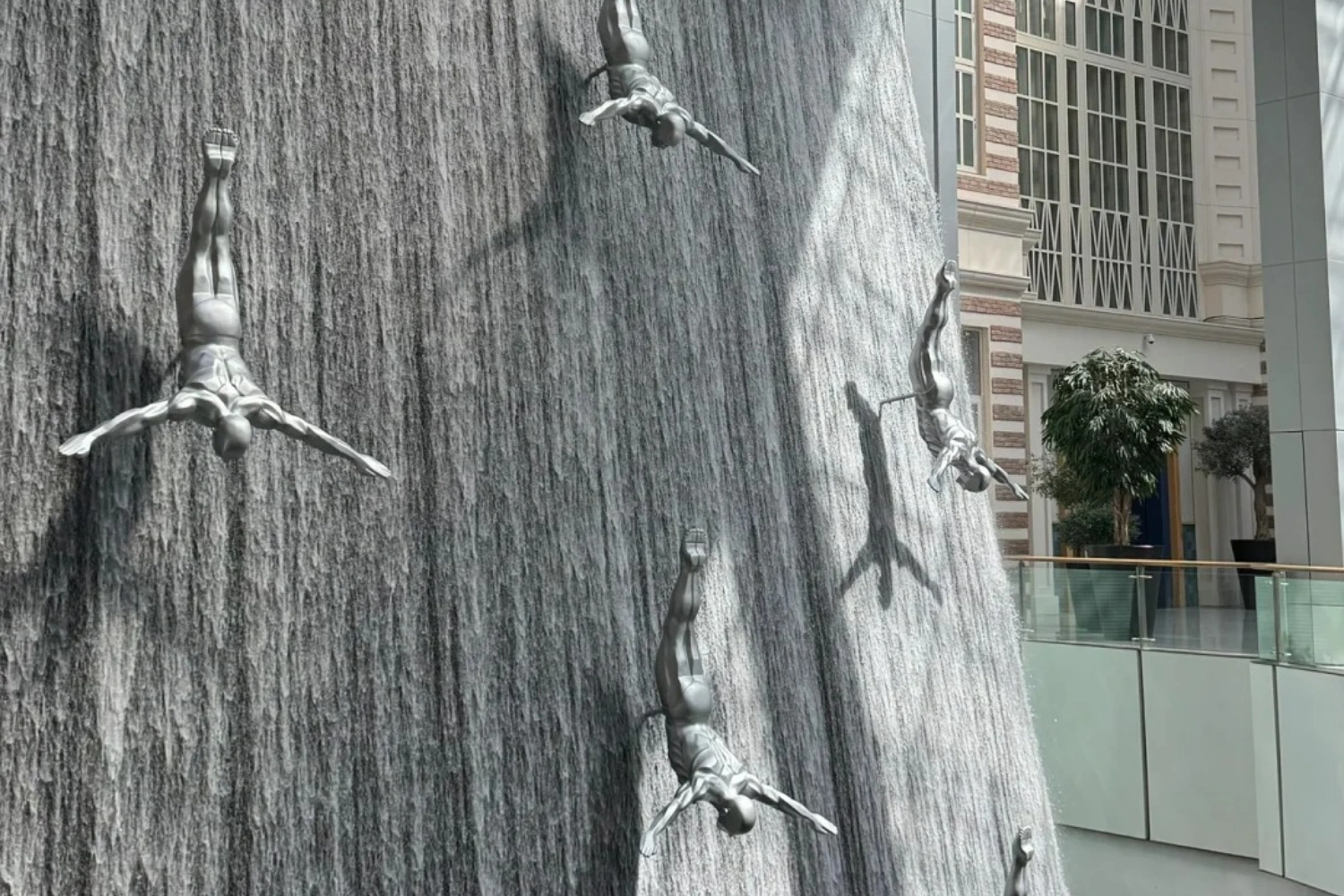
Take the famous indoor waterfall installation at The Dubai Mall as an example. The suspended diver sculptures are not simple molded objects. Instead, they are crafted using high-detail fiberglass-reinforced plastic (FRP) with advanced surface finishing techniques. During the 3D modeling and rendering phase, teams must carefully analyze and simulate critical material properties, including gloss levels, reflectivity, and surface behavior.
This level of precision ensures that the final installation interacts naturally with surrounding elements such as cascading water effects, ambient lighting, and architectural daylight. The result is a sculpture that maintains realistic human movement, metallic texture, and visual depth from every viewing angle.In today’s commercial installation industry, the ability to accurately translate digital visualization into physical materials has become one of the most important indicators of project quality.
Simply increasing the physical scale of an installation is no longer enough to satisfy today’s global consumers. Premium commercial destinations are increasingly embracing the integration of physical environments and digital technology, creating what the industry often refers to as “phygital” experiences.
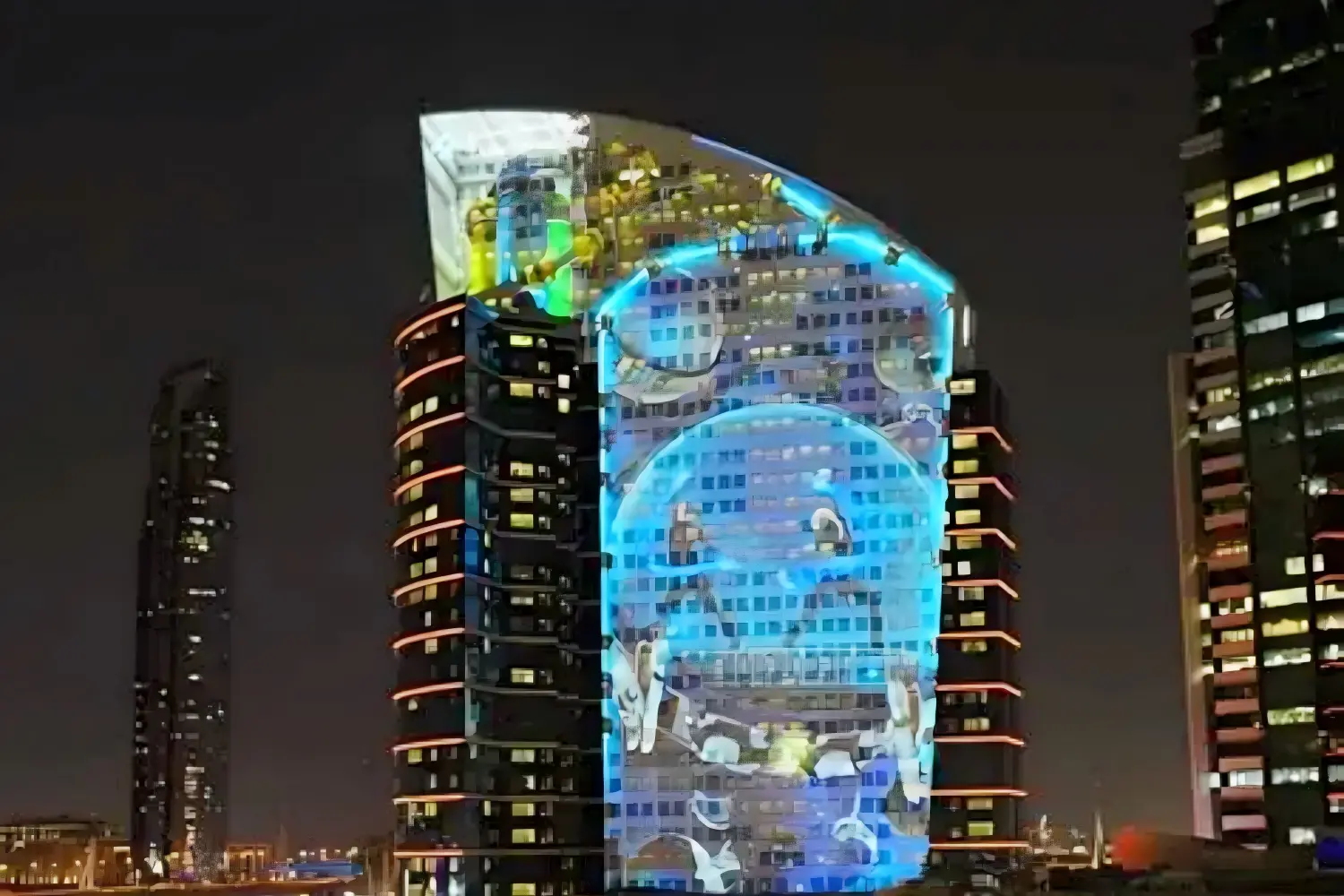
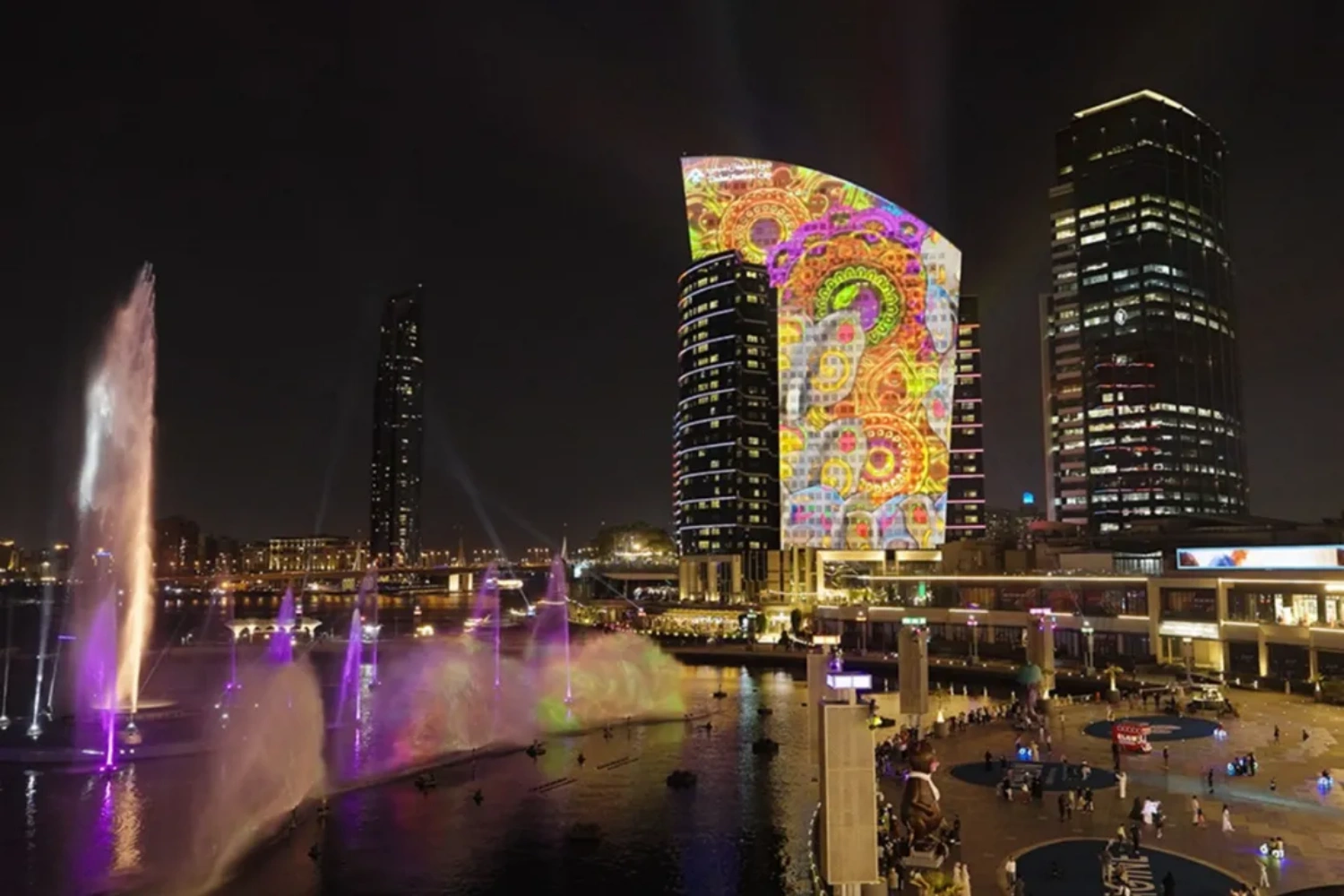
A leading example is Dubai Festival City Mall’s renowned IMAGINE multimedia experience. Rather than functioning as a traditional static attraction, the project combines architectural surfaces, massive water displays, lasers, projection technology, and LED systems into a dynamic storytelling platform.The installation transforms the shopping destination itself into a living stage. Through real-time programming and synchronized audiovisual effects, the space can continuously adapt to different occasions, including holiday celebrations, brand launches, and large-scale entertainment events.
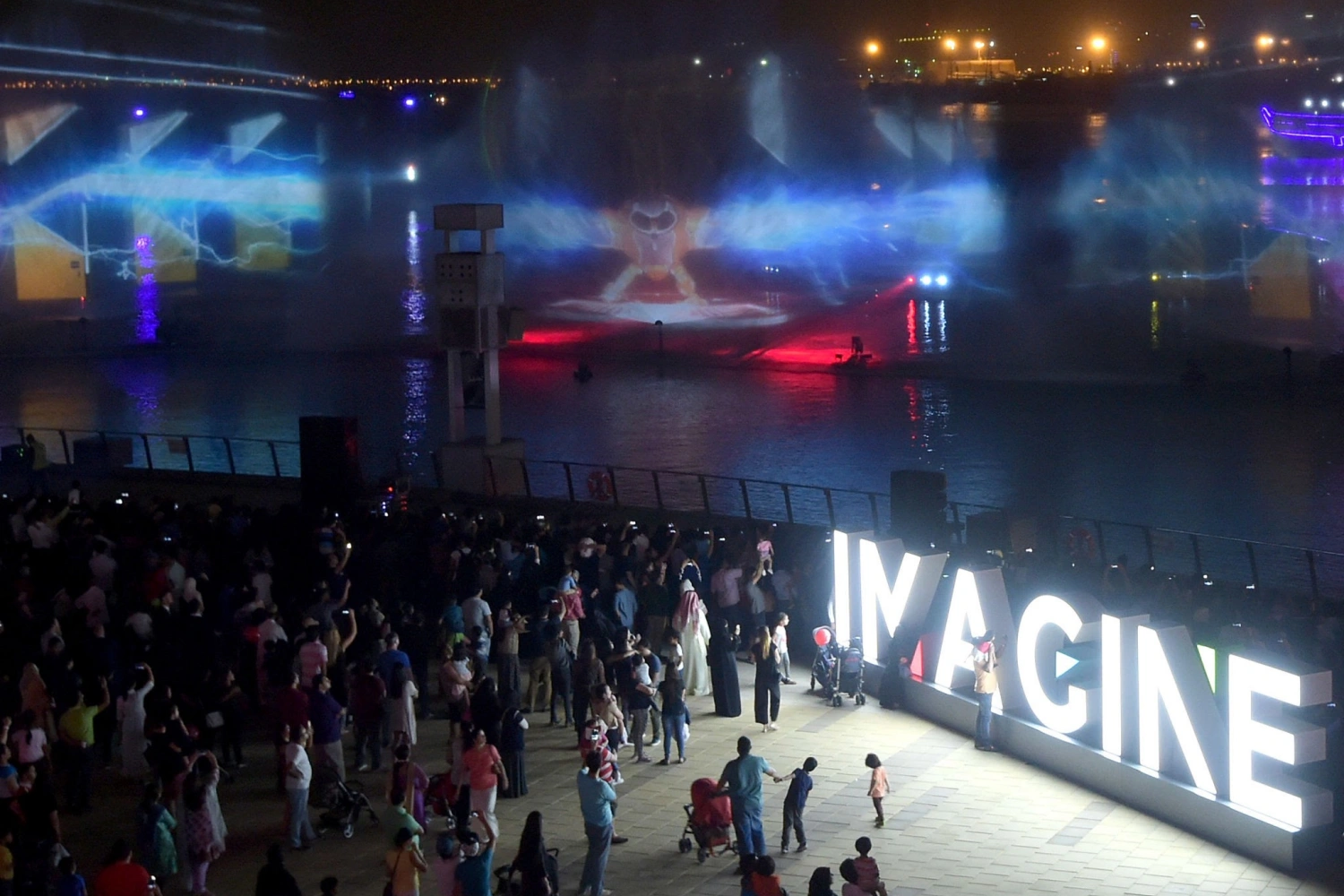
This shift represents a fundamental change in commercial design: installations are no longer simply objects placed inside a space—they become emotional environments capable of influencing visitor behavior, generating social media engagement, and expanding the commercial value of physical locations.A single installation can now support multiple experiences through digital content updates, allowing retailers and developers to maximize long-term investment value.
The larger and lighter an installation appears, the more sophisticated its hidden engineering structure must be.Behind every visually effortless landmark installation is a complex system of structural calculations, manufacturing techniques, safety considerations, and precision assembly processes.A strong example is The Green Planet Dubai, where a nature-inspired commercial environment pushes artificial landscape engineering to an extraordinary level. At the center of this indoor tropical ecosystem stands a 25-meter artificial tree, recognized as one of the largest indoor artificial trees in the world.
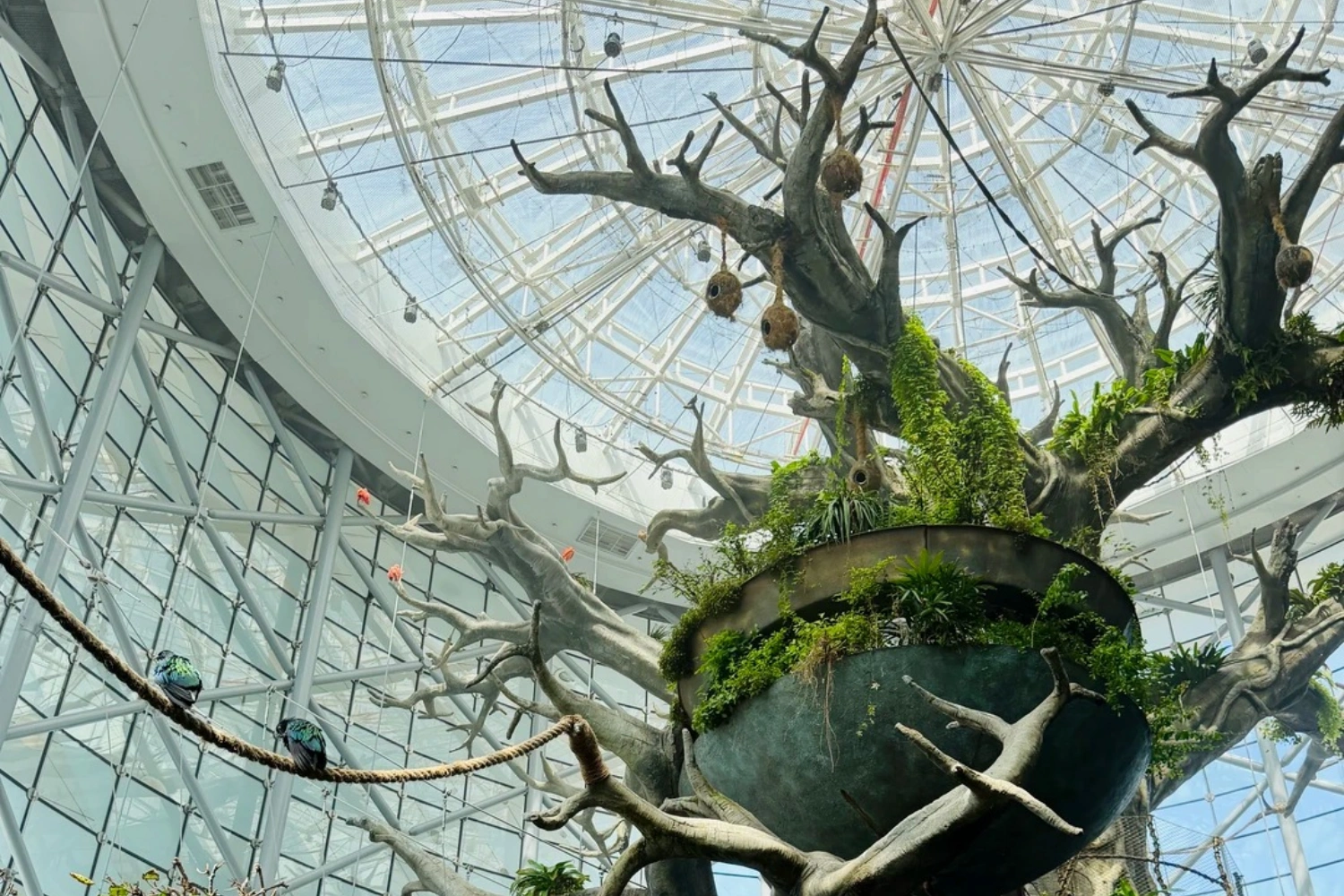
This structure is far beyond a traditional decorative prop. Its core is built around a high-strength steel framework designed to support significant structural loads. The exterior surface is covered with thousands of custom-made FRP panels featuring high durability, fire resistance, and realistic organic textures.To achieve an authentic natural appearance, fabrication teams developed molds directly from real tree bark structures, allowing the FRP exterior to reproduce detailed biological patterns. Advanced painting techniques and hand-finishing processes further enhance the realism of the final surface.
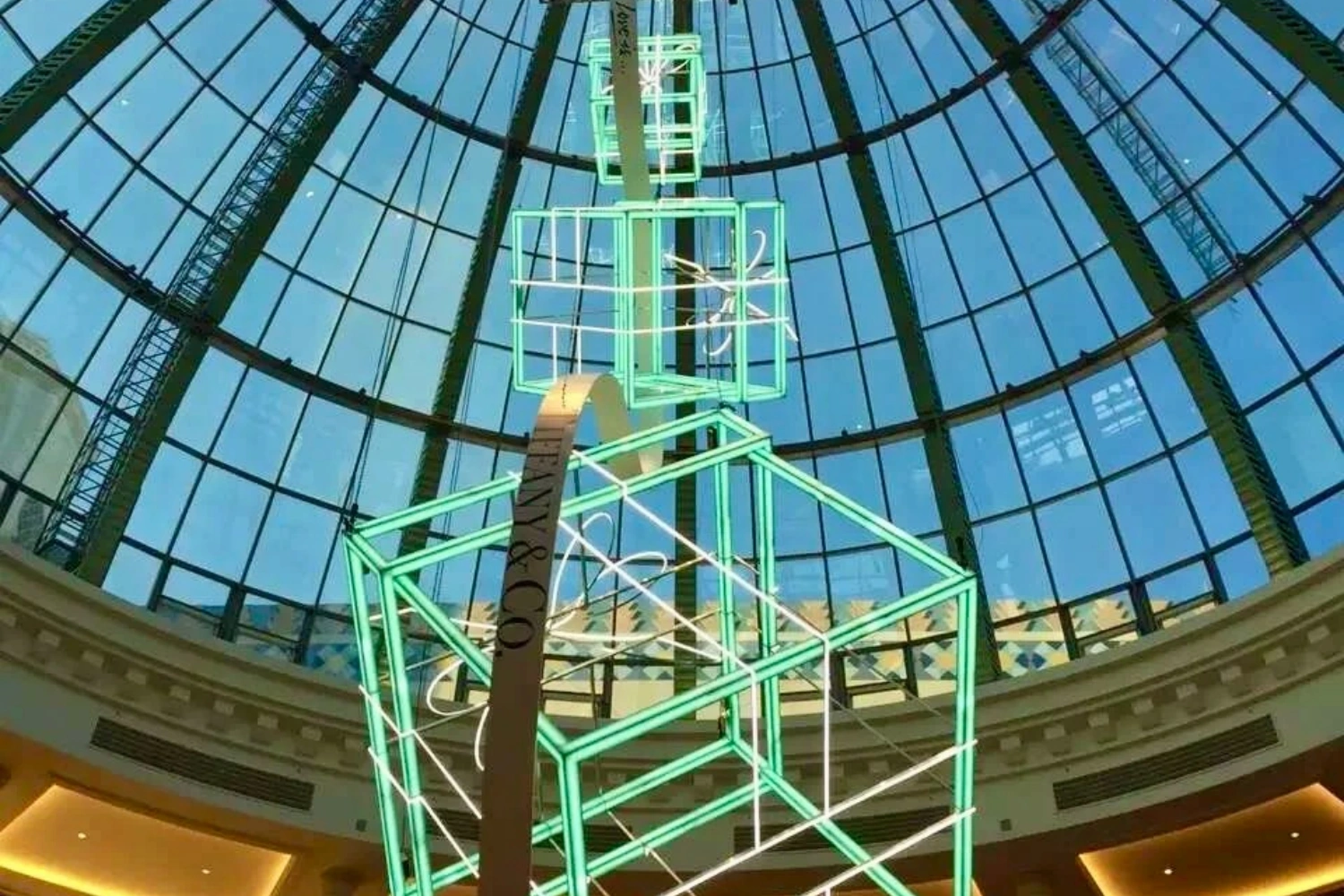
More importantly, the internal structure of the artificial tree is engineered as a functional architectural system. Hidden inside are essential mechanical components, including irrigation systems, ventilation pathways, and building service infrastructure.This ability to seamlessly integrate engineering systems into highly realistic decorative structures represents one of the highest levels of craftsmanship in modern commercial installation manufacturing.
The spectacular installations found in UAE shopping malls are not simply the result of massive budgets. They represent a highly coordinated process combining creative strategy, advanced visualization, customized manufacturing, and precision installation.From initial concept development and immersive 3D planning, to specialized material production and complex on-site construction, every stage requires close collaboration between designers, engineers, fabricators, and commercial developers
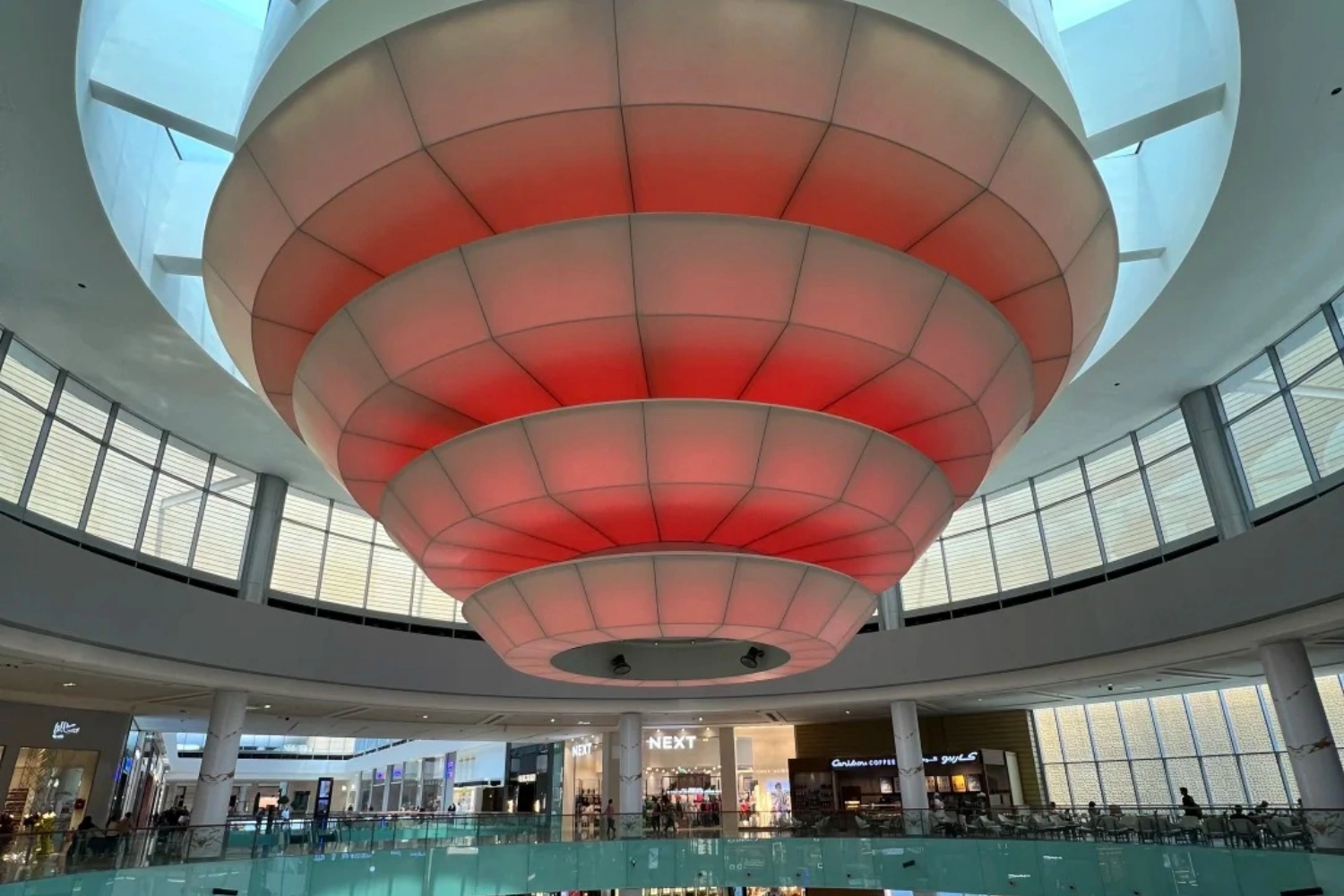
These landmark installations are redefining the standards of experiential retail design. They demonstrate how physical spaces can become powerful storytelling platforms—creating memorable visitor experiences while setting new benchmarks for the future of global commercial environments.
1.DP Architects. Dubai Mall – DP Architects.
2.Thornton Tomasetti. Dubai Mall Facade Construction Support
3.Power Interactive. LED Christmas Tree & Wildfire Show at Mall of the Emirates.
4.Gulf News. Dubai’s Mall of the Emirates unveils massive Dh5 billion expansion plan.
5.Arte Museum Dubai. Arte Museum Dubai – Immersive Digital Art.
July 27, 2026
July 27, 2026
July 27, 2026
July 27, 2026
July 27, 2026
July 27, 2026
July 27, 2026
July 26, 2026
July 26, 2026
July 26, 2026
July 26, 2026
July 26, 2026
July 26, 2026
July 26, 2026
July 26, 2026

July 26, 2026

July 26, 2026
July 25, 2026
July 25, 2026
July 25, 2026