July 23, 2026 Ixmore Art
The Deepening Experience Economy: Redefining Retail Spaces Through Art and Installation (2026 Update)
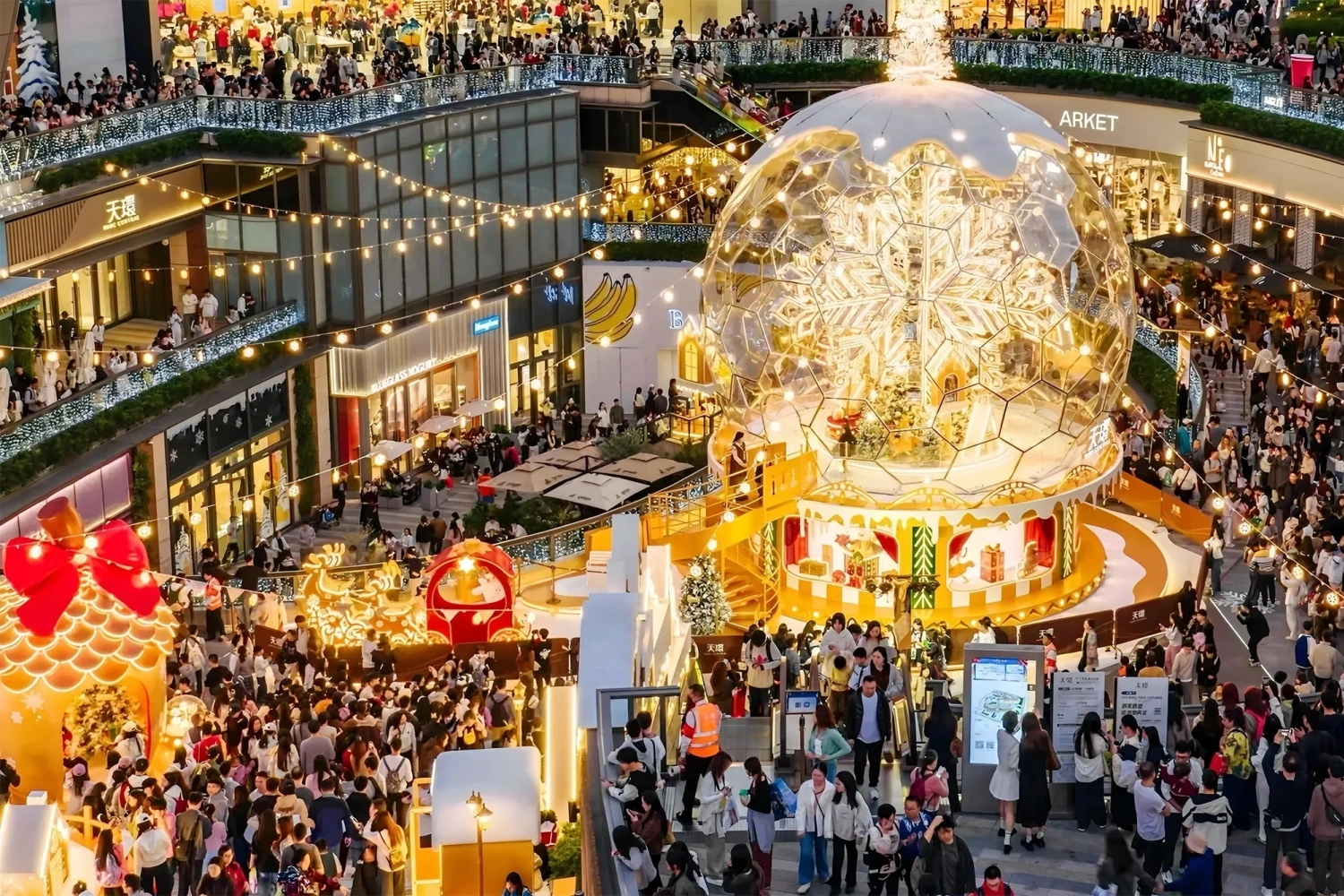
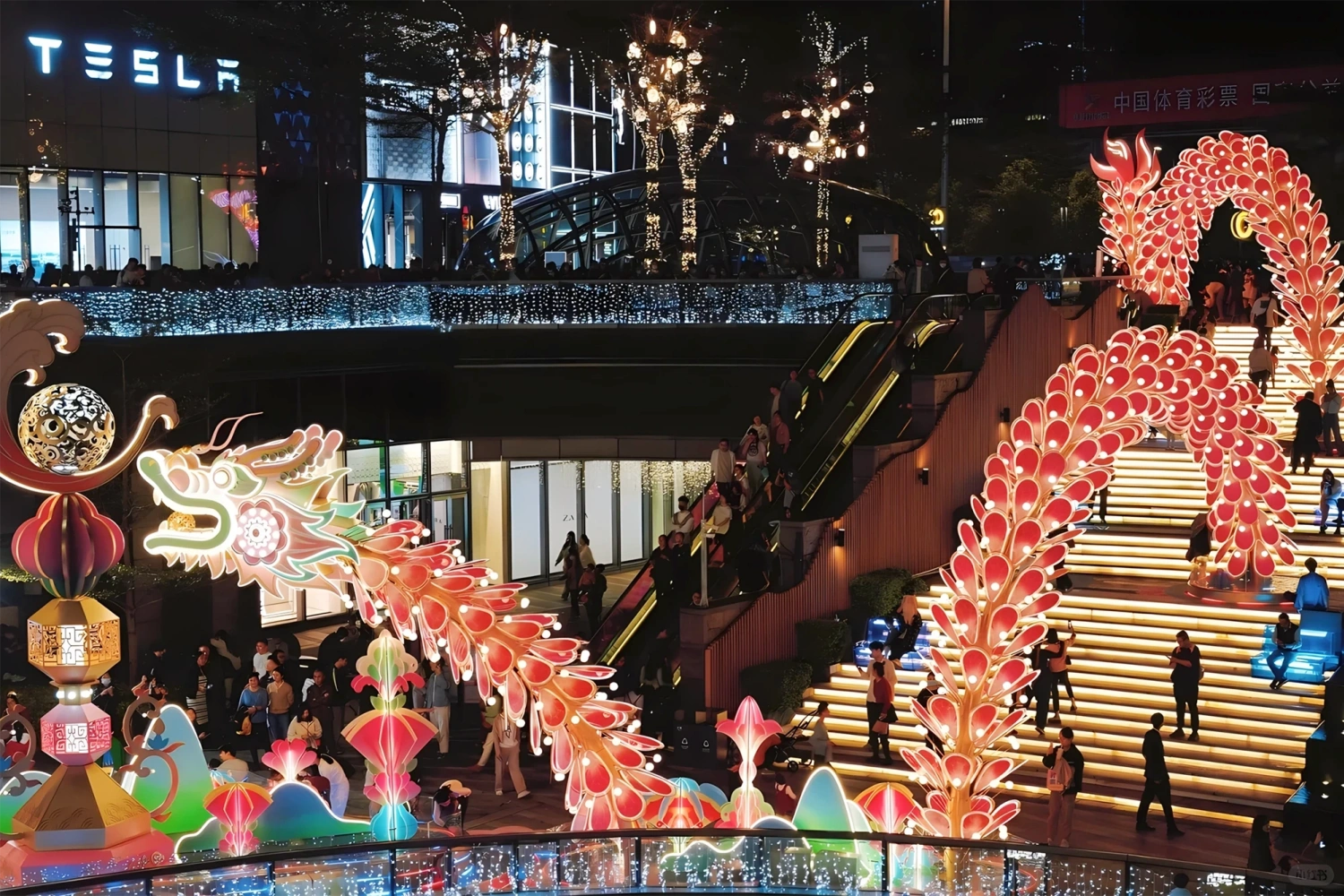
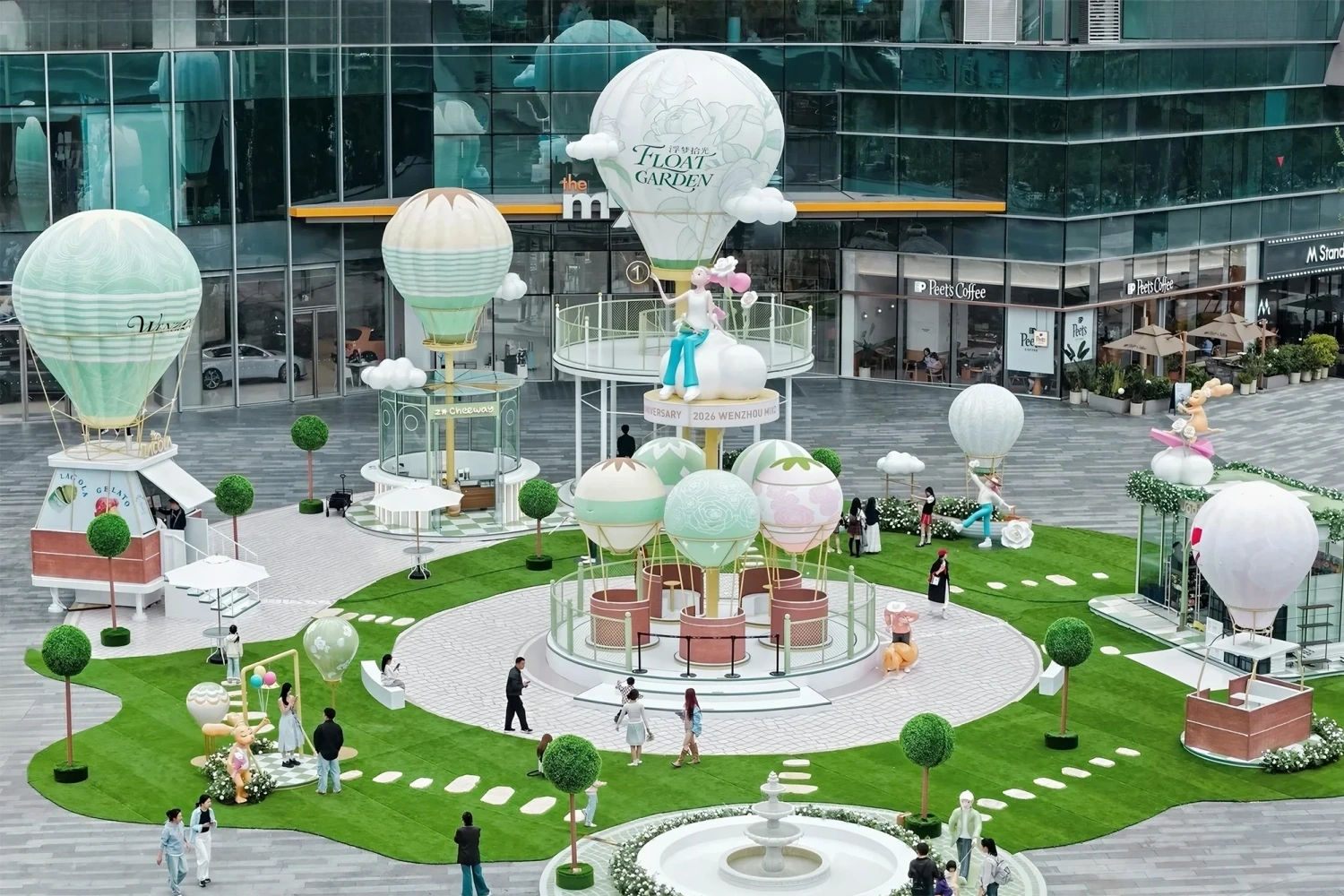
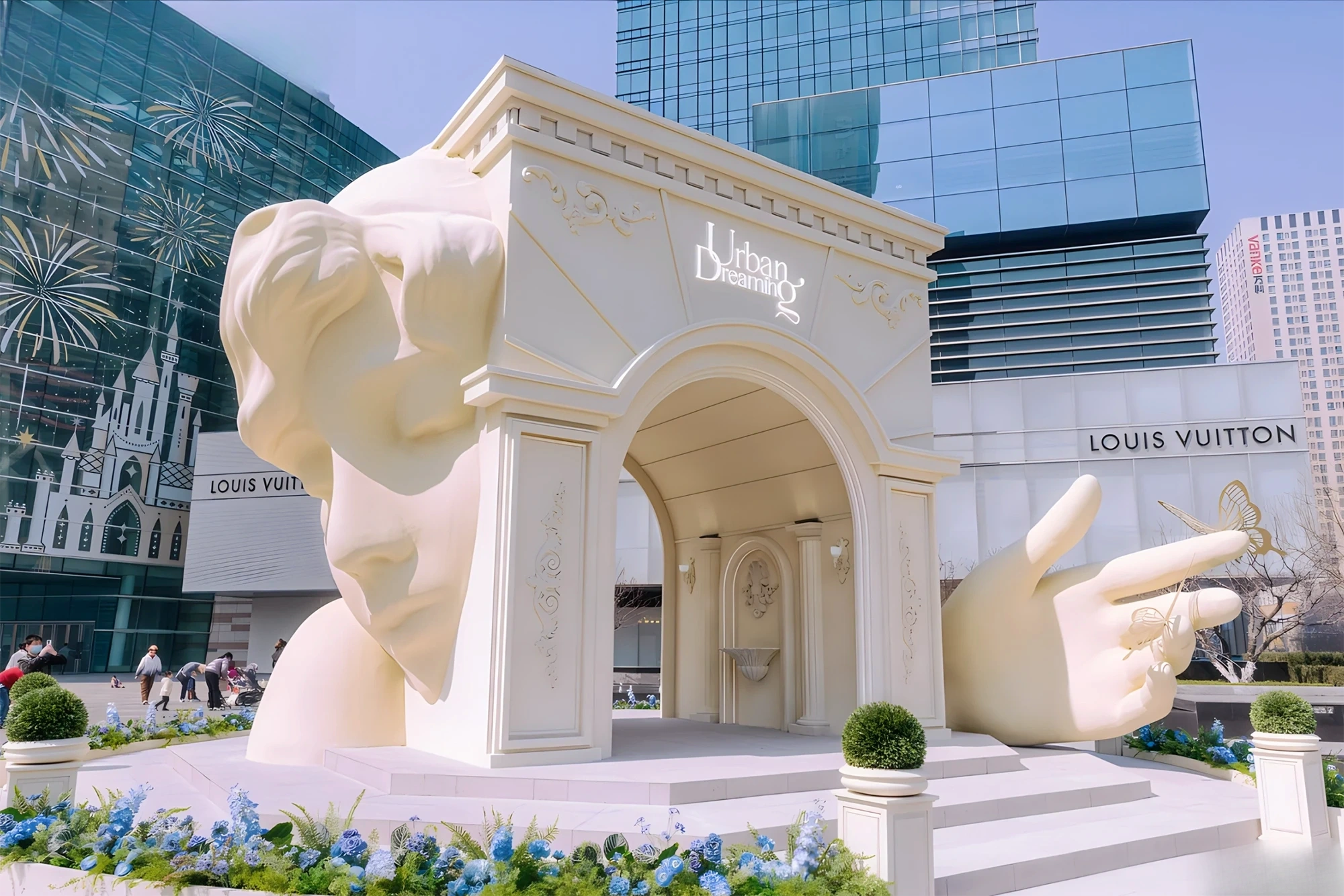
As global retail transitions decisively into the age of immersive experience, the traditional boundary between visual merchandising and spatial art installation has effectively dissolved. By 2026, conventional aesthetic displays no longer satisfy consumers’ demand for emotional resonance and multi-sensory engagement. At the forefront of this transformation, Australia’s premier commercial real estate groups are redefining the shopping center—not as a mere exchange of goods, but as an integrated “living hub.”
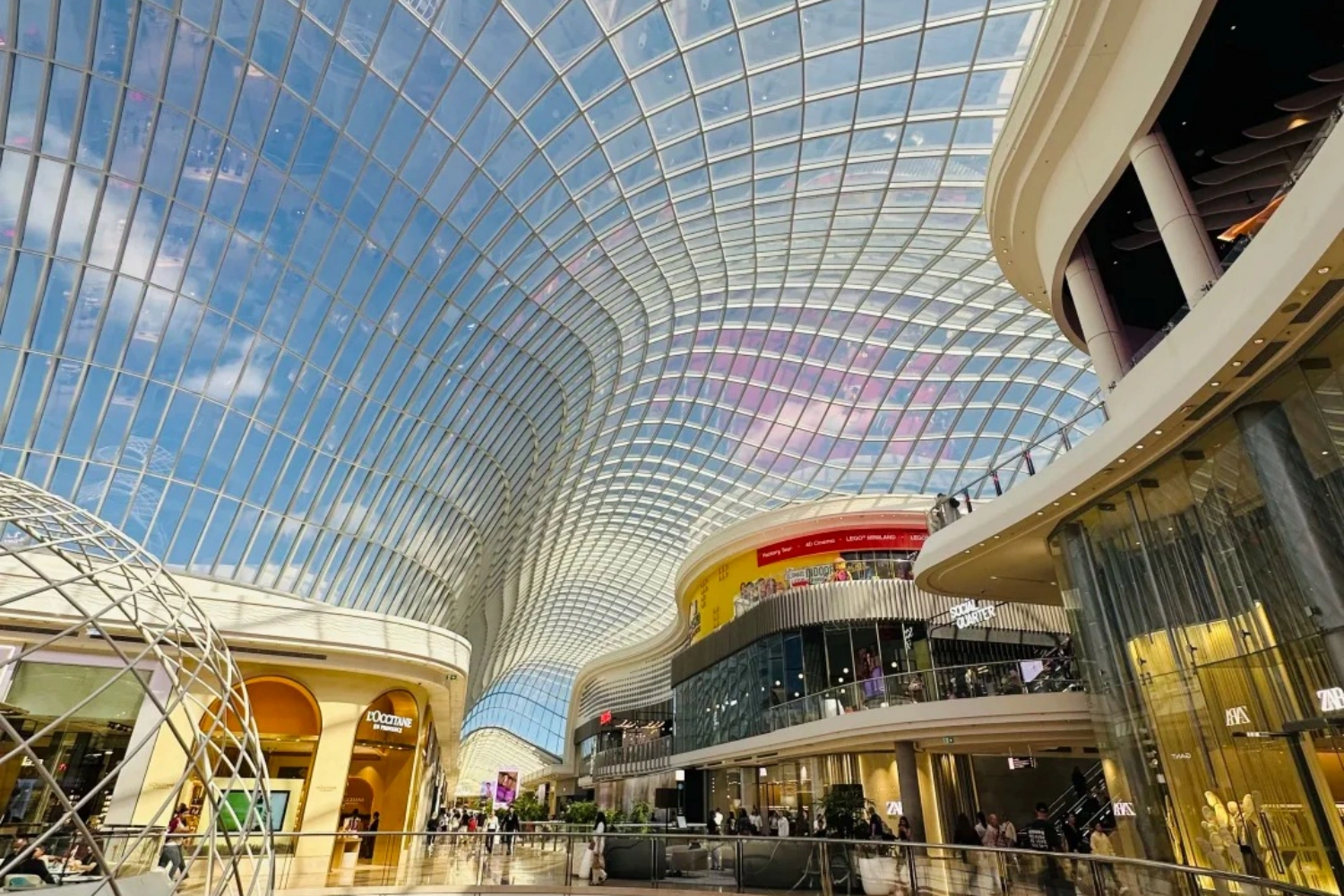
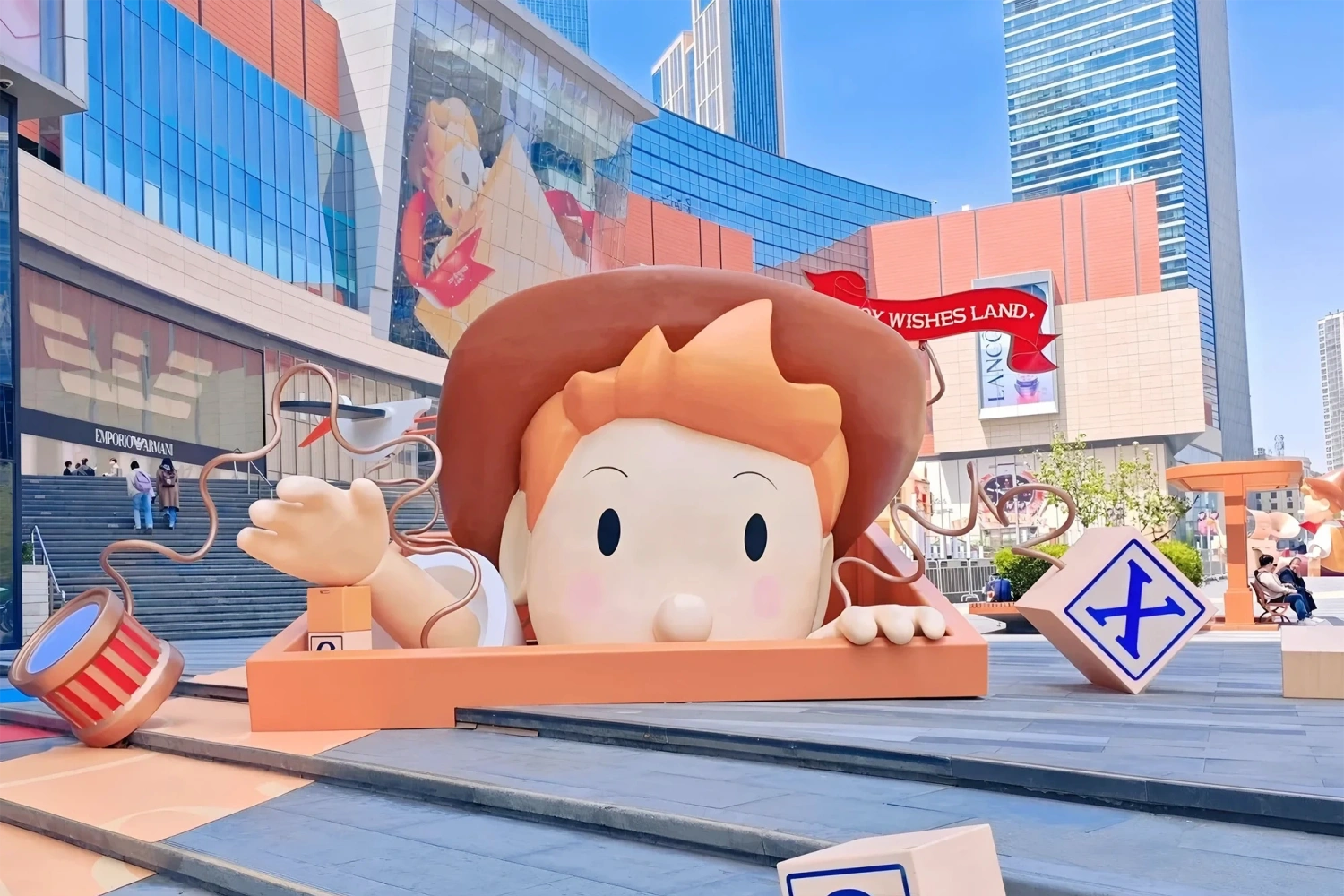
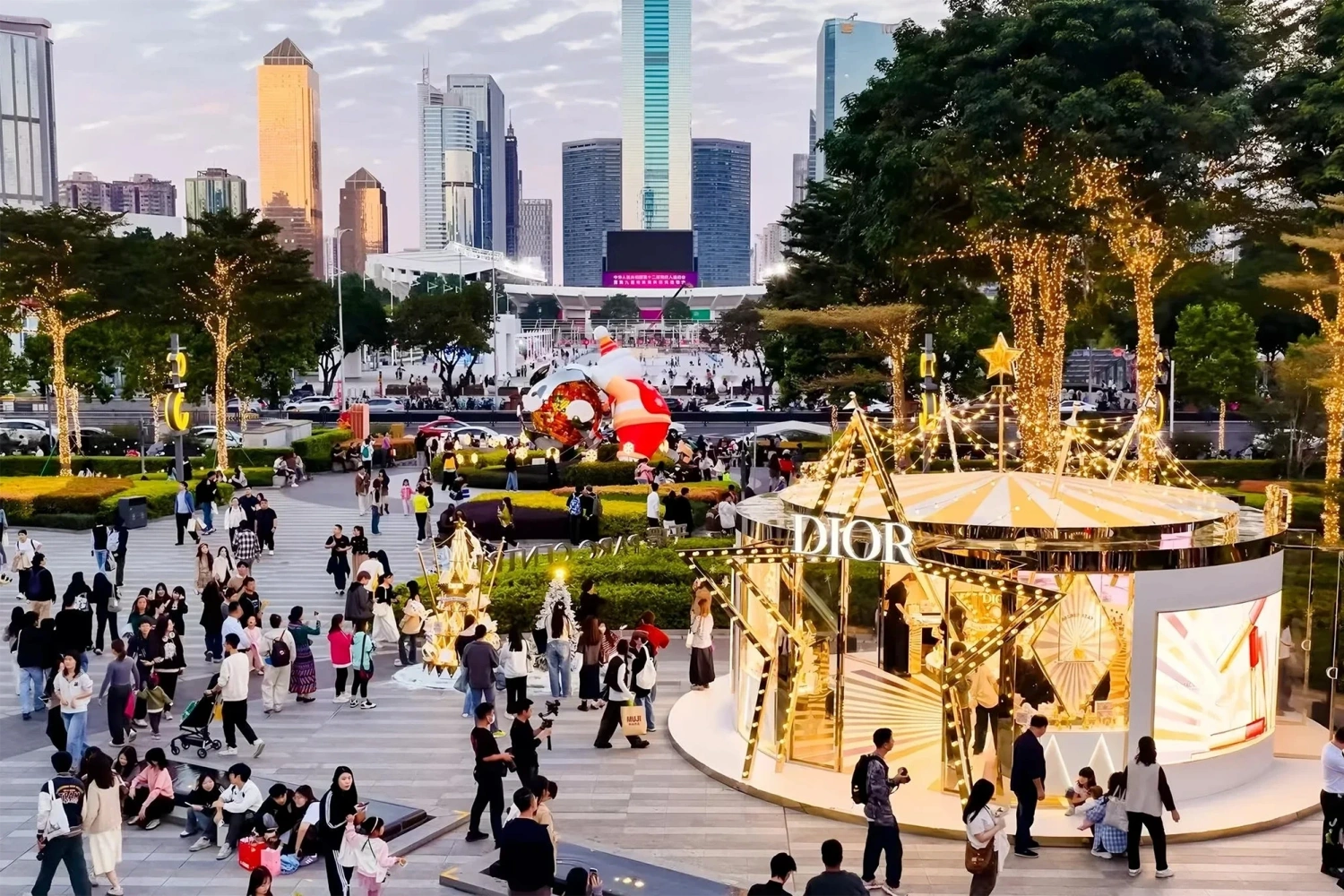
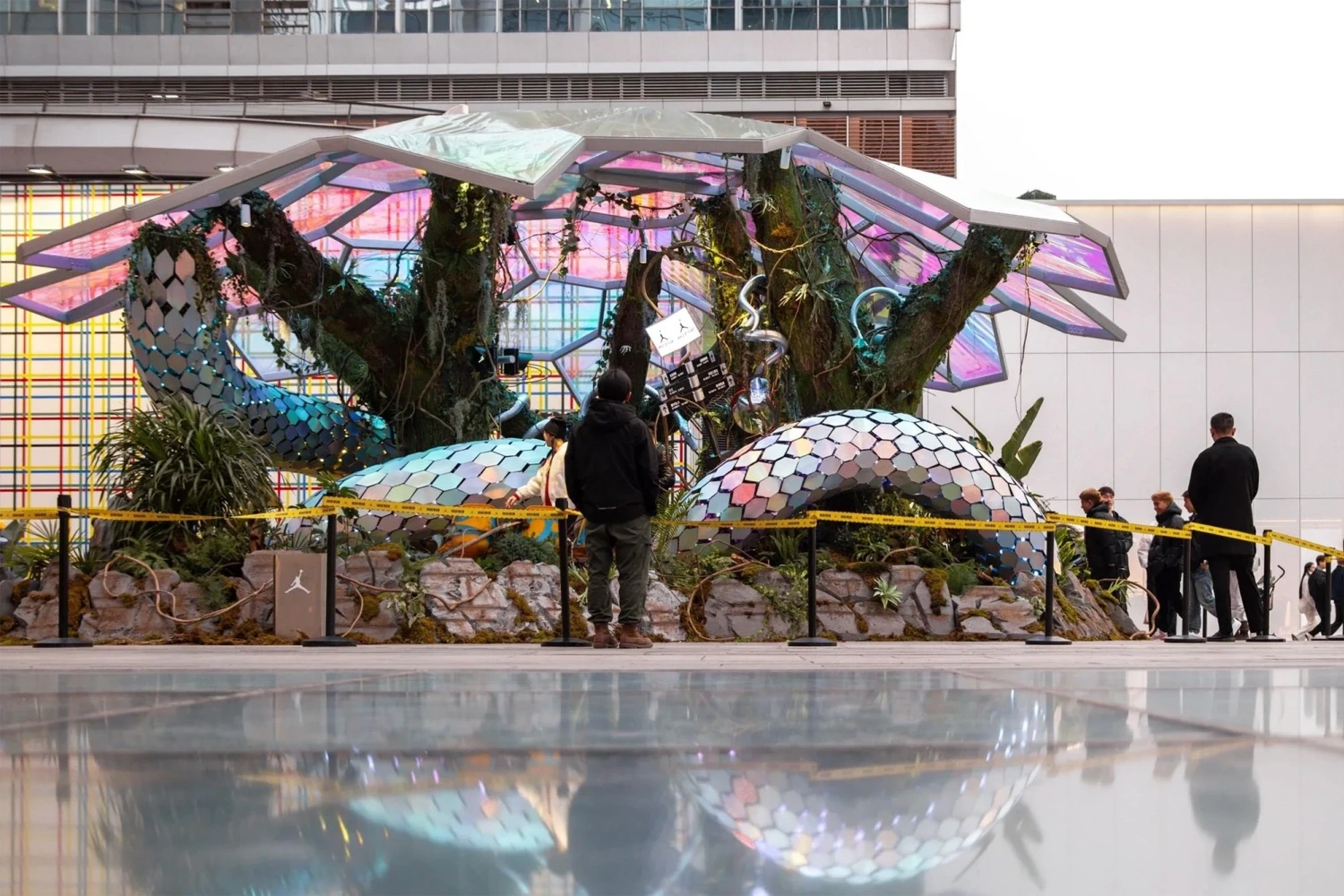
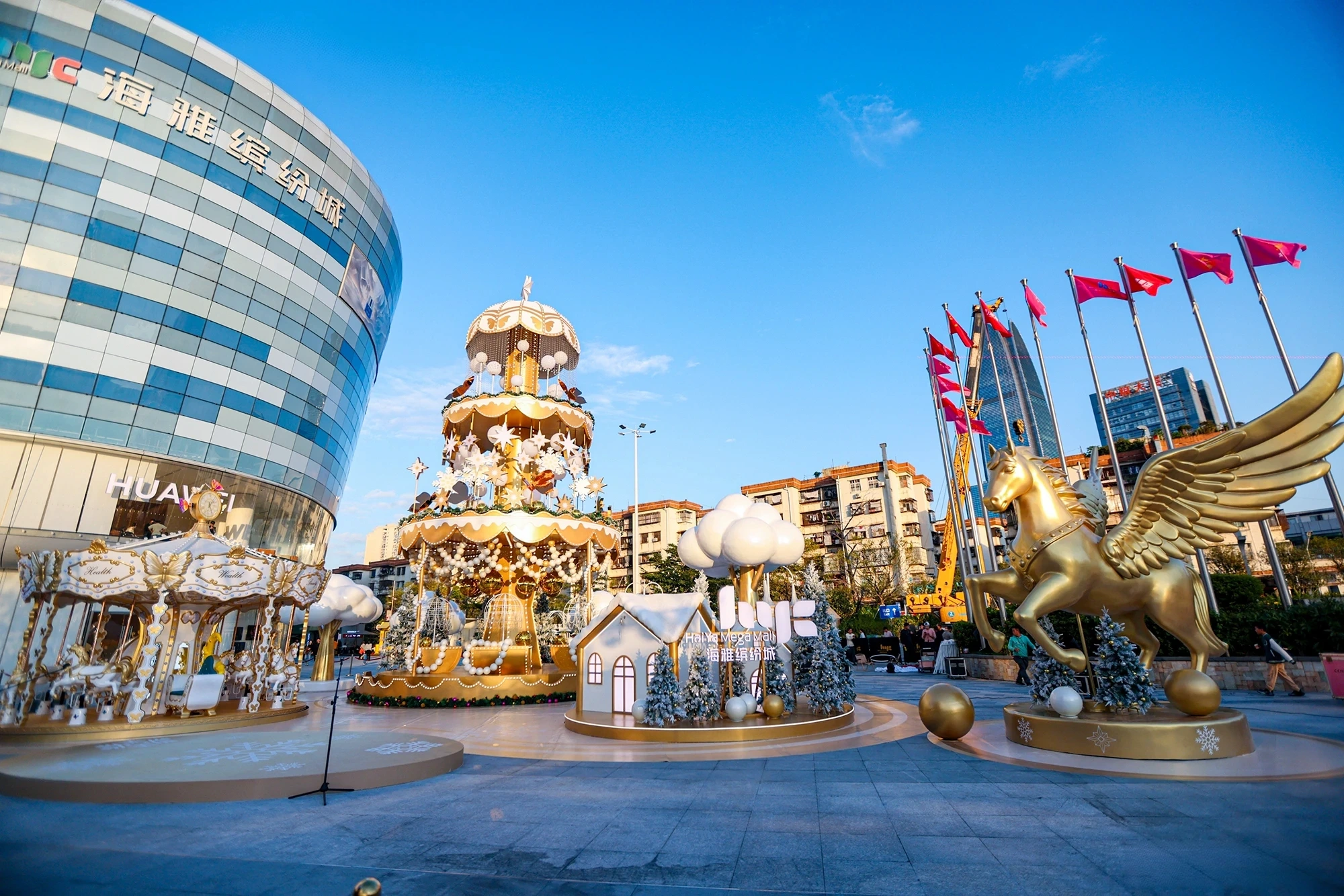
In 2026, commercial installation design has moved well beyond its legacy role as a secondary attraction supporting anchor tenants. It now functions as a primary driver of foot traffic and dwell time. Scentre Group, for instance, has explicitly pivoted more than 40% of its commercial mix toward experience-led offerings. At Westfield Bondi Junction in Sydney, a AUD 240 million redevelopment places large-scale art installations at the core of a balanced ecosystem comprising dining, entertainment, and social gathering zones.The prevailing architectural approach has shifted decisively from static sculptural objects to what industry practitioners now term “multi-sensory fields”—environments that integrate dynamic lighting, acoustic design, and physical interactivity.

The consumer is no longer a passive observer but an active participant. This evolution imposes exacting demands on retail design and construction teams, requiring advanced proficiency in circulation planning, heavy-load structural engineering, and synchronized audiovisual and electrical systems.
Under the global imperative of carbon neutrality, sustainability has become an absolute non-negotiable benchmark for commercial installation development in 2026. Australian retail property leaders are aggressively operationalizing these commitments. For example, the Chadstone Place development—recognized as Australia’s first retail precinct to achieve Zero Carbon certification from the International Living Future Institute (ILFI)—exemplifies how zero-emission targets are being embedded at the asset-strategy level.This macro-level shift is driving fundamental changes in installation material selection and life-cycle management

The industry is systematically phasing out high-polluting acrylics and non-recyclable plastics in favor of metals, FSC-certified timber, and next-generation 3D-printed bio-based materials. Concurrently, energy consumption during operation is being addressed through the wholesale replacement of conventional high-wattage track lighting with integrated self-powered LED systems, ambient-light-responsive dimming controls, and low-power electronic ink displays.Construction methodologies have also undergone a transformative overhaul. To minimize on-site waste and embodied carbon, the traditional practice of custom fabrication and cutting on location has been replaced by a factory-prefabrication-plus-on-site-dry-assembly model.
Perhaps most significantly, the industry is moving decisively away from the “disposable installation” mindset. Each major installation is now required to include a verifiable “digital material passport,” enabling full disassembly without damage at the end of its exhibition cycle and facilitating seamless redeployment or reuse elsewhere—thus achieving a unified balance between commercial aesthetics and closed-loop ecological responsibility.
Technological advancement has transformed art installations from static objects into responsive, intelligence-enabled assets. Leading Australian shopping centers are now widely leveraging AI-driven data analytics to optimize retail space performance, and data interaction has become a baseline expectation for commercial installations.Through embedded entry sensors, edge-computing nodes, and computer vision systems, installations can now adapt their behavior in real time based on foot-traffic density, ambient temperature, and visitor interaction frequency.

For example, lighting intensity may intensify as crowd size grows, and kinetic mechanical elements can produce subtle physical responses calibrated to individual consumer gestures. Delivering this level of integration requires installation providers to possess not only robust structural engineering expertise but also cross-functional capabilities in IoT device integration and algorithmic software deployment.
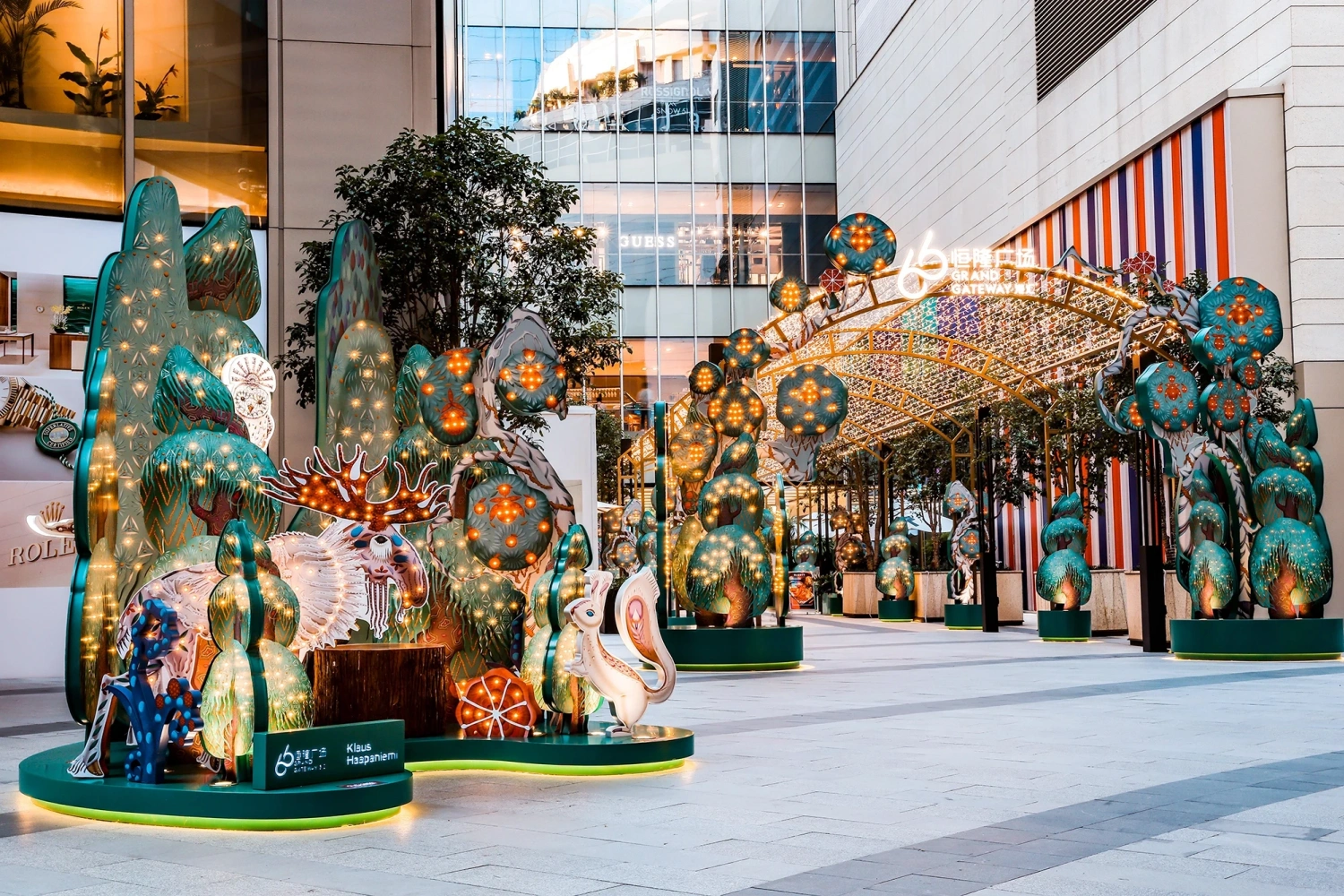
Against a backdrop of globalized aesthetic fatigue, consumers are increasingly seeking design that offers cultural authenticity and a genuine sense of belonging. Australian shopping centers have emerged as compelling case studies in this respect, distinguished by their deep engagement with local artists and Indigenous communities. The QueensPlaza development, created in partnership with Birrunga Gallery, stands as a notable example—translating Indigenous artistic traditions into contemporary commercial installation language and thereby enriching the retail environment with cultural depth.Looking ahead, successful installation design must embody a clear commitment to “placemaking.”
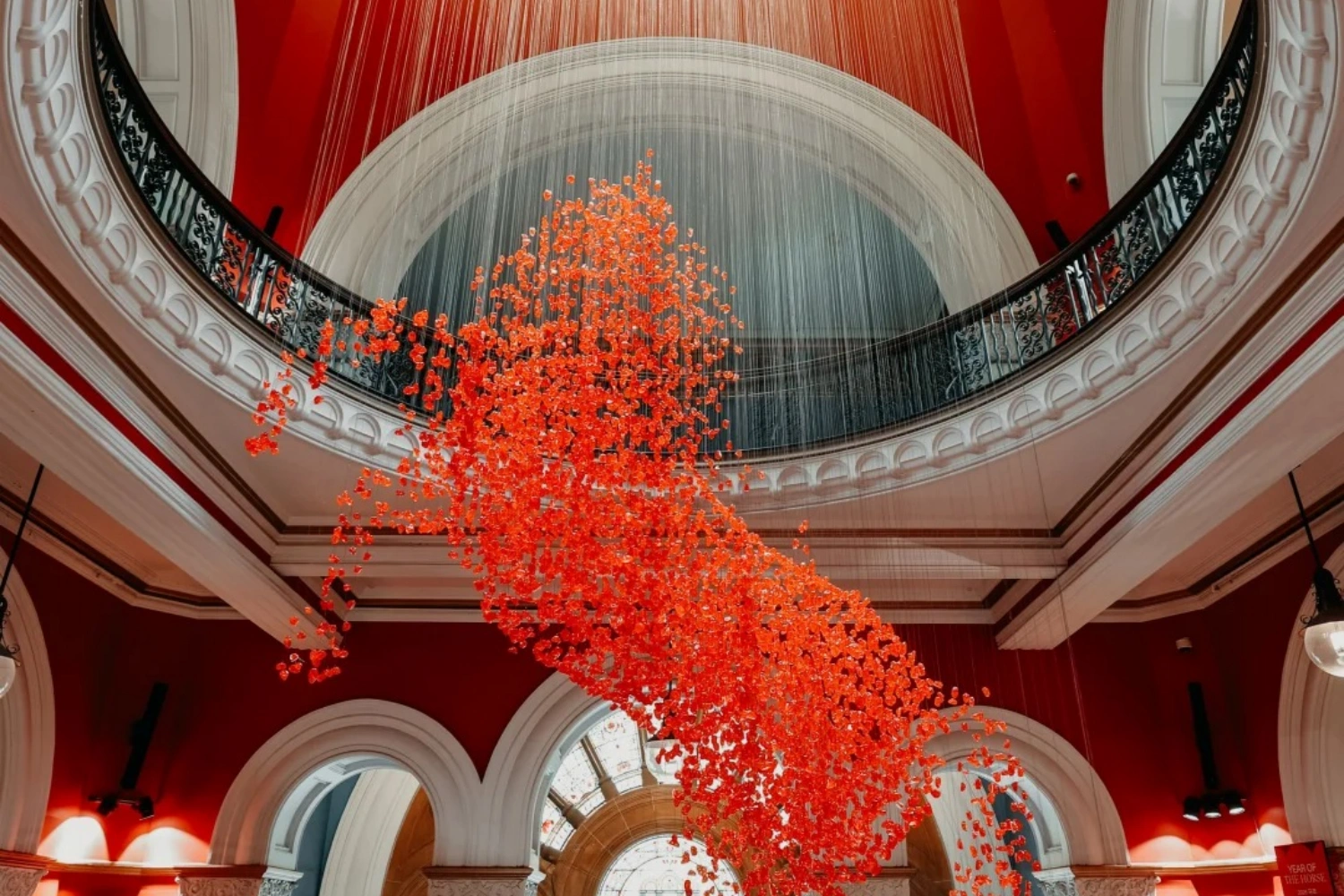
This demands that designers conduct rigorous ethnographic and site-specific research in the early conceptual phase, translating local geomorphic features, historical narratives, and intangible heritage into future-forward, technologically mediated forms. The installation thus becomes not a generic spectacle but a distinctive storyteller of urban culture.
The 2026 global commercial installation landscape represents a comprehensive convergence of aesthetics, technology, and corporate accountability. The Australian retail property experience offers a clear and instructive roadmap: the future of art and visual installation lies simultaneously in carbon-neutral execution, AI-enabled responsiveness, and authentic cultural expression.
For practitioners in commercial design, fabrication, and installation, the path forward requires moving decisively beyond purely visual thinking. Success will depend on building integrated competencies across sustainable material engineering, digital interaction systems, and spatial-curatorial strategy—a multidisciplinary foundation essential for competing—and leading—in the next era of retail experience.
1.Neighborhood Center Official Website. Site – Sustainable Design and Construction.
2.Scentre Group. Westfield Bondi Junction- Our Evolutionary Vision.
3.Vicinity Centers. Sustainability at Vicinity – Create Value by Connecting People, Place and Planet.
July 27, 2026
July 27, 2026
July 27, 2026
July 27, 2026
July 27, 2026
July 27, 2026
July 27, 2026
July 26, 2026
July 26, 2026
July 26, 2026
July 26, 2026
July 26, 2026
July 26, 2026
July 26, 2026
July 26, 2026

July 26, 2026

July 26, 2026
July 25, 2026

July 25, 2026

July 25, 2026