July 23, 2026 Ixmore Art
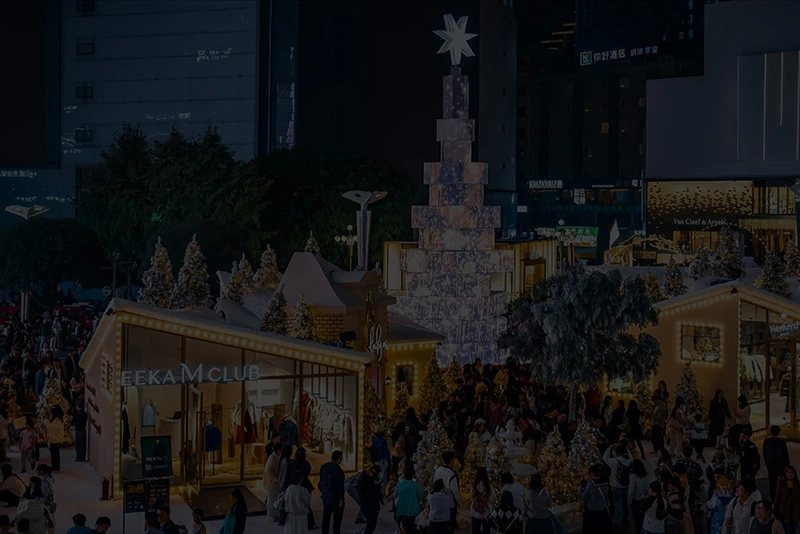
At a time when physical retail environments worldwide are struggling with the challenge of “same streets, same experiences,” Thailand’s commercial districts continue to capture global attention through distinctive spatial experiences. From dynamic art installations in major shopping destinations to immersive mechanical landmarks in creative neighborhoods, Thailand has moved beyond the traditional concept of static visual merchandising.
The key to this transformation lies in the innovative design and fabrication of large-scale interactive installations that turn public spaces into vibrant ecosystems filled with engagement, emotional connection, and cultural identity.
In the past, large-scale installations in commercial districts often focused primarily on one-way visual impact—creating something impressive to look at but offering limited opportunities for participation. Today, Thailand’s approach to interactive installations is centered around human interaction, experiential design, and emotional engagement.
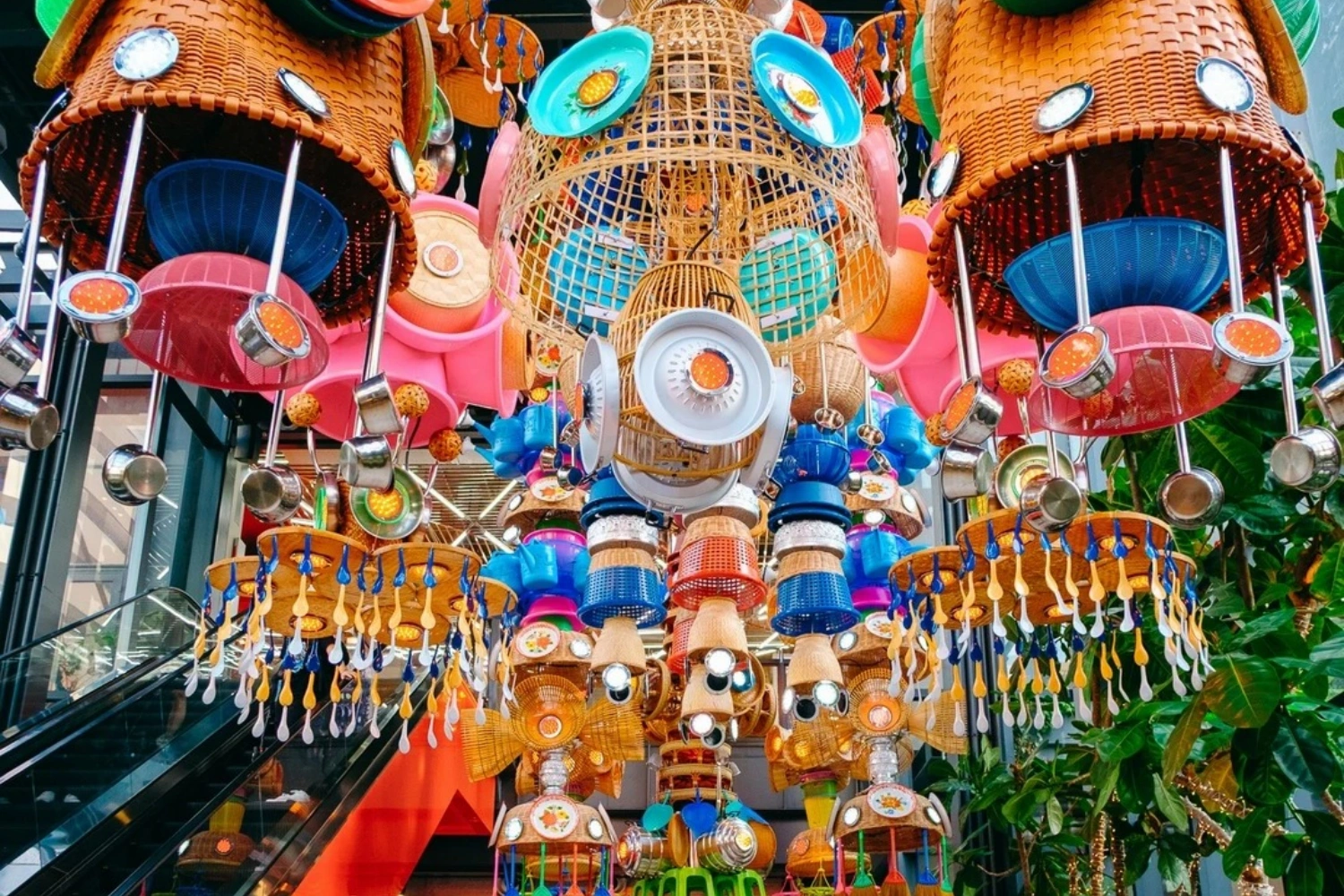
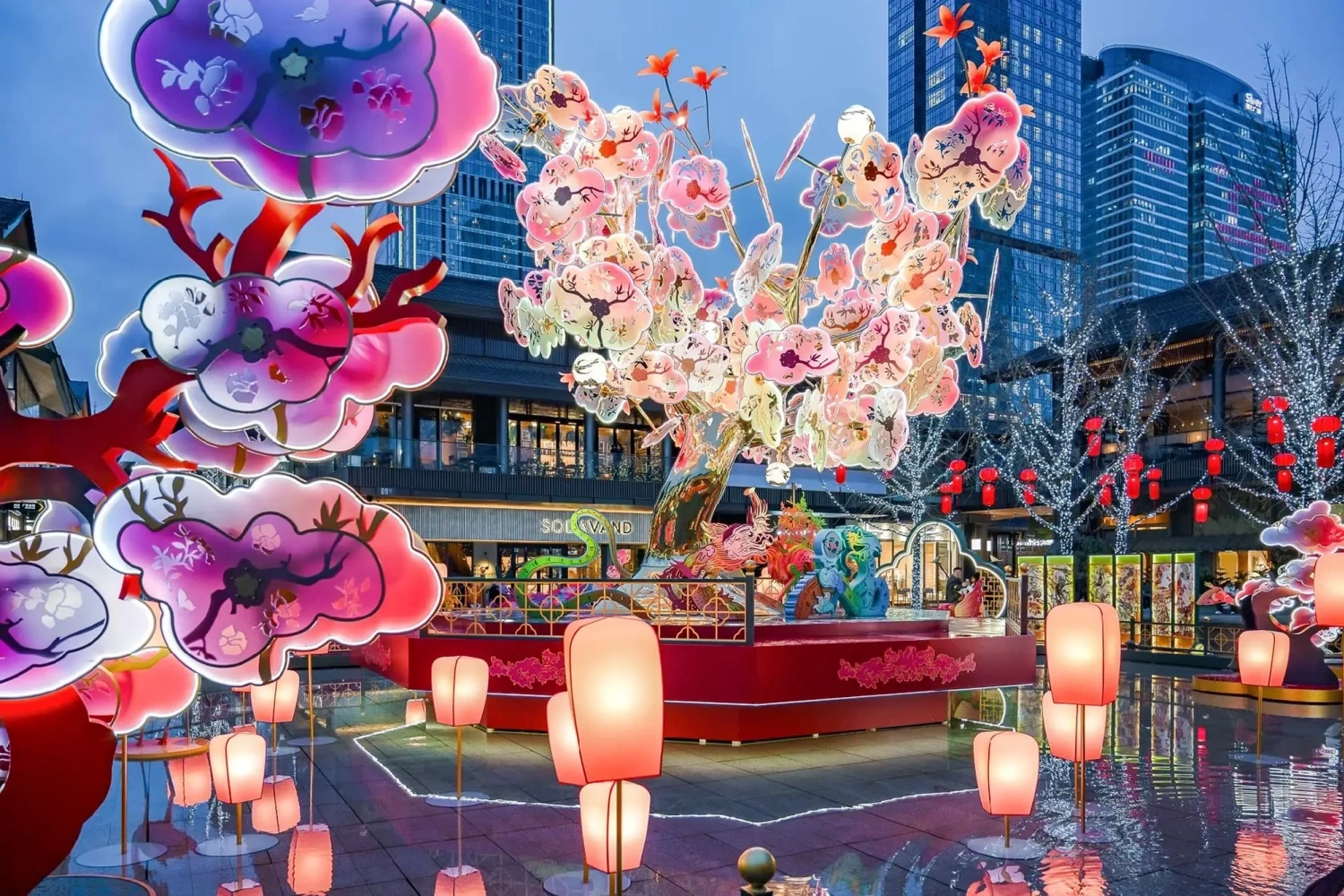
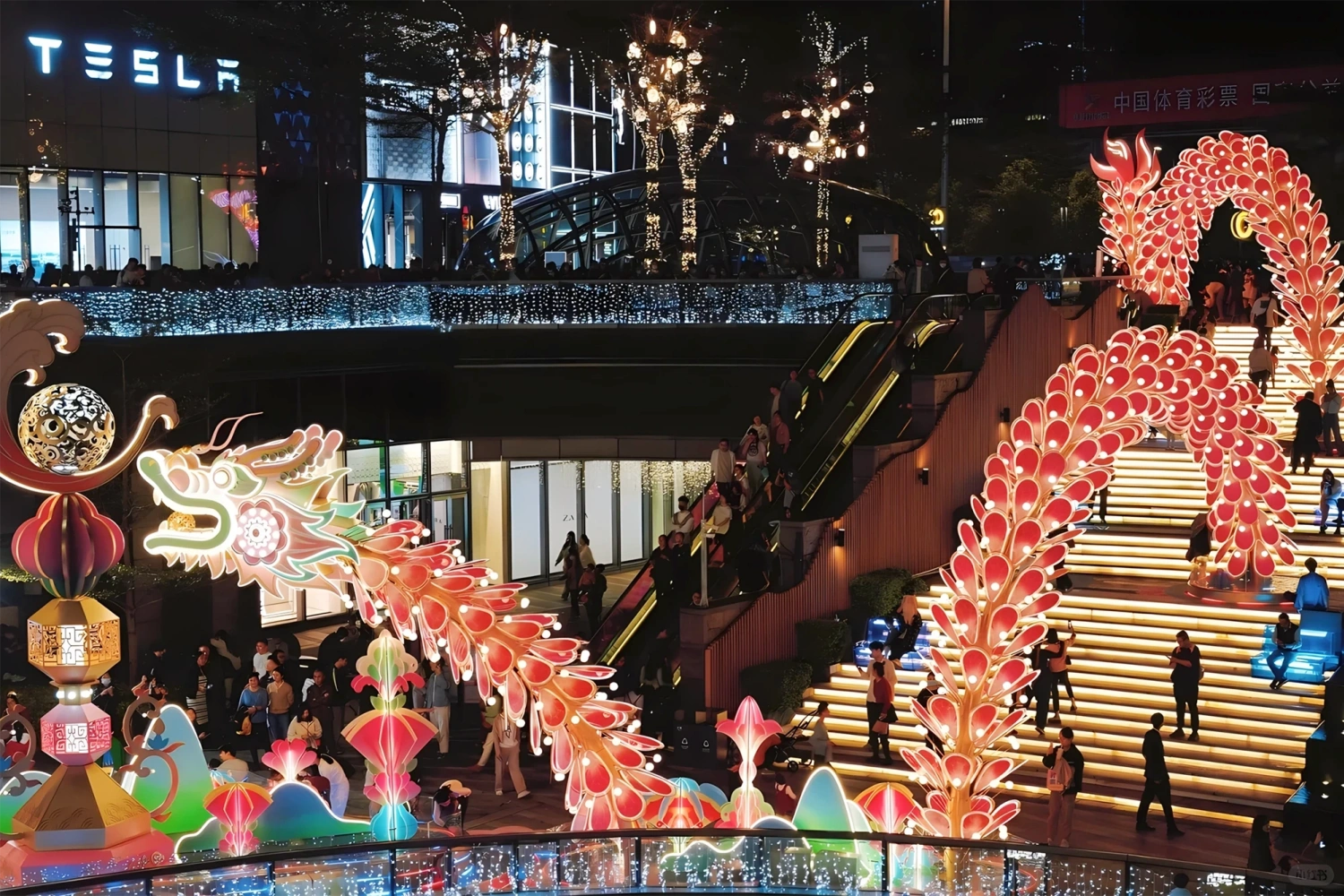
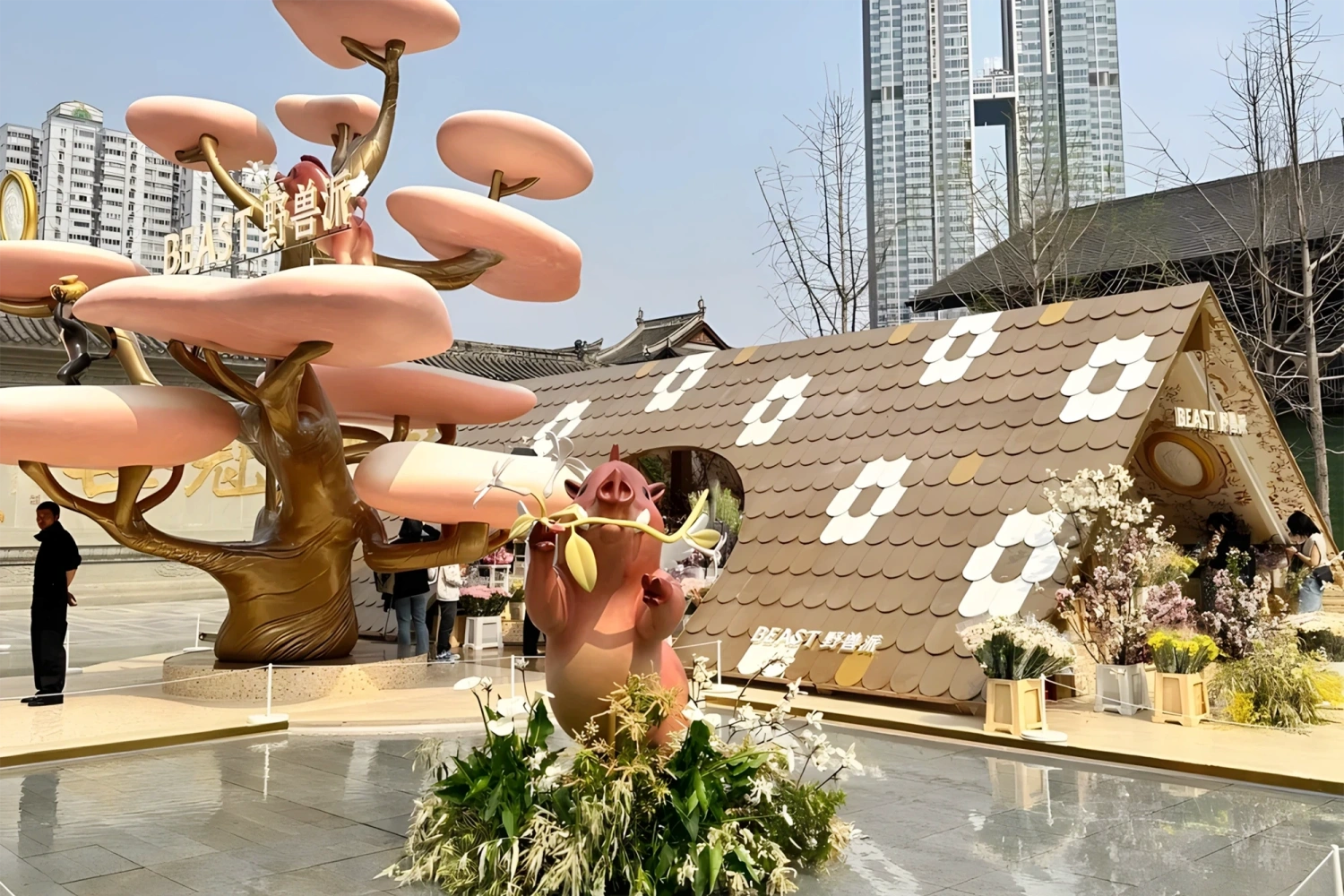
Modern spatial design theories suggest that immersive commercial environments are not simply physical settings; they are comprehensive experiences that influence consumers through sensory stimulation, emotional responses, and psychological connection.In Thailand, designers are increasingly combining local cultural elements with cutting-edge interactive concepts. Installations are no longer treated as static sculptures; instead, they are designed as “living environments” capable of responding to human presence.
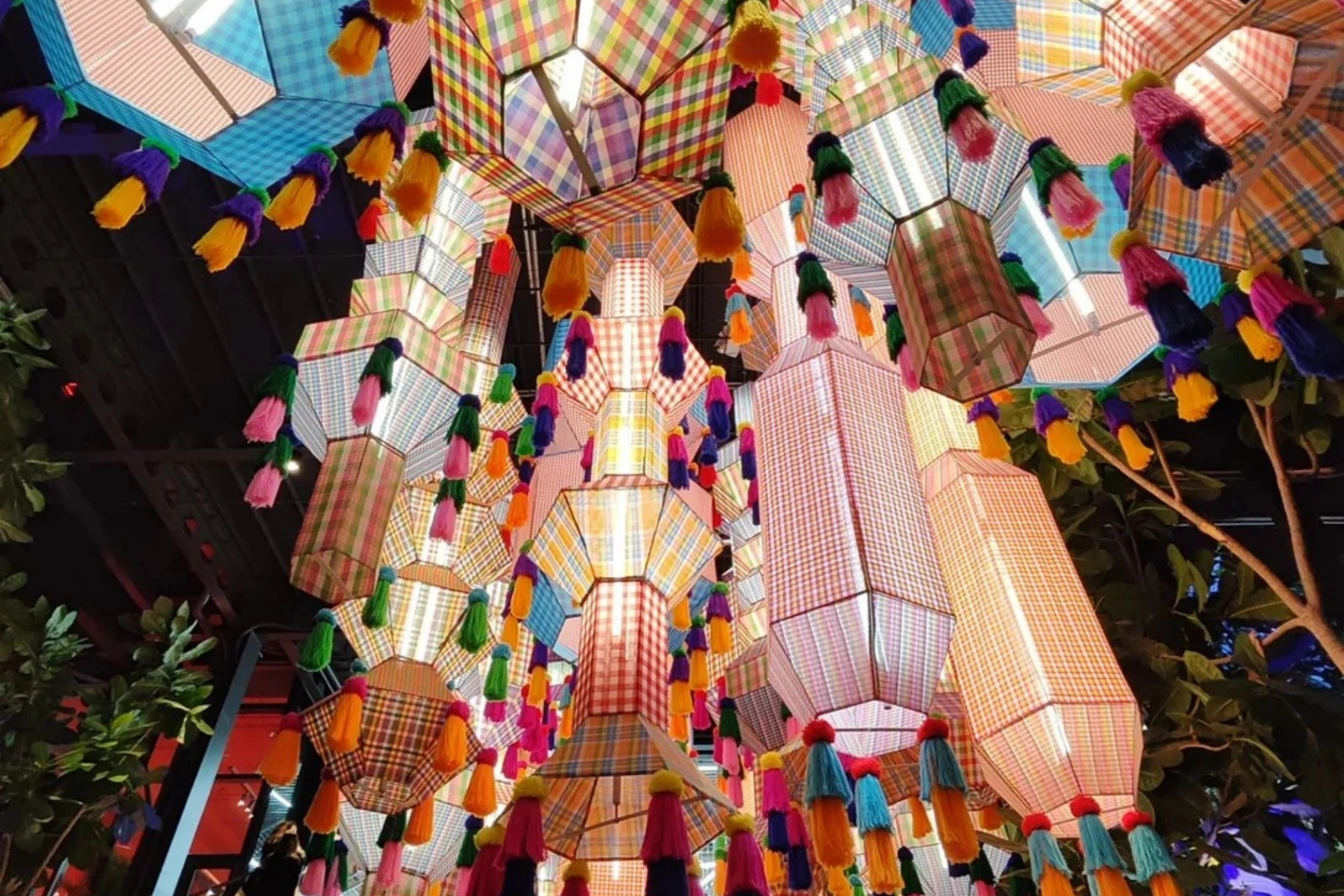
For example, large-scale installations featuring colorful Southeast Asian-inspired woven lantern structures suspended throughout shopping centers not only enhance vertical spatial aesthetics but also create a strong sense of cultural identity and place. Through this human-centered interaction, visitors transition from passive observers into active participants, significantly increasing dwell time and strengthening their emotional connection with the space.
Even the most innovative concept requires sophisticated fabrication techniques to become a successful physical experience. The production of large-scale interactive installations involves a highly complex combination of structural engineering, material innovation, mechanical systems, and precision manufacturing.
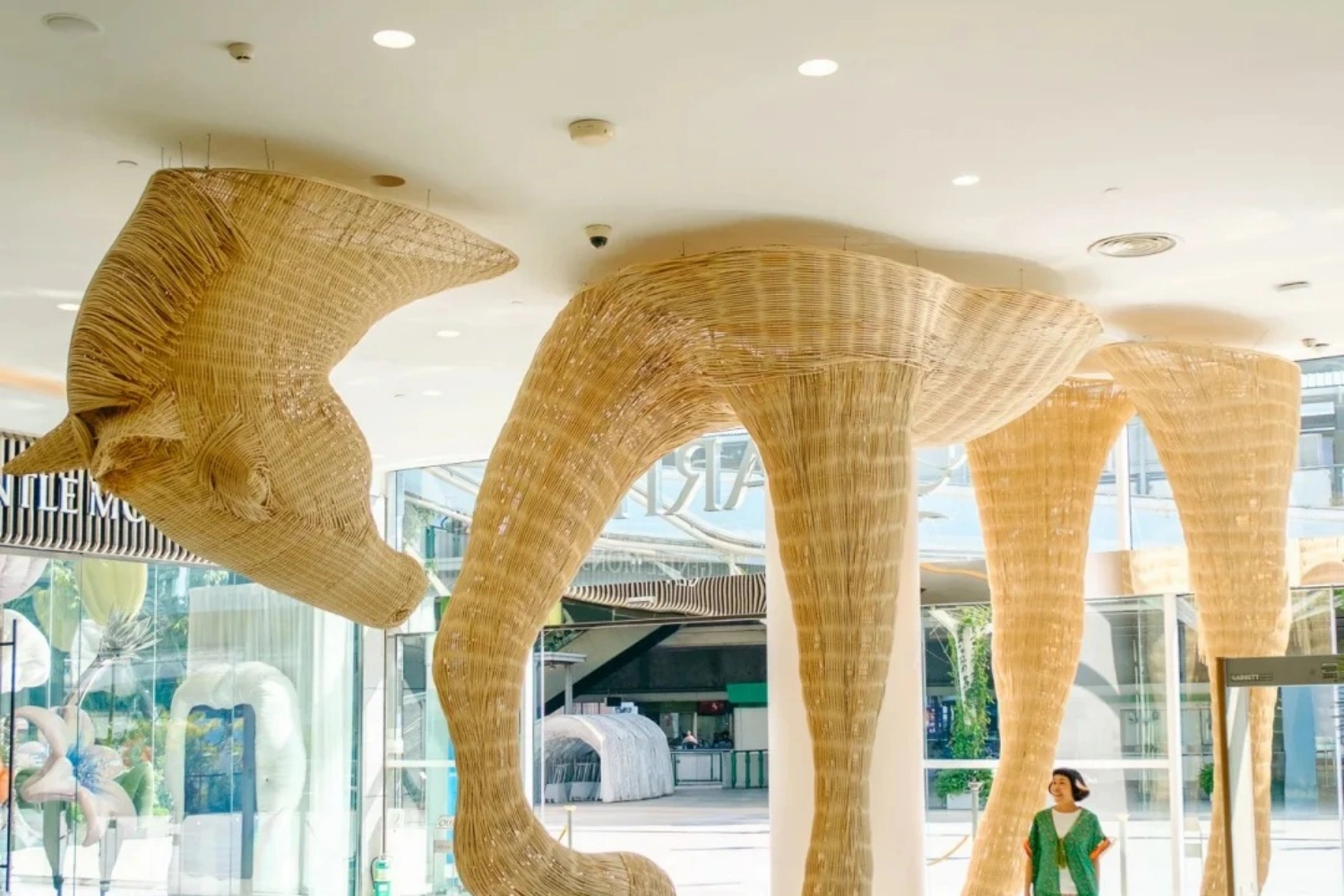
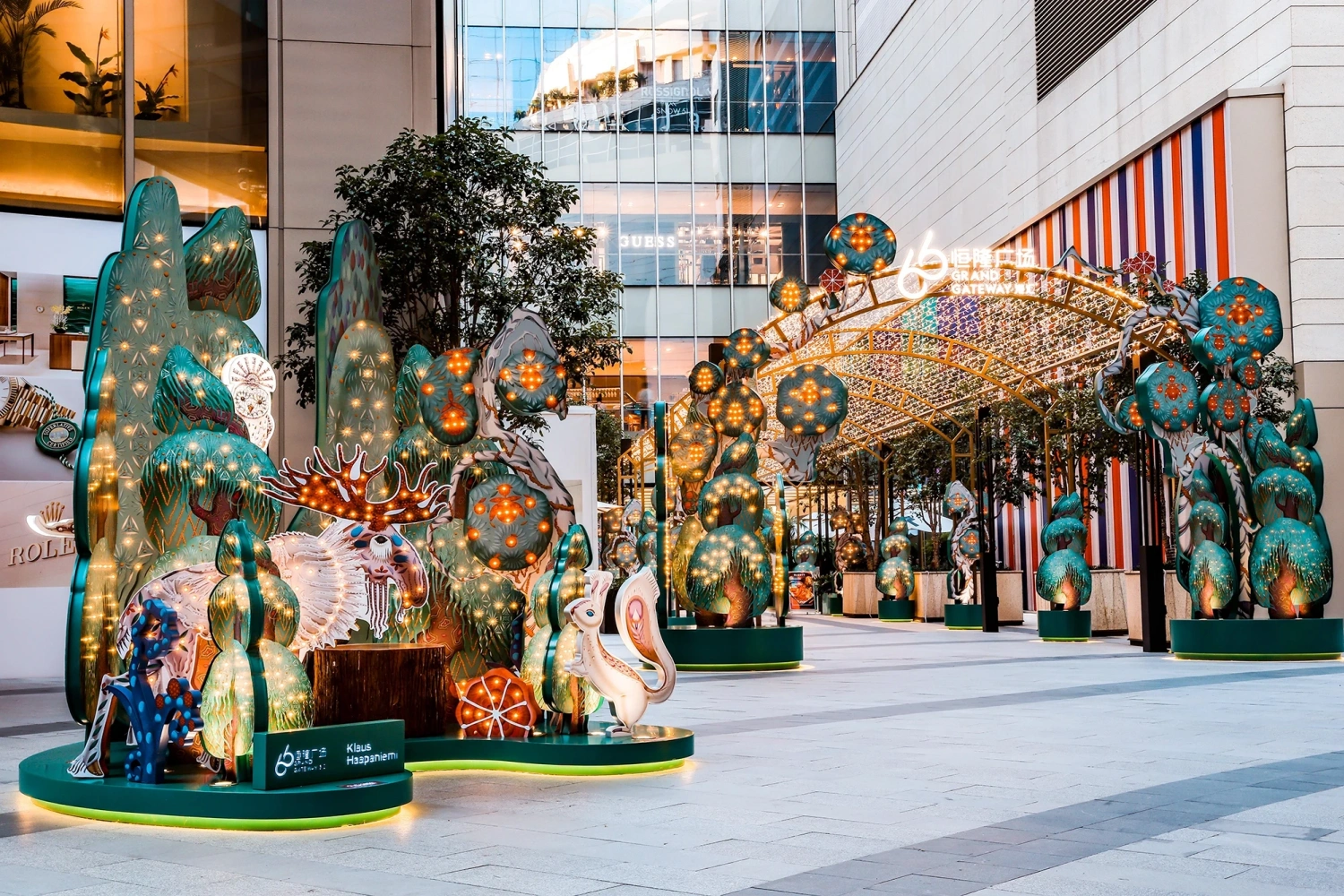
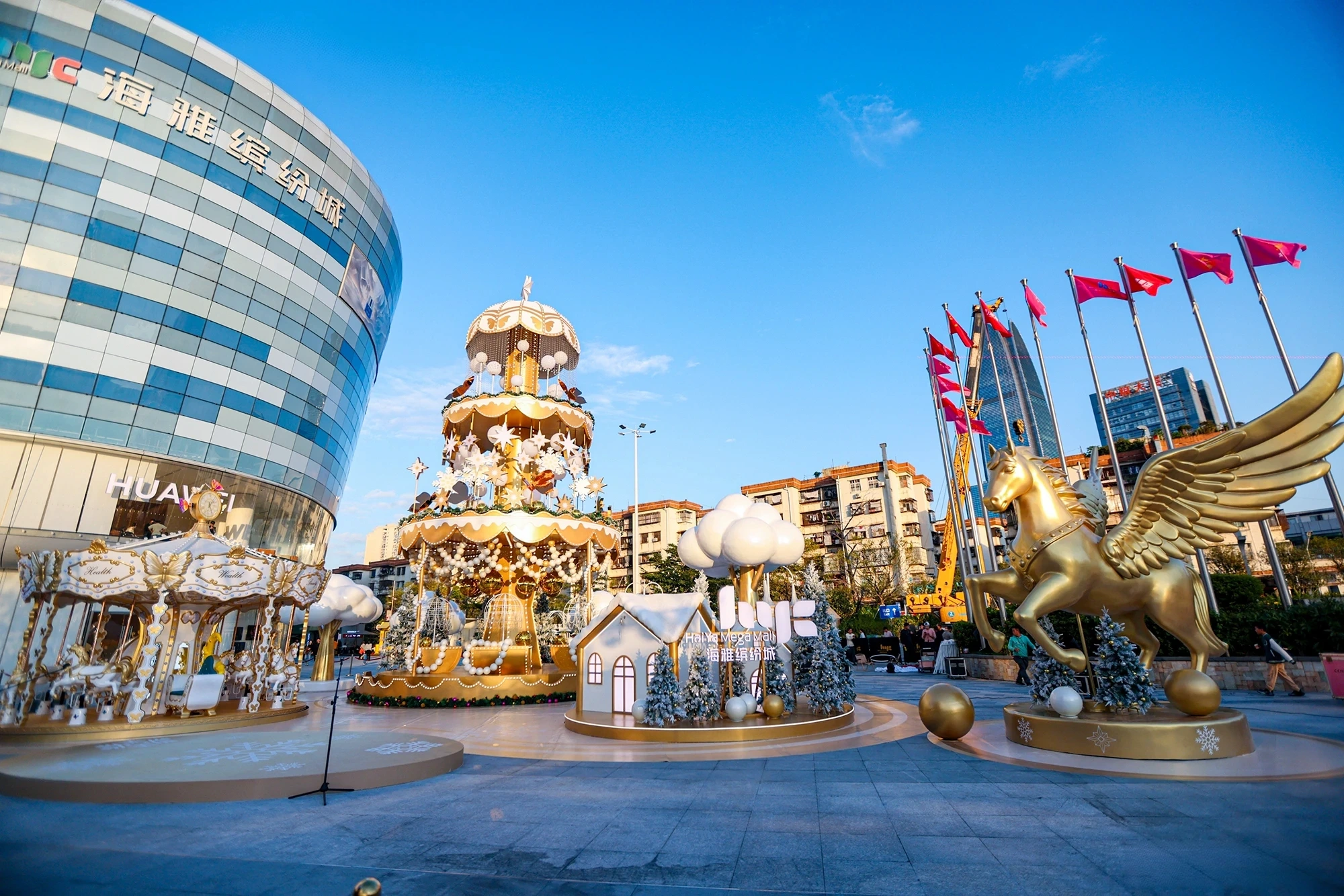
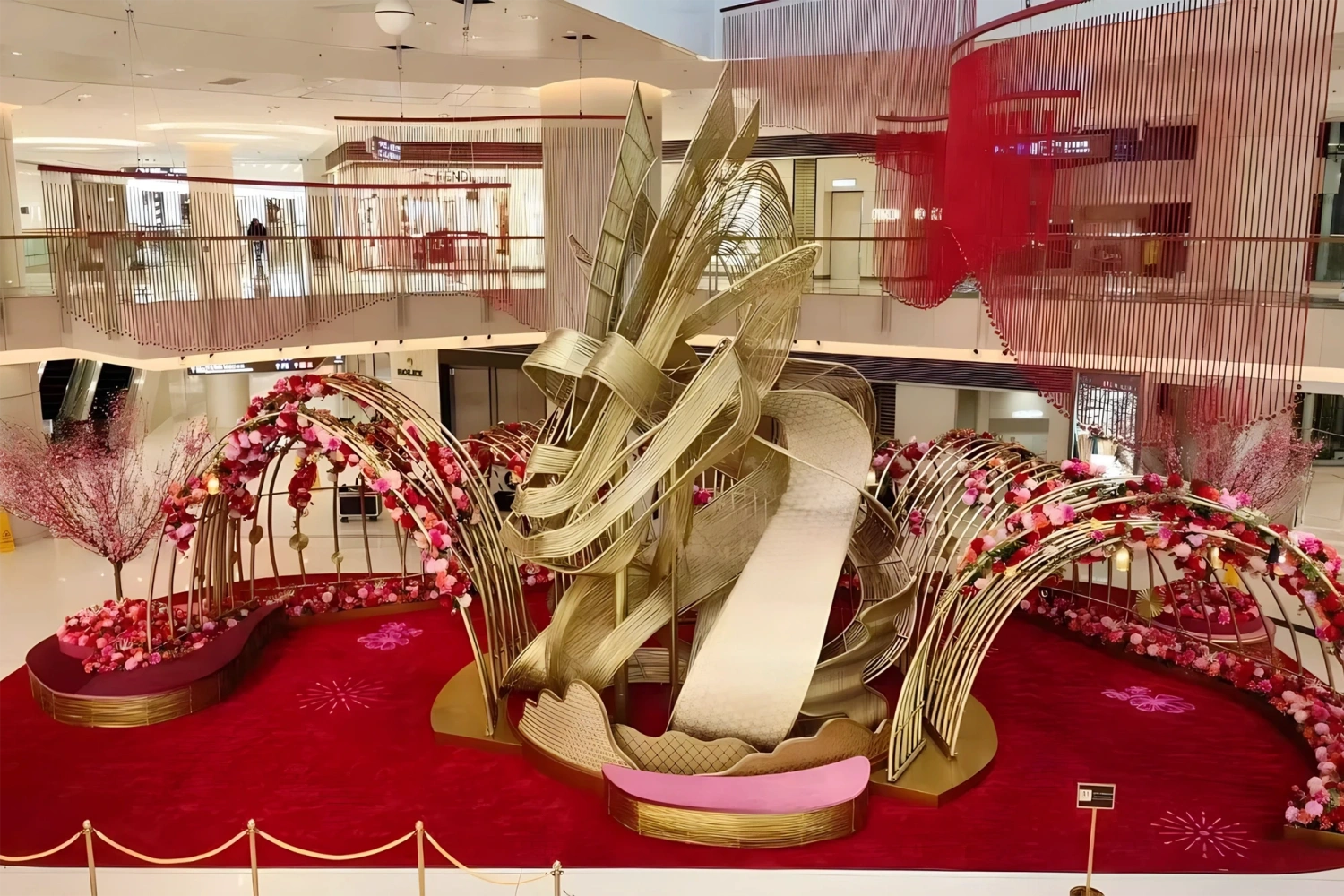
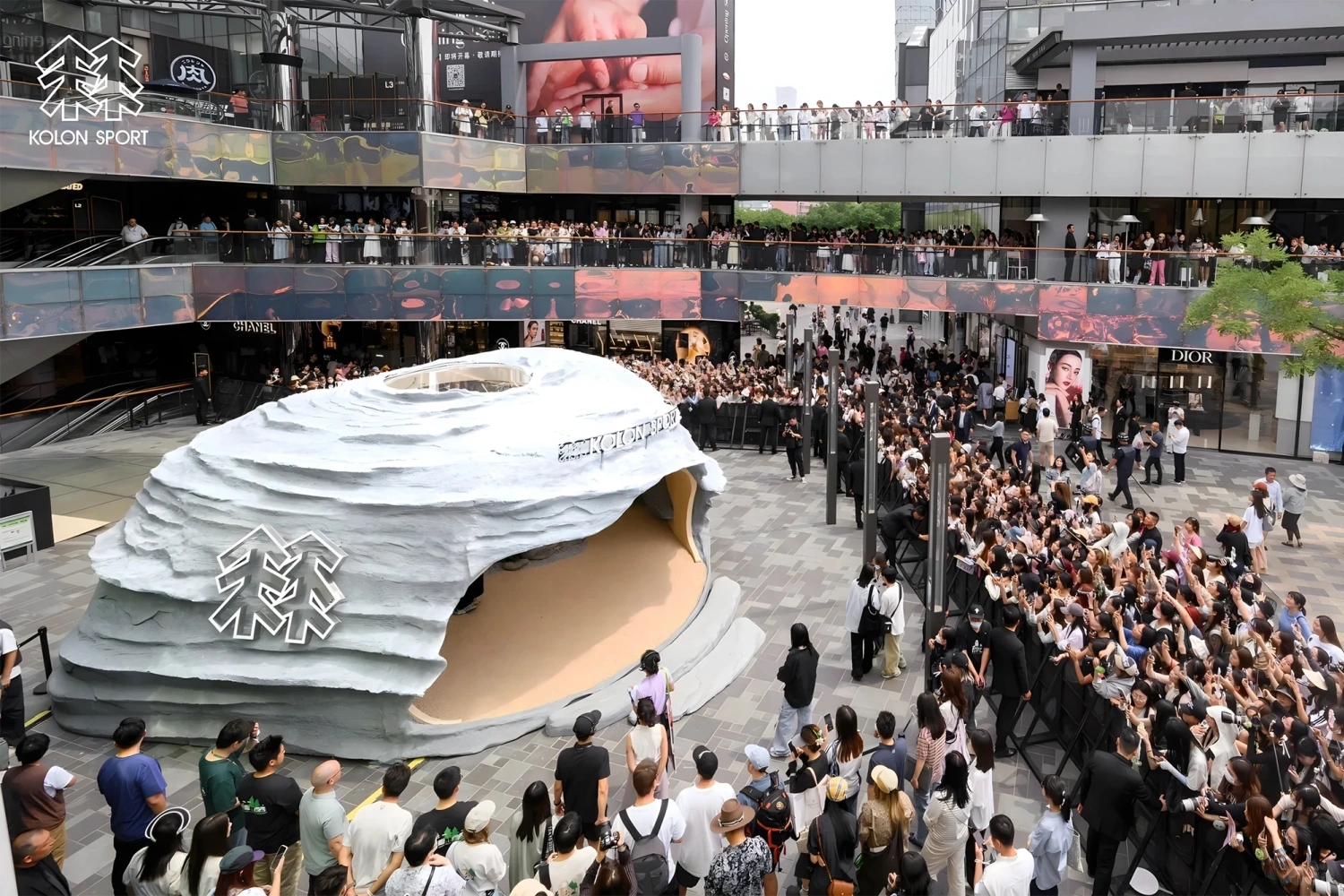
To withstand Thailand’s tropical climate and seasonal weather conditions, outdoor installations often incorporate customized corrosion-resistant metals, weatherproof structures, and durable surface treatments. At the same time, designers are integrating traditional craftsmanship, such as rattan weaving and bamboo techniques, into contemporary structures.This approach has resulted in unique installations such as large outdoor woven domes featuring reflective surfaces, as well as indoor biomorphic woven sculptures with dramatic visual impact. These designs successfully balance lightweight structural performance, durability, and local cultural aesthetics.
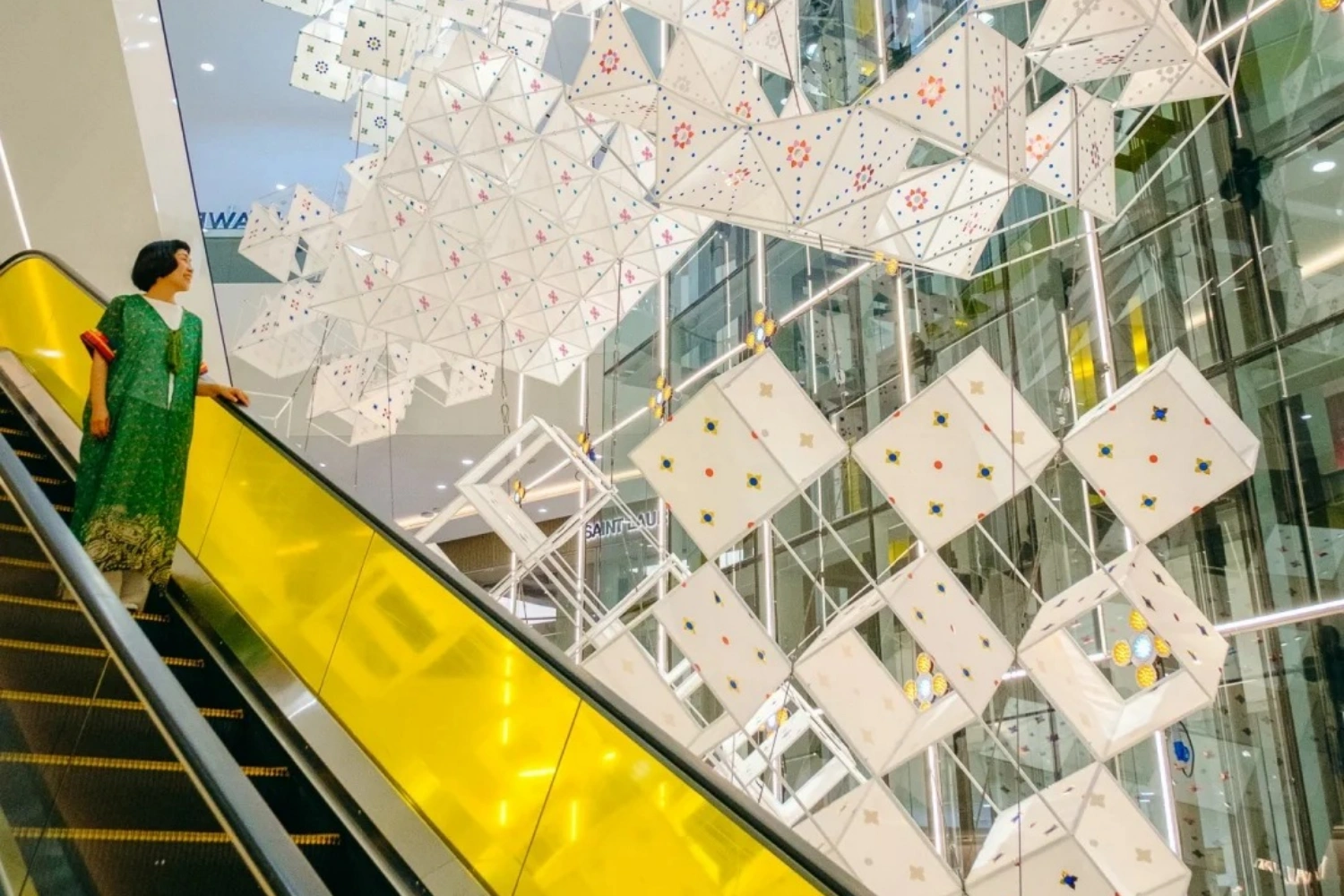
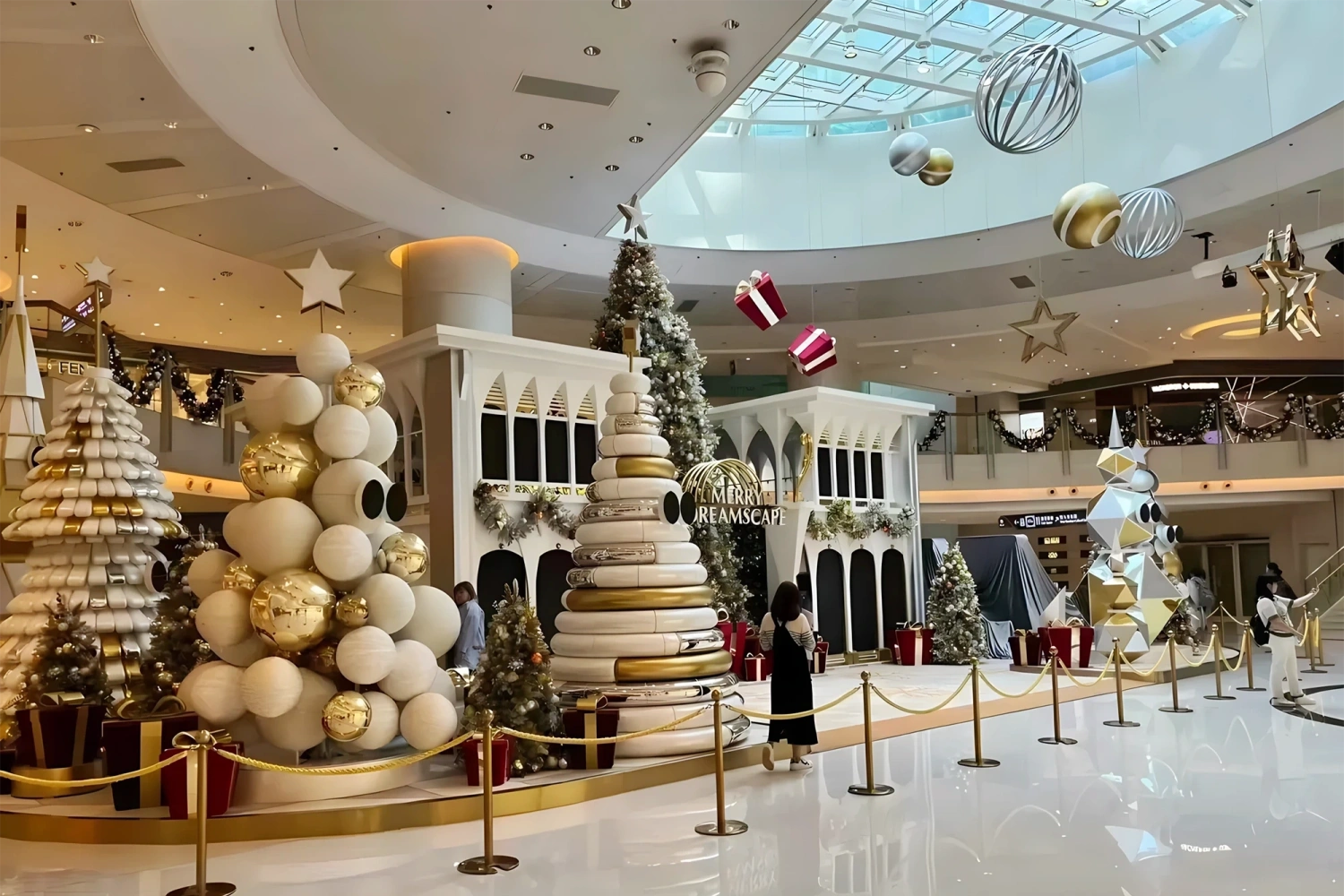
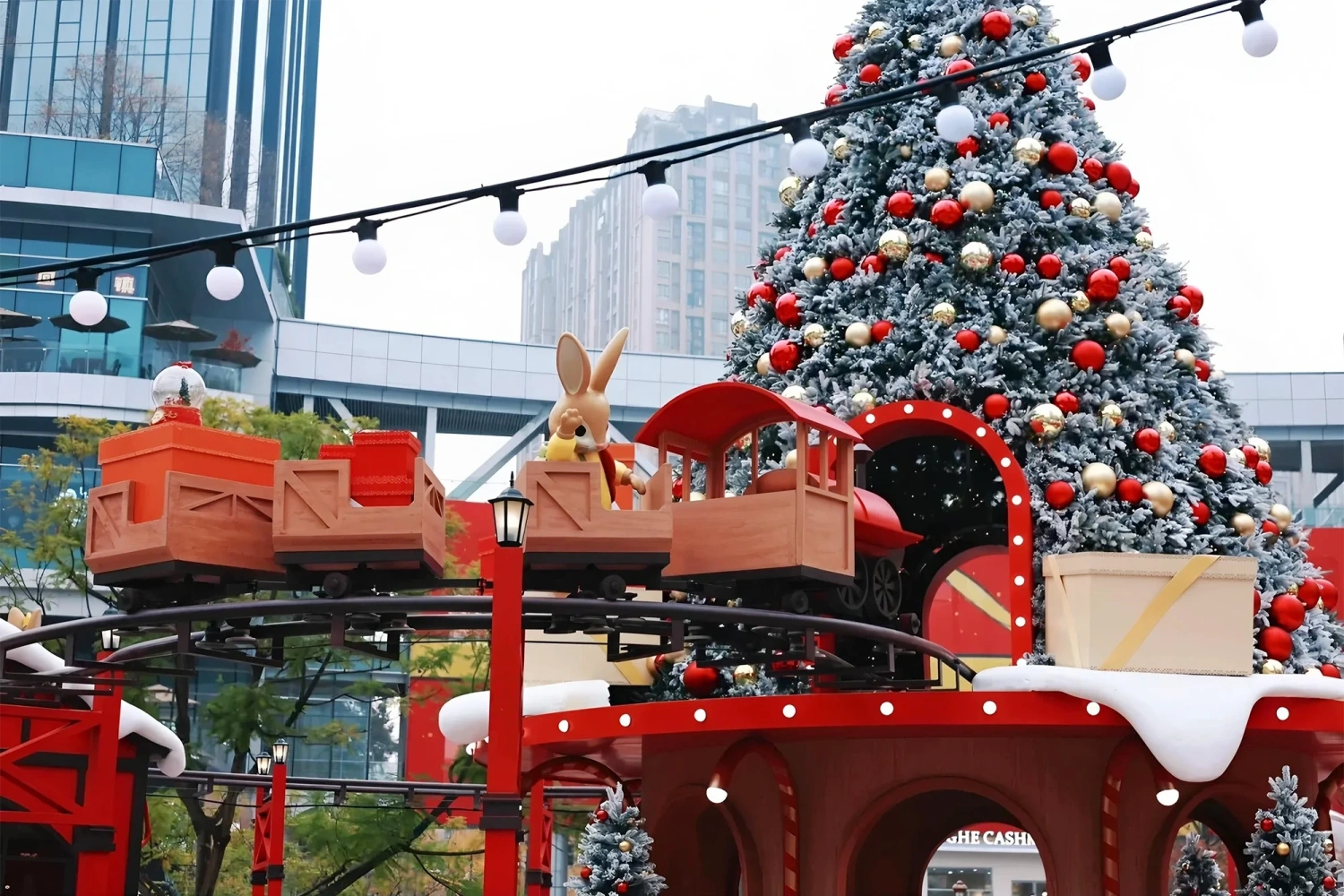
Beyond the use of premium materials, many Thai installations also explore creative material transformation. Everyday objects—such as metal containers, colorful plastic baskets, and common hardware components—are reimagined through modular assembly, suspension techniques, and integrated lighting systems.The result is a series of visually striking floating mechanical structures that combine affordability, creativity, and a distinctive contemporary aesthetic, often producing a playful industrial or “urban punk” atmosphere.
When innovative design concepts are combined with advanced fabrication capabilities, large-scale interactive installations become powerful catalysts for transforming commercial districts. They redefine the boundaries of traditional retail environments by introducing multi-dimensional sensory experiences.
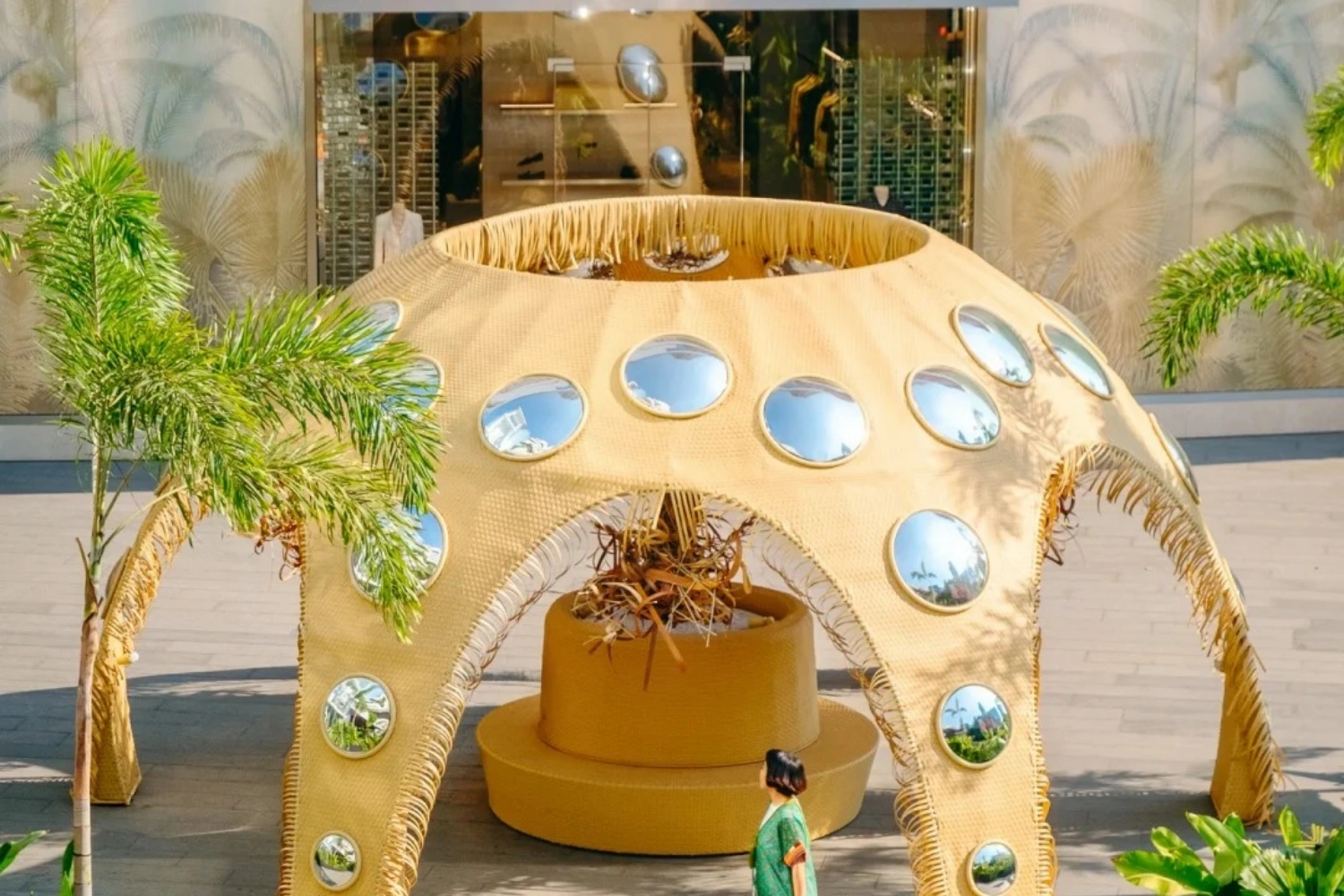
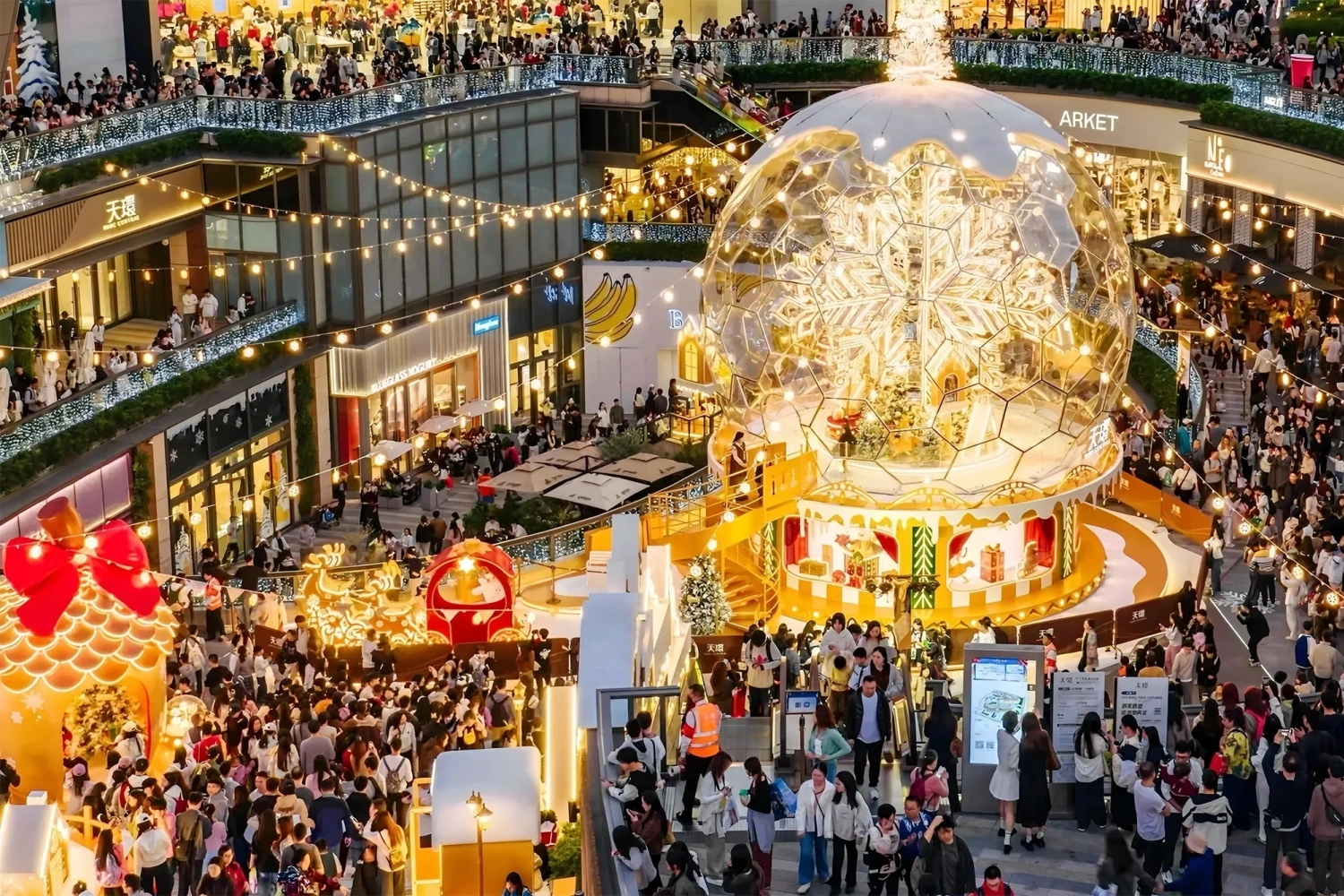
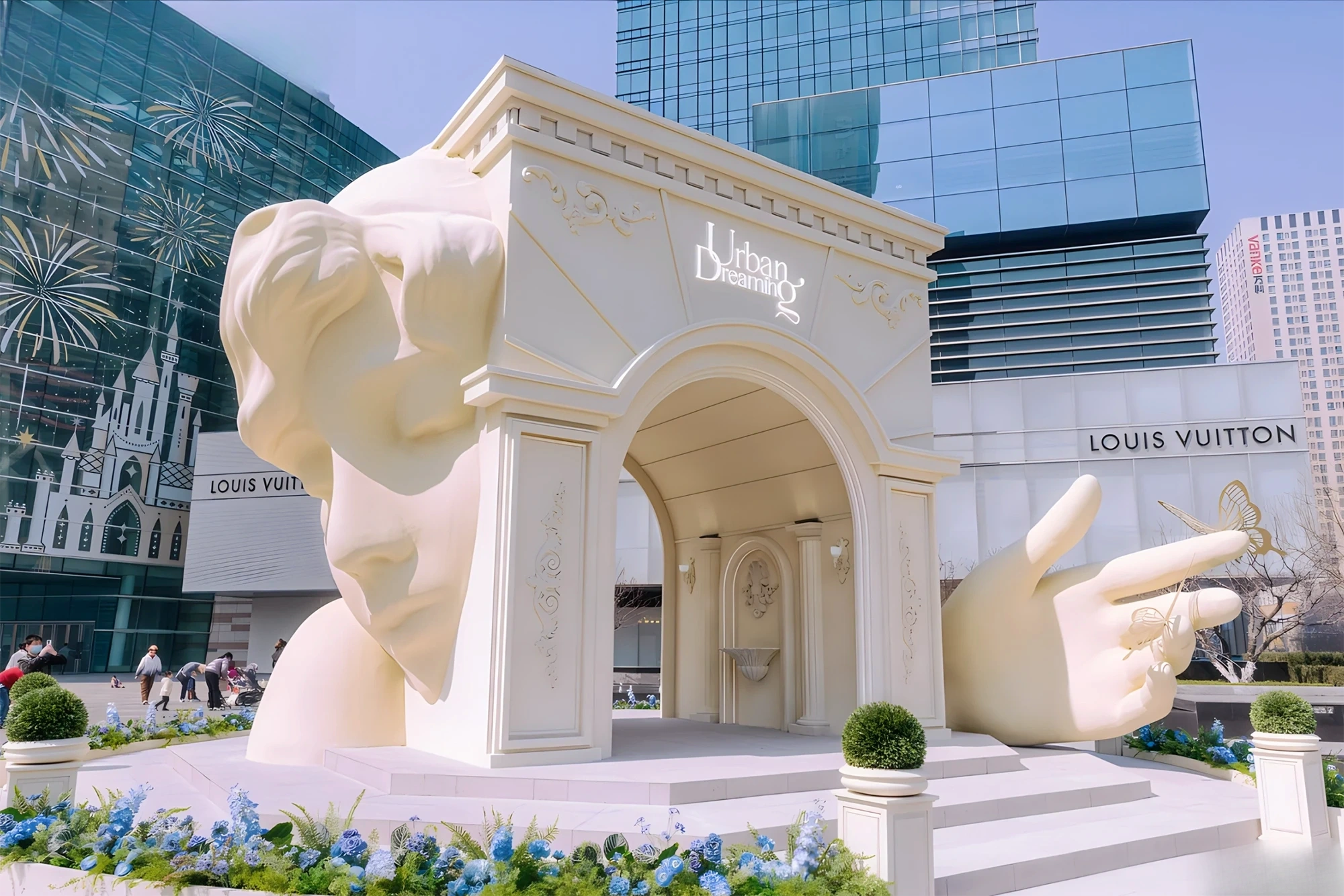
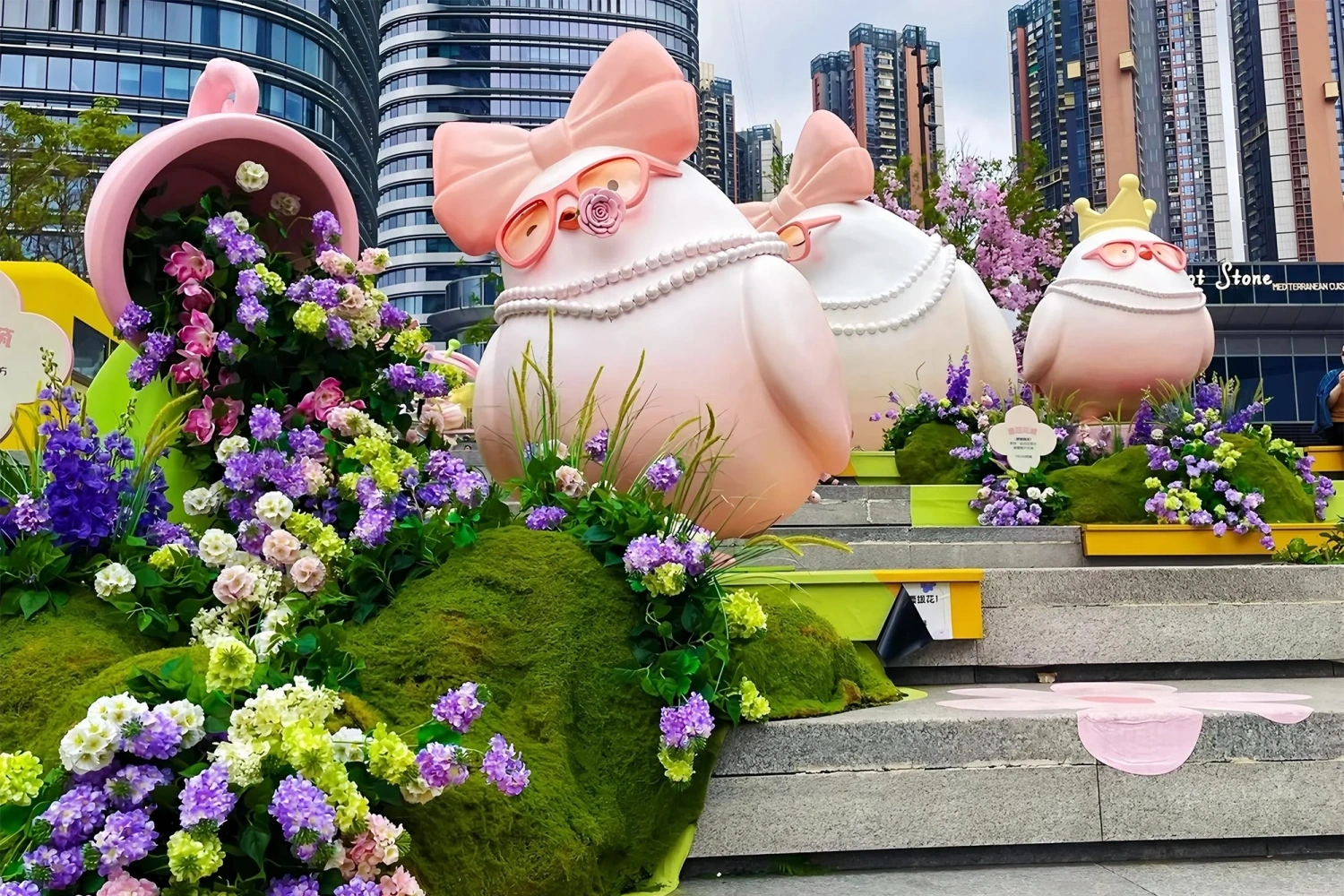
Research in experiential marketing has shown that environments combining visual, auditory, tactile, and emotional elements can significantly strengthen consumer memory and improve spatial recognition. In Thailand’s urban districts, interactive installations have evolved beyond simple landmarks—they have become powerful user-generated content (UGC) engines.Visitors are naturally encouraged to photograph, record, and share their experiences on social media platforms. This organic participation creates secondary digital exposure, turning physical installations into highly effective marketing assets.
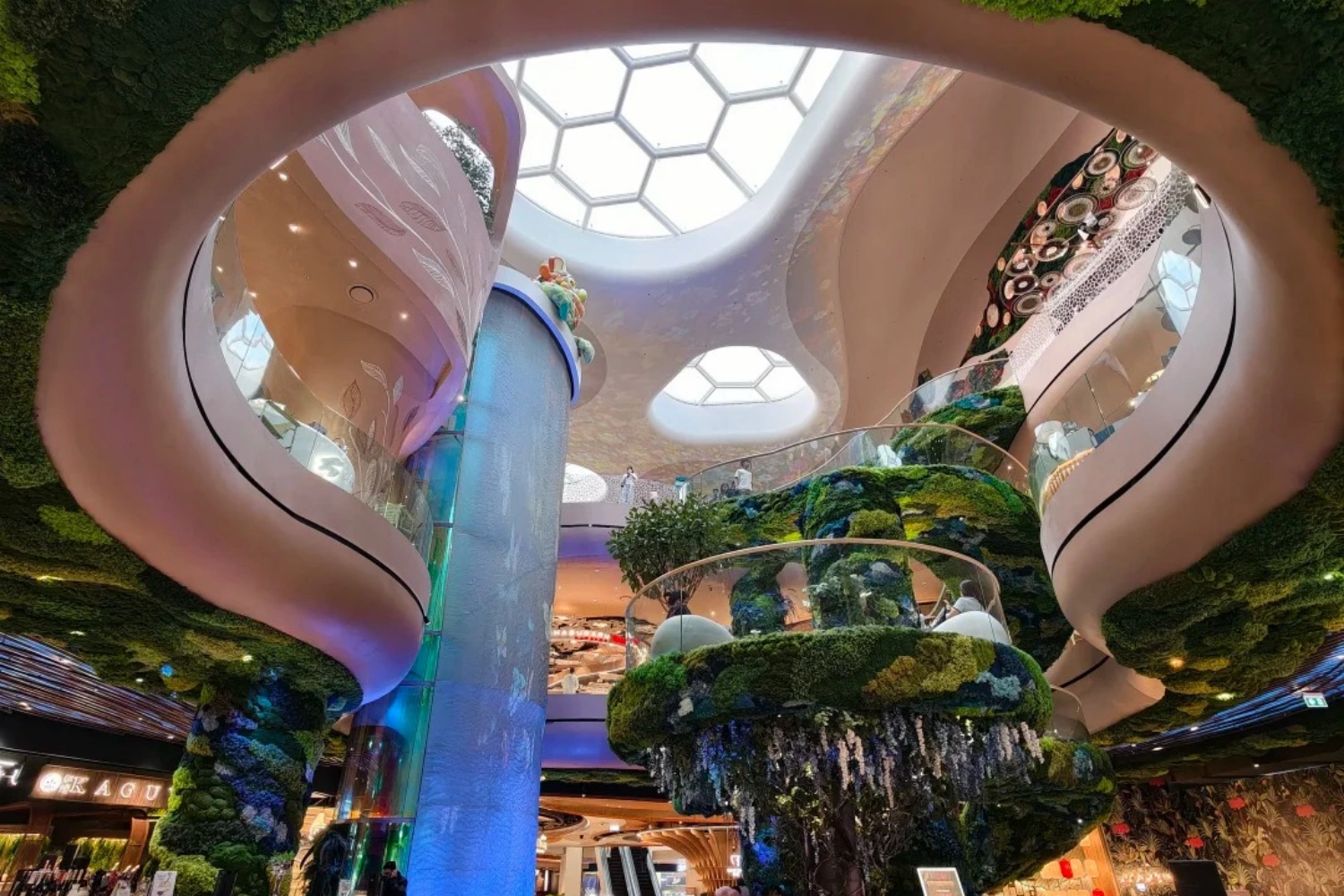
This approach has fundamentally changed the traditional commercial attraction model. Consumers are no longer visiting districts solely for transactional shopping; they are seeking memorable experiences, social interactions, and immersive environments.The increased foot traffic generated by these installations naturally benefits surrounding businesses, including restaurants, retailers, entertainment venues, and lifestyle brands—demonstrating how public art can be successfully transformed into measurable commercial value.
Thailand’s commercial districts demonstrate that large-scale interactive installations have evolved far beyond traditional decorative displays or temporary visual merchandising. They represent the integration of spatial storytelling, precision fabrication, smart interactive technology, and consumer psychology.
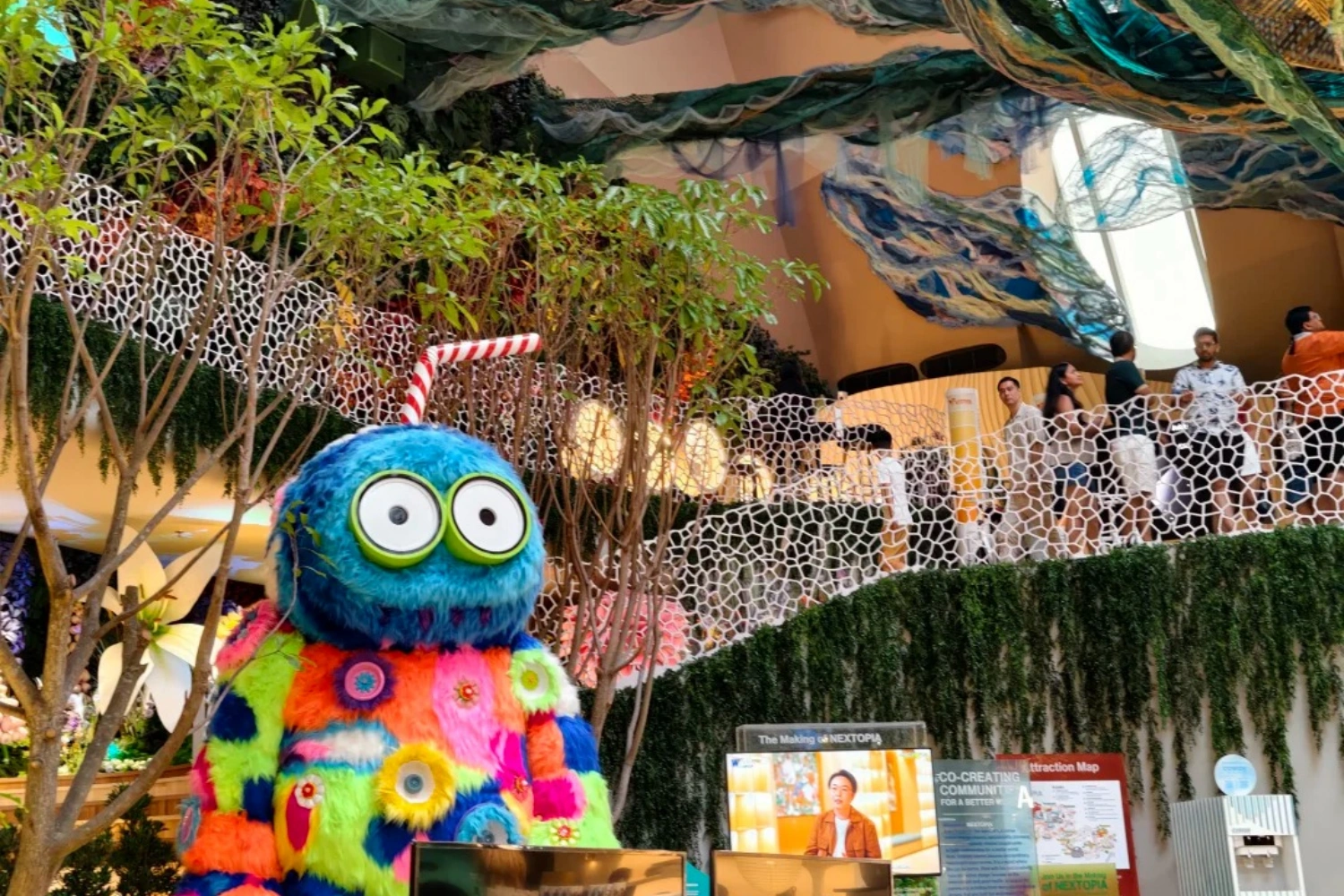
As audiences become increasingly selective and experience-driven, commercial spaces must move beyond repetitive design solutions and invest in deeper interaction strategies and higher-quality production processes.The future of successful public spaces will belong to those that can transform environments into meaningful experiences—creating destinations that not only attract visitors but also build lasting emotional connections and sustainable commercial ecosystems.
1.Hans Publishers. Application of Immersive Experiences in Commercial Exhibition Spaces in the Digital Age.
2.Hans Publishers. Research on Installation Art in Urban Commercial Spaces under the Concept of Interactive Experience.
3.Hans Publishers. Commercial exhibition space design based on multi-sensory interaction.
July 27, 2026
July 27, 2026
July 27, 2026
July 27, 2026
July 27, 2026
July 27, 2026
July 27, 2026
July 26, 2026
July 26, 2026
July 26, 2026
July 26, 2026
July 26, 2026
July 26, 2026
July 26, 2026
July 26, 2026
July 26, 2026

July 26, 2026
July 25, 2026

July 25, 2026
July 25, 2026