July 23, 2026 Ixmore Art
At the intersection of global luxury retail and tourism, shopping centers in Macau are undergoing a significant transformation — evolving from traditional transaction-driven venues into immersive destinations centered around culture, experience, and emotional engagement. As competition intensifies within a mature retail market and consumer expectations for aesthetics continue to rise, conventional visual merchandising and decorative displays are no longer sufficient to support meaningful commercial renewal.
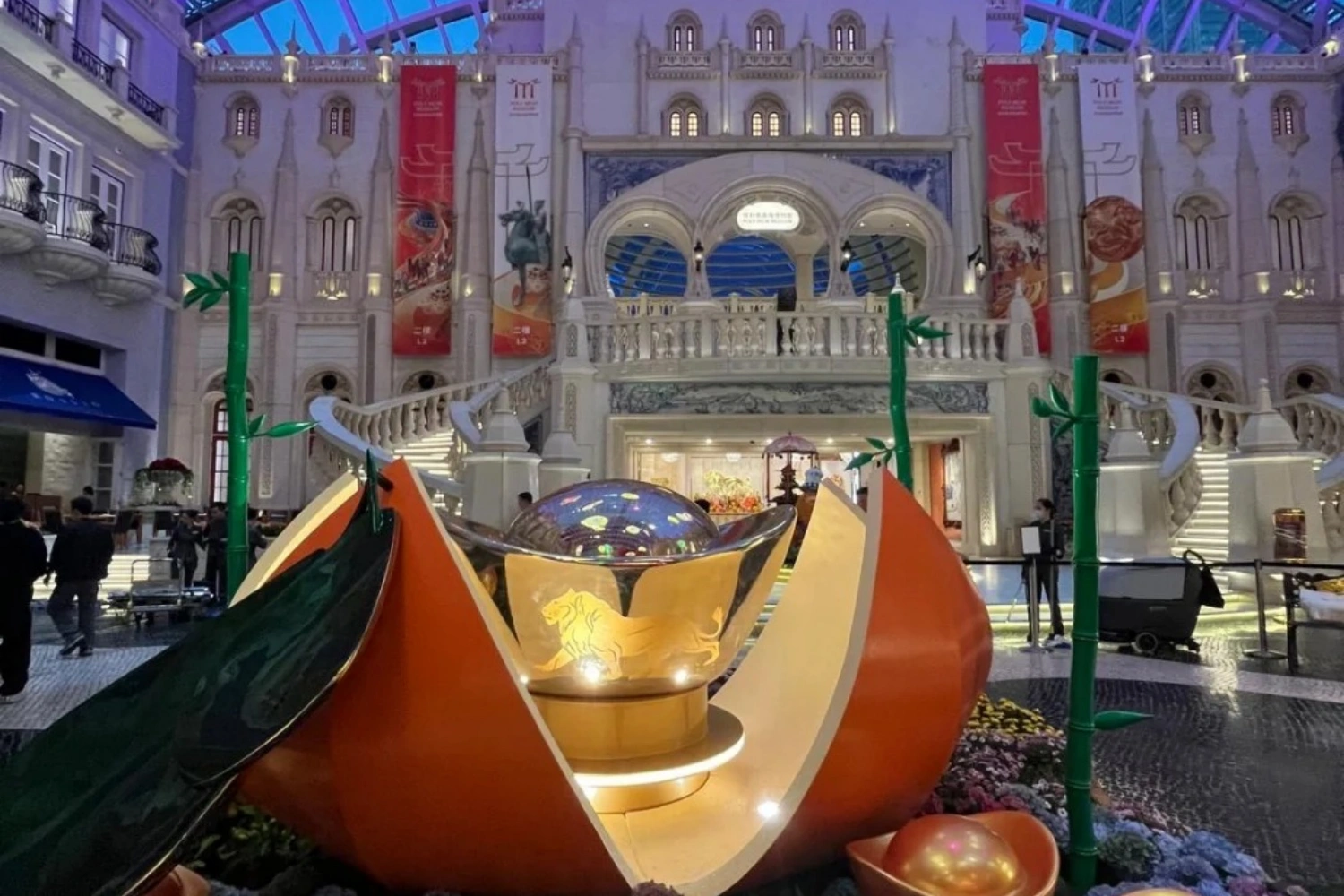
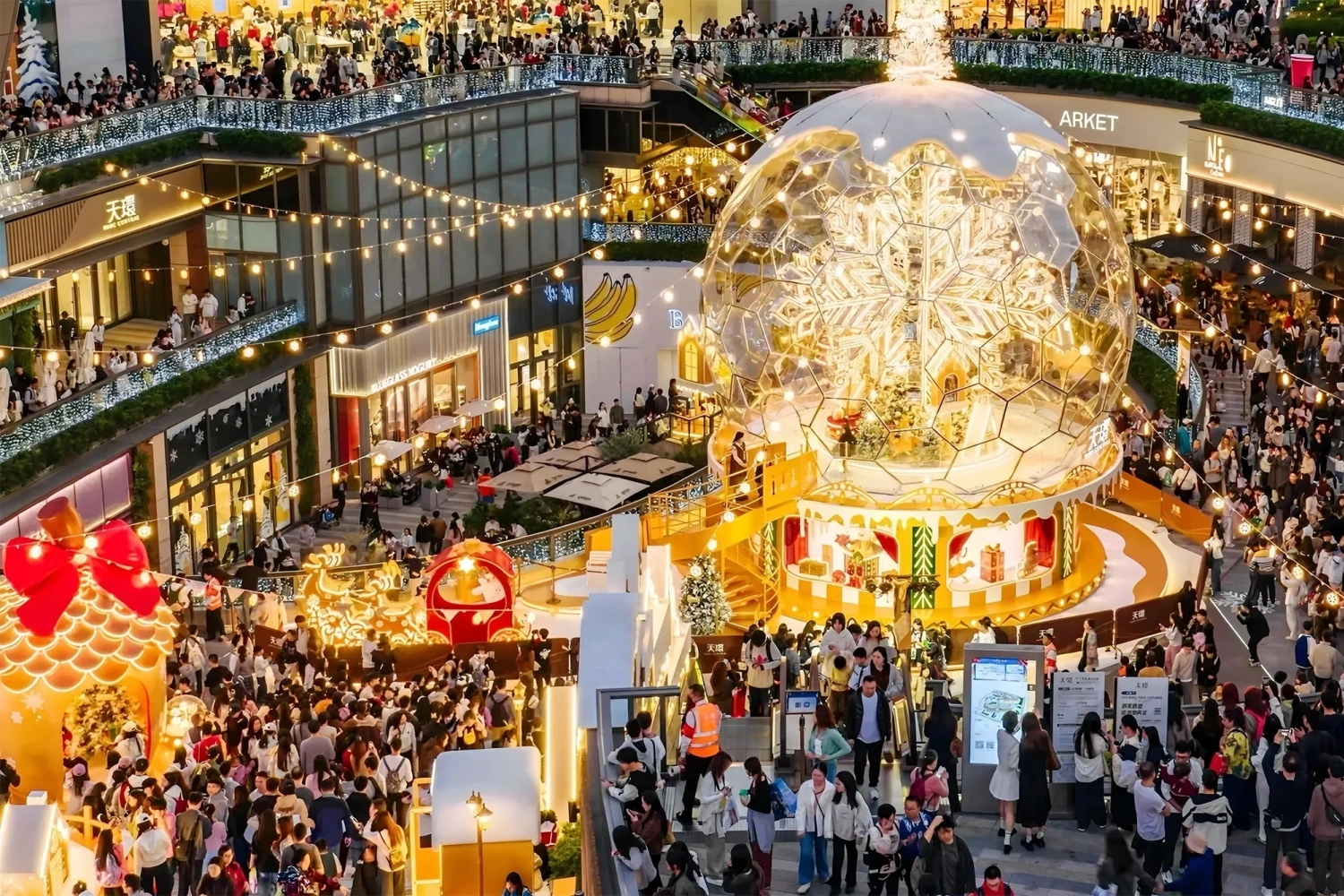
Today, the design and construction of themed art installations have become a key driver of brand transformation for Macau shopping centers. These installations do more than reshape the physical environment; they create emotional connections with visitors, enhance brand identity, and redefine the overall customer journey.
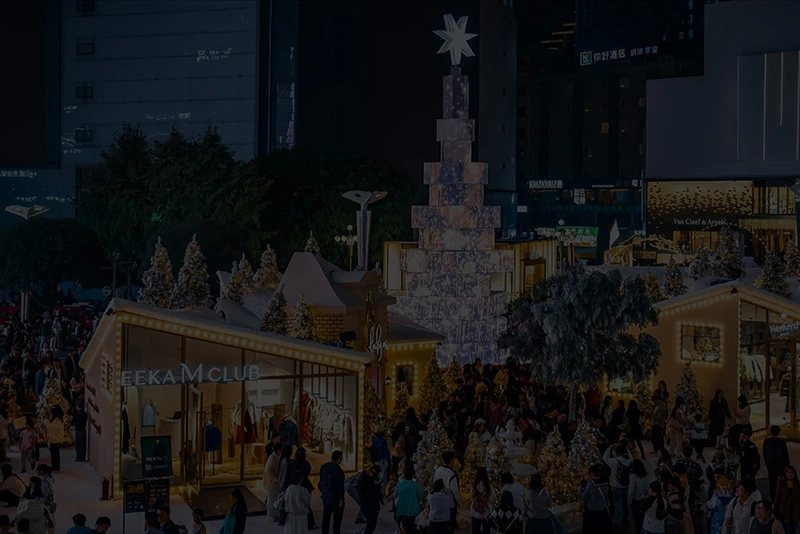
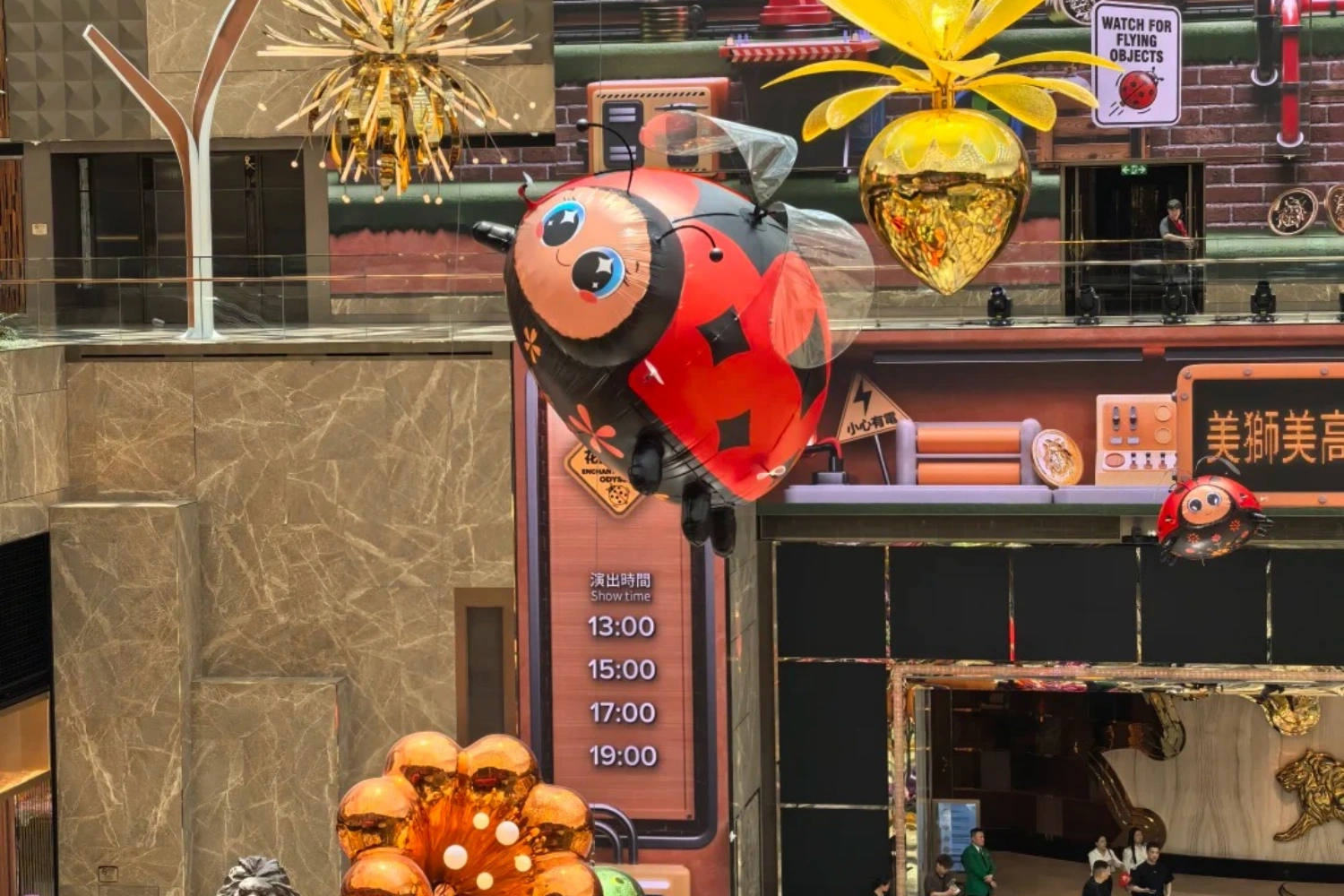
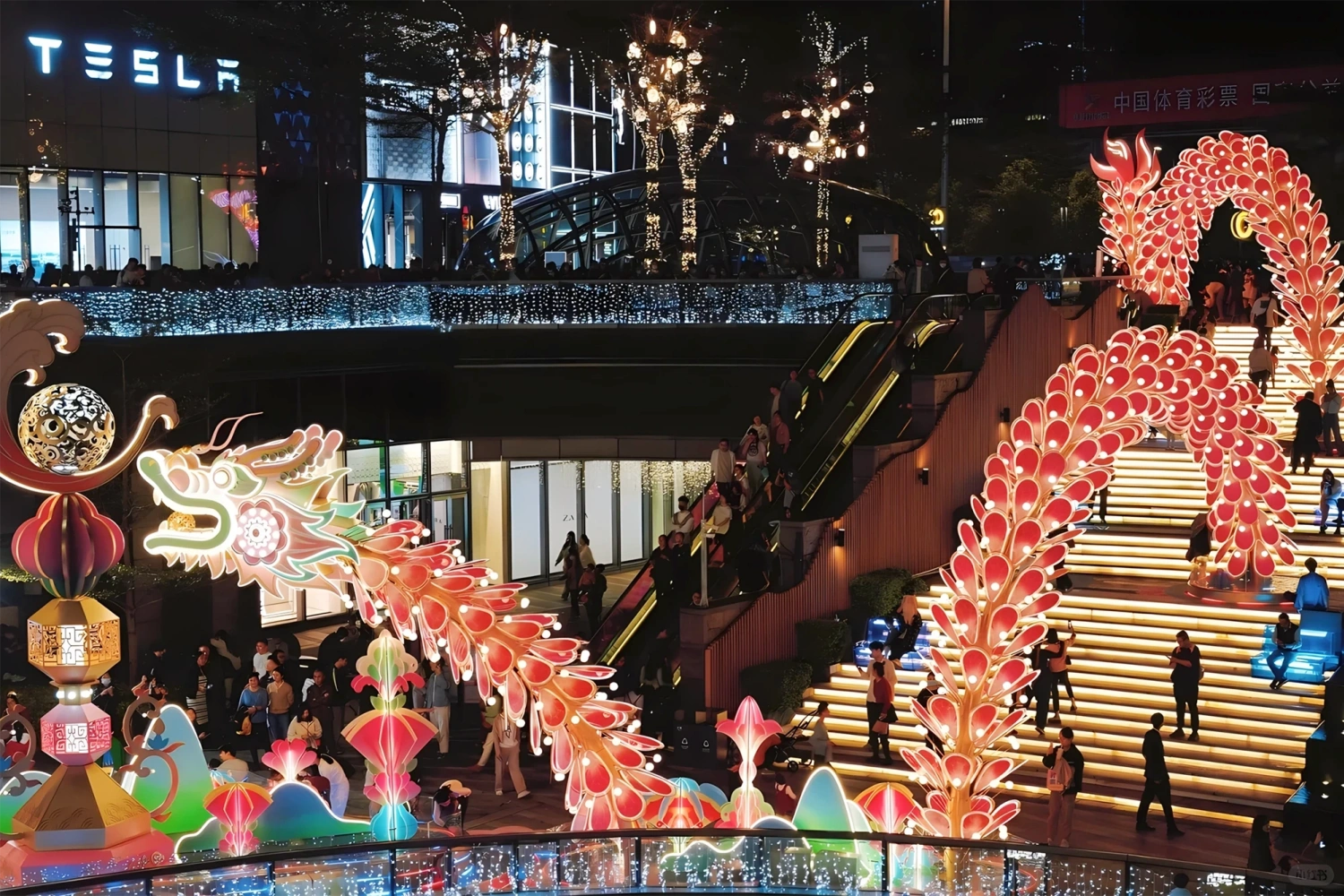
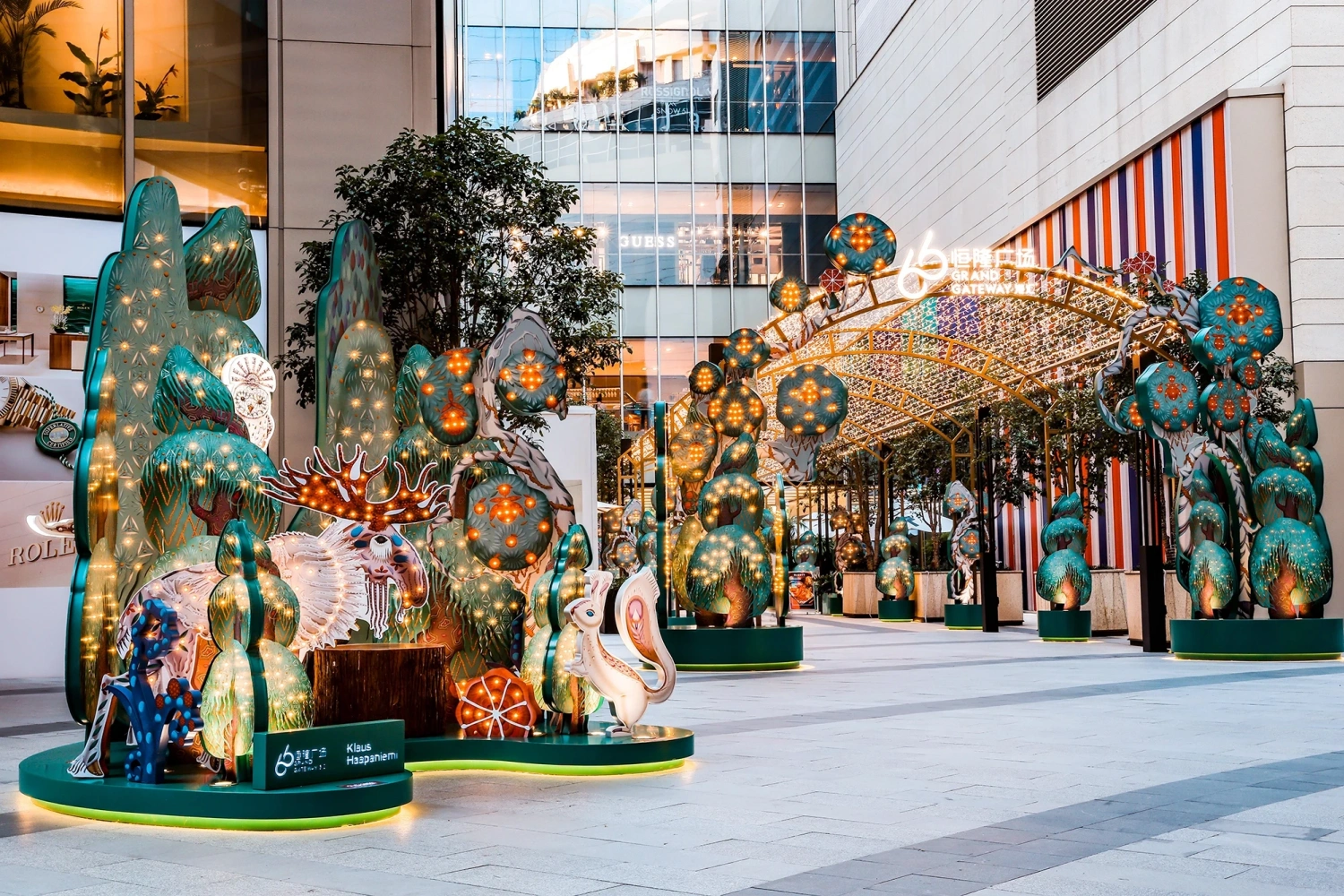
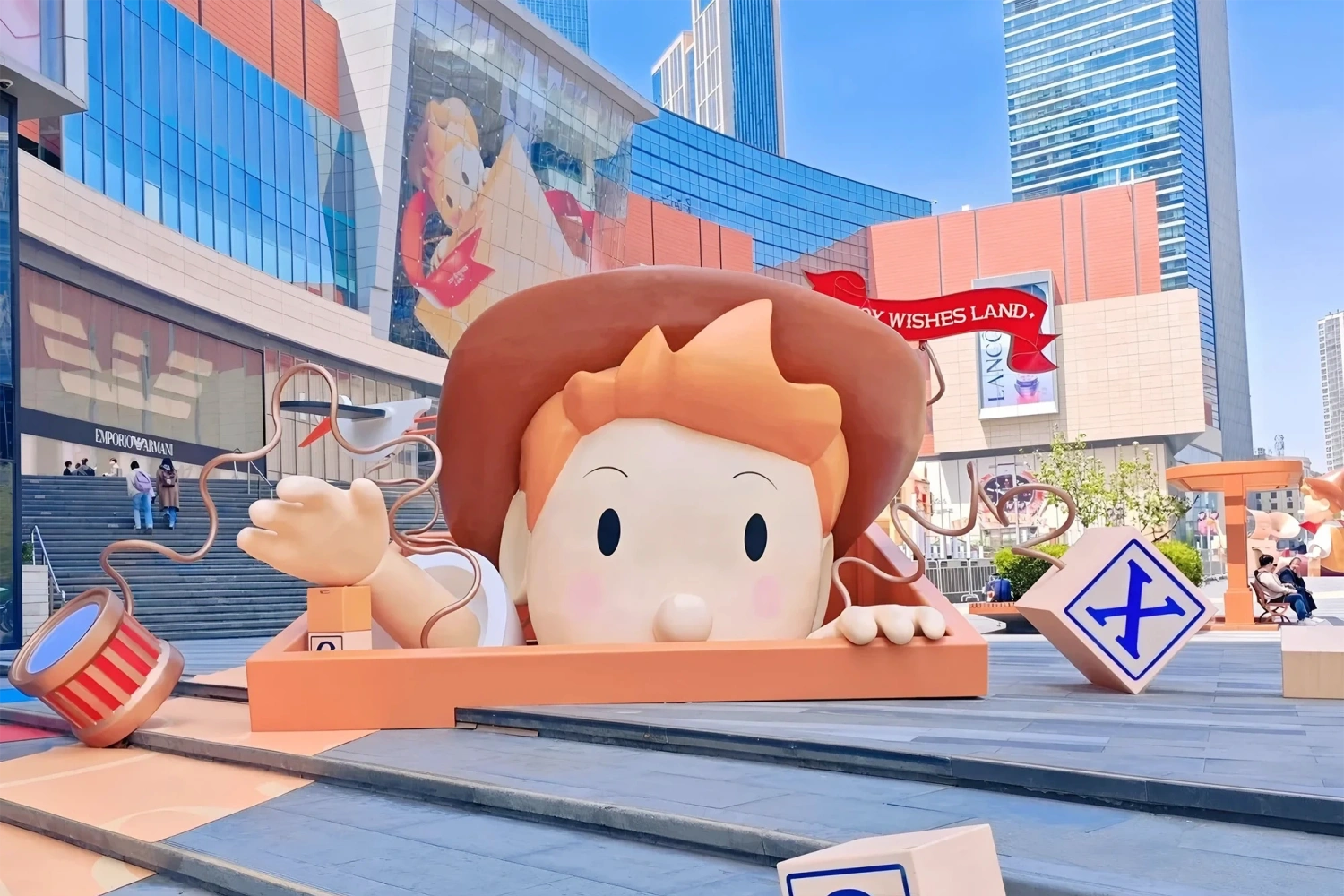
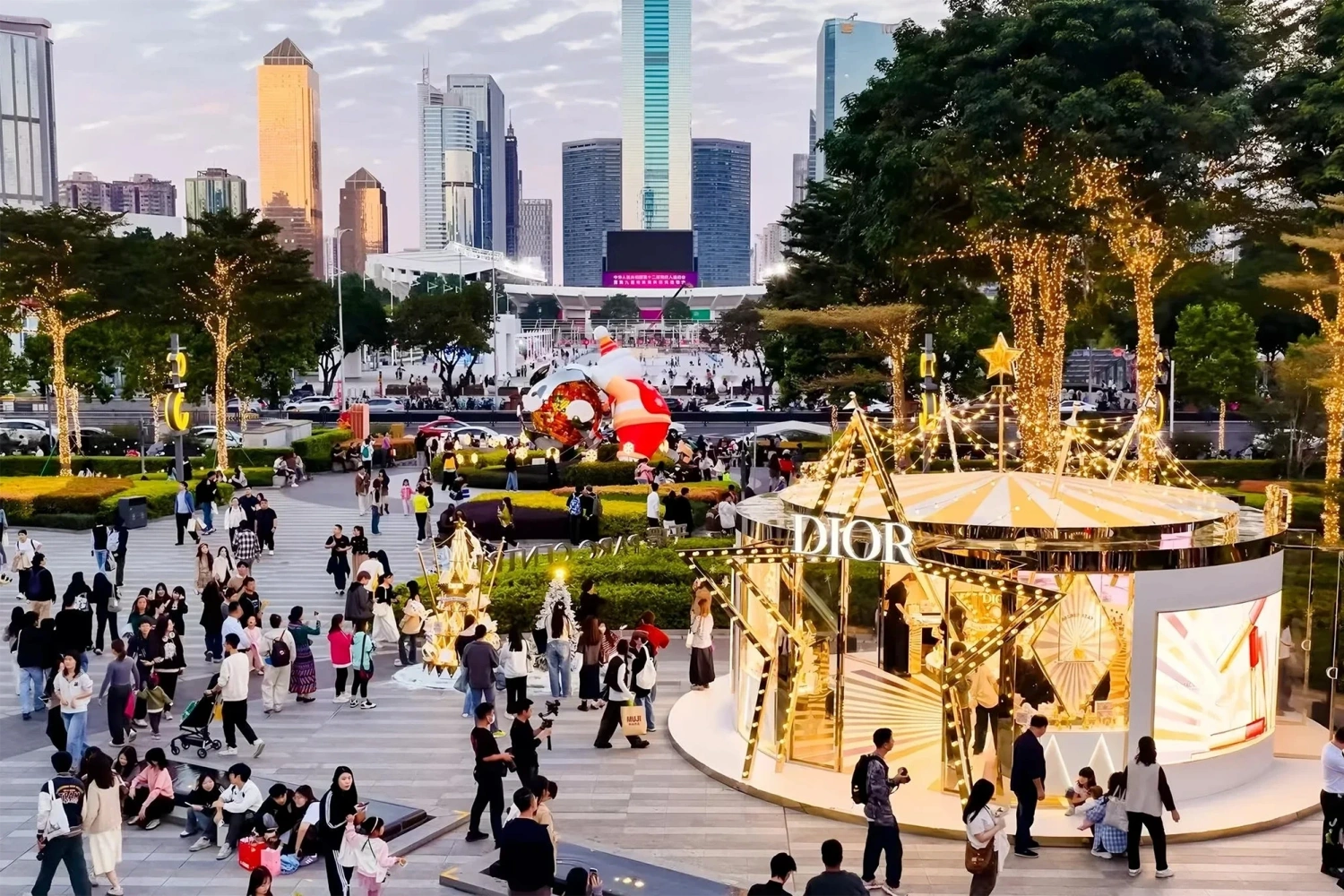
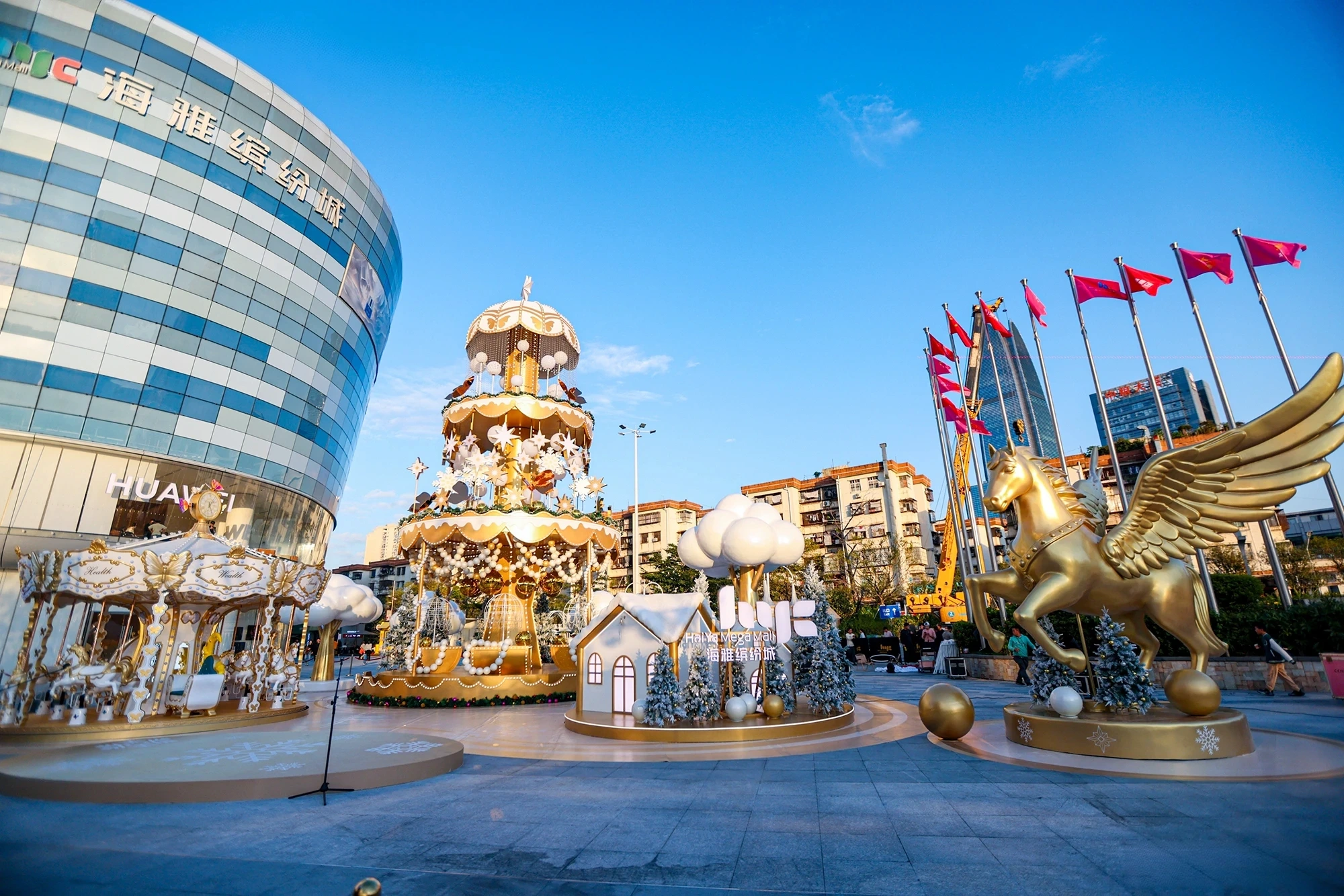
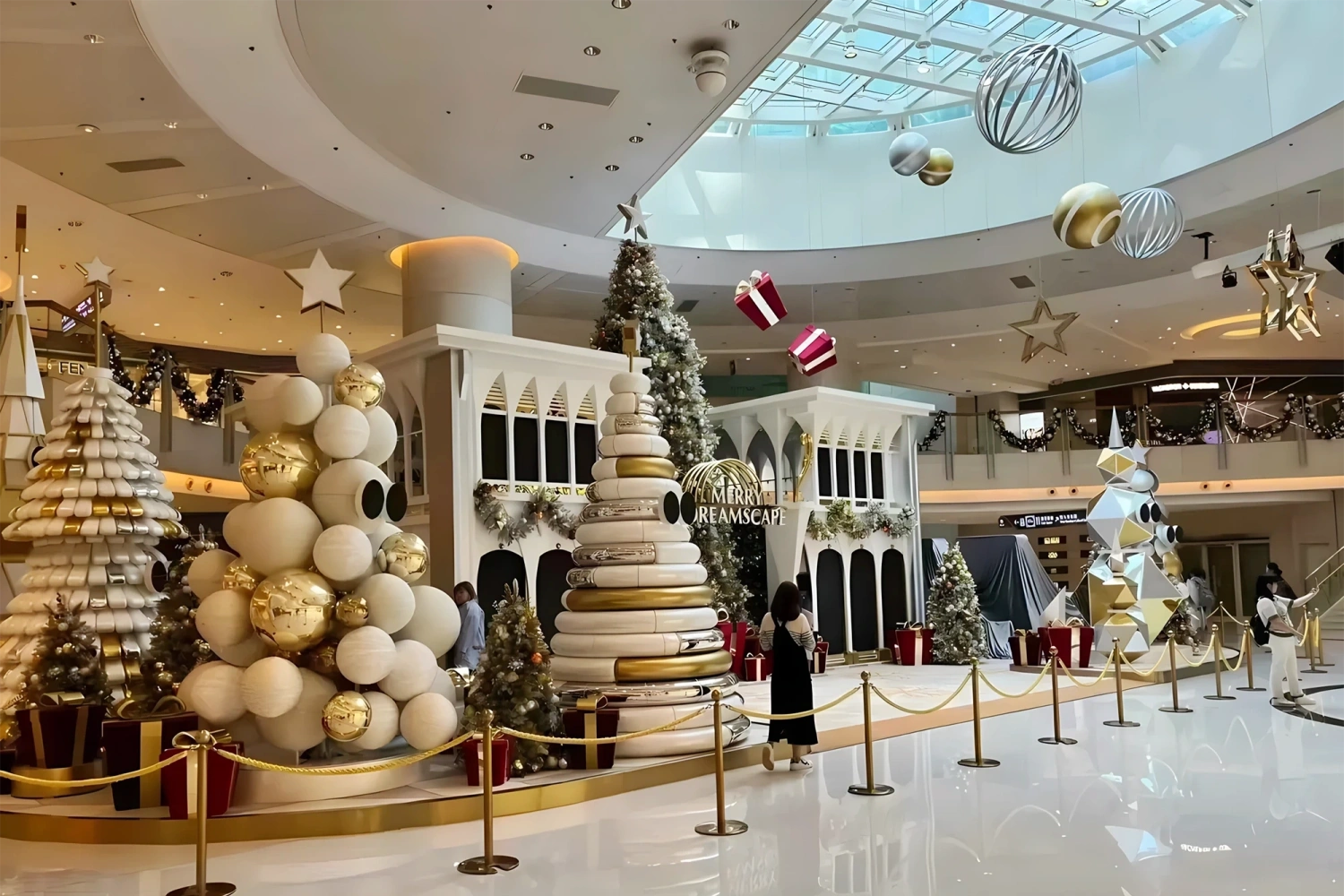
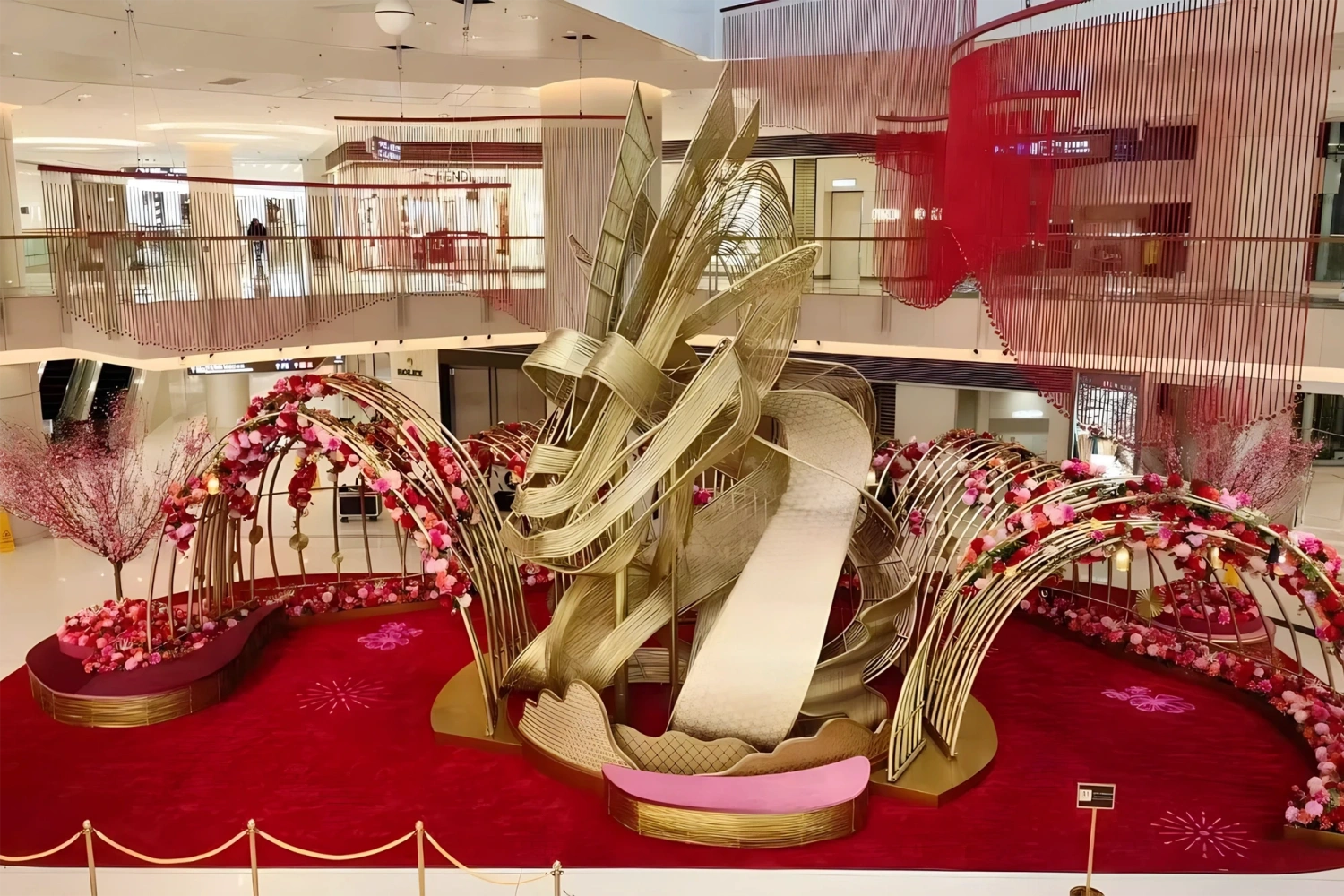
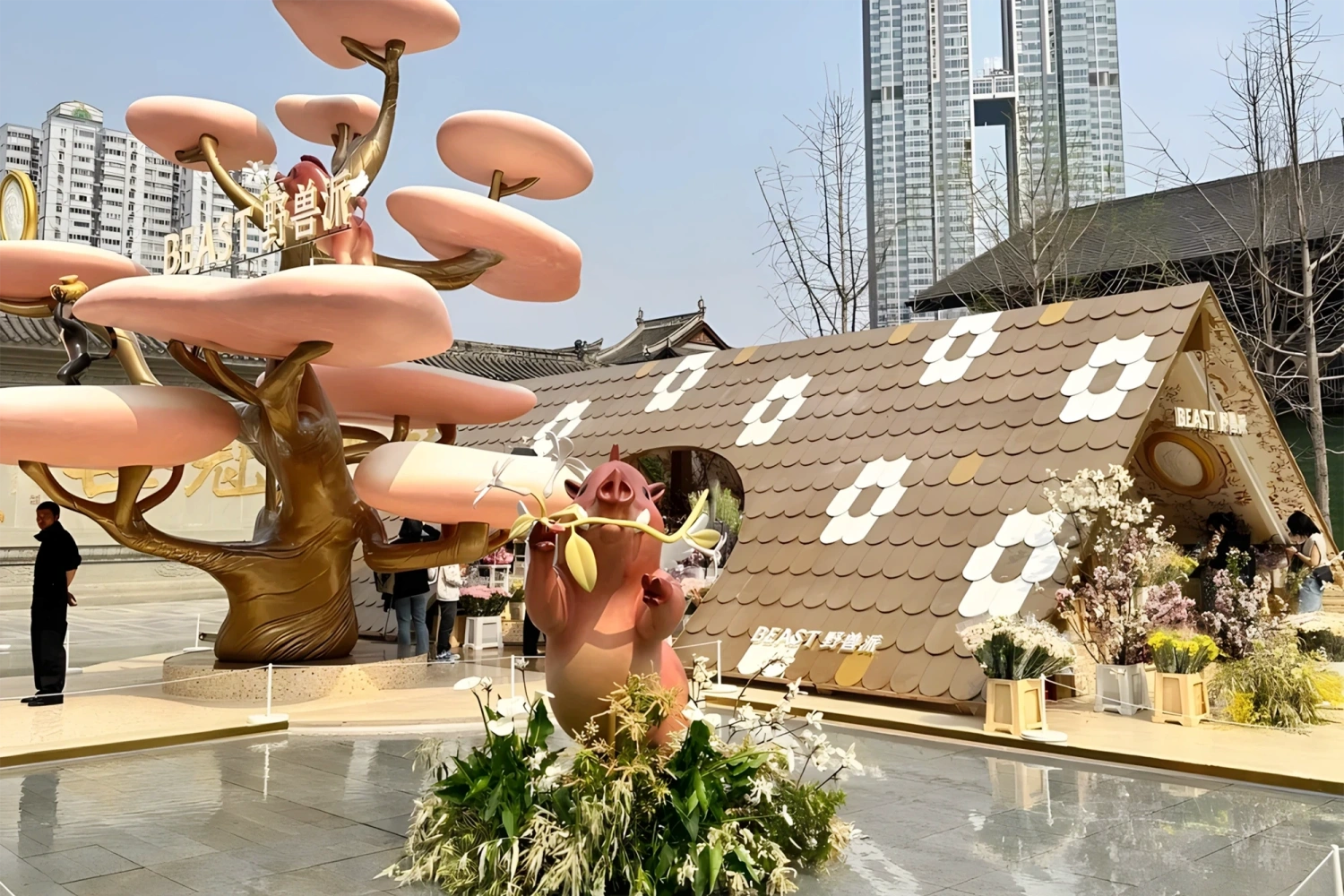
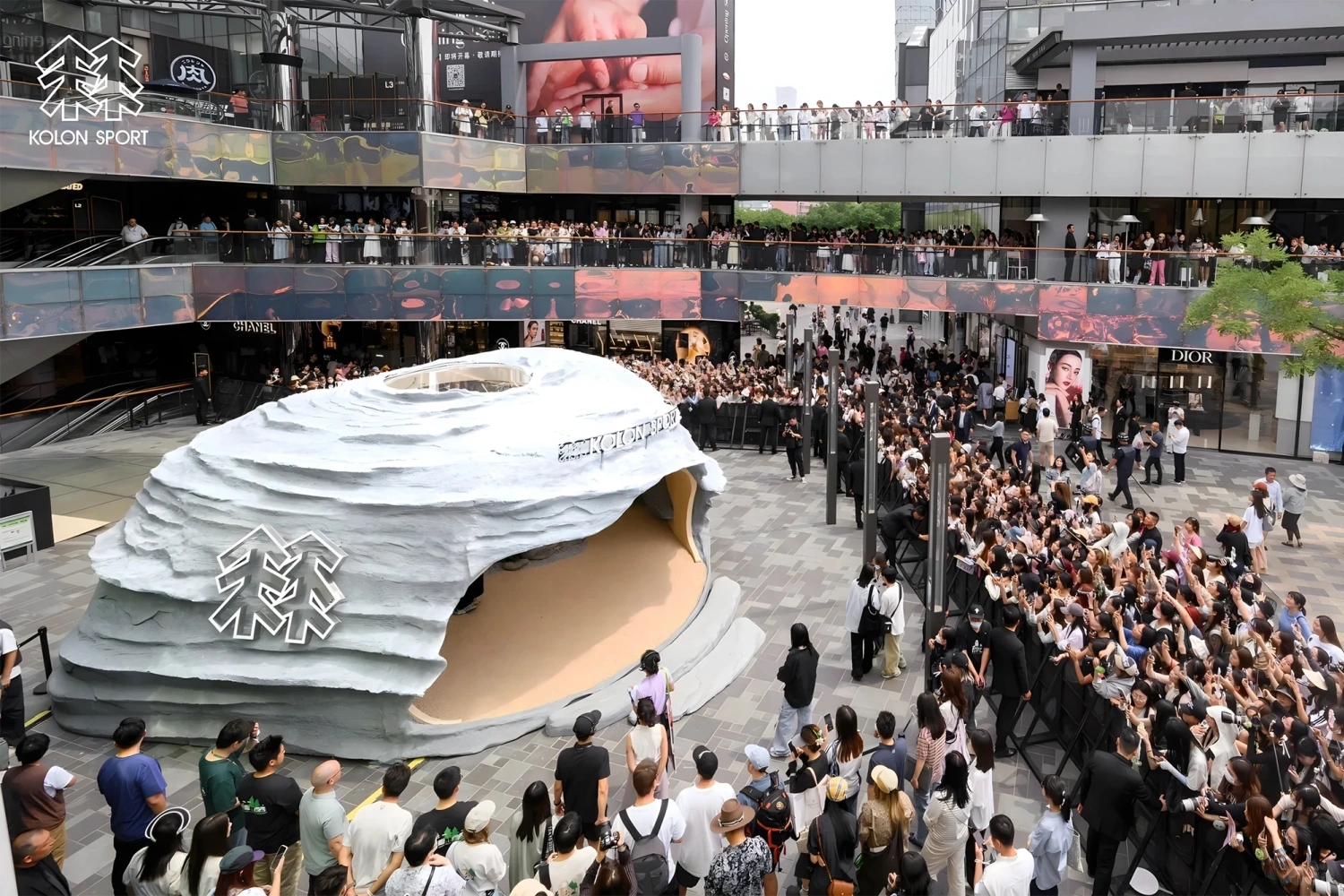
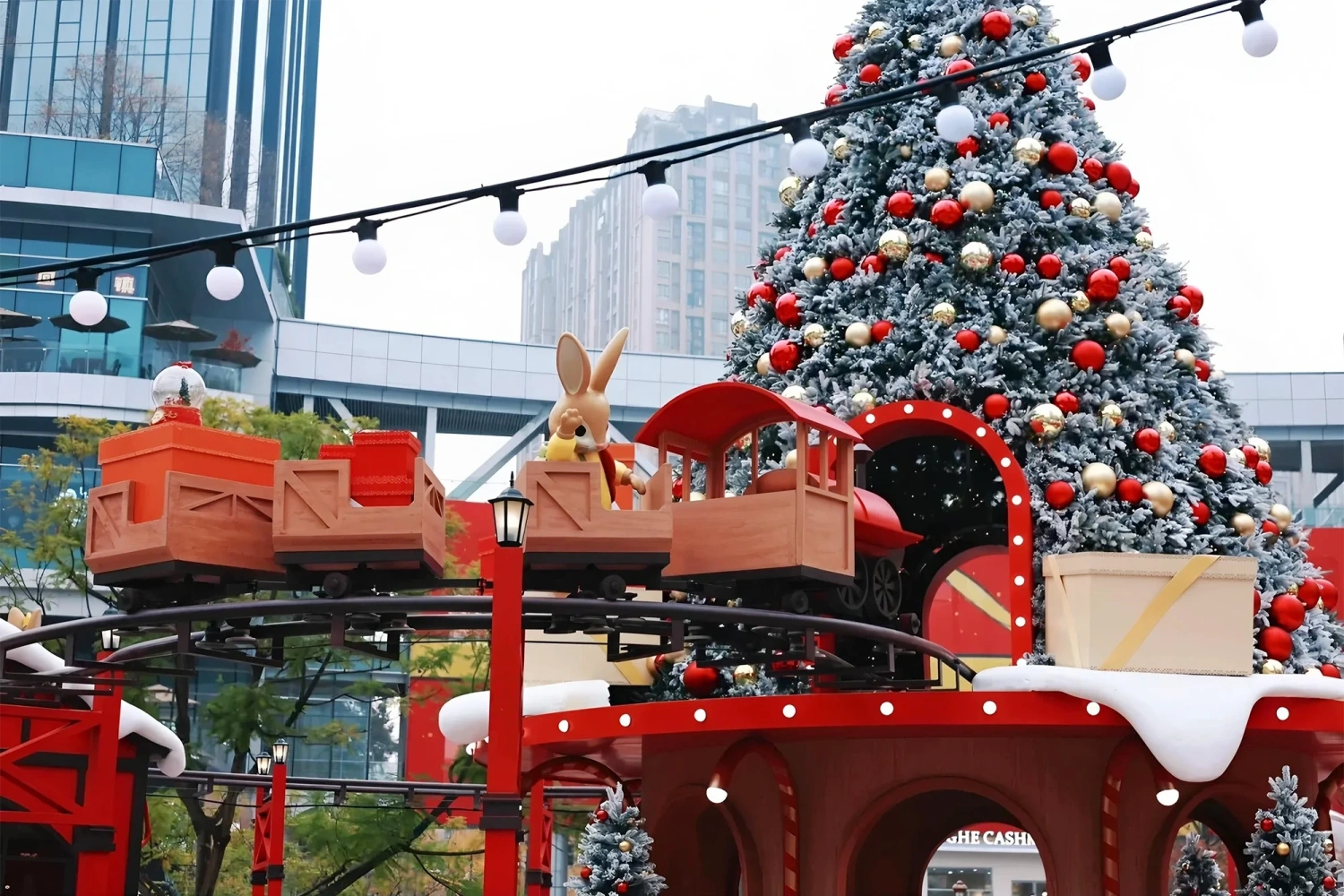
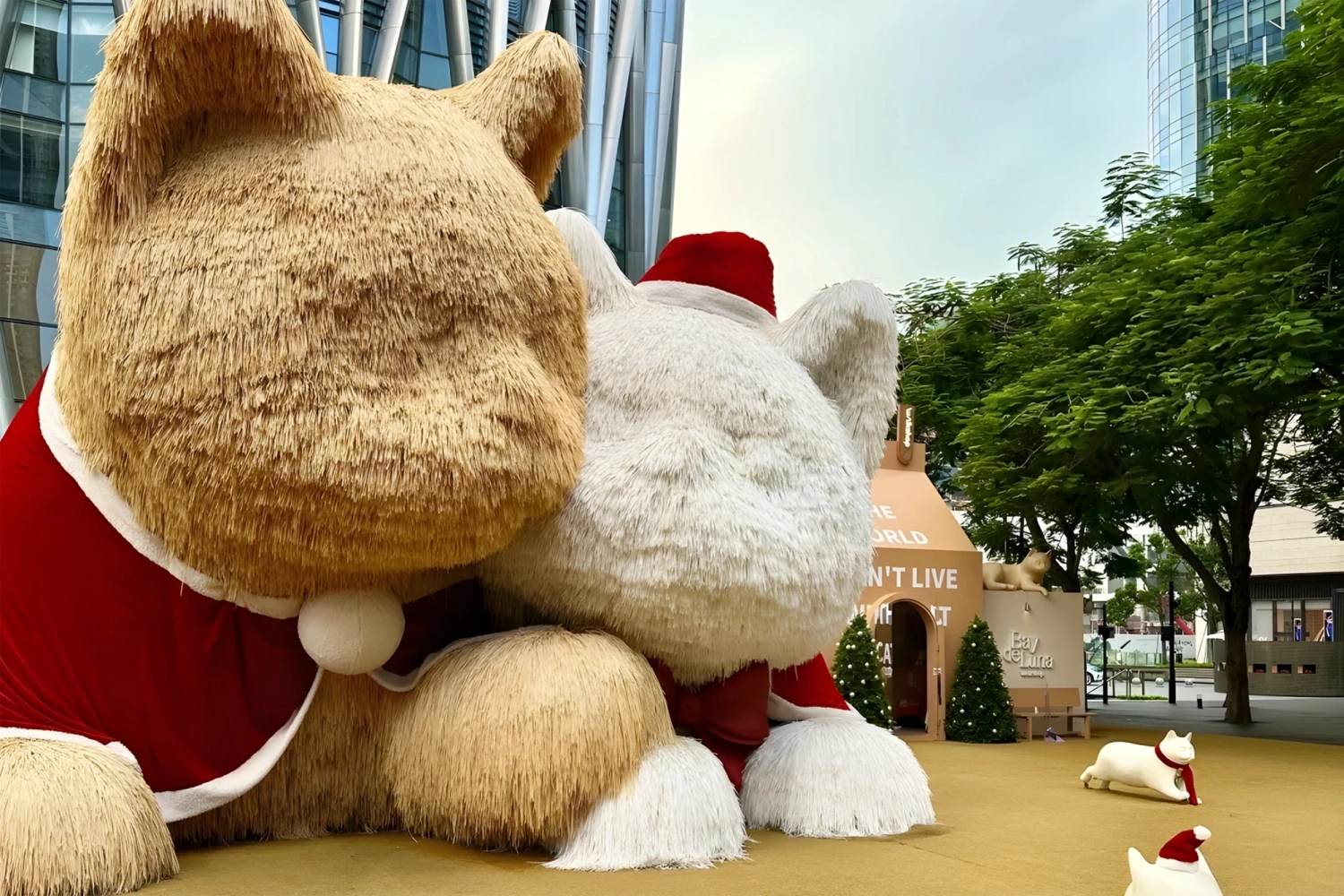
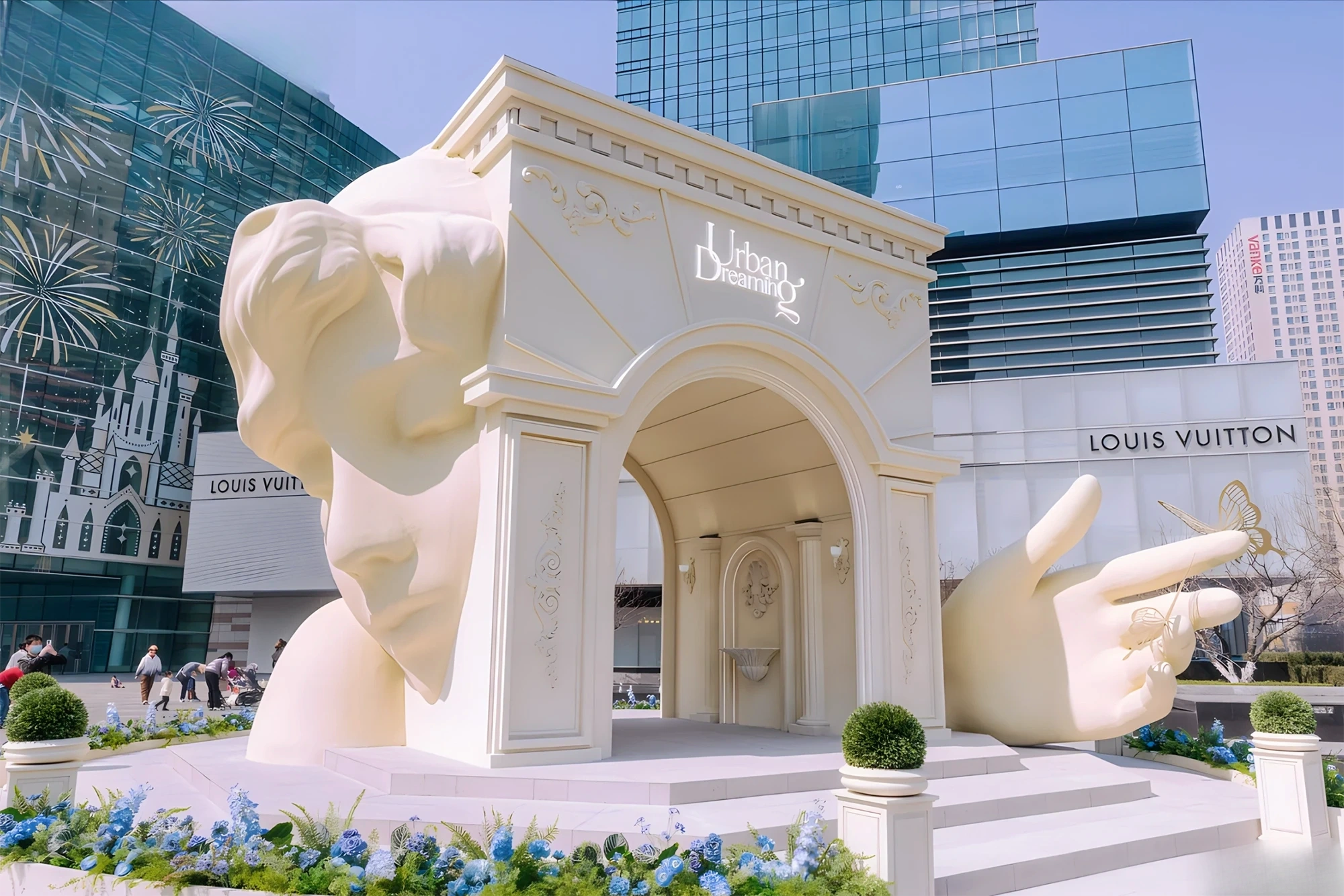
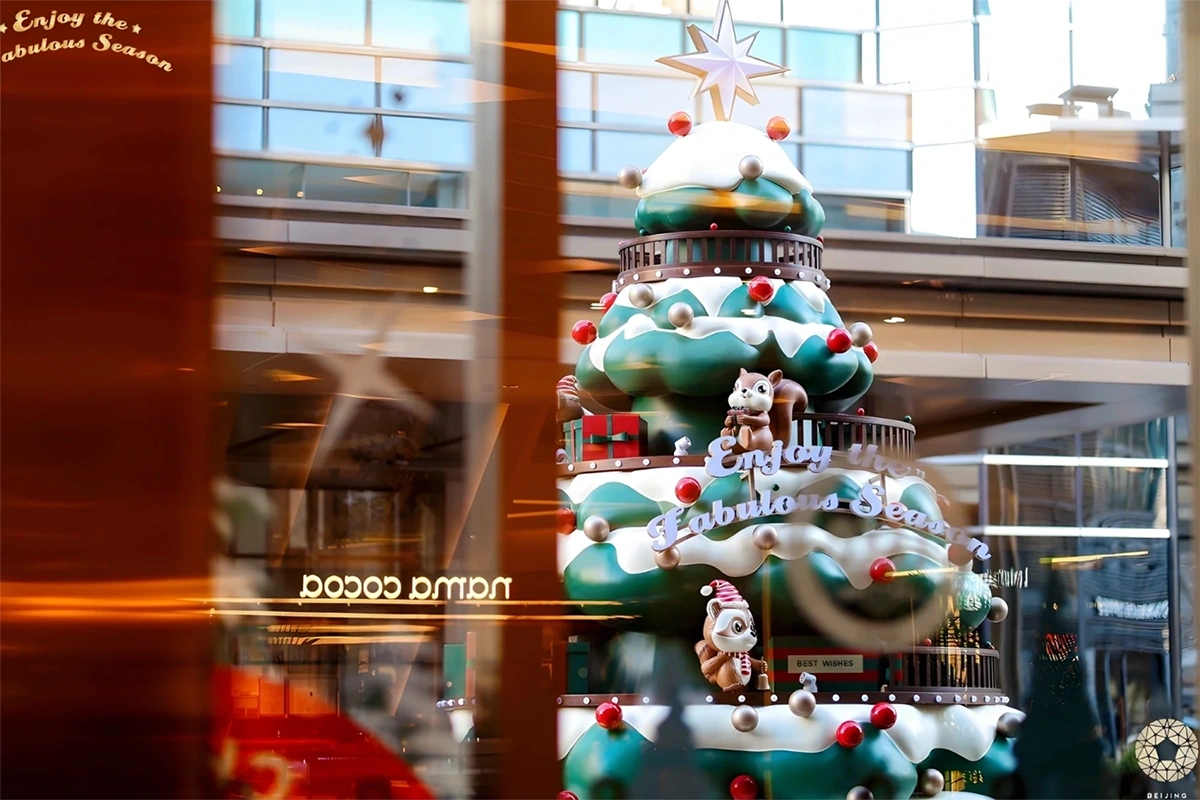
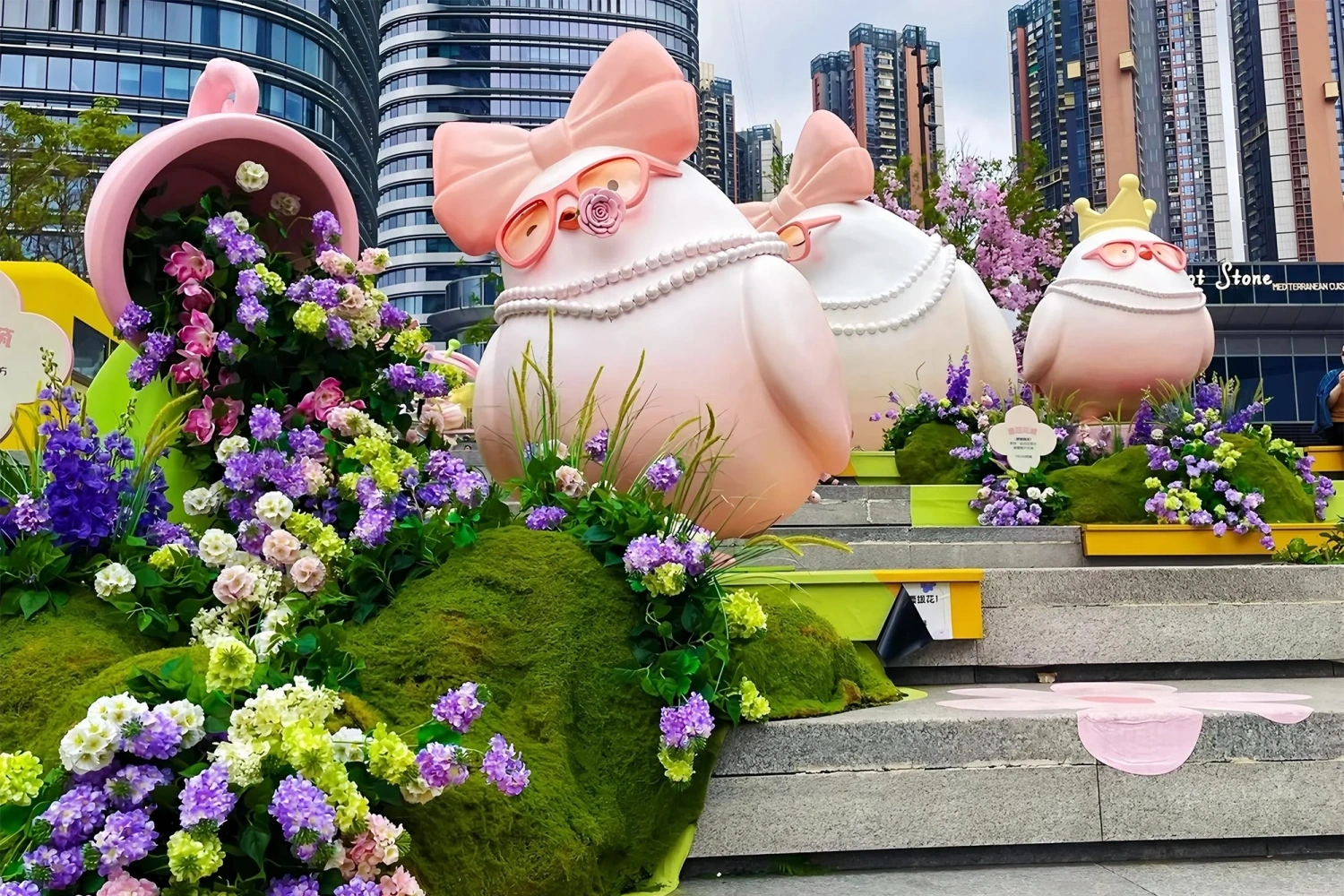
In an increasingly competitive retail landscape, the primary role of an art installation is no longer simply to decorate a space — it is to establish a distinctive spatial narrative.When upgrading their brand experiences, premium shopping centers in Macau often draw inspiration from their architectural characteristics, cultural positioning, or brand identity, incorporating themed installations that feature strong cultural symbols, artistic expression, and contemporary design language.
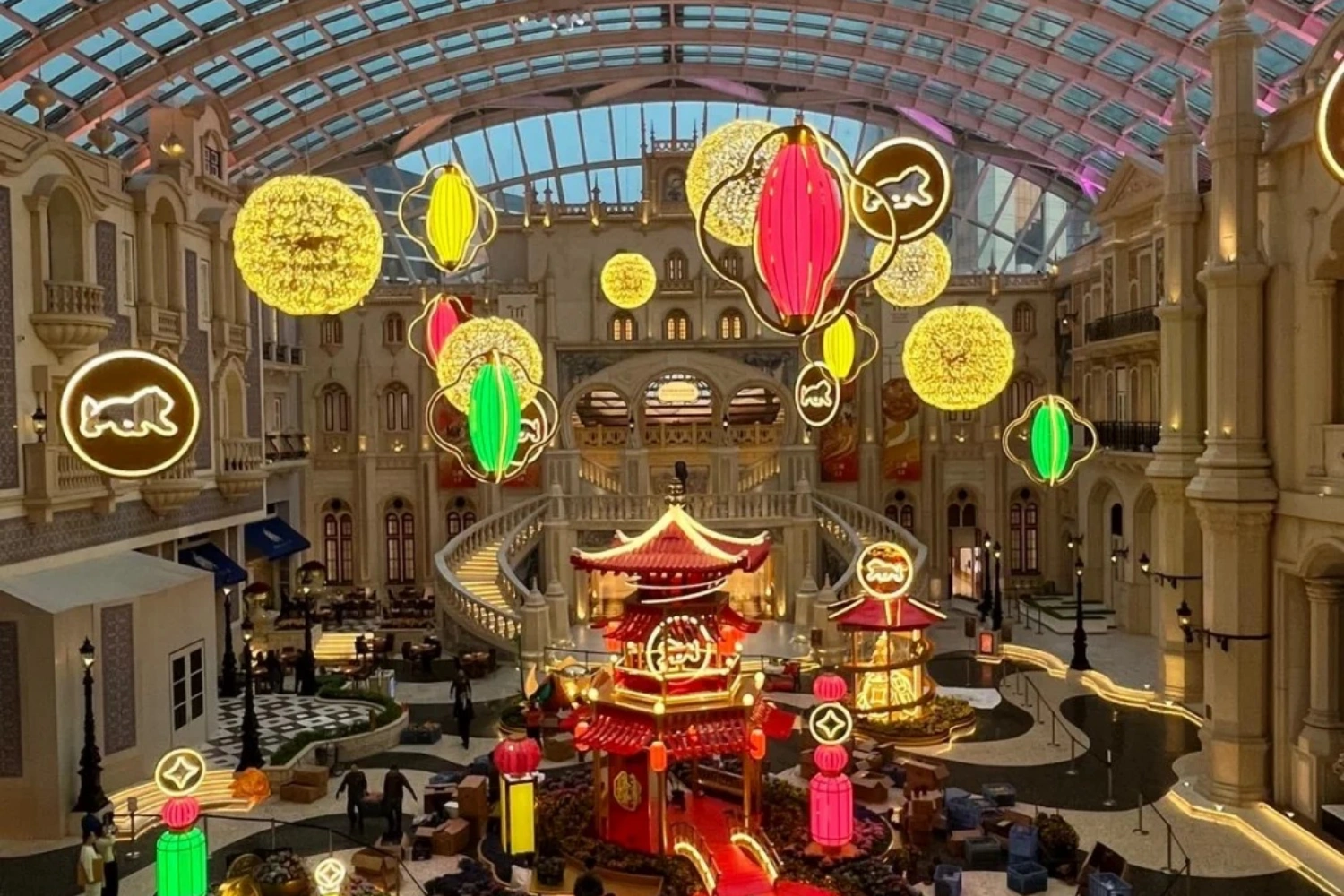
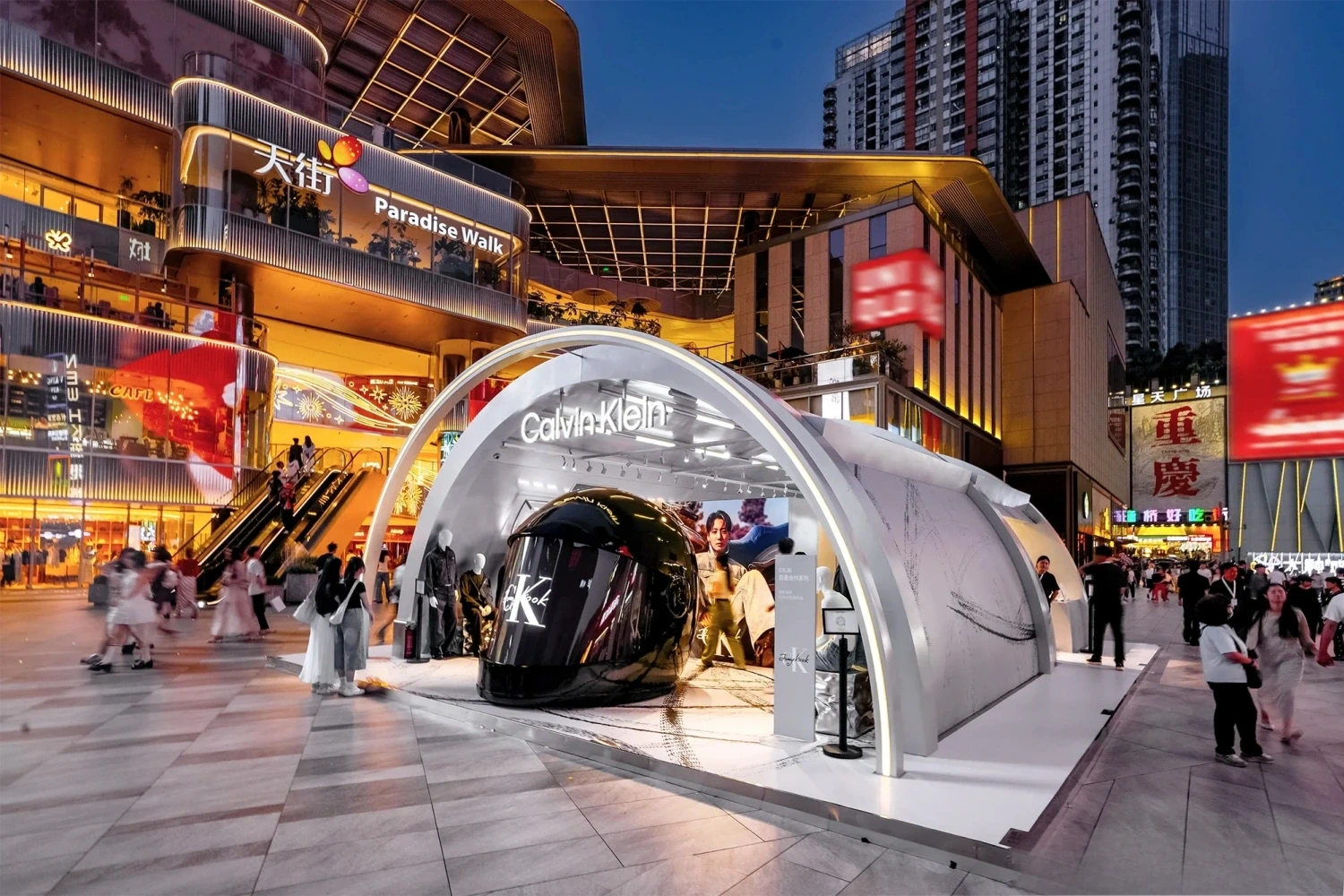
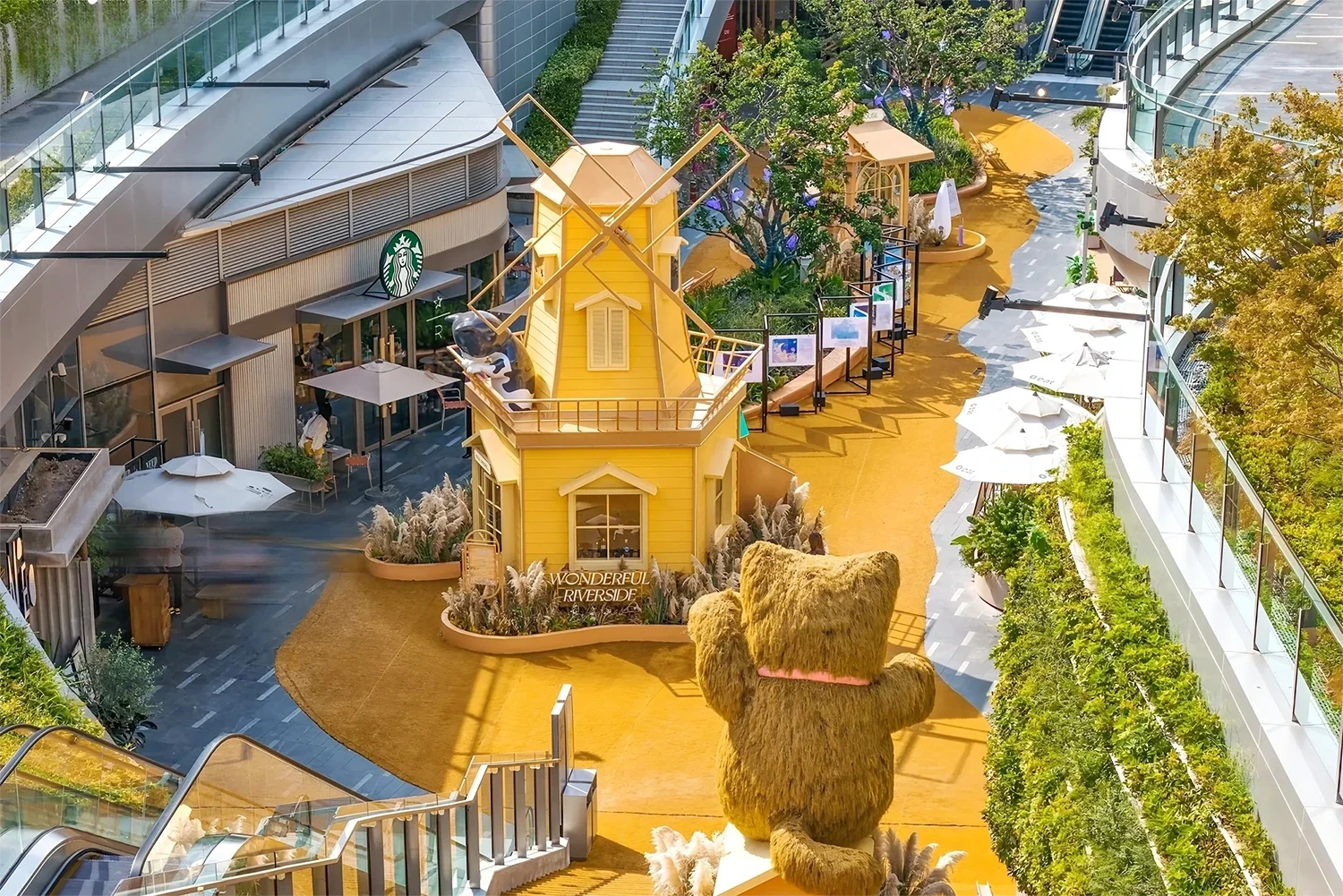
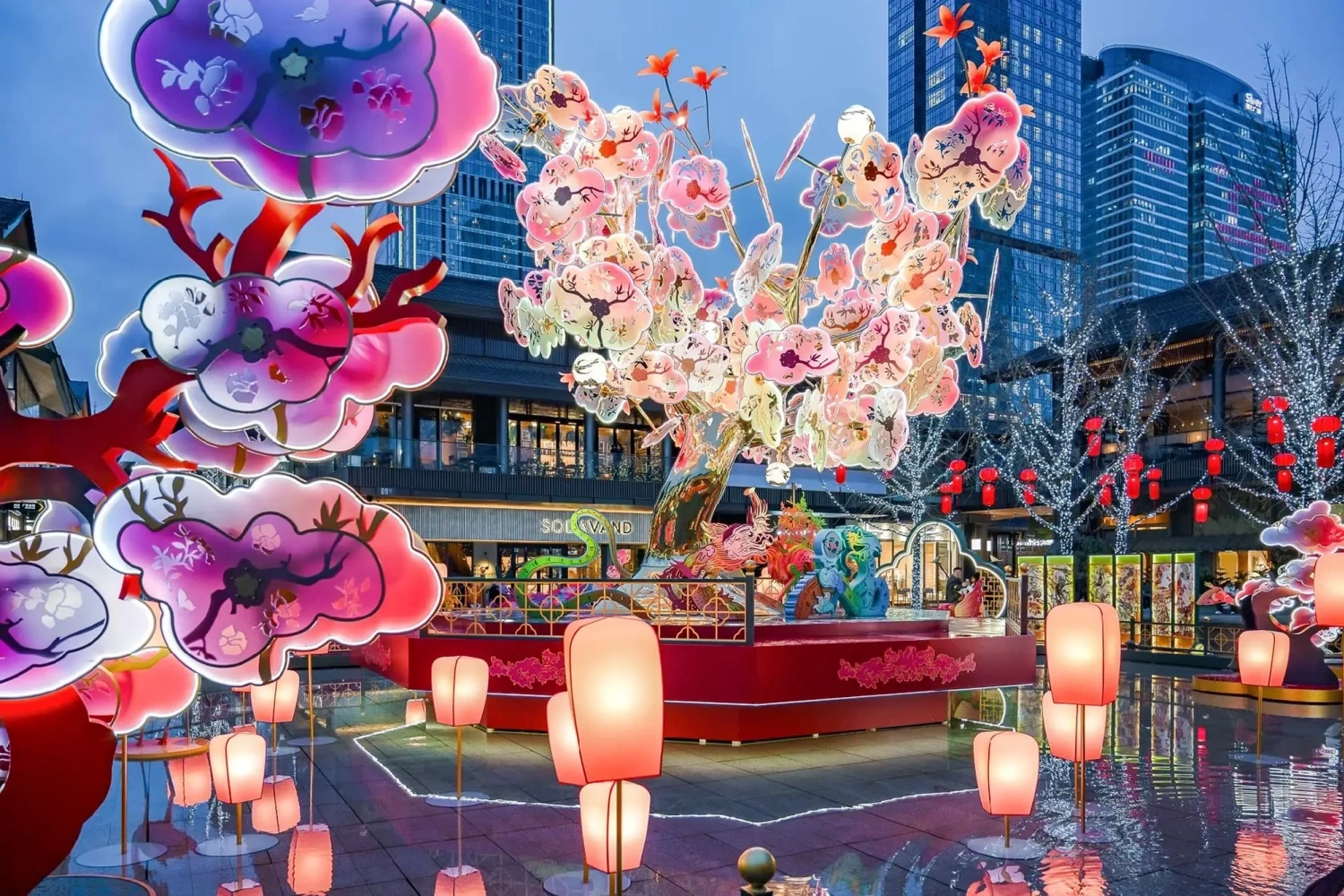
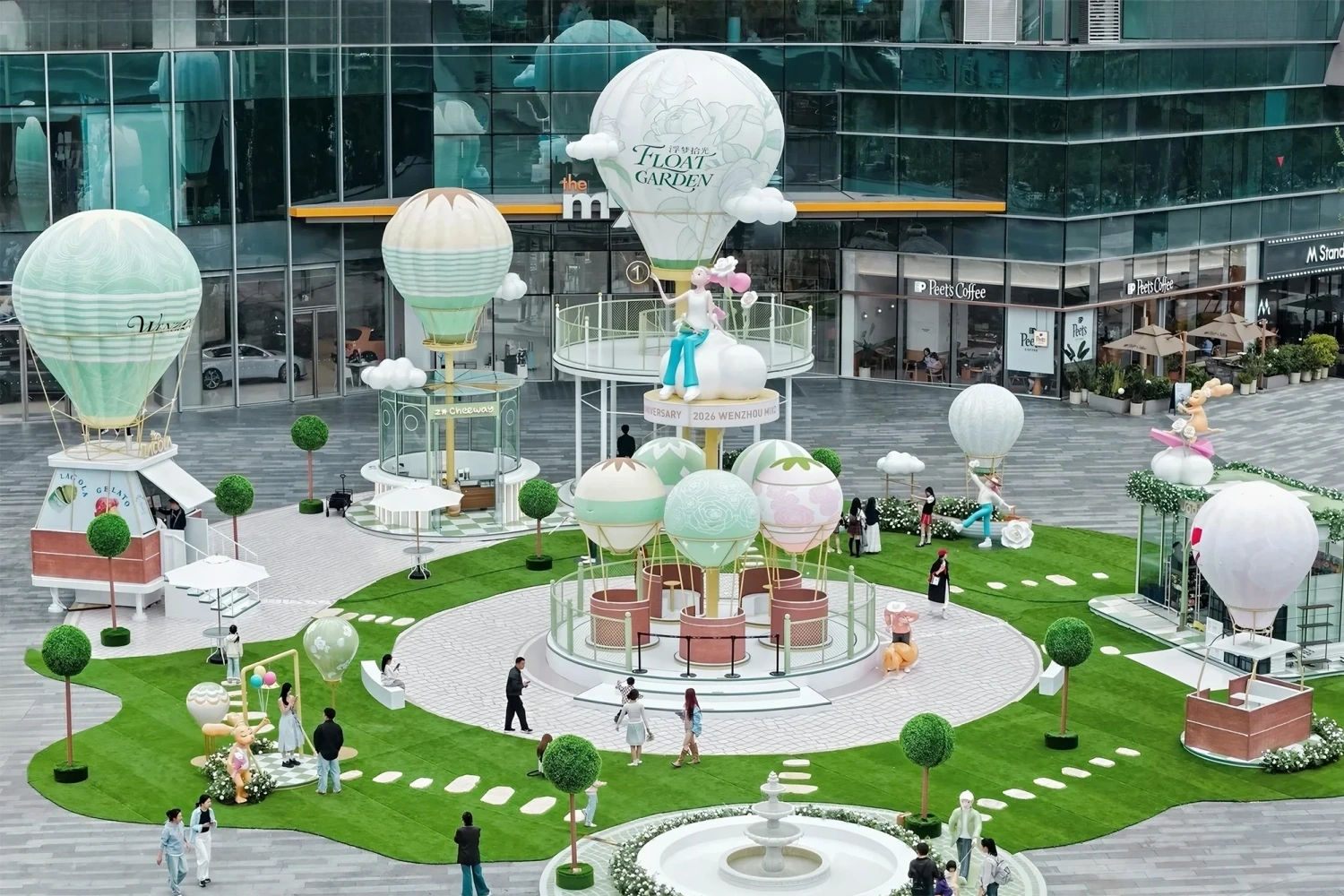
Today’s successful installations go beyond a single centerpiece sculpture in a mall atrium. Instead, they create multi-dimensional environments that integrate storytelling, movement, interaction, and atmosphere. Through the strategic use of lighting, color, form, and spatial flow, art installations can soften architectural boundaries, guide customer circulation, and connect fragmented commercial areas into a cohesive experience.This experience-driven design approach encourages visitors to stay longer, transforming short-term foot traffic into deeper emotional engagement and creating more valuable consumer interactions.
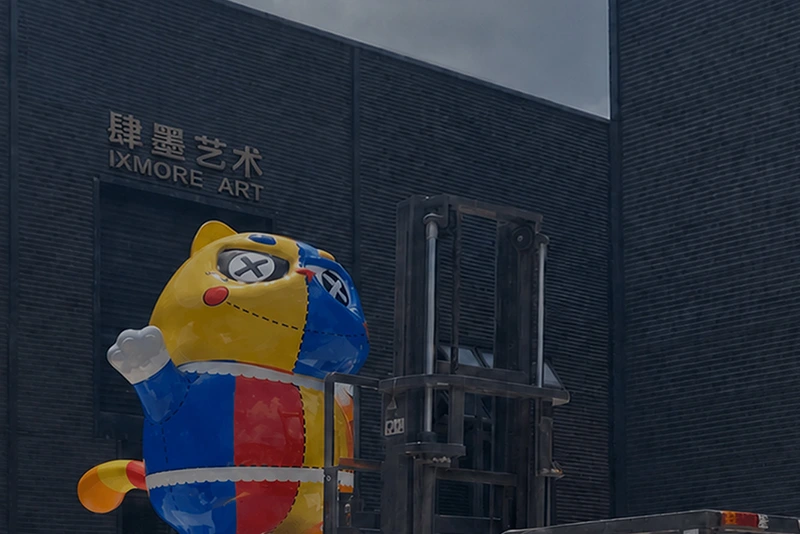
Even the most innovative design concepts require exceptional craftsmanship and professional project execution to become successful realities. For high-end shopping centers in Macau, the construction of themed art installations is far more than simple on-site assembly — it is a complex, multidisciplinary process involving design development, engineering, manufacturing, logistics, and installation management.
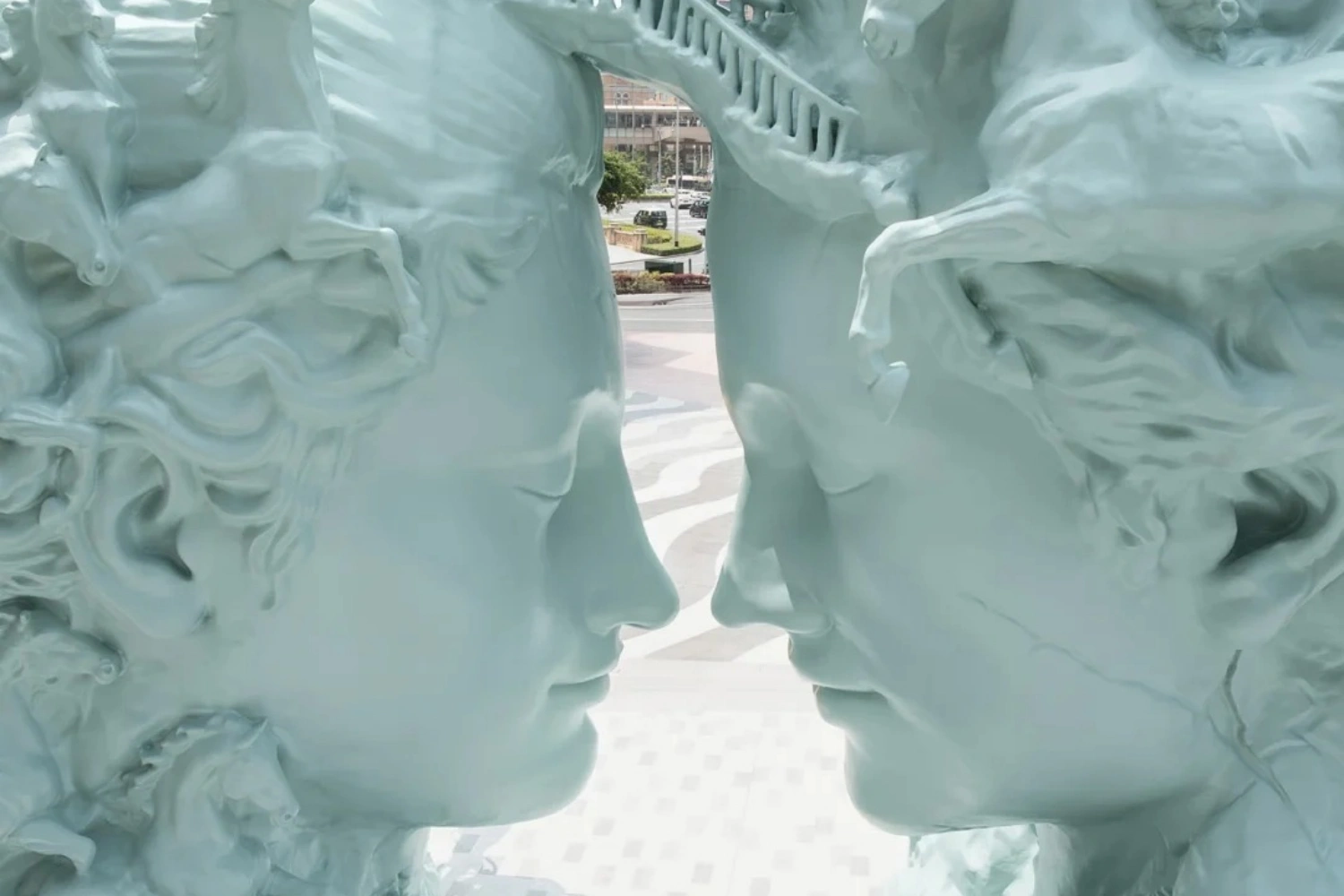
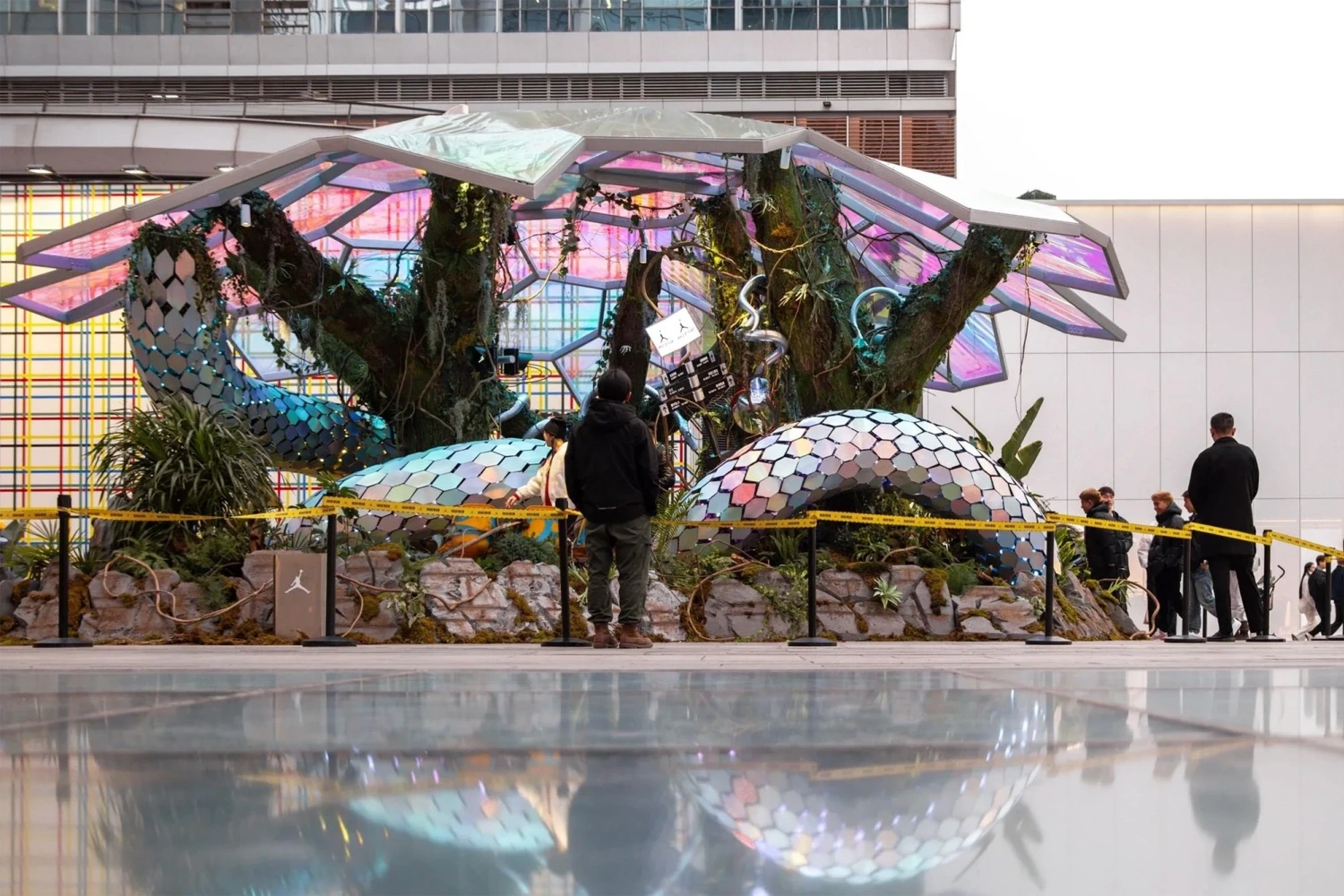
Professional commercial display fabrication and custom production systems play a critical role in achieving the level of quality required for premium retail environments.To deliver sophisticated visual experiences, modern art installations increasingly utilize advanced materials such as high-transparency flame-retardant acrylic, lightweight fiberglass-reinforced composites, and aerospace-grade aluminum frameworks. Achieving the desired aesthetic quality requires a seamless integration between creative design and industrial production.
From early-stage design development, including 3D modeling and structural detailing, to precision fabrication and factory testing, every stage must balance customization with standardized production processes.By completing major structural components through factory pre-assembly and quality testing, teams can ensure smoother curved surfaces, accurate material expression, structural stability, and significantly reduced risks during on-site installation.
Static installations are increasingly evolving into dynamic, interactive experiences. Current trends in commercial space design demonstrate that installations integrated with lighting technology, digital interaction, IoT sensors, and mechanical systems are more likely to attract visitor engagement and generate organic social media exposure.
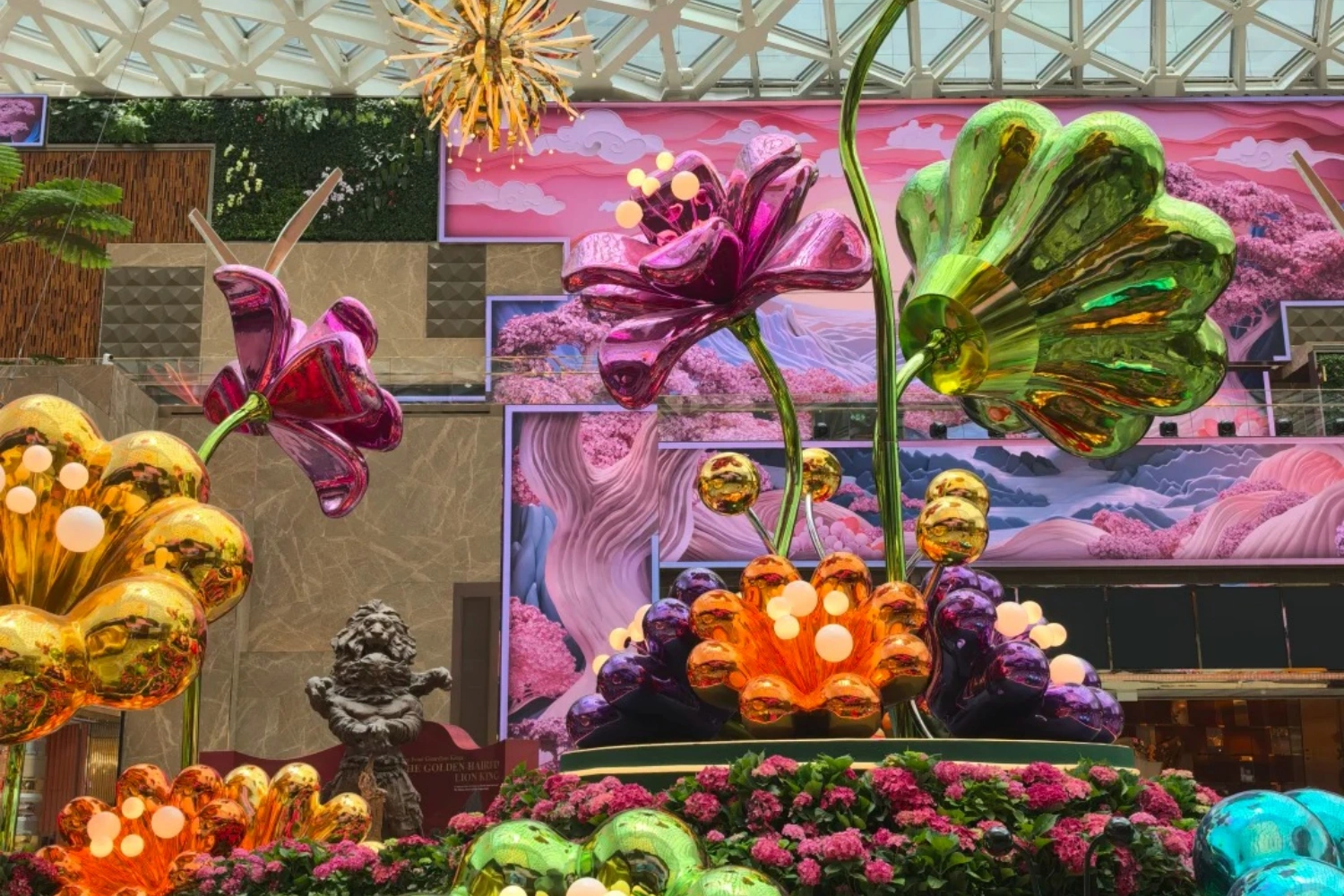
For example, motion sensors, visual recognition technology, and interactive lighting systems can enable installations to respond dynamically to visitor movement, creating experiences that feel alive and personalized.However, bringing these concepts to reality requires sophisticated internal engineering. Hidden systems such as electrical layouts, motion-control mechanisms, silent motor integration, and smart control platforms must be carefully designed and integrated within the structure.
This process requires not only strong creative vision but also advanced manufacturing capabilities and technical expertise from fabrication and installation teams. The ability to merge art, technology, and engineering has become a defining competitive advantage in modern commercial space development.
Shopping centers in Macau operate under unique conditions, including high visitor volumes, extended operating hours, and strict requirements for security, fire protection, and public safety. As a result, installing large-scale themed art installations is a highly coordinated process that requires both creativity and precision.
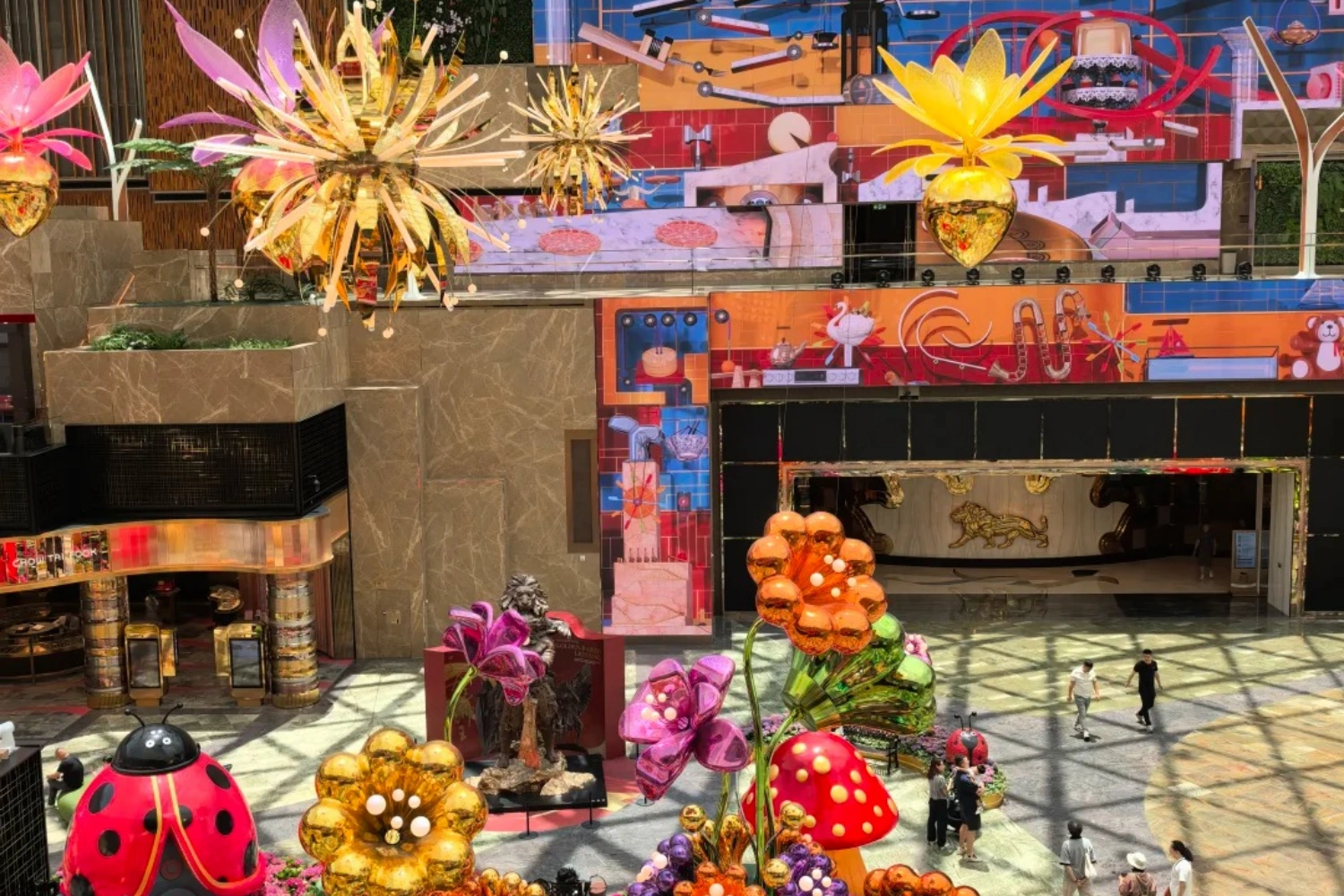
To minimize disruption to daily mall operations, major installation work is typically scheduled during late-night or early-morning hours when visitor traffic is minimal.This requires installation teams to demonstrate exceptional project management capabilities — from protecting customer pathways and maintaining dust-free construction environments to executing seamless modular assembly and ensuring safe high-altitude operations.
Every detail must comply with rigorous safety standards. All materials used in commercial installations must meet required fire-retardant certifications and regulatory guidelines, ensuring that enhanced visual experiences never compromise operational safety.
The transformation of Macau shopping centers through themed art installations represents a new era of commercial space innovation — one driven by creative design and supported by advanced manufacturing expertise.
Only through the seamless integration of artistic creativity, customized fabrication, engineering precision, and professional installation management can shopping centers truly transcend traditional retail environments and create memorable immersive experiences.By turning physical spaces into emotionally engaging brand destinations, themed art installations enable shopping centers to strengthen customer connections, enhance brand value, and achieve long-term commercial growth in an increasingly competitive market.
1.Frame Publishers. The Future of Retail Spaces: Experience, Immersion and Art Installations.
2.ArchDaily. Commercial Architecture & Public Space Design Strategies.
3.Mintel. Global Consumer Trends: Spatial Experience and Emotional Value in Retail.
4.McKinsey & Company. Retail Industry Insights: Tech meets physical retail environments
July 27, 2026
July 27, 2026
July 27, 2026
July 27, 2026
July 27, 2026
July 27, 2026
July 27, 2026
July 26, 2026
July 26, 2026
July 26, 2026
July 26, 2026
July 26, 2026
July 26, 2026
July 26, 2026
July 26, 2026
July 26, 2026
July 26, 2026
July 25, 2026
July 25, 2026
July 25, 2026